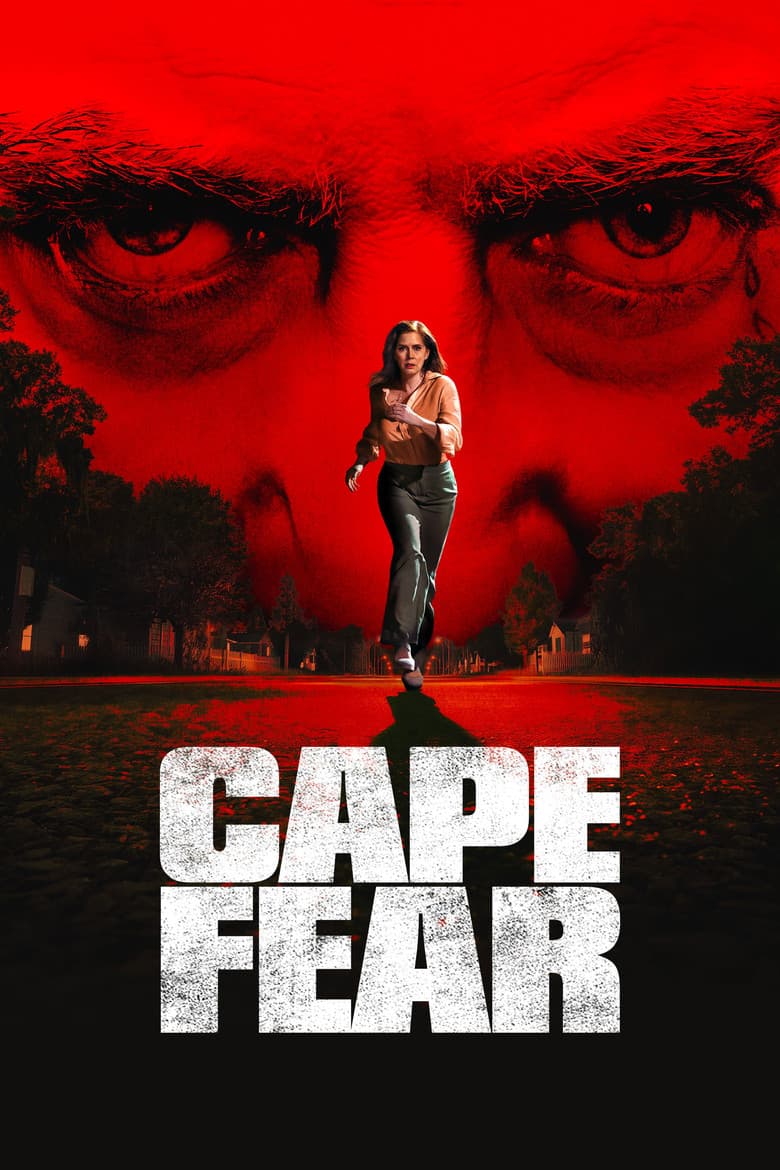
Started June 4, 2026 · Ended · Based on 1 season, 10 episodes through July 30, 2026 · TV-MA
Cape Fear follows Max Cady after new evidence gets him out of prison after 17 years. Cady believes married Savannah lawyers Anna and Tom Bowden caused his prison sentence, so he returns to ruin their family. Anna once defended Cady, while Tom prosecuted him, and their old case hides secrets about their marriage and their children. The show uses murder, stalking, strange images, online tricks, and family fear to create a violent Southern crime thriller.
The season adds a clear LGBTQ story through Natalie Bowden, a lesbian teenager who falls for Nevaeh Valentine. Their romance becomes a large part of the middle and late episodes, but Nevaeh also uses drugs, sex, and lies to control people around her. Anna and her boss Noa Toussaint work to free people wrongly sent to prison, so the show often questions prisons, courts, guilt, and who deserves sympathy. These ideas matter to the season, but Max’s revenge, the Bowdens’ family secrets, and the threat of violence remain the main story.
Community feedback
Was our 53% Woke rating accurate?
Breakdown
These are the editorial factors and ratings behind our score for Cape Fear.
Woke representation / casting
Noa Toussaint is a prominent black woman who leads a wrongful-conviction group. Nevaeh is a major black teenage character in a recurring relationship with white teenager Natalie. The main Bowden family is white, while these two black women hold important story roles. Modern Savannah can support a diverse cast, so this is a moderate representation signal rather than a strong mismatch.
28%
Woke political dialogue
The season repeatedly returns to people wrongly sent to prison, Cady’s release, and the legal fight over guilt. Anna and Noa’s work keeps justice and prison issues visible across the story. The show also questions how public attention changes a criminal case. The dialogue supports the crime plot but does not become a series of party-political speeches.
30%
Identity-driven story themes
Natalie is a lesbian, and her romance with Nevaeh becomes a major subplot. Their relationship gets intimate scenes, first-love themes, and repeated turns in the main danger plot. The show treats Natalie’s sexuality as normal rather than as a family problem. Nevaeh also uses sex, drugs, and lies to manipulate people, so the romance is not shown as a simple positive model.
48%
Western institutional / cultural critique
The season treats the justice system as unreliable by making Cady’s release depend on new evidence. The story links online fame and violent male behavior to the family crisis, especially through Cady and Zack. The show questions true-crime culture, legal power, and pressure on boys to act hard. These ideas recur, but the main conflict remains a revenge thriller instead of a full attack on Western institutions.
32%
Woke character or canon changes
Anna takes the defense lawyer role that earlier versions gave to a man, while Tom becomes the prosecutor husband. Natalie is newly written as a lesbian and has a major relationship with Nevaeh. The show also adds wrongful-conviction work, online threats, and deeper family history. The gender and sexuality changes are clear and important, though the classic revenge structure remains.
32%
Anti-woke backlash and complaints
Hollywood in Toto called the show a remake that flirts with woke themes. That review singled out the sexuality change and what it called progressive criticism of the legal system. One Variety LinkedIn commenter also complained about the “WOKE brigade.” Most visible viewer discussion focused on length, wild twists, camp, and the finale, so the anti-woke backlash appears limited.
18%
Creator track record context
Nick Antosca’s public work is mainly horror, crime, and thriller storytelling. Wesley Strick has discussed fascism and Jewish cultural concerns, but that is not the same as modern DEI activism. Reed Morano has a modest feminist and representation-focused record. Producer context is mixed, with Javier Bardem’s climate and anti-war activism and Steven Spielberg’s broad human-rights work.
18%
Production
TV Show · 2025
Two lifelong friends in Philadelphia pose as DEA agents to rob small-time drug dealers. It's a perfect grift—until they choose the wrong mark and become targets of a massive…
TV Show · 2021
A world-famous comedian desperately searches for a way out after a night in Philadelphia with his brother threatens to sabotage more than his success.
TV Show · 2019
Gypsy Blanchard struggles to deal with the toxic relationship with her overprotective mother, but her attempts to free herself lead to murder.
TV Show · 2019
Loosely based on infamous crime boss Bumpy Johnson, who in the early 1960s returned from ten years in prison to find the neighborhood he once ruled in shambles.
TV Show · 2020
A family's lives are irreparably disrupted when the 14-year-old son is accused of murdering a fellow classmate.
TV Show · 2022
New York mafia capo Dwight "The General" Manfredi is released from prison after 25 years and exiled by his boss to set up shop in Tulsa, Oklahoma.
TV Show · 2024
Through the eyes of various Irish Republican Army (IRA) members, explore the extremes some people will go to in the name of their beliefs, the way a deeply divided society can…
TV Show · 2019
The origin story of Bruce Wayne's legendary butler, Alfred Pennyworth, a former British SAS soldier who forms a security company in 1960s London and goes to work with young…
