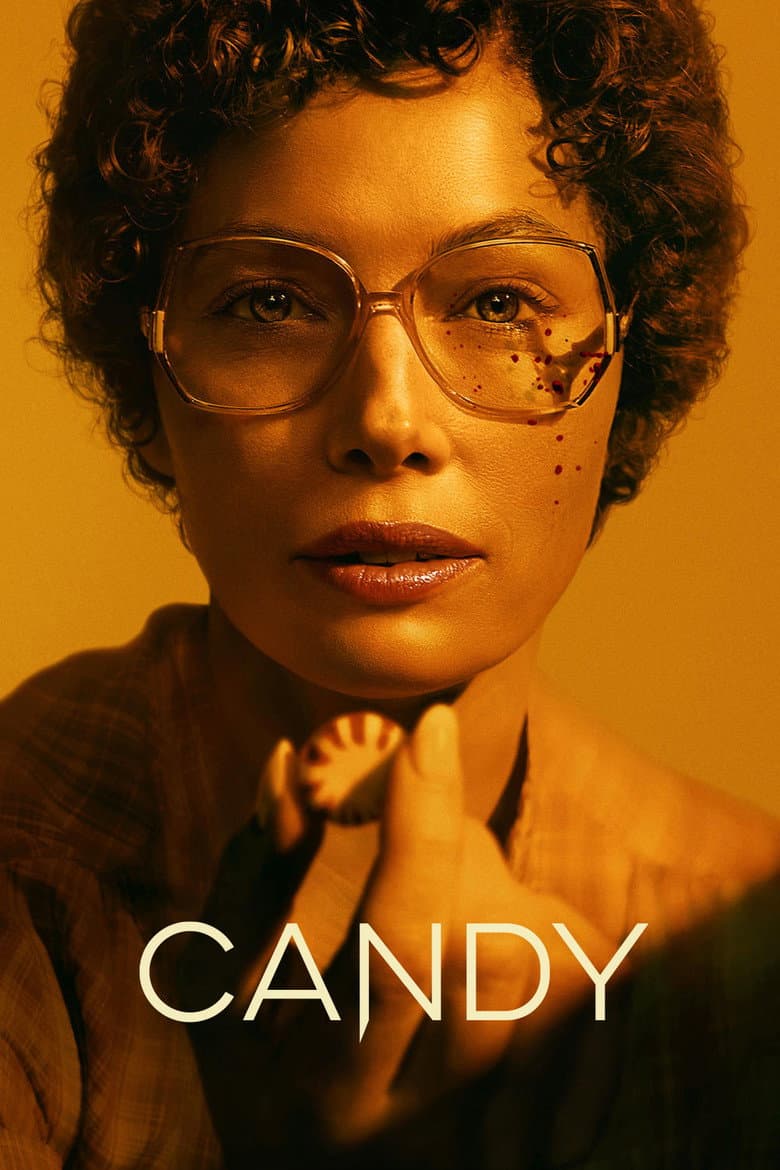
Started May 9, 2022 · Ended · Based on 1 season, 5 episodes through May 13, 2022 · TV-MA · 54 min
Candy Montgomery lives in Wylie, Texas, in 1980, with her husband and two children. She looks like a cheerful church member and a perfect neighbor, but she feels bored and trapped by daily housework and marriage. She starts an affair with Allan Gore, the husband of her friend Betty, and Betty later confronts her. Betty dies after a violent fight with an ax, and the five episodes follow the police case, the trial, and Candy’s claim of self-defense. The tone is dark, tense, and sometimes strangely funny.
The show makes women’s anger and the pressure to act like a happy wife its main social theme. Candy and Betty both struggle with a life built around husbands, children, church, and a spotless home. Candy seeks freedom through sex and control, while Betty’s loneliness, fear, and anger show another result of the same pressure. The story keeps asking how much of Candy’s rage came from that life, but it also shows the harm caused by the affair and the murder. This theme runs through the season without turning Candy into a simple hero.
Community feedback
Was our 39% Woke rating accurate?
Breakdown
These are the editorial factors and ratings behind our score for Candy.
Woke representation / casting
The main families and most of the town group are white, but the show gives two important roles to actors who add visible racial diversity. Selena Anduze plays Jackie Ponder, a black female pastor and close friend, while Raúl Esparza plays defense lawyer Don Crowder in all five episodes. Neither character’s race is tied to a backstory or plot need, and the show does not explain the choices as identity matching. Jackie is based on a real pastor, so the score stays below a broad diversity-first casting pattern.
26%
Woke political dialogue
Not present. The characters talk about marriage, sex, children, church, and the murder. The show does not give a sustained speech about DEI, identity politics, or a current political cause.
0%
Identity-driven story themes
The show repeatedly treats female rage and the pressure to perform a happy wife as central ideas. Candy feels boxed in by marriage, children, church life, and housework, while Betty shows another result of the same pressure. The five episodes keep returning to women being judged by how pleasant and useful they appear. The story also holds Candy responsible for choosing an affair and killing Betty, so it is not a simple empowerment tale.
45%
Western institutional / cultural critique
The series presents the 1980 housewife role as a narrow social rule built around a husband, children, church, and a clean home. It links Candy’s boredom and Betty’s anger to that rule across several episodes. The men are often absent or emotionally distant, but the show also shows the women’s bad choices and does not attack Christianity or the church as institutions. The critique stays tied to this period setting instead of becoming a current political campaign.
32%
Woke character or canon changes
Not relevant. The series dramatizes a real murder case and changes some details for a five-episode story. No change is presented as a race, gender, sexuality, or DEI statement.
0%
Anti-woke backlash and complaints
Not present. The X research pass found no anti-woke reaction. News and viewer posts discussed acting, the true crime case, and Betty’s portrayal, not a claim that the show pushes DEI or identity politics.
0%
Creator track record context
Robin Veith and Nick Antosca have little public activist profile. David Matthews has a stronger pattern of work about race and identity, while Lisa Albert and Michelle Purple have discussed strong female voices. Jessica Biel has supported health care for women, but her comments about this show focus on understanding Candy’s rage. The wider team gives mild supporting context, but it is not known for strong political activism.
23%
Production
TV Show · 2019
Gypsy Blanchard struggles to deal with the toxic relationship with her overprotective mother, but her attempts to free herself lead to murder.
TV Show · 2020
New Orleans judge Michael Desiato is forced to confront his own deepest convictions when his son is involved in a hit and run that embroils an organized crime family.
TV Show · 2021
A world-famous comedian desperately searches for a way out after a night in Philadelphia with his brother threatens to sabotage more than his success.

TV Show · 2023
Candy and Pat Montgomery and Betty and Allan Gore — two churchgoing couples — enjoy their small town Texas life... until an extramarital affair leads somebody to pick up an axe.

TV Show · 2021
The remarkable story of how murderer Charles Sobhraj was captured. As the chief suspect in unsolved murders of young Western travellers across India, Thailand and Nepal’s ‘Hippie…
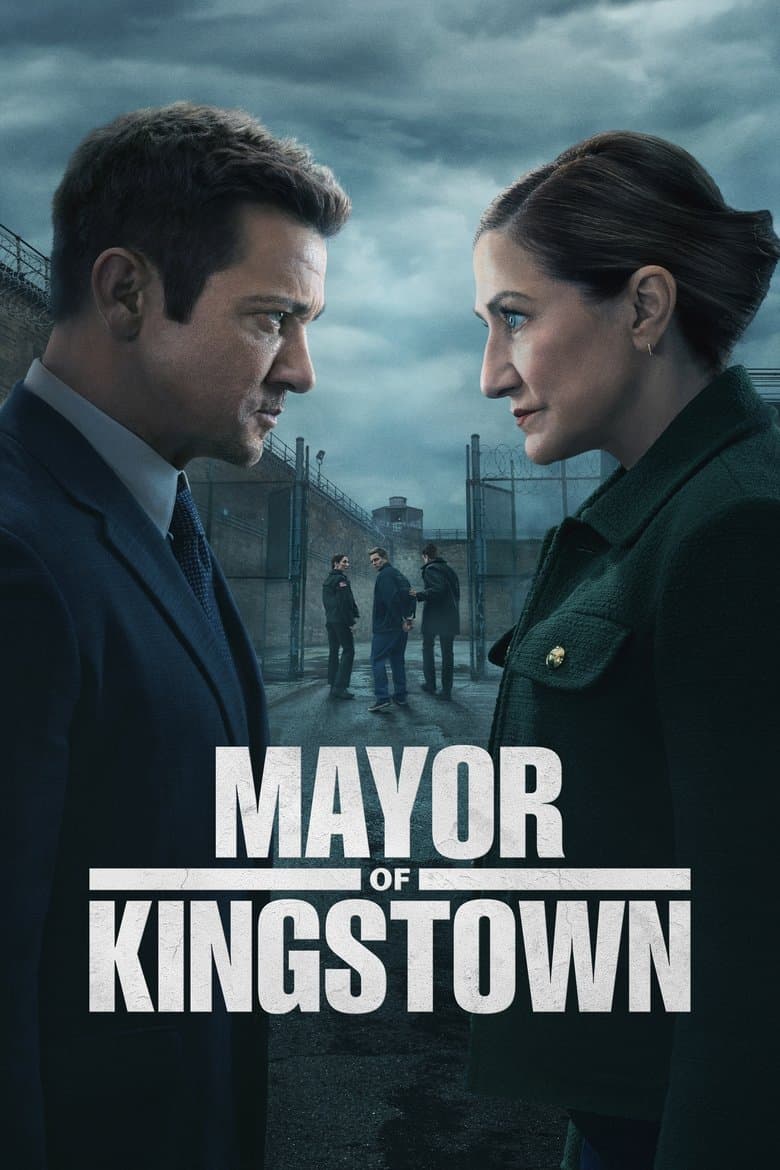
TV Show · 2021
In a small Michigan town where the business of incarceration is the only thriving industry, the McClusky family are the power brokers between the police, criminals, inmates…

TV Show · 2016
Once a powerful lawyer, Billy McBride is now burned out and washed up, spending more time in a bar than a courtroom.
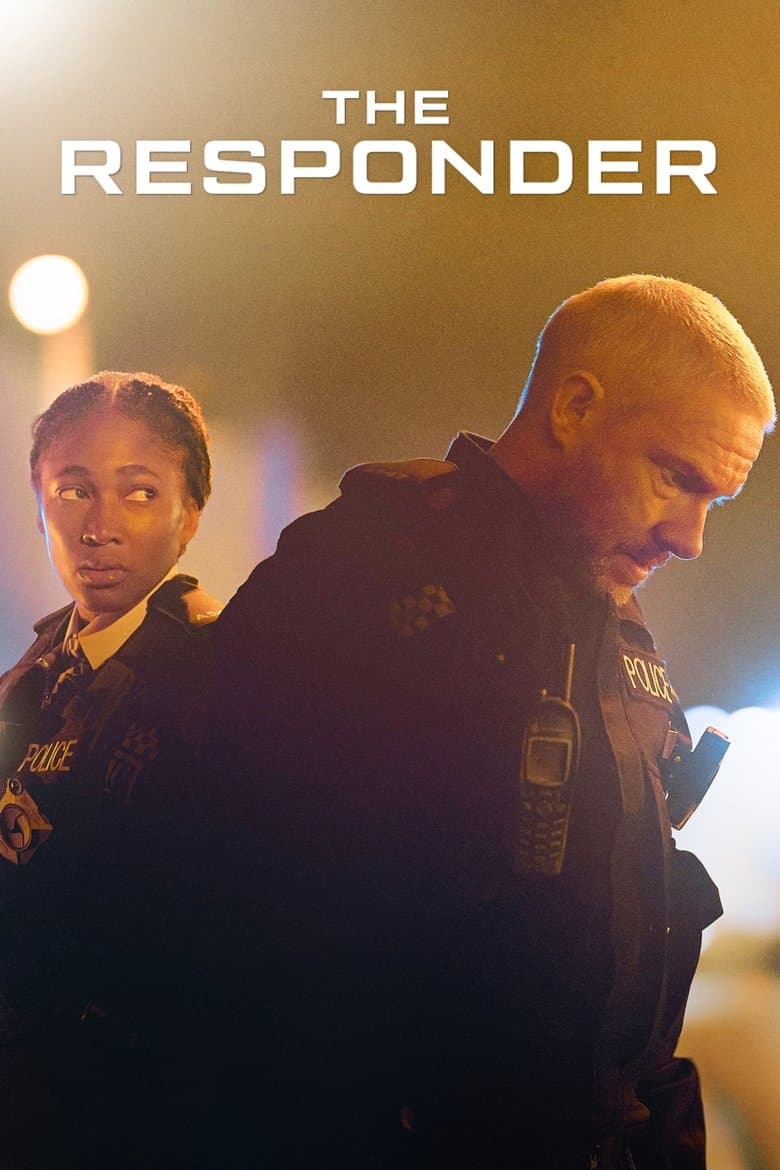
TV Show · 2022
Under pressure, fraying at the edges. In relentless night-time Liverpool, copper Chris is paired with a rookie. Will they save or destroy each other?
