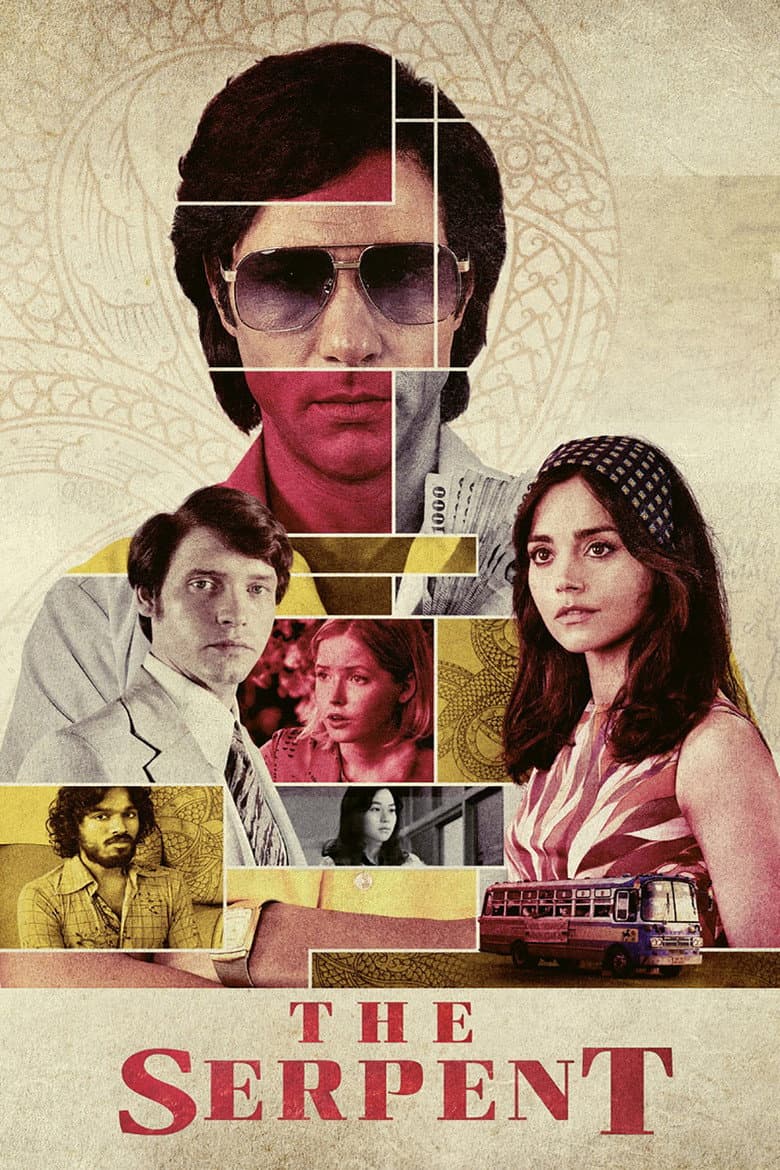
Started January 1, 2021 · Ended · Based on 1 season, 8 episodes through February 14, 2021 · TV-MA
Charles Sobhraj is a clever thief and murderer who uses false names, stolen passports, drugs, and charm to trap young travelers. In 1975 and 1976, he moves through Bangkok, Nepal, India, and other stops on the Hippie Trail with Marie-Andrée Leclerc and Ajay Chowdhury. Dutch diplomat Herman Knippenberg starts looking into the deaths of two travelers and slowly builds a case while his bosses and local officials hold him back. The eight-part drama is dark, tense, and often confusing because it jumps between years and viewpoints. The story gives Charles a small but clear identity thread. He says that his father was Indian, his mother was Vietnamese, and that people in Europe often favored the whitest man for a job. He also calls Western backpacking a form of imperialism and attacks the idea of escaping capitalism, but these lines explain his anger rather than drive a larger activist message. The main focus stays on murder, control, damaged relationships, the failure of officials to act, and Herman’s long fight to bring Charles to justice.
Community feedback
Was our 20% Woke rating accurate?
Breakdown
These are the editorial factors and ratings behind our score for The Serpent.
Woke representation / casting
Tahar Rahim, a French-Algerian actor, plays Charles Sobhraj, a real man with an Indian father and Vietnamese mother. That gives the central role a visible ethnicity mismatch, even though Rahim shares the character’s French background and mixed identity. The other main roles follow the real international group, and the show does not sell the casting as a diversity or empowerment statement.
18%
Woke political dialogue
Charles says that people in Europe choose the whitest man for a job, and he links this to his father’s experience. Charles also calls Western backpacking another form of imperialism and mocks the wish to escape capitalism. These ideas appear in several episodes, but they mainly explain his anger and do not become a modern activist program.
21%
Identity-driven story themes
Charles’s mixed Indian, Vietnamese, and French identity is part of his story. The show connects his anger toward Western travelers with his claim that Europe treated people like him unfairly. The series uses this as background for a violent criminal, while the main story stays focused on murder, control, and the investigation.
15%
Western institutional / cultural critique
Not present. The show depicts police, diplomats, and embassy bosses as slow, self-protective, or corrupt in parts of the crime case. That conflict serves the 1970s manhunt and does not become a modern attack on Western culture, family life, Christianity, or men as a group.
0%
Woke character or canon changes
Not relevant. The show changes some details of real events and gives Nadine a large role in helping Dominique escape. Those changes support the crime plot and are not shown as identity-driven or DEI changes.
0%
Anti-woke backlash and complaints
The supplied X pass found only fringe anti-woke reaction from a few small or anonymous accounts. One viewer praised the mini-series as well made and called it “not bloody #woke,” which is a weak anti-woke signal rather than a claim that the show pushes woke content. No sizable campaign or major news complaint was found.
4%
Creator track record context
The stored creator scores are low: Warlow 10, Finlay 0, Shankland 19, Herbots 3, and Smallwood 13. Their summaries show crime, drama, and literary work, with only limited women-centered or environmental signals. No strong activist, DEI, queer, or identity-politics pattern appears in the stored context.
9%
Production

TV Show · 2017
Detective John Cardinal attempts to uncover the mystery of what happened to the missing 13-year-old girl whose body is discovered in the shaft-head of an abandoned mine.
TV Show · 2022
Bosch is now making a living as a private investigator two years after he quit the LAPD and finds himself working with one time enemy and top-notch attorney Honey “Money”…
TV Show · 2022
New York mafia capo Dwight "The General" Manfredi is released from prison after 25 years and exiled by his boss to set up shop in Tulsa, Oklahoma.
TV Show · 2019
Loosely based on infamous crime boss Bumpy Johnson, who in the early 1960s returned from ten years in prison to find the neighborhood he once ruled in shambles.

TV Show · 2026
Ben Reilly, an aging and down on his luck private investigator in 1930s New York, is forced to grapple with his past life as the city's one and only superhero.
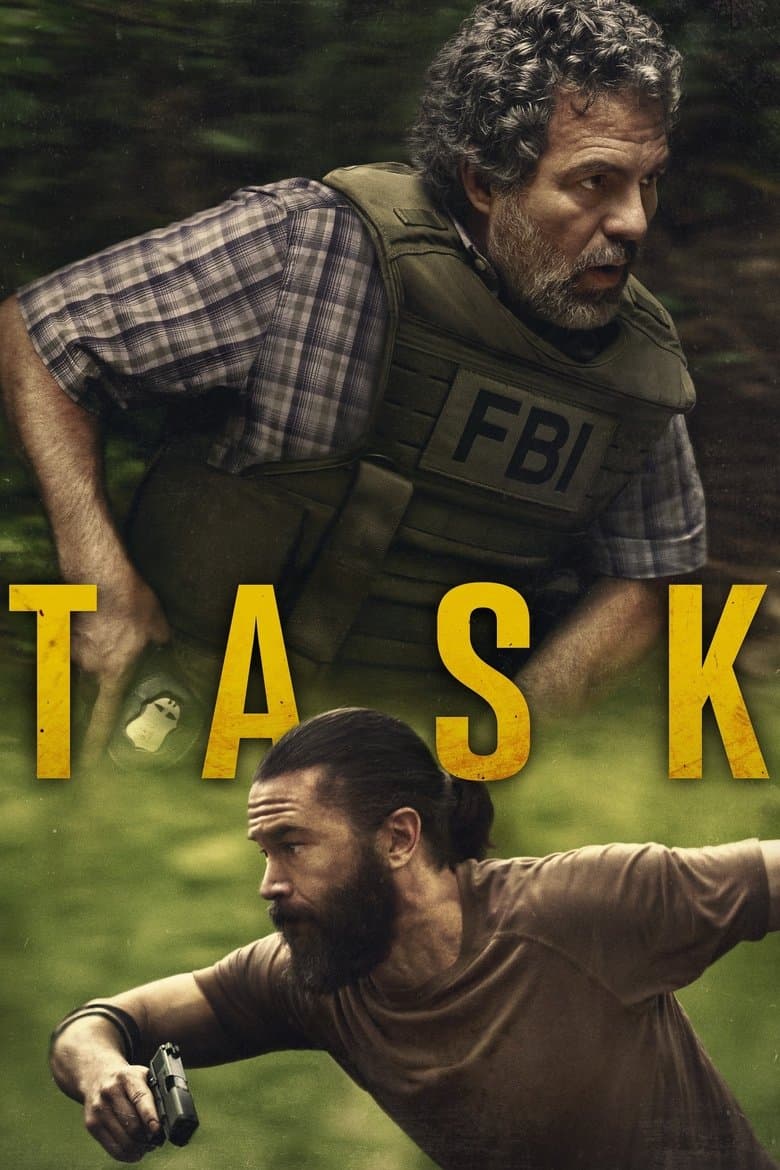
TV Show · 2025
In the working-class suburbs of Philadelphia, an FBI agent heads a task force assembled to put an end to a string of violent robberies led by an unsuspecting family man.

TV Show · 2025
When a prison transport plane crashes in the remote Alaskan wilderness—freeing dozens of violent inmates—the region's lone marshal must protect the town he's vowed to keep safe.
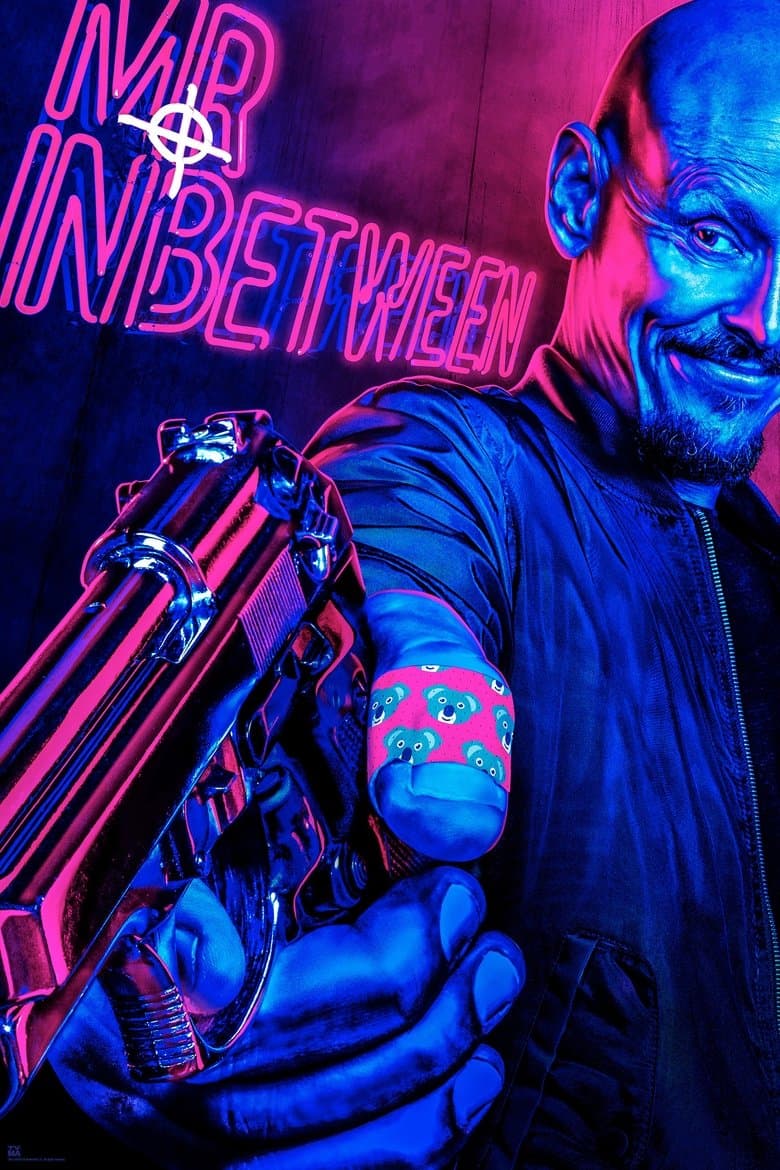
TV Show · 2018
Ray Shoesmith is a father, ex-husband, boyfriend and best friend: tough roles to juggle in the modern age. Even harder when you’re a criminal for hire.
