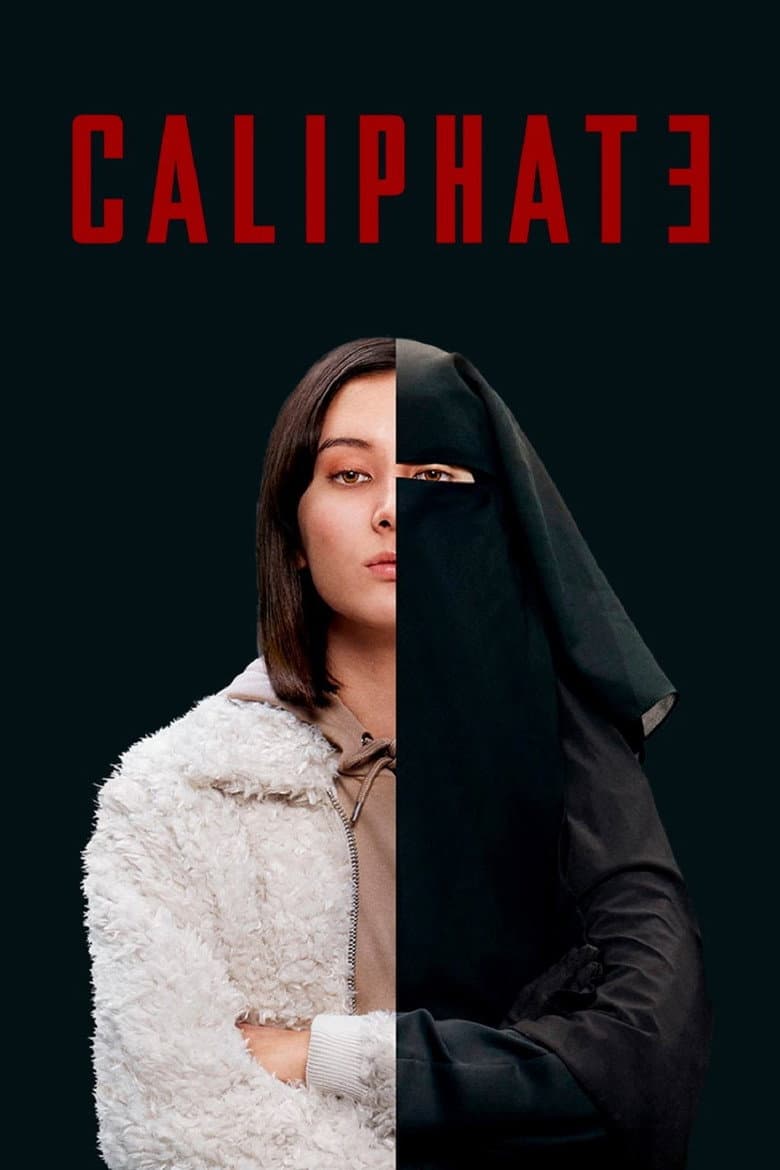
Started January 12, 2020 · Ended · Based on 1 season, 8 episodes through February 9, 2020 · TV-MA · 45 min · Swedish
Caliphate is an eight-part Swedish thriller set in Stockholm and Raqqa in 2015. Fatima is a Swedish security agent whose career has stalled after a serious mistake. Pervin is a Swedish woman trapped in Raqqa with her baby and her husband, who serves ISIS. Fatima needs Pervin to spy on the group while Sulle, a 15-year-old student in Stockholm, is drawn toward the same movement. The story moves between family life, police work, and the threat of attacks, and its tone stays tense, bleak, and violent.
The show gives most of its main story to women and follows their fear, choices, and struggle to escape control. Sulle talks about racism, Palestine, and the idea that Muslims cannot succeed in Sweden, while ISIS recruiters turn those complaints into a path toward violence. The series also shows forced marriage, strict religious rules, abuse, and the loss of freedom inside ISIS territory. Fatima's work exposes failures inside the security service, but the story still treats the planned attacks and the extremist message as dangers that must be stopped.
Community feedback
Was our 42% Woke rating accurate?
Breakdown
These are the editorial factors and ratings behind our score for Caliphate.
Woke representation / casting
The show puts women at the center of nearly every major storyline. Fatima is a female security agent, while Pervin, Sulle, Kerima, Miryam, and Lisha carry the family and radicalization plots. Several leads come from Swedish Muslim or immigrant families, a choice linked directly to the show's radicalization plot. The female focus is clear, but the series does not frame its casting as a wider diversity campaign.
34%
Woke political dialogue
Sulle repeatedly says Sweden is racist, that Muslims cannot get important jobs, and that Israel is committing genocide. Other dialogue says Europe is full of Islam haters and that Swedish law or police work rejects true Muslims. The show also gives parents, police, and other characters answers that challenge those claims. These lines recur through the early radicalization story and appear again when Sulle is questioned. The story presents much of this language as recruiter-fed or mistaken, not as a final answer.
42%
Identity-driven story themes
The main story is about Muslim teenagers who feel shut out of Swedish life and are pulled toward ISIS by promises of belonging and purpose. Pervin's escape, forced marriage, and fear for her child make control over women a continuing theme. Fatima's work adds questions about trust, state power, and whether institutions protect people in time. The show uses identity and social exclusion as parts of the radicalization story, but it presents ISIS as destructive rather than admirable.
48%
Western institutional / cultural critique
Sulle accuses Sweden of racism and says Muslims must hide who they are to get jobs or join the police. The show also depicts school staff, social workers, police, and security bosses as slow, careless, or secretive. Family conflict presents forced marriage and male control under ISIS as destructive. The story still shows Swedish institutions stopping attacks, so the criticism is limited and tied to the thriller.
27%
Woke character or canon changes
Not relevant. The show uses fictional characters and is loosely inspired by real cases. It does not change a known character or real historical figure.
0%
Anti-woke backlash and complaints
Not present. The public debate focused on Islamophobia, Muslim representation, authenticity, and whether the show softened jihadist violence. The supplied X research found no anti-woke complaints, while a few right-leaning accounts praised the show as not woke.
0%
Creator track record context
Not present. The cached creator context describes crime, thriller, war, migration, and conflict work. It shows no sustained activist, DEI, partisan, or identity-politics track record for the key creators.
0%
Production
TV Show · 2020
A wary CIA officer investigates a charismatic man who sparks a spiritual movement and stirs political unrest. Who exactly is he? And what does he want?
TV Show · 2019
The true story of one of the worst man-made catastrophes in history: the catastrophic nuclear accident at Chernobyl.
TV Show · 2024
The powerful real-life story of Lali Sokolov, a Jewish prisoner who was tasked with tattooing ID numbers on prisoners' arms in the Auschwitz-Birkenau concentration camp during…
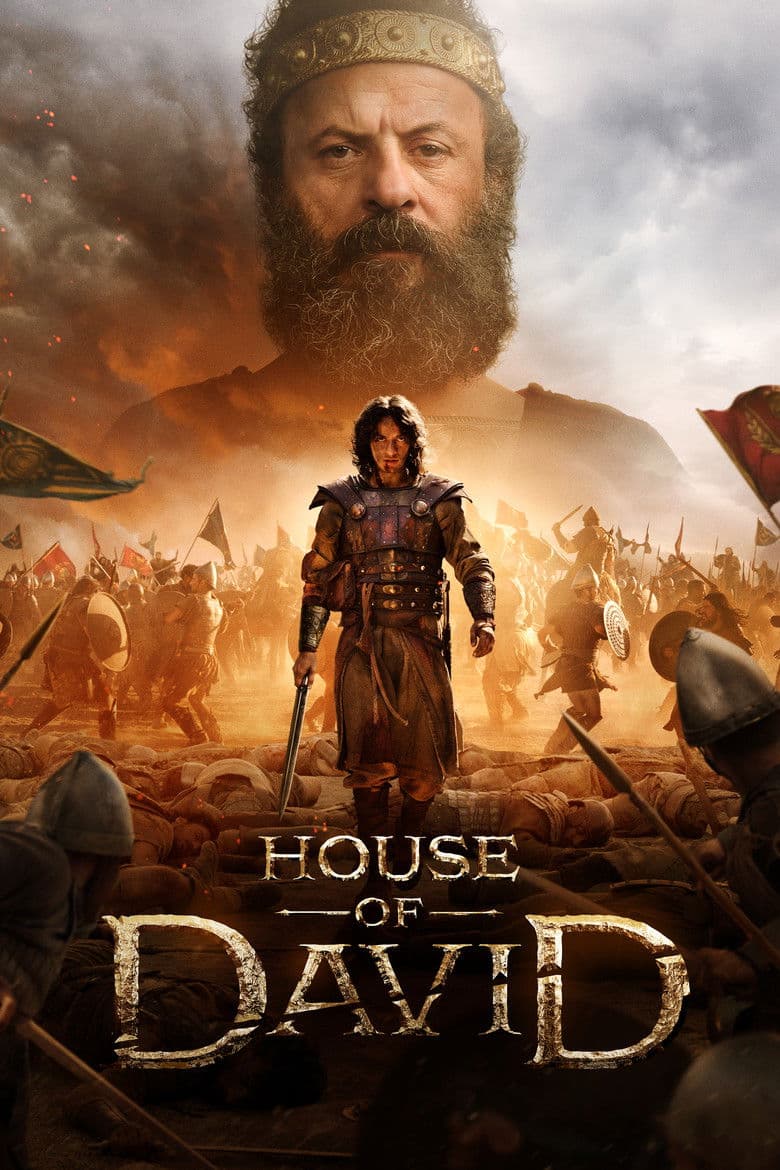
TV Show · 2025
Tells the story of the ascent of the biblical figure, David, who becomes the most celebrated king of Israel. The series follows the once-mighty King Saul as he falls victim to his…

TV Show · 2026
The Clyburns uproot their comfortable New York City lives to the wild, untamed beauty of Montana's Madison River Valley on a search for connection.
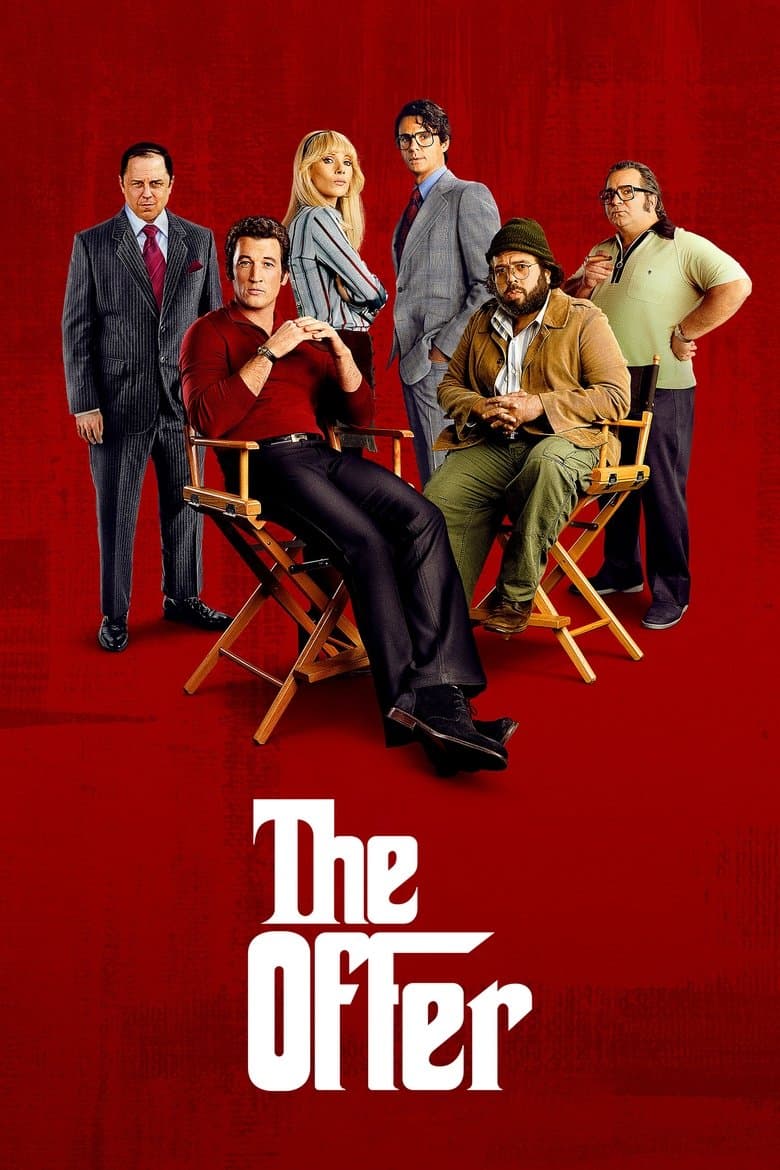
TV Show · 2022
Oscar-winning producer Al Ruddy’s never before revealed experiences of making the iconic 1972 film The Godfather that Francis Ford Coppola directed and adapted with Mario Puzo.
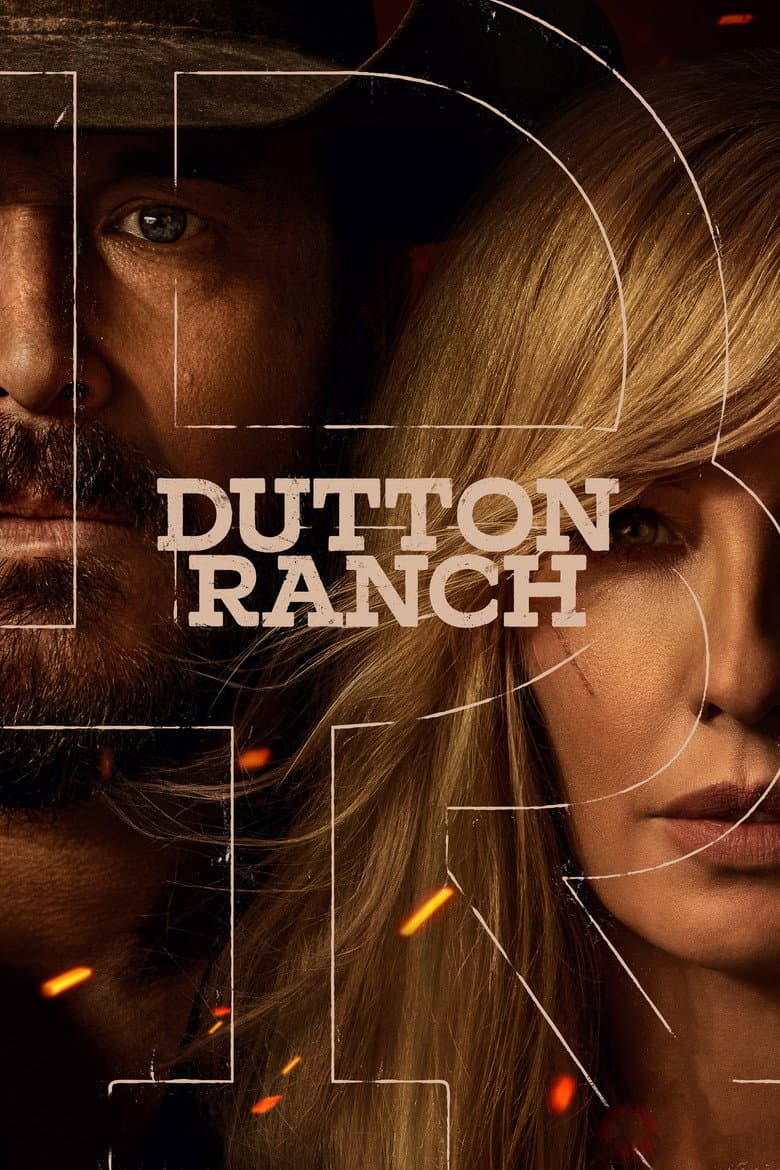
TV Show · 2026
Rip Wheeler and Beth Dutton gamble everything on a new life in South Texas, but the promise of building a future far from the ghosts of Yellowstone quickly collides with brutal…
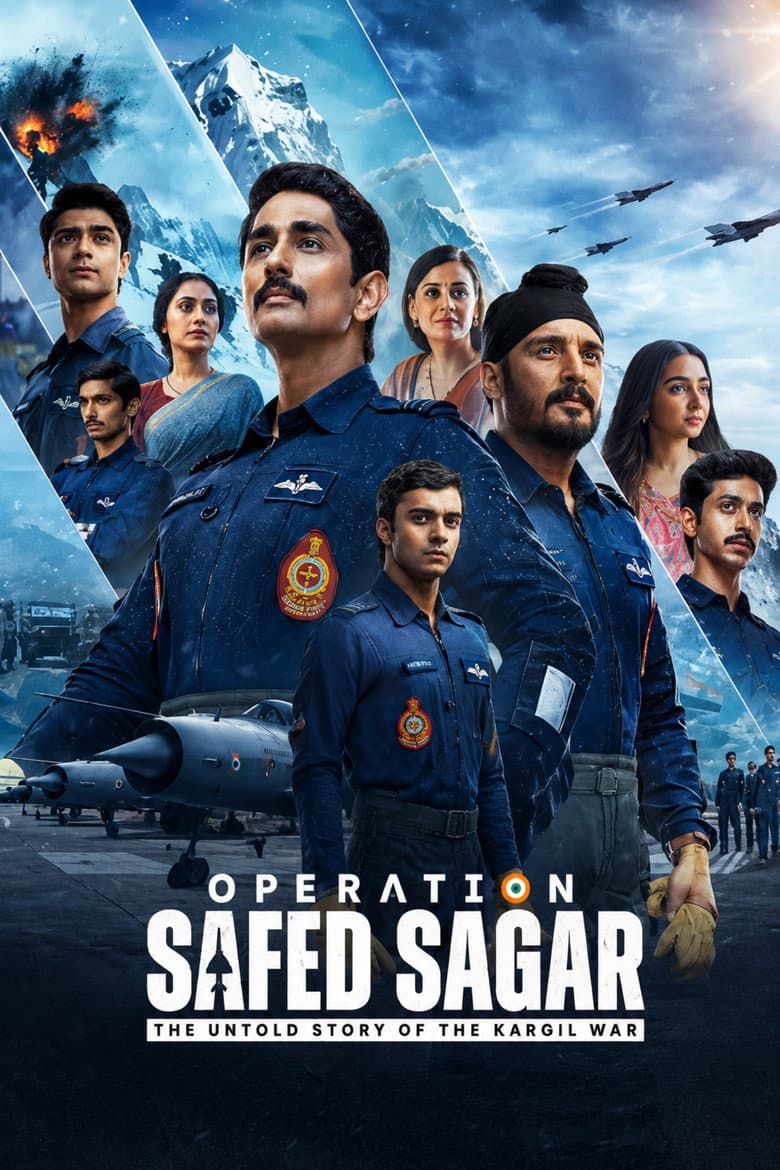
TV Show · 2026
As the Kargil War erupts between India and Pakistan, the Golden Arrows squadron of the Air Force takes flight on a dangerous mission behind enemy lines.
