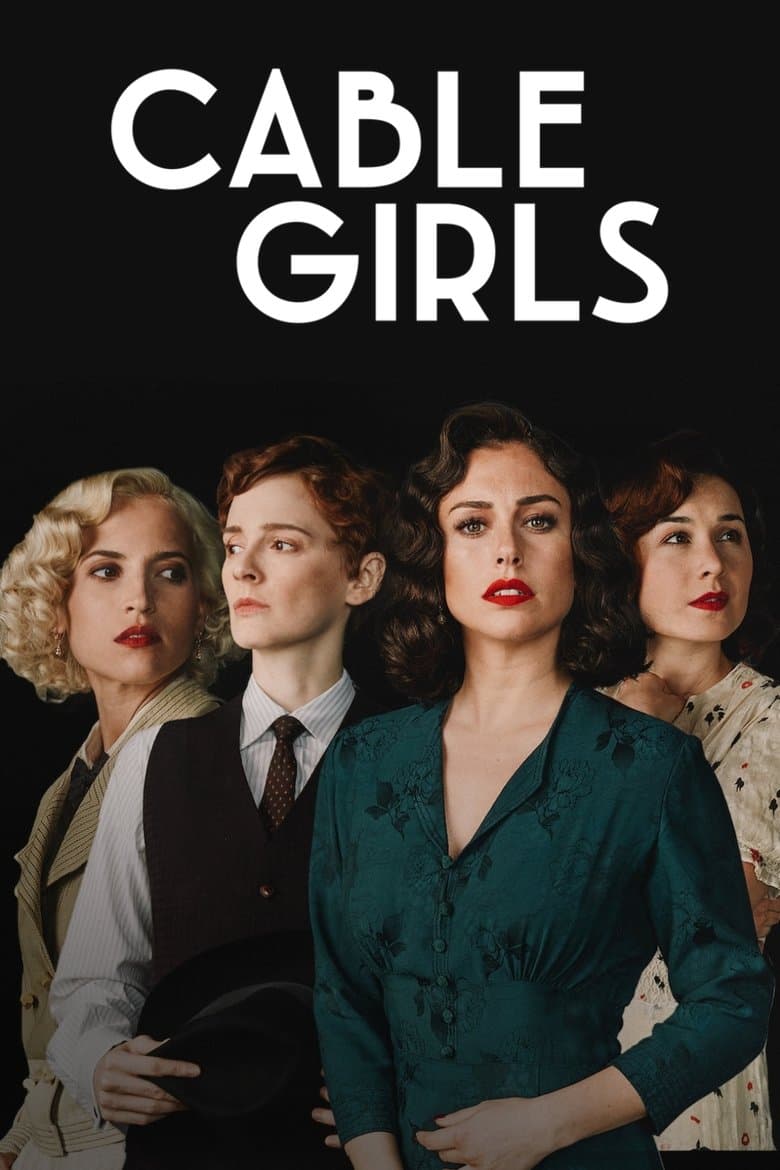
Started April 28, 2017 · Ended · Based on 5 seasons, 42 episodes through July 3, 2020 · TV-MA · 50 min · Spanish
Cable Girls follows Lidia, a clever woman hiding a criminal past, as she takes a job at Madrid's new national telephone company in the late 1920s. She joins Carlota, Marga, and Ángeles, and the four women build a close friendship while facing romance, family pressure, violence, and dangerous work. The story moves from the late 1920s through a republican government, the Civil War, and Franco's rule. Its tone mixes glossy romance, crime twists, workplace drama, and tearful melodrama.
The show makes women's freedom a main subject across all five seasons. The women seek jobs, equal education, divorce, public office, and control over their relationships, while male abuse and old gender rules are usually shown as problems to defeat. Sara's relationship with Carlota develops into Sara living as Óscar, a trans man, and the series returns to his identity, their love, forced treatment, and the danger of hiding. The final season places the group in a women's reeducation prison and shows rights and jobs being taken away under Franco, so feminist and queer themes are central rather than brief side stories.
Community feedback
Was our 86% Woke rating accurate?
Breakdown
These are the editorial factors and ratings behind our score for Cable Girls.
Woke representation / casting
The four lead roles are women in a workplace built around female telephone operators, so the basic group fits the setting. The show also makes Sara's change into Óscar a continuing lead identity story, played by Ana Polvorosa. Carlota becomes a mayoral candidate, and Marga becomes the company's first woman accountant. The repeated female-led pattern and the public framing as a pioneering female production make representation a clear choice, though the cast is mostly Spanish and the job setting gives the women a story reason.
42%
Woke political dialogue
The show gives Carlota a campaign speech about equal education, work, divorce, and more rights. Sara's doctor calls her desire for Carlota a deviation, and Carlota rejects the idea that she needs to be cured. Characters return to women's rights, freedom, work, sexual relationships, and equality in several seasons. Season three uses radio to fight for equality, while season five speaks of rights lost under Franco. The dialogue is recurring and clear, but it is not the subject of every episode.
55%
Identity-driven story themes
The series repeatedly centers women who break family, workplace, marriage, and political limits. Carlota seeks public office and equal rights, while Lidia, Marga, and Ángeles build careers and resist abuse. Sara's relationship with Carlota develops into Sara living as Óscar, a trans man, and the story covers same-sex love, forced treatment, public identity, and hiding. These themes continue into the final season, where the regime targets women's work and Óscar's identity. Feminist and queer themes are a major part of the full story.
78%
Western institutional / cultural critique
The show presents male control, domestic abuse, sexual blackmail, workplace limits, and unequal laws as problems to defeat. It treats old family and work rules as unfair and repeatedly makes female friendship and resistance the answer. Carlota's campaign, Ángeles' teaching work, and the women's prison story criticize institutions that deny women freedom. The Civil War and Franco's repression are historical events, but the show links them to repeated messages about equality, freedom, and women's rights.
62%
Woke character or canon changes
Not relevant. The show uses fictional characters in a real historical setting, not established characters or historical figures whose identities were changed.
0%
Anti-woke backlash and complaints
A viral X post claimed that the show shifts from a 1930s Madrid drama to trans rights and feminism, and called it streaming propaganda. Replies called the queer turn unrealistic for 1930s Spain and said the lesbian wedding and trans story were added to get woke points. Searchable audience reviews also used anti-feminist and gender-ideology language, but those comments were isolated. There was no boycott, review-bombing, or organized campaign, and much wider fan reaction praised the queer representation. The evidence supports notable but limited backlash.
48%
Creator track record context
Cached context gives Gema R. Neira a score of 58 and Teresa Fernández-Valdés a score of 64, based on repeated women-centered work and public support for female models in television. Ramón Campos has a cached score of 24 and a more commercial record with little public activist identity. Interviews tied to this show call it a pioneering female series and stress its LGBTQ and trans stories. The combined context supports a moderate creator signal, but it is not a partisan or single-issue brand.
55%
Production
TV Show · 2019
In the early 1990s in New York, during the height of the crack cocaine epidemic, a visionary musician named Bobby Diggs aka The RZA begins to form a super group of a dozen young…
TV Show · 2023
The story of Bass Reeves, the legendary lawman of the wild West, is brought to life. Reeves worked in the post-Reconstruction era as a federal peace officer in the Indian…
TV Show · 2026
Rip Wheeler and Beth Dutton gamble everything on a new life in South Texas, but the promise of building a future far from the ghosts of Yellowstone quickly collides with brutal…
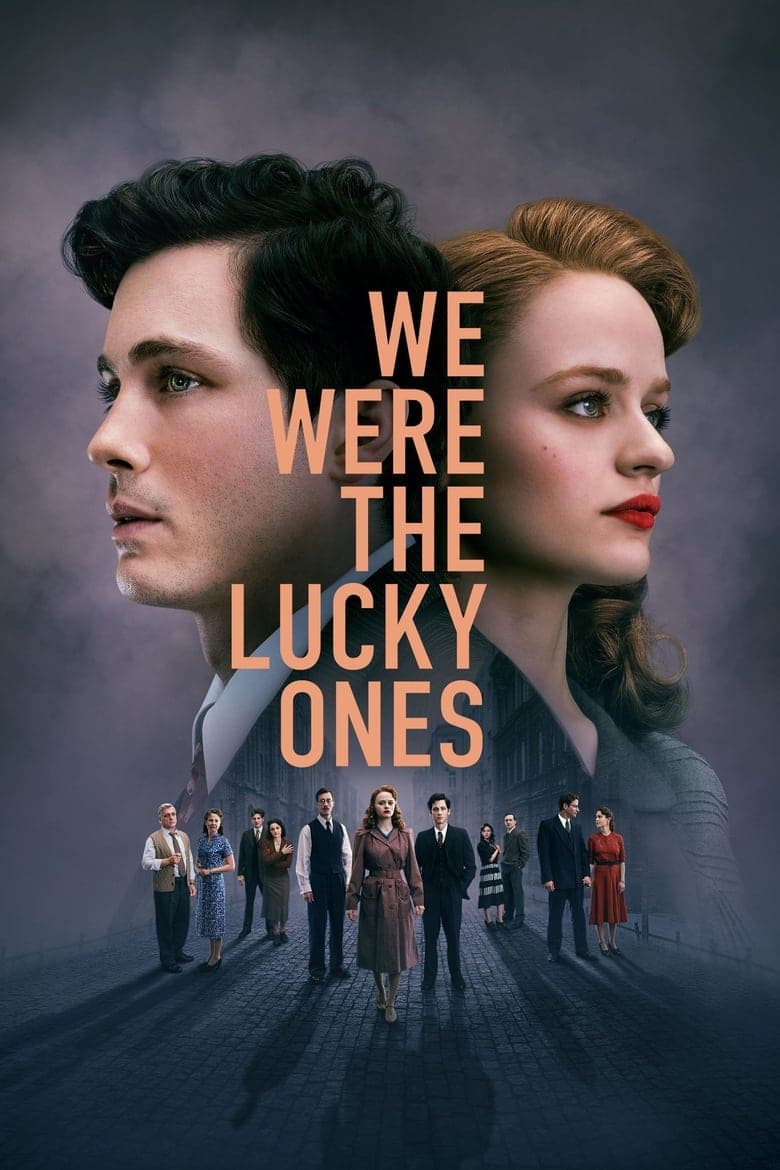
TV Show · 2024
The true story of one Jewish family separated at the start of World War II, determined to survive—and to reunite.

TV Show · 2022
This sweeping saga chronicles the hopes and dreams of a Korean immigrant family across four generations as they leave their homeland in an indomitable quest to survive and thrive.
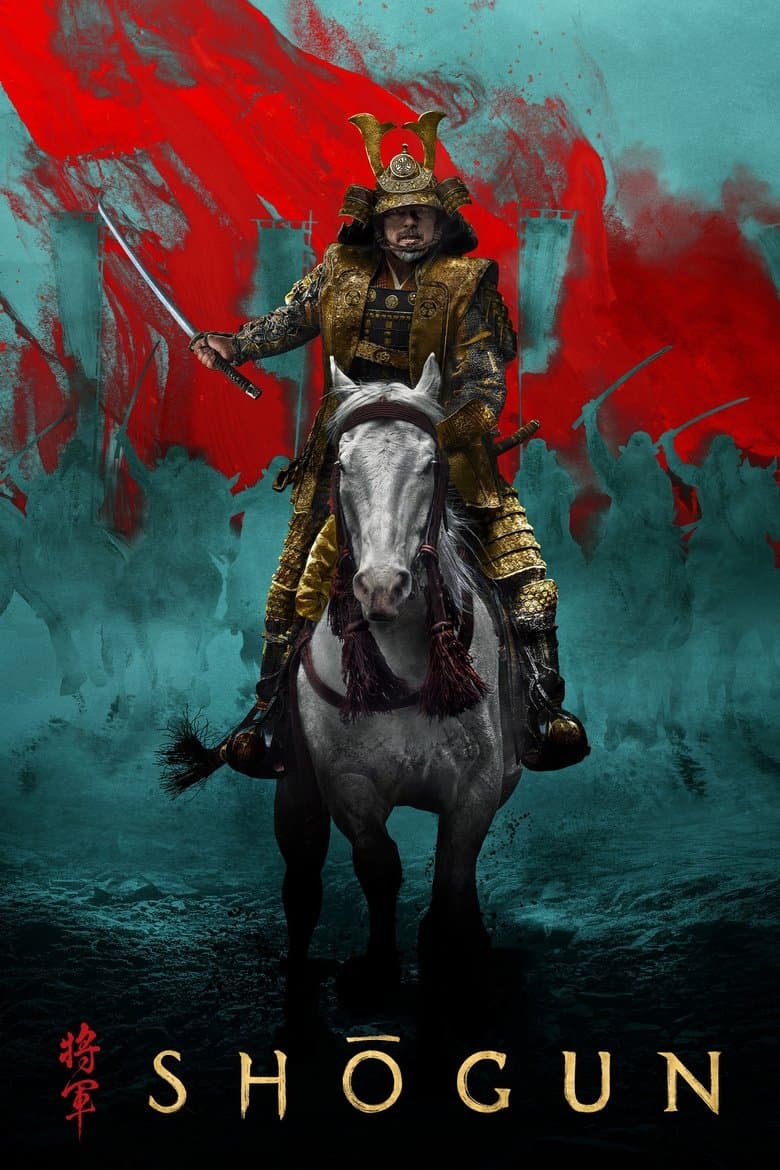
TV Show · 2024
In Japan in the year 1600, at the dawn of a century-defining civil war, Lord Yoshii Toranaga is fighting for his life as his enemies on the Council of Regents unite against him…
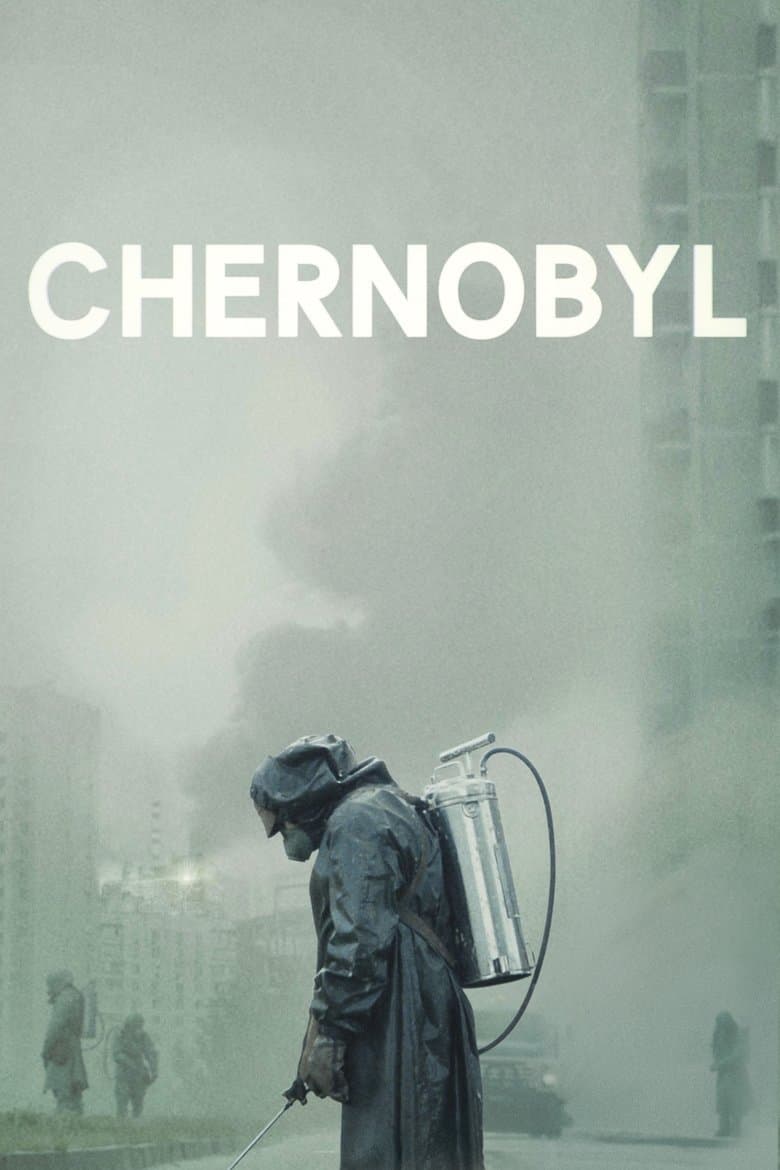
TV Show · 2019
The true story of one of the worst man-made catastrophes in history: the catastrophic nuclear accident at Chernobyl.
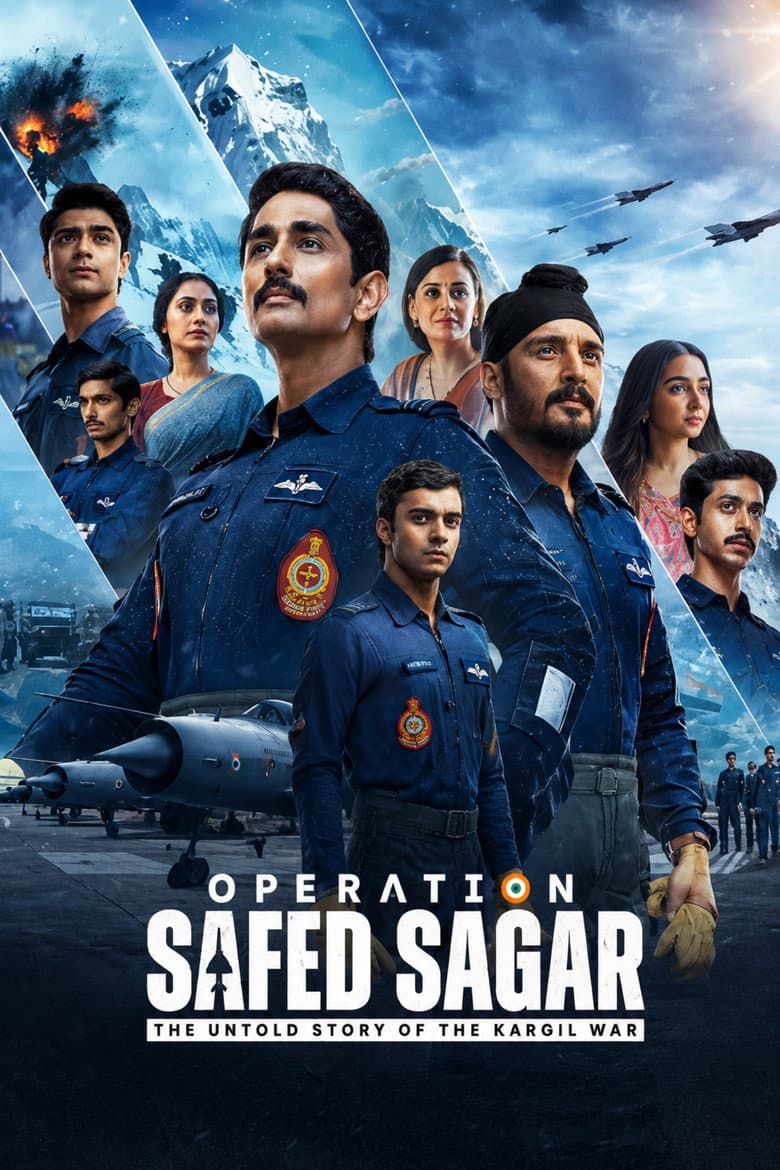
TV Show · 2026
As the Kargil War erupts between India and Pakistan, the Golden Arrows squadron of the Air Force takes flight on a dangerous mission behind enemy lines.
