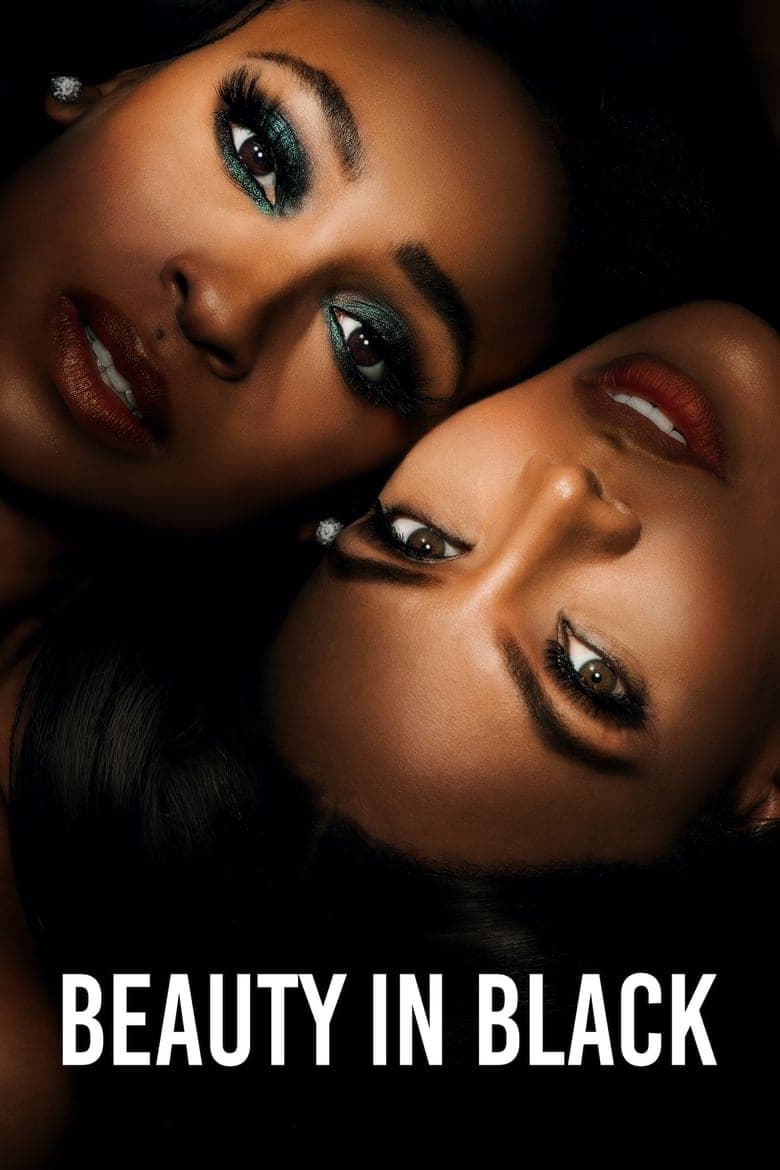
Started October 24, 2024 · Returning Series · Based on 2 seasons, 32 episodes through March 19, 2026 · TV-MA
Beauty in Black follows Kimmie, a young woman who is pushed out of her home and works as a stripper in Chicago. She hopes a scholarship from the Bellarie hair-care company will help her escape, but the family business is tied to a violent club, forced sex work, blackmail, and human trafficking. Kimmie becomes trapped between Jules, who controls the club, and Mallory, a rich businesswoman trapped in the Bellarie family’s own fights. Across two seasons, the show uses a loud, grim, and highly sexual soap-opera tone as Kimmie turns from a frightened survivor into a powerful company leader.
The clearest woke elements are the show’s strong focus on Black beauty and black women gaining power. Kimmie and Mallory become the main decision-makers in a business ruled by a wealthy family, while many men are shown as abusive, dishonest, weak, or driven by selfish wants. The show also gives repeated, visible space to queer storylines: Charles hides his relationship with lawyer Varney, Angel has sex with male clients for money, and Horace explores attraction to men. These themes matter because Kimmie’s rise, the women’s fight for control, and the queer family storylines continue through both seasons, even though crime, sex, and family betrayal remain the main plot.
Community feedback
Was our 50% Woke rating accurate?
Breakdown
These are the editorial factors and ratings behind our score for Beauty in Black.
Woke representation / casting
The main cast is almost entirely Black, with black women Kimmie and Mallory at the center of the business and the story. The show also places a black hair-care company and Black beauty culture at the center of its world. The story makes that identity focus easy for viewers to notice. Kimmie and Mallory become major leaders, while other black characters fill the family, club, and business roles.
26%
Woke political dialogue
Not present. Characters argue about crime, sex work, money, family power, and survival. The show does not build its plot around modern activist political speeches.
0%
Identity-driven story themes
Beauty in Black makes Black beauty and the rise of black women a repeated part of its main story. Kimmie moves from a stripper under male control to the person running the Bellarie company. The show carries queer storylines across both seasons through Charles’s hidden relationship with Varney, Horace’s attraction to Angel, and Varney’s later closeness with Evan. These identity themes are important subplots, but crime, sex, and family betrayal remain the main plot.
48%
Western institutional / cultural critique
Kimmie and Mallory repeatedly take control from men who use money, sex, violence, or family ties to dominate them. Roy, Jules, and other men are often shown as abusive, selfish, or unable to keep control. Season 2 makes the women’s alliance and Kimmie’s leadership a continuing part of the plot. The story targets corrupt family power and male abuse more than Western institutions in general.
38%
Woke character or canon changes
Not relevant. The show is an original story about the Bellarie family and does not change established characters, canon, or real historical events.
0%
Anti-woke backlash and complaints
Small anonymous X accounts called the queer storylines propaganda or an agenda and complained about too many gay scenes. Other posts reacted with shock or moral disgust to same-sex romance and sex on screen. The posts had little engagement and did not form a boycott or review-bombing campaign. The backlash is real but small.
15%
Creator track record context
Tyler Perry carries the main creative voice, and his cached creator score is 52/100. He centers Black talent and Black experiences, has supported Democratic candidates, and has spoken publicly about race and inclusion. He described this series as fiction made to entertain, while his wider record gives moderate context. Tony Strickland and Angi Bones have cached scores of 24/100 each.
52%
Production
TV Show · 2023
The story of Bass Reeves, the legendary lawman of the wild West, is brought to life. Reeves worked in the post-Reconstruction era as a federal peace officer in the Indian…
TV Show · 2024
In Japan in the year 1600, at the dawn of a century-defining civil war, Lord Yoshii Toranaga is fighting for his life as his enemies on the Council of Regents unite against him…
TV Show · 2026
Rip Wheeler and Beth Dutton gamble everything on a new life in South Texas, but the promise of building a future far from the ghosts of Yellowstone quickly collides with brutal…

TV Show · 2026
As the Kargil War erupts between India and Pakistan, the Golden Arrows squadron of the Air Force takes flight on a dangerous mission behind enemy lines.
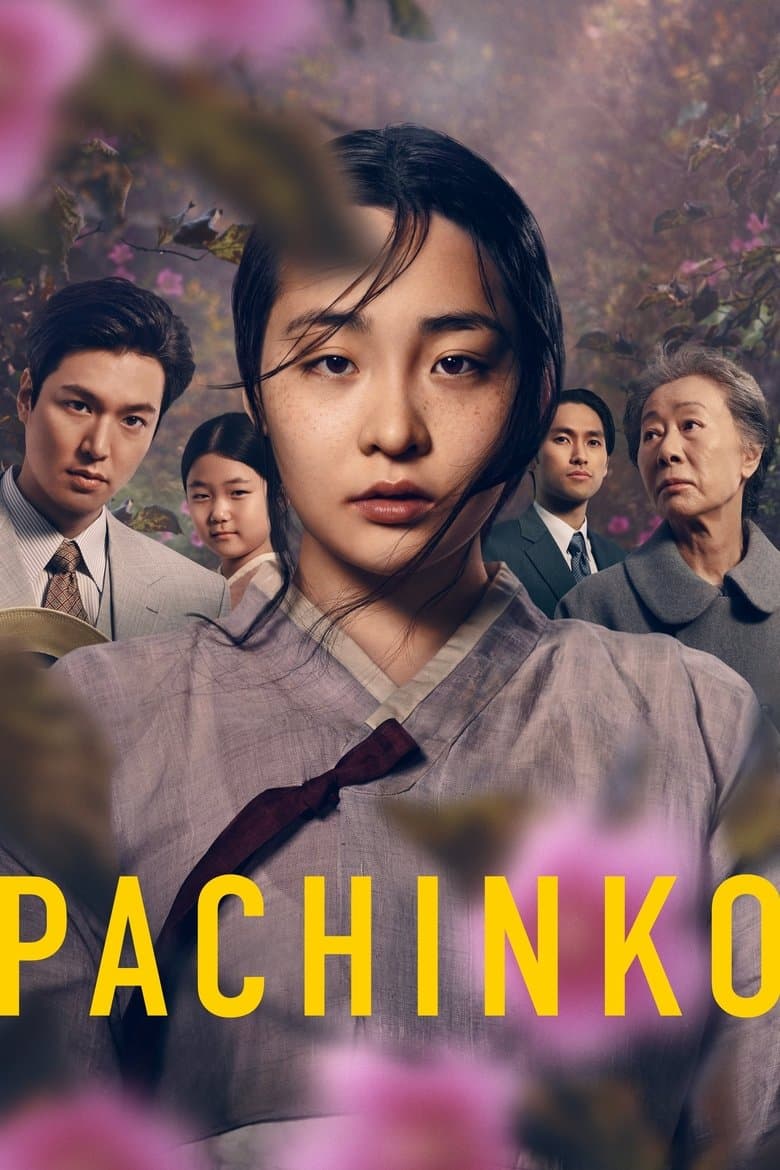
TV Show · 2022
This sweeping saga chronicles the hopes and dreams of a Korean immigrant family across four generations as they leave their homeland in an indomitable quest to survive and thrive.
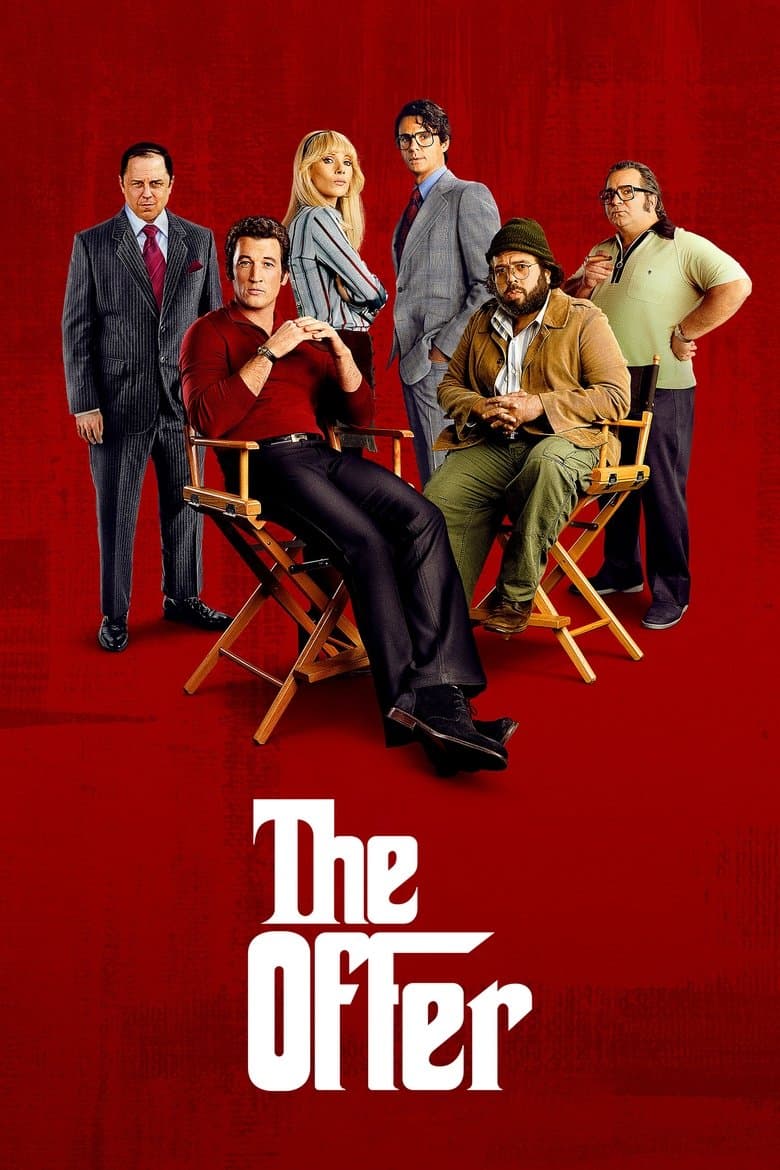
TV Show · 2022
Oscar-winning producer Al Ruddy’s never before revealed experiences of making the iconic 1972 film The Godfather that Francis Ford Coppola directed and adapted with Mario Puzo.
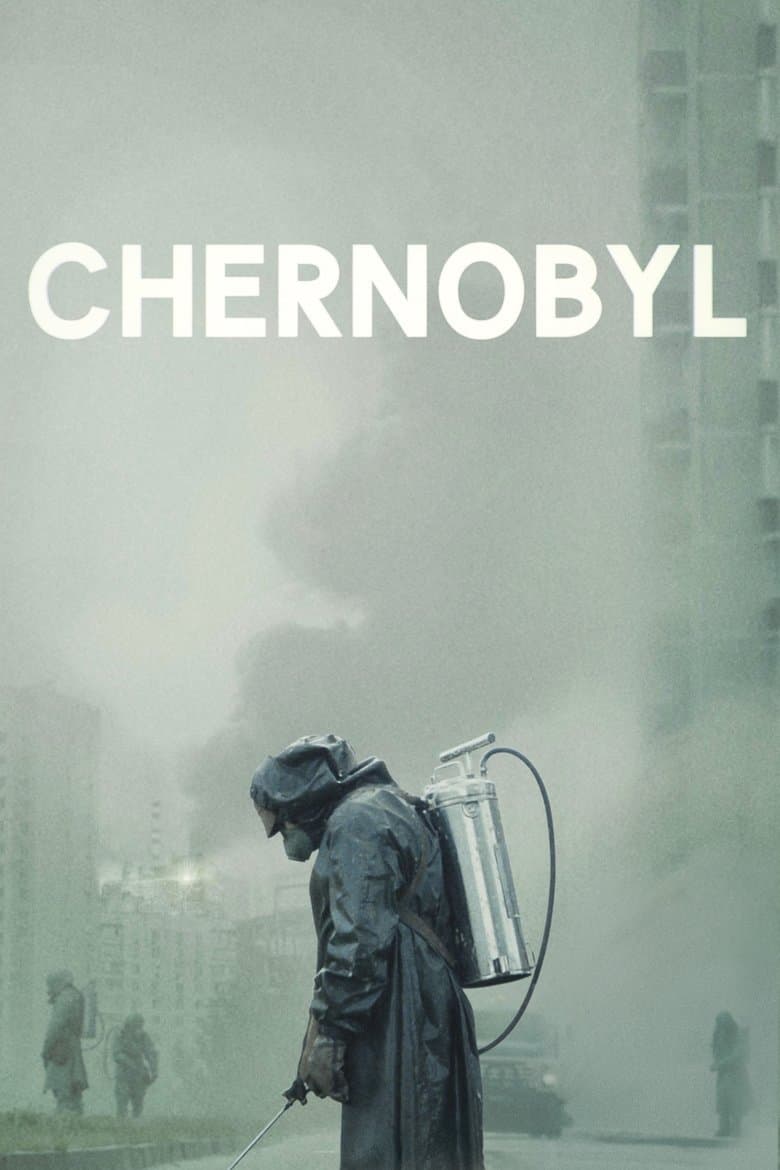
TV Show · 2019
The true story of one of the worst man-made catastrophes in history: the catastrophic nuclear accident at Chernobyl.
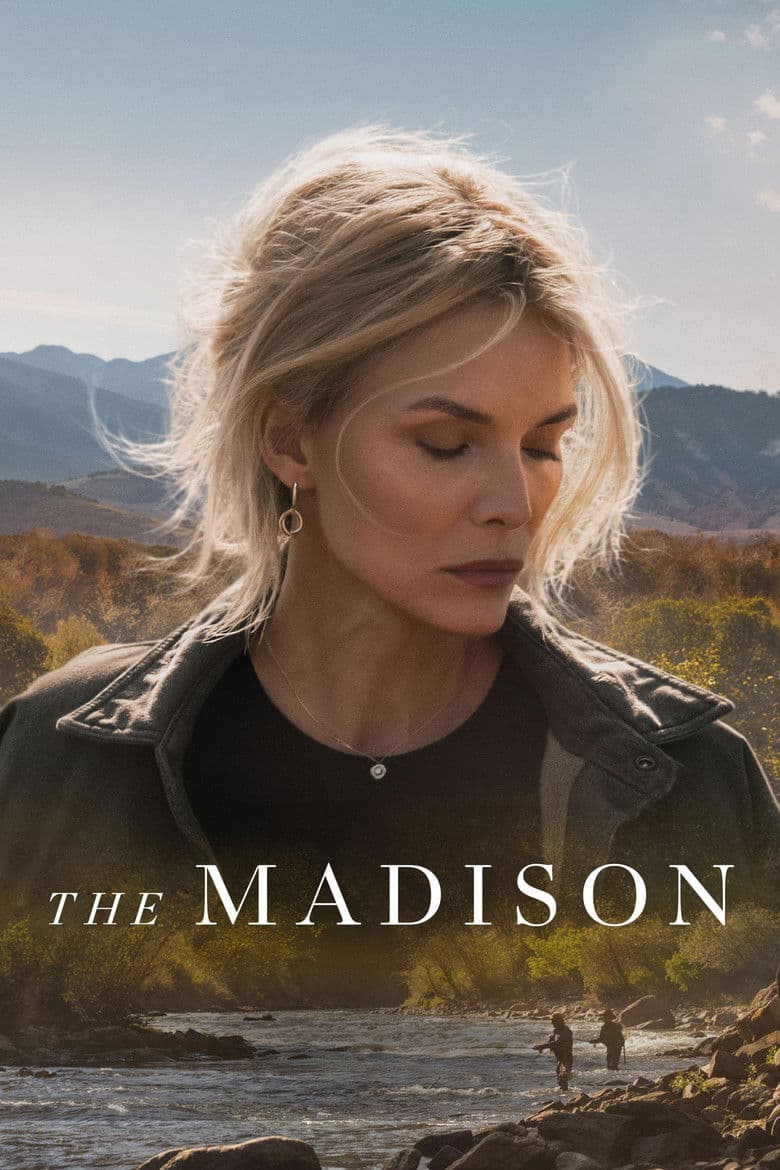
TV Show · 2026
The Clyburns uproot their comfortable New York City lives to the wild, untamed beauty of Montana's Madison River Valley on a search for connection.
