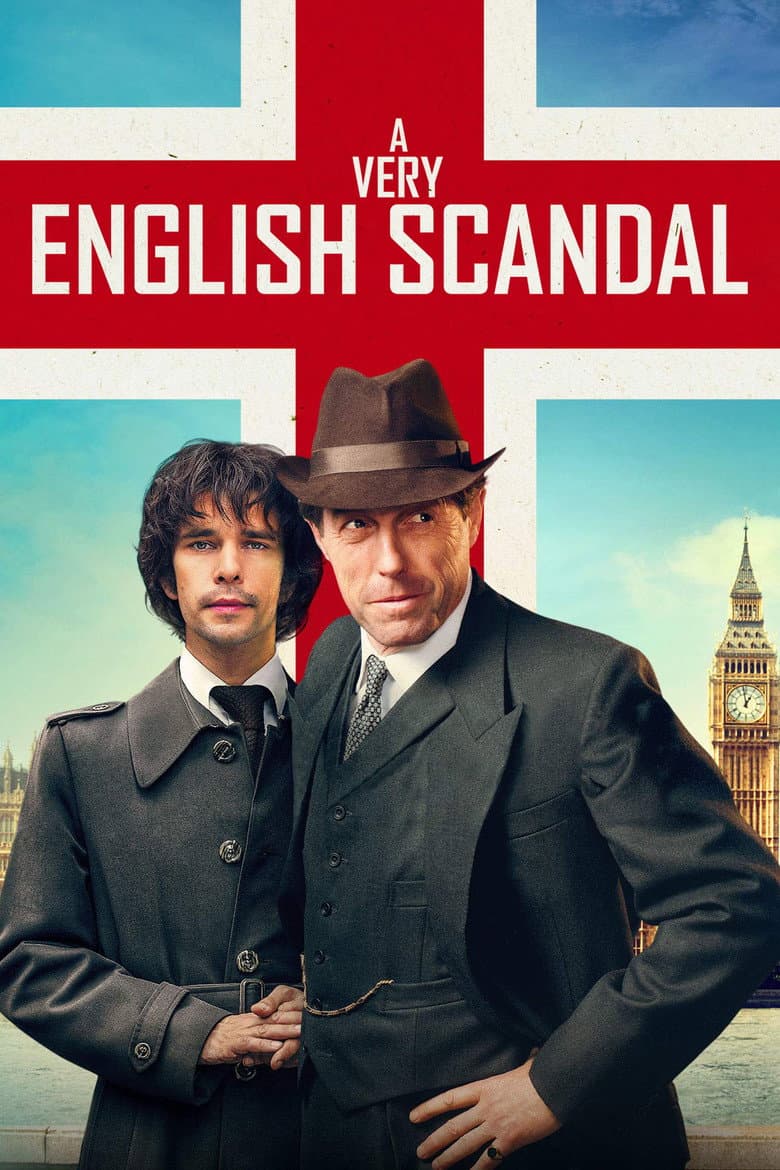
Started May 20, 2018 · Ended · Based on 1 season, 3 episodes through June 3, 2018 · TV-14 · 60 min
Jeremy Thorpe leads Britain's Liberal Party while hiding a relationship with Norman Scott, a younger former stable worker. The story moves through late-1960s and 1970s Britain, London, Devon, Ireland, and the court case that follows the failed attempt to kill Scott. Thorpe wants power, respect, and a safe family image, while Scott wants help and the truth about what happened. The series uses dark jokes, sharp insults, and serious scenes about fear, betrayal, and public shame.
Sex between men was illegal when Thorpe and Scott met, so the law and public shame shape nearly every part of their lives. The show presents Thorpe as a charming and powerful man who uses marriage, friends, police contacts, and political allies to protect himself. The show gives Scott the clearest victim's role and treats his open life as braver than Thorpe's secret life. Political speeches about Europe, immigration, and changing the law appear beside a repeated attack on old political privilege and the way the courts and police protect it.
Community feedback
Was our 77% Woke rating accurate?
Breakdown
These are the editorial factors and ratings behind our score for A Very English Scandal.
Woke representation / casting
The main cast matches the white British figures and the period shown. The series also places a black official in a visible Westminster security role. One right-leaning review called this unlikely for late-1960s Britain and linked it to BBC diversity quotas. The show does not make diversity a repeated casting message.
18%
Woke political dialogue
The show gives Jeremy and Leo Abse scenes about legalizing homosexuality. Thorpe also gives pro-European and pro-immigration speeches. Those lines connect liberal politics to Thorpe's public image. Most of the political talk explains the period and his career instead of delivering a modern activist lecture.
18%
Identity-driven story themes
The series centers on a secret relationship between two men during a time when homosexuality was illegal. The story shows fear of the closet, public shame, homophobia, and the search for an open life. Norman's treatment by the police, press, and court makes his sexuality central to the conflict. Queer identity shapes every episode, from the affair to the trial and ending.
86%
Western institutional / cultural critique
The show repeatedly shows powerful British institutions protecting Thorpe or dismissing Scott. The police, press, security services, and political party fail to give Scott fair treatment. The trial judge uses openly homophobic ideas to help the defense. These scenes criticize male power and major institutions, but they mainly show the real period rather than a current campaign against them.
30%
Woke character or canon changes
The series adapts John Preston's nonfiction book rather than a fictional canon. The adaptation gives Norman extra brave and funny moments and makes him the clearer victim. Russell T Davies said the story had not been told by a gay man before. That identity-based viewpoint changes the emphasis placed on the real people, even though the main scandal stays intact.
26%
Anti-woke backlash and complaints
A May 2018 Spectator review praised the acting and story but objected to a Black Westminster security official. The review called the choice BBC diversity quota casting and said it hurt the period detail. Most other reviews and forum posts praised the series and did not call it woke. The complaint is notable but isolated, so evidence of a broad anti-woke campaign is limited.
28%
Creator track record context
Russell T Davies has a strong history of queer-focused storytelling and activist social themes. John Preston's record is mainly journalistic and historical. Stephen Frears has a classic left-wing record but no strong modern DEI persona. The producers have mostly professional records without a clear activist pattern.
54%
Production
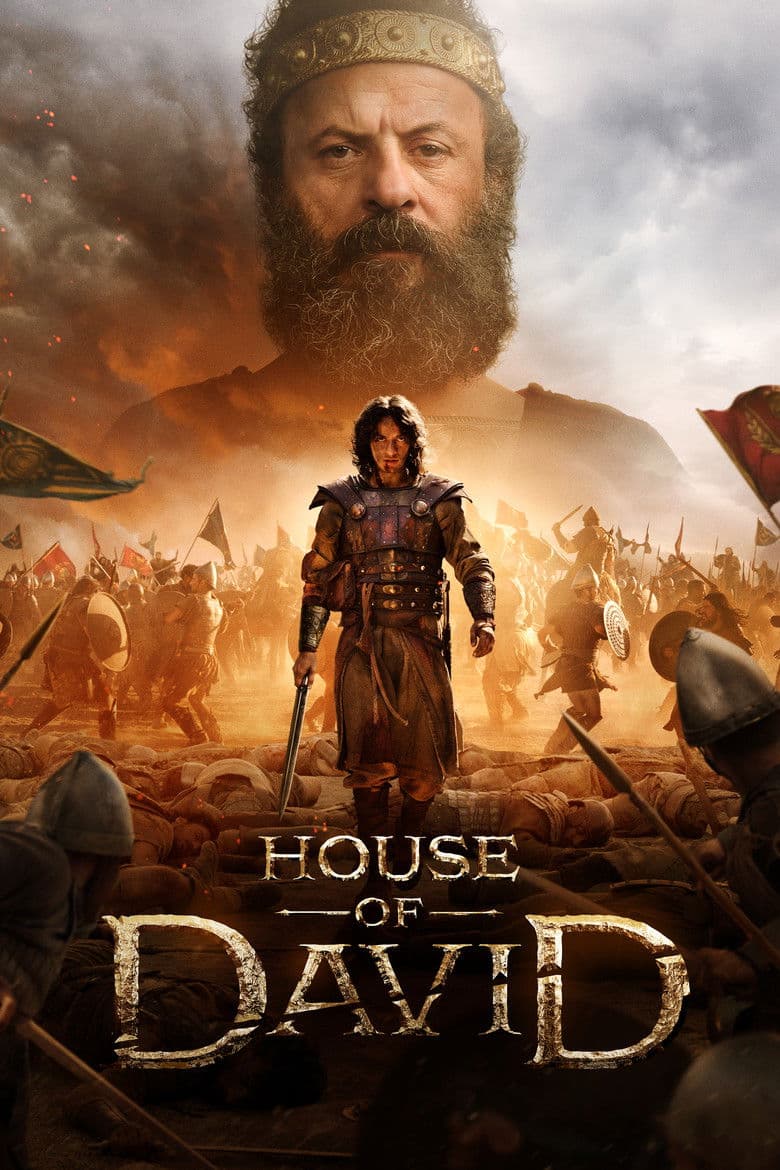
TV Show · 2025
Tells the story of the ascent of the biblical figure, David, who becomes the most celebrated king of Israel. The series follows the once-mighty King Saul as he falls victim to his…
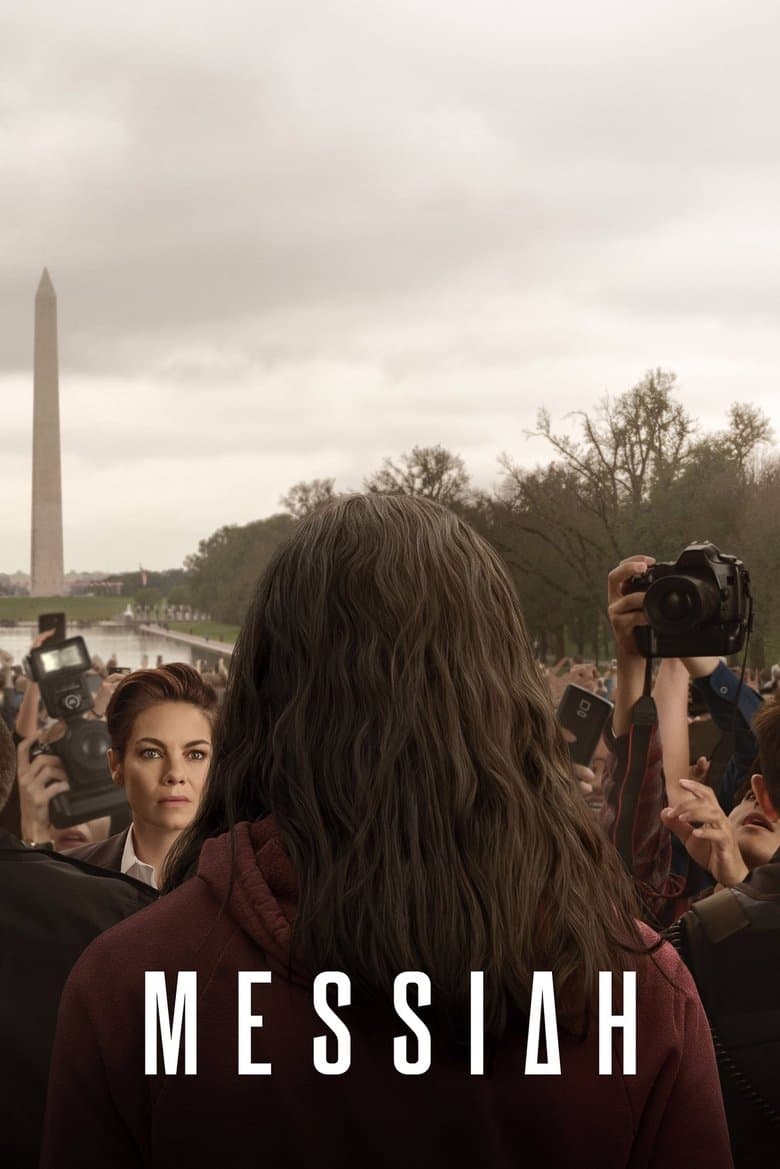
TV Show · 2020
A wary CIA officer investigates a charismatic man who sparks a spiritual movement and stirs political unrest. Who exactly is he? And what does he want?
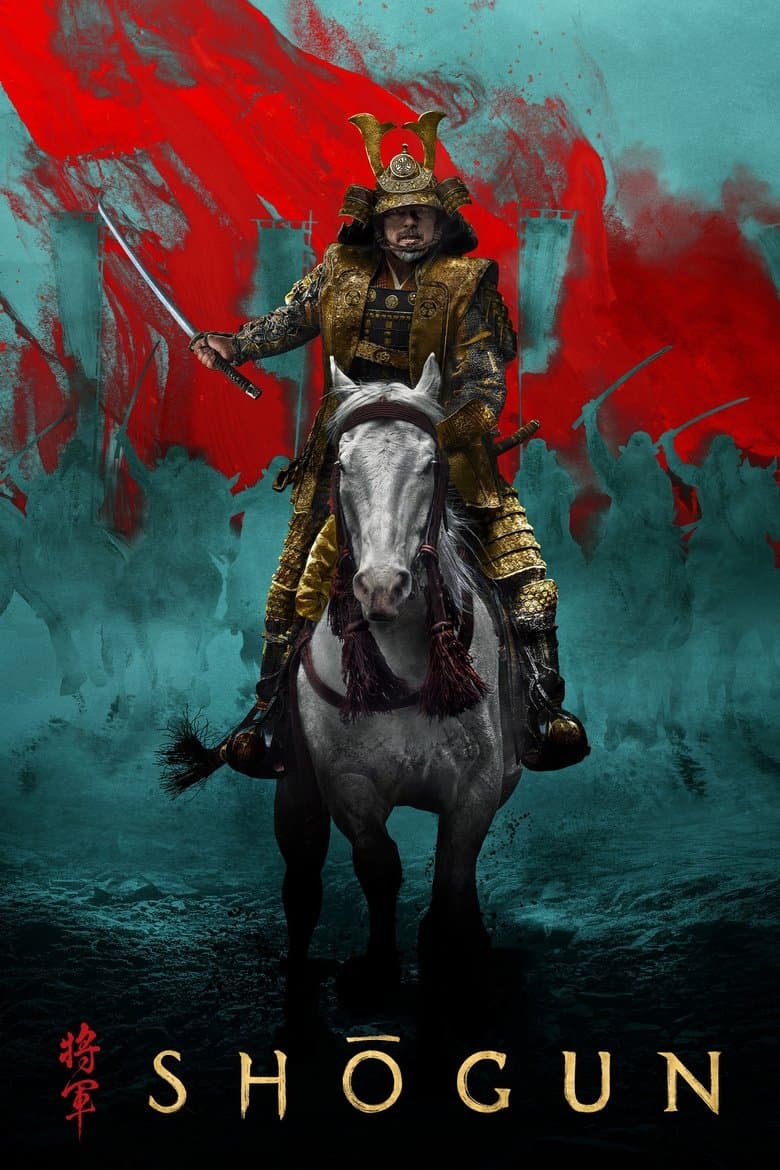
TV Show · 2024
In Japan in the year 1600, at the dawn of a century-defining civil war, Lord Yoshii Toranaga is fighting for his life as his enemies on the Council of Regents unite against him…
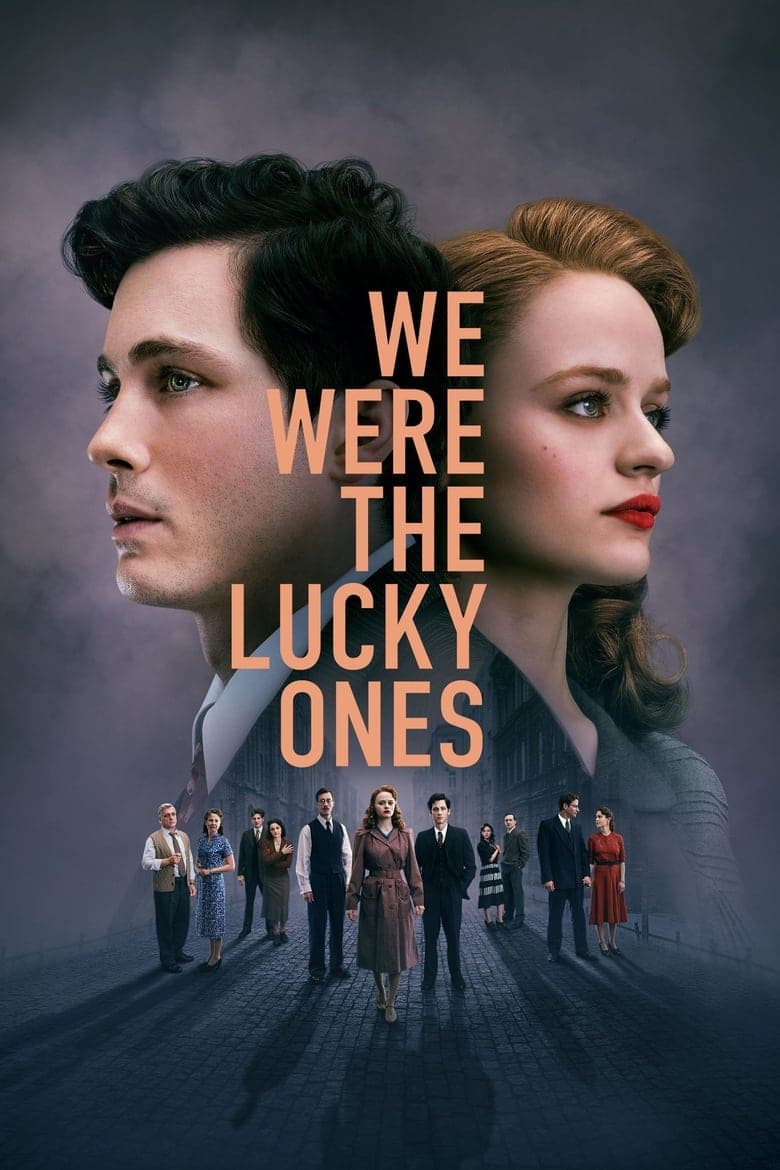
TV Show · 2024
The true story of one Jewish family separated at the start of World War II, determined to survive—and to reunite.
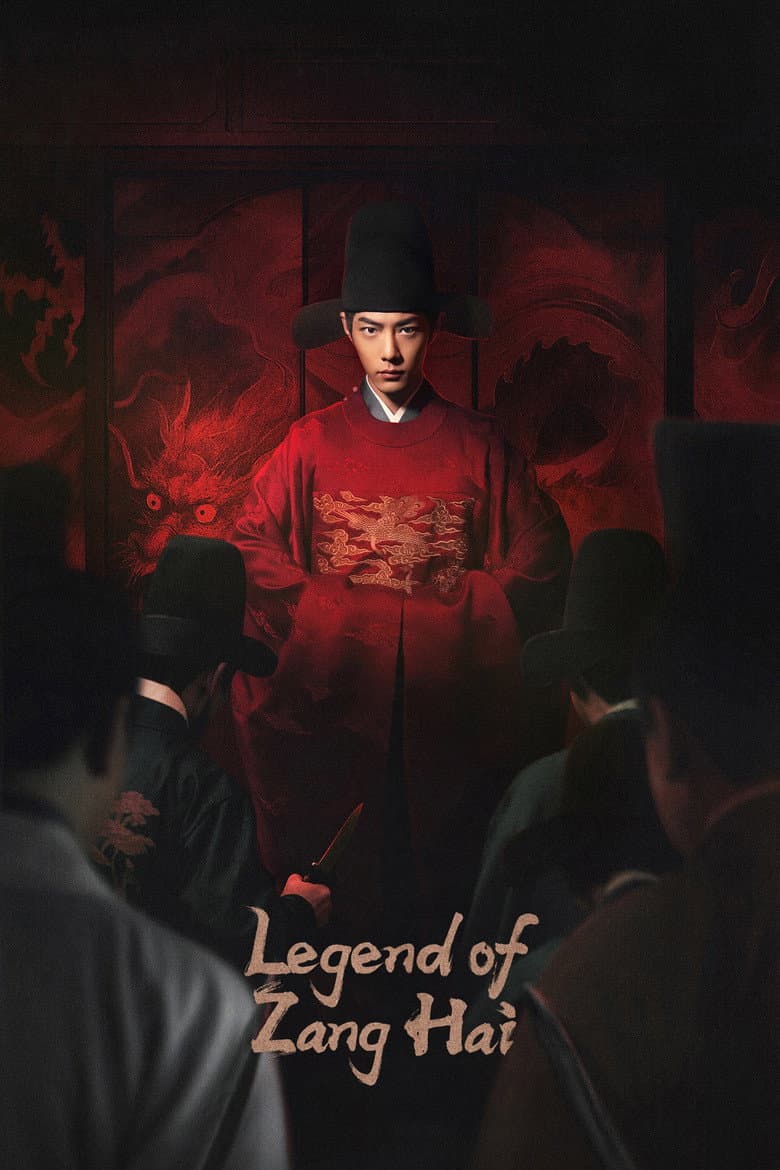
TV Show · 2025
"Legend of Zang Hai" follows the son of Imperial Astronomer Kuai Duo. Consumed by vengeance, he spends a decade honing his skills.
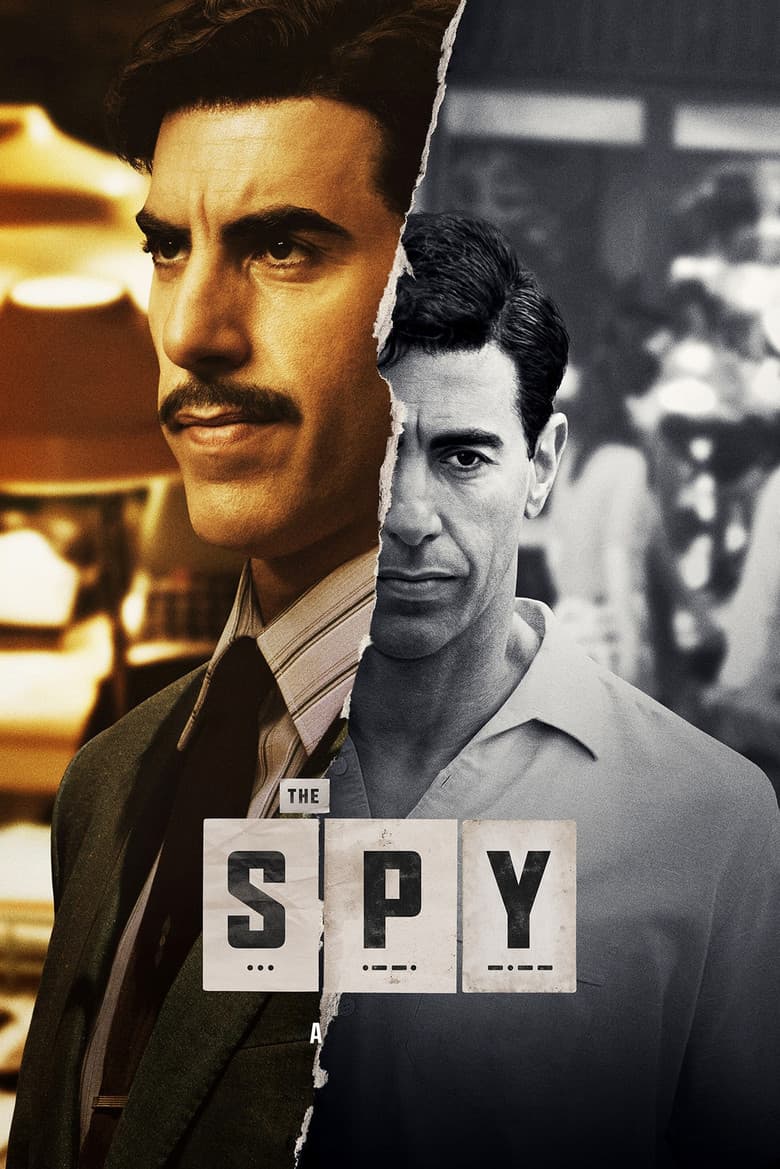
TV Show · 2019
In the 1960s, Israeli clerk-turned-secret agent Eli Cohen goes deep undercover inside Syria on a perilous, years-long mission to spy for Mossad.
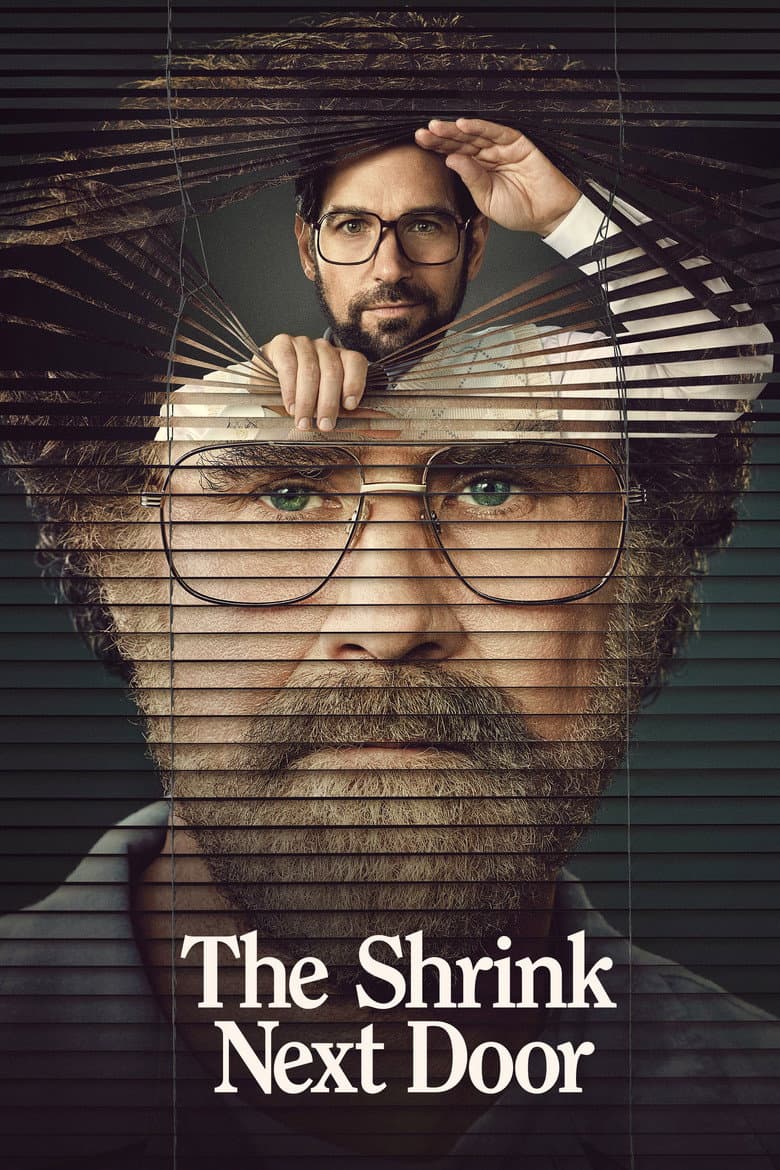
TV Show · 2021
Inspired by the true story of Marty and the therapist who turned his life around...then took it over. When he first meets Dr. Ike, Marty just wants to get better at boundaries.
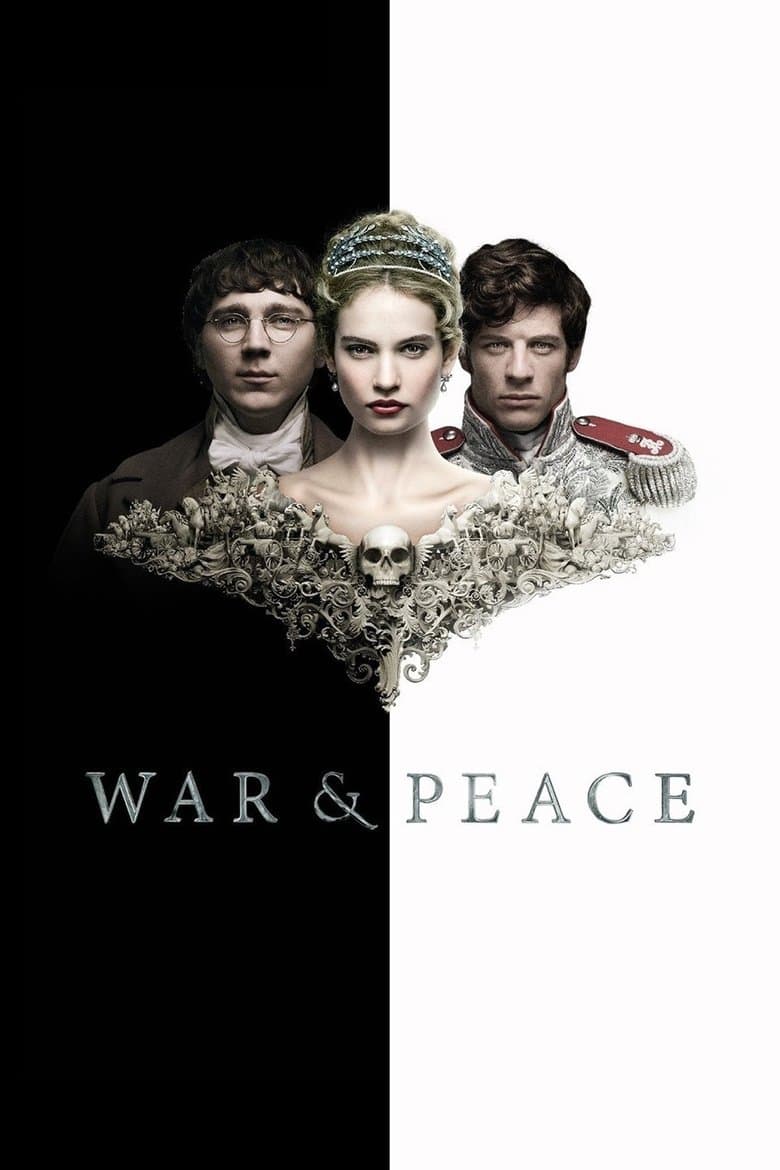
TV Show · 2016
The love story of young Countess Natasha Rostova and Count Pierre Bezukhov is interwoven with the Great Patriotic War of 1812 against Napoleon's invading army.
