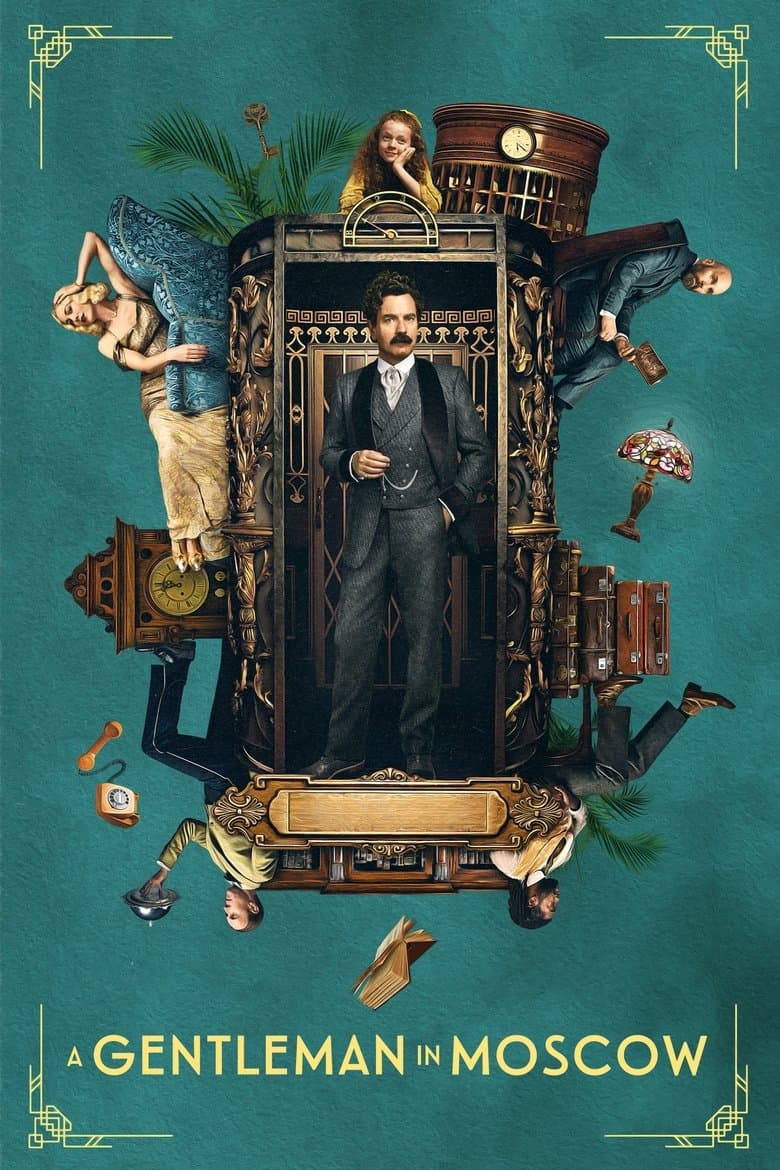
Started March 29, 2024 · Ended · Based on 1 season, 8 episodes through May 17, 2024 · TV-MA
Count Alexander Rostov is a Russian nobleman who returns to Moscow after the 1917 revolution. A Soviet court strips him of his title and orders him to live in a small attic room at the Metropol Hotel for the rest of his life. He watches the country change from a safe but trapped hotel while secret police, war, hunger, and party rule shape the world outside. The gentle, funny drama follows his friendships with a young girl, hotel workers, a writer, a film star, and a guard who watches him.
The clearest modern identity signal is the casting of black actors as Russian characters in a period story, most notably Fehinti Balogun as Rostov's important friend Mishka. The show also includes a gay film producer who hides his relationship by using Anna as a public cover, but that plot is brief and not the main story. Anna is shown as a strong actress who rejects control by men, while Rostov learns to value love, friendship, and care over rank and money. These points add some representation and gender messaging, but the main themes are class change, Soviet repression, loyalty, family, and personal freedom.
Community feedback
Was our 46% Woke rating accurate?
Breakdown
These are the editorial factors and ratings behind our score for A Gentleman in Moscow.
Woke representation / casting
The series casts Fehinti Balogun, a black actor, as Mishka, a Russian friend who is central to Rostov's life and the political plot. The series also places other actors of color in recurring hotel and visitor roles. The show gives no story reason for this unusual mix in 1920s and 1930s Moscow. The result is a clear audience-visible diversity pattern, but it does not dominate every scene.
42%
Woke political dialogue
Not present. The characters discuss the revolution, workers, class, censorship, party rule, and freedom. Those talks stay inside the Soviet period story and do not become modern identity or activist speeches.
0%
Identity-driven story themes
The series includes Alexei Nachevko, a gay film producer who uses Anna as a public cover for his relationship with another man. The danger around him comes from Soviet secrecy and party pressure, and the plot does not make his identity the main subject. Anna and Olga also speak about protecting themselves from men, but this is a small part of their larger stories.
18%
Western institutional / cultural critique
The show has Anna say that men are a danger in the street and in every place, and she says that she and Olga protect each other. The show also presents Soviet leaders using fear, censorship, prison, and hunger to control people. Those moments question male control and state power, but the state criticism belongs to the historical Soviet setting and the gender point is brief.
18%
Woke character or canon changes
The adaptation makes Mishka, an important Russian friend, visibly Black through the casting of Fehinti Balogun. The novel does not give Mishka the show's Black appearance, so the difference is clear to viewers who know the book. The show gives no clear public reason that connects the choice to a wider DEI plan, so this remains a limited but noticeable canon change.
24%
Anti-woke backlash and complaints
Some X users and smaller right-leaning reviews called the series woke or DEI because black actors play Russian characters in a period story. Complaints focused on Mishka, whose role is important to the plot and whose long braids made the casting more noticeable. Some viewers said the casting broke the setting and stopped watching, while others accepted it and praised the actors. The reaction was recurring but scattered, with no clear boycott, review-bombing drive, or large organized campaign.
37%
Creator track record context
Most cached scores for the creator, writers, directors, casting director, and producers are low, and their summaries show no activist or DEI focus. Ewan McGregor is the main exception because he has publicly supported feminism, LGBTQ rights, and women's marches. McGregor's interviews for this show focused on class, freedom, family, and Russia's link to Putin rather than representation. The wider creative record adds some context but does not strongly define the show.
29%
Production

TV Show · 2024
Fascinated by cars since childhood, Brazilian racer Ayrton Senna became a sports legend — until tragedy struck, changing Formula 1 forever.
TV Show · 2023
The story of Bass Reeves, the legendary lawman of the wild West, is brought to life. Reeves worked in the post-Reconstruction era as a federal peace officer in the Indian…
TV Show · 2021
Inspired by the true story of Marty and the therapist who turned his life around...then took it over. When he first meets Dr. Ike, Marty just wants to get better at boundaries.
TV Show · 2024
In Japan in the year 1600, at the dawn of a century-defining civil war, Lord Yoshii Toranaga is fighting for his life as his enemies on the Council of Regents unite against him…
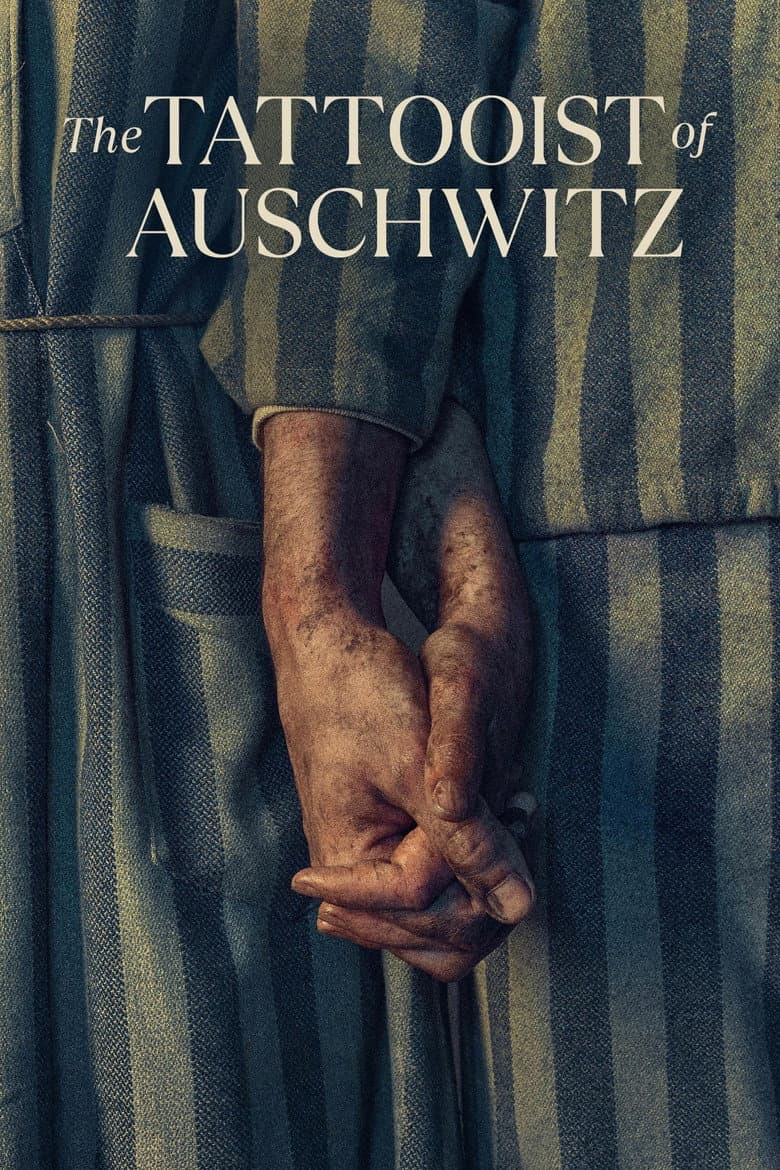
TV Show · 2024
The powerful real-life story of Lali Sokolov, a Jewish prisoner who was tasked with tattooing ID numbers on prisoners' arms in the Auschwitz-Birkenau concentration camp during…
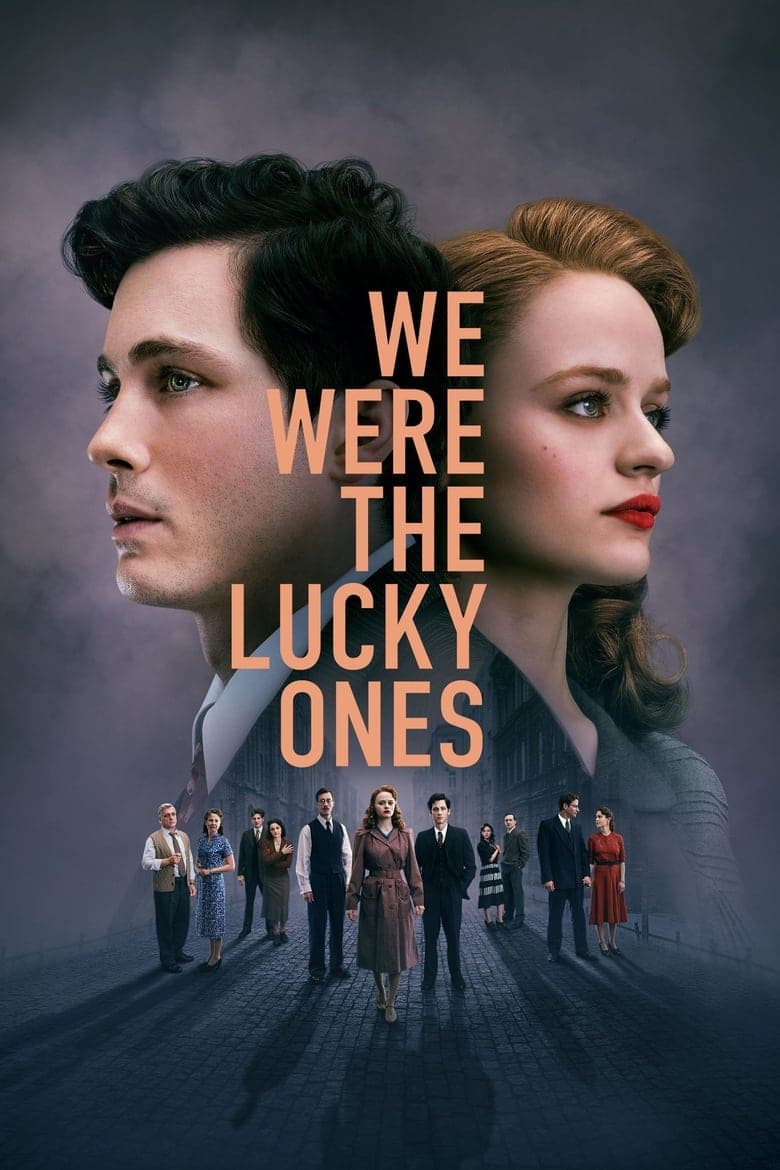
TV Show · 2024
The true story of one Jewish family separated at the start of World War II, determined to survive—and to reunite.
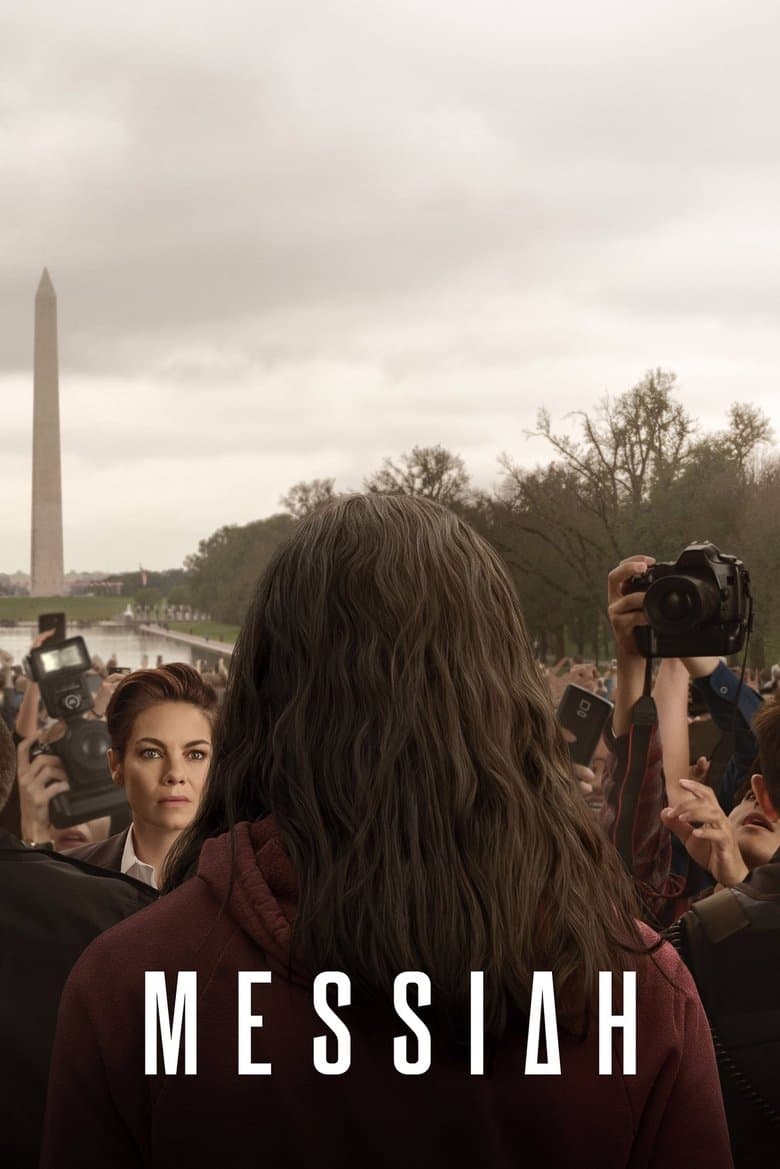
TV Show · 2020
A wary CIA officer investigates a charismatic man who sparks a spiritual movement and stirs political unrest. Who exactly is he? And what does he want?
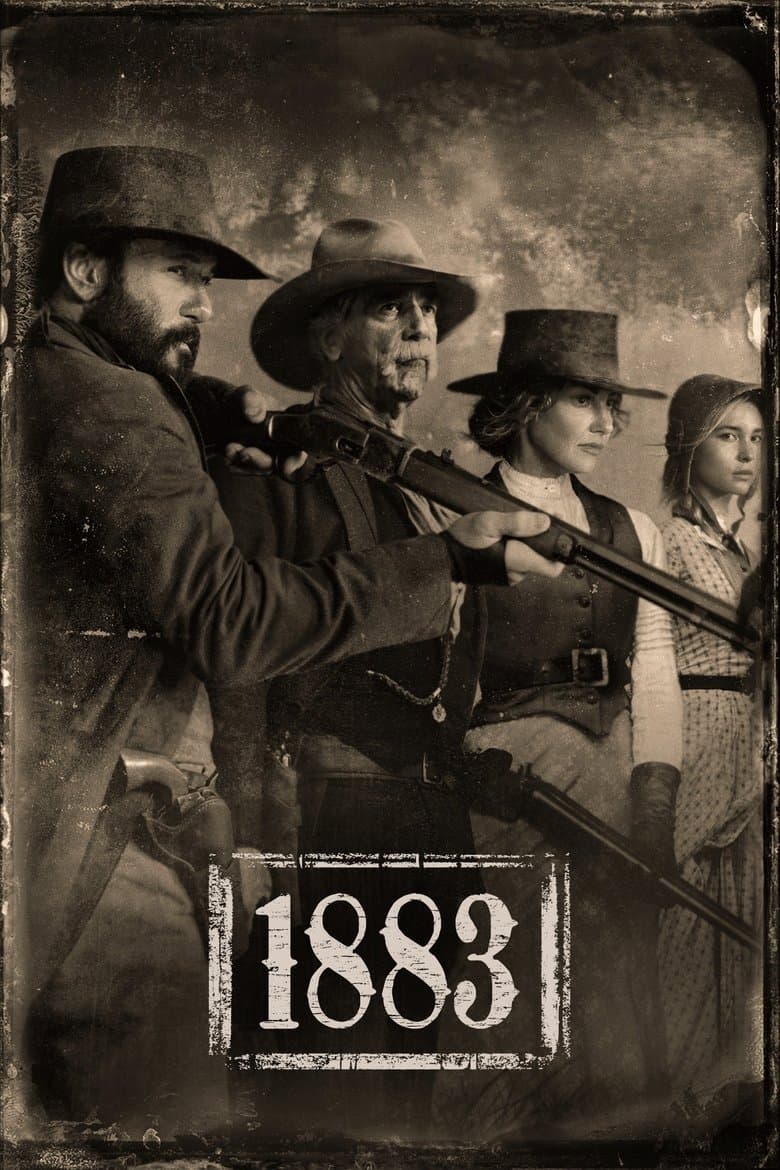
TV Show · 2021
Follow the Dutton family as they embark on a journey west through the Great Plains toward the last bastion of untamed America.
