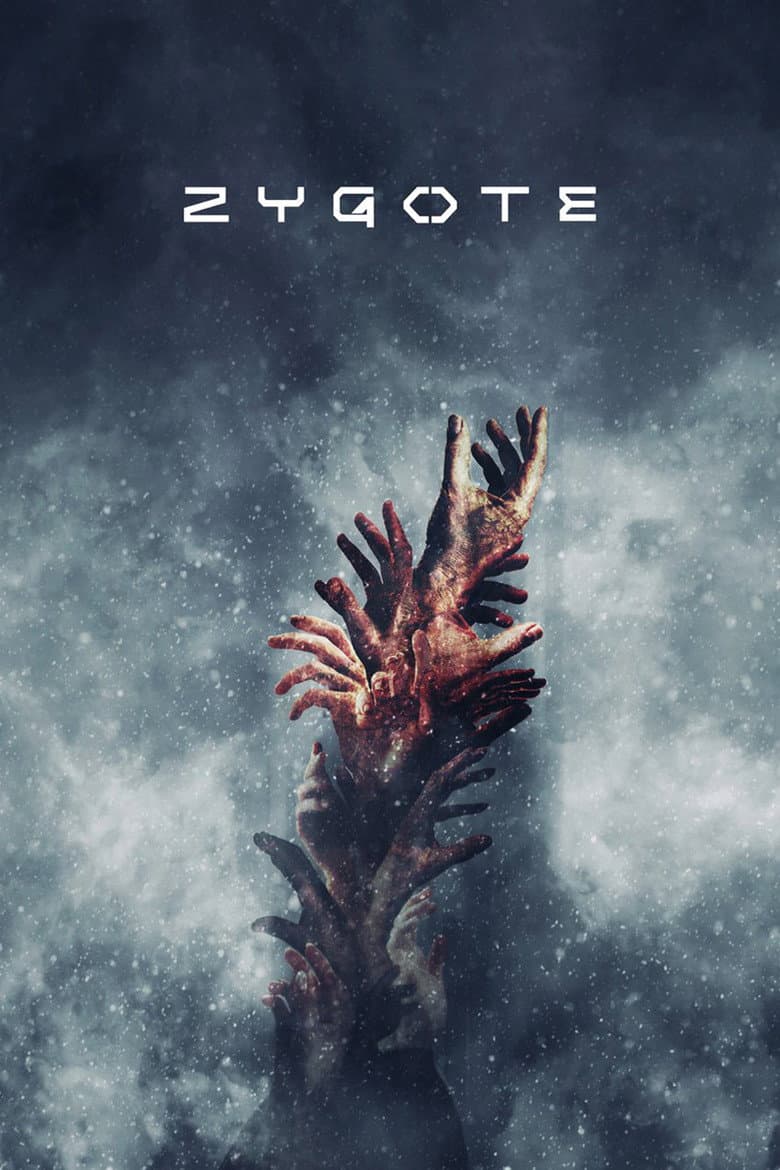
Zygote is a 22-minute science fiction horror short set in a mining base near the Arctic Circle. Barklay, a low-status worker, and Quinn, a blind and injured security guard, are the last two survivors after a creature kills almost everyone. They must cross the base to reach a guarded shelter while the creature follows them and uses the memories and body parts of the dead. The film is cold, tense, and very graphic, with a strong focus on hiding, shooting, and escape.
The story gives clear space to a class system that treats some workers as disposable. Barklay learns that the company bought her as an orphan and marked her as a synthetic so it could send her into dangerous mines for less money. Her change from a rule-bound worker to the main armed survivor makes her the main woman hero. These ideas matter to the short, but the creature chase and body horror take up most of the running time.
Community feedback
Was our 34% Woke rating accurate?
Breakdown
These are the editorial factors and ratings behind our score for Zygote.
Woke representation / casting
Barklay is a young woman who becomes the main armed survivor. Quinn is a male security guard who is blind, badly hurt, and later sacrifices himself so she can escape. Fanning's interview also framed the role as putting a woman at the center of a science fiction story.
12%
Woke political dialogue
The film uses several lines about rank, status, and disposable labor. Quinn says the company uses orphan children because real synthetics cost more, and he explains that the rules send Barklay into deadly mine shafts. The dialogue makes the company's labor system look cruel, but this material is limited to one main reveal inside a short horror film.
29%
Identity-driven story themes
Barklay's identity is central to the reveal because she believes she is a synthetic worker but learns she is a human orphan sold to the company. The film links that hidden identity to a class system that labels some people as cheap and disposable. Barklay then rejects the role assigned to her and becomes the main survivor, while the creature chase remains the main action.
33%
Western institutional / cultural critique
The mining company marks workers by class and keeps the managers in a safer corporate area. The company buys orphans, hides their human status, and sends them into gas-filled shafts because they are cheaper than synthetic workers. The film treats this profit-first system as cruel, but it does not attack family, religion, or ordinary social customs. The critique appears in the setting and one major reveal rather than across the whole story.
32%
Woke character or canon changes
Not relevant. The film is an original Oats Studios story, so it does not change a known character, canon, or historical event.
0%
Anti-woke backlash and complaints
Not present. The separate X check found no anti-woke reaction or named complaint. Web reviews and social posts focused on the creature, horror, and requests for a longer story.
0%
Creator track record context
Neill Blomkamp and Terri Tatchell have mild social-inequality themes in earlier work, which gives this title some supporting context. Blomkamp's interviews about the short discuss synthetic labor, class status, and companies placing profit before ethics. Thomas Sweterlitsch and producers Steven St. Arnaud and Mike Blomkamp have no clear activist or identity-driven record in the available creator context. The title therefore has mild creator-context support, not a strong activist pattern.
18%
Production
Movie · 2017
A story of broken humanity following the invasion of a technologically superior alien species. Bleak, harrowing, and unrelenting, the humans must find enough courage to go on…

Movie · 2021
Something lurks off the coast of Block Island, silently influencing the behavior of fisherman, Tom Lynch. After suffering a series of violent outbursts, he unknowingly puts his…
Movie · 2019
Karen, a single mother, gifts her son Andy a Buddi doll for his birthday, unaware of its more sinister nature. A contemporary re-imagining of the 1988 horror classic.
Movie · 2021
Following the events at home, the Abbott family now face the terrors of the outside world. Forced to venture into the unknown, they realize that the creatures that hunt by sound…
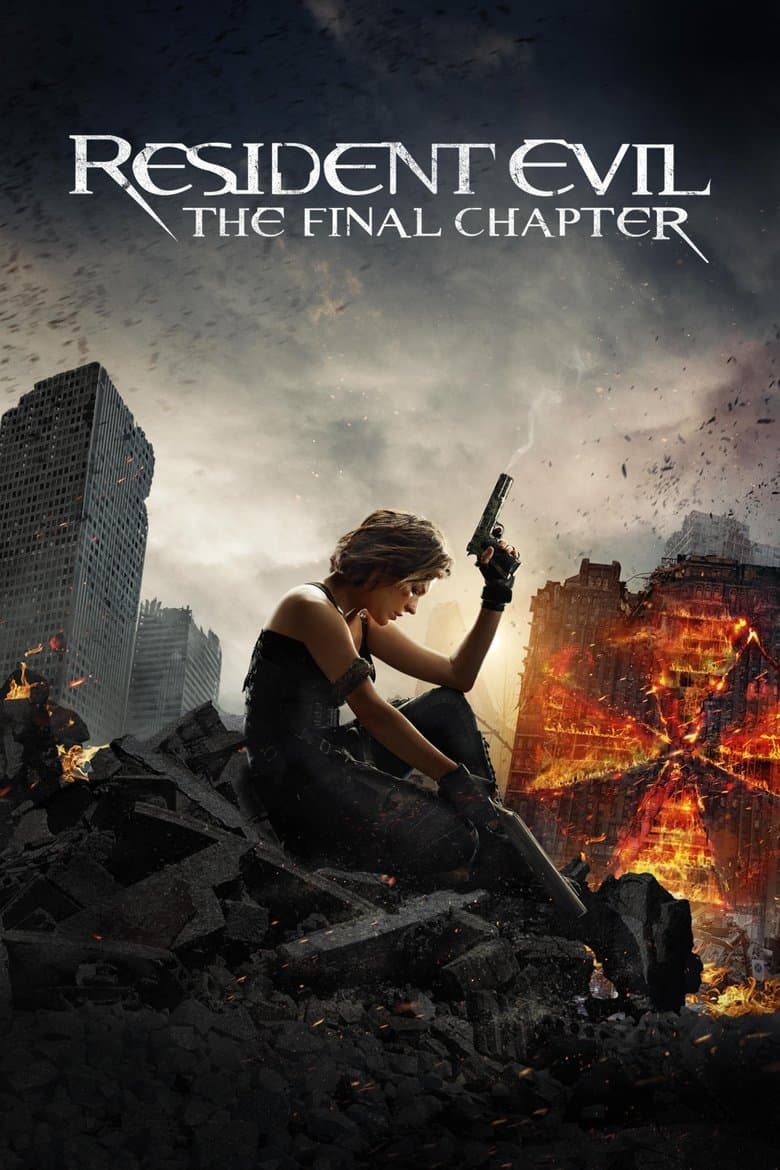
Movie · 2016
Picking up immediately after the events in Resident Evil: Retribution, Alice is the only survivor of what was meant to be humanity's final stand against the undead.
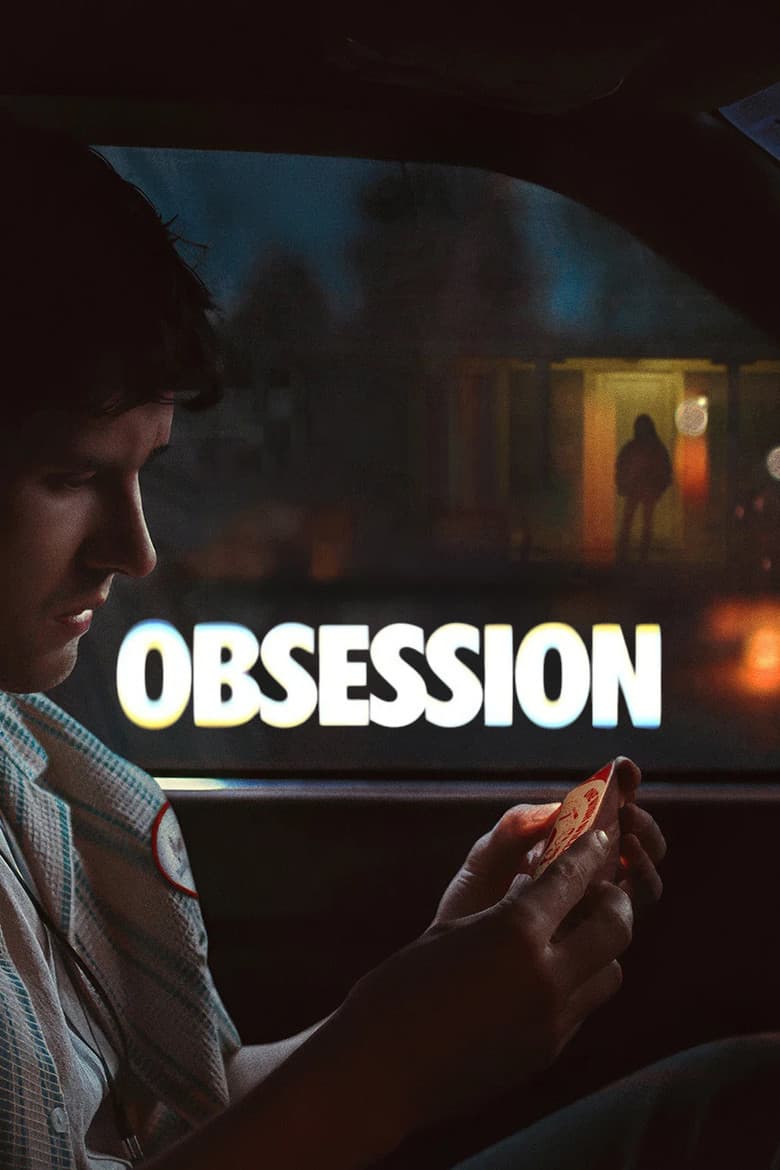
Movie · 2026
After breaking the mysterious "One Wish Willow" to win his crush's heart, a hopeless romantic finds himself getting exactly what he asked for but soon discovers that some desires…
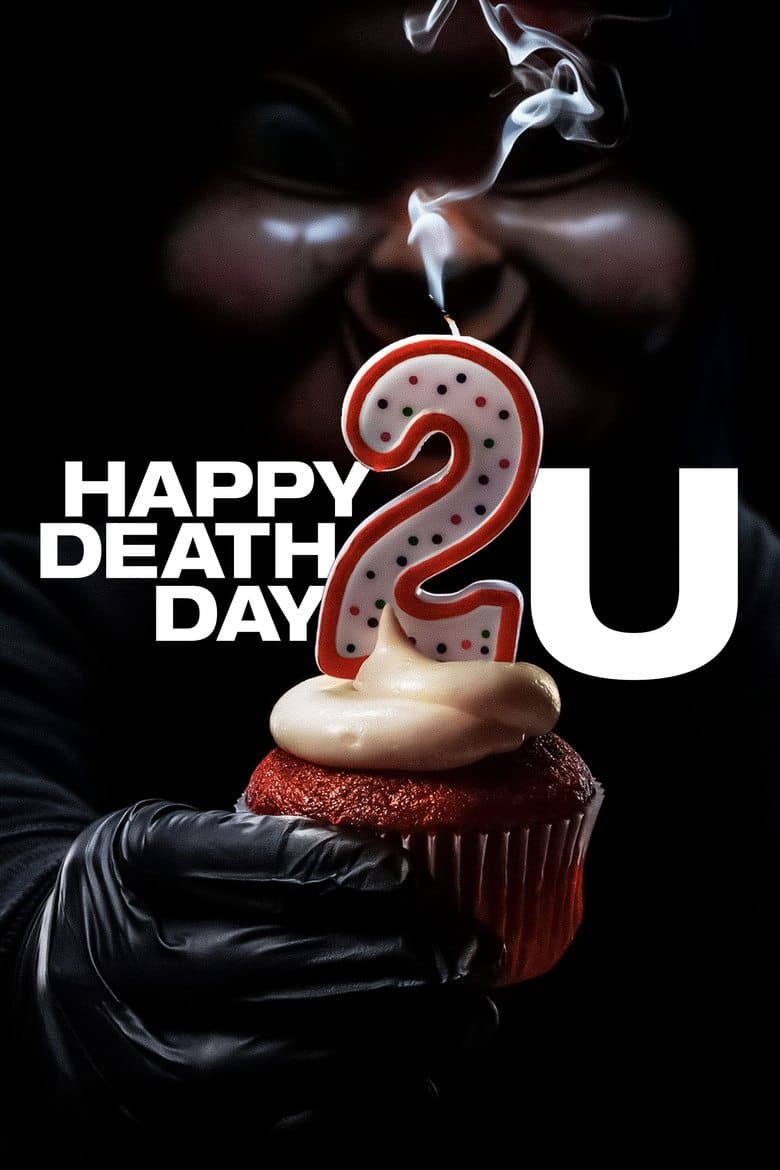
Movie · 2019
Collegian Tree Gelbman wakes up in horror to learn that she's stuck in a parallel universe. Her boyfriend Carter is now with someone else, and her friends and fellow students seem…
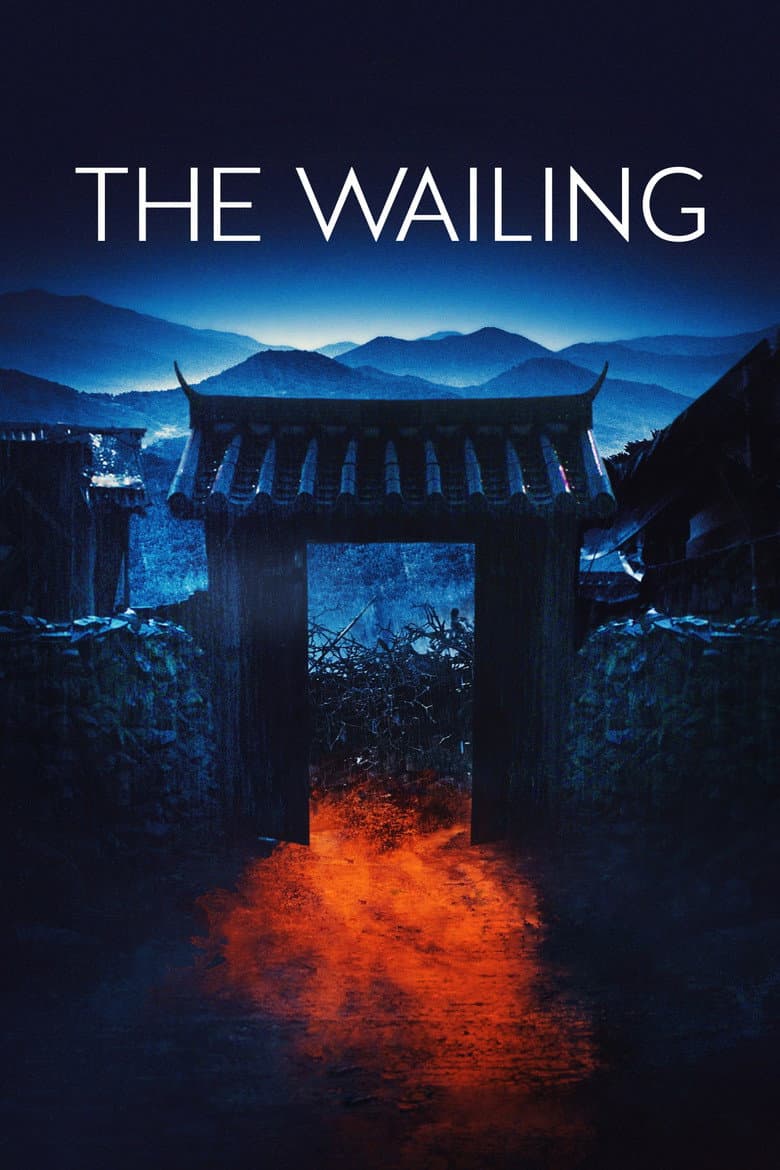
Movie · 2016
A stranger arrives in a little village and soon after a mysterious sickness starts spreading. A policeman is drawn into the incident and is forced to solve the mystery in order to…
