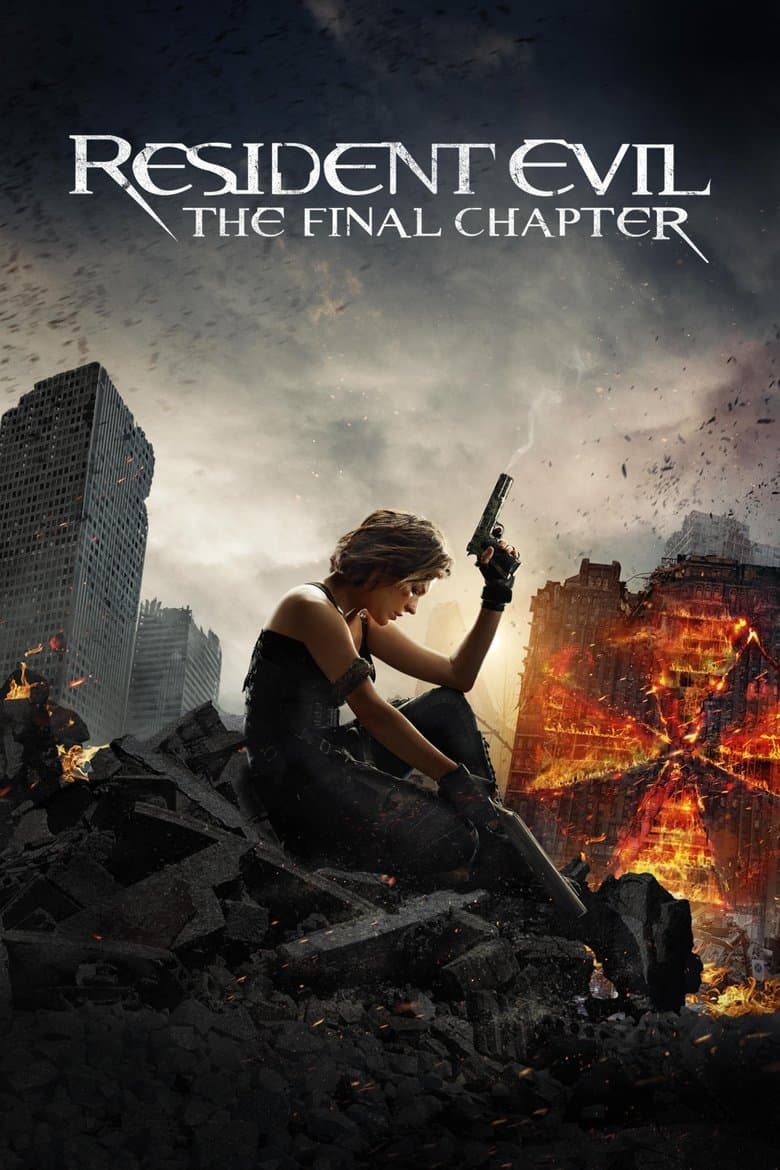
Movie review
After Washington falls, Alice races back to the Hive with survivors, including Claire Redfield, to seize an airborne anti-virus before Umbrella wipes out the remaining humans. Dr. Isaacs plans to use the T-virus to kill most people so cryo-stored elites can remake the world. Alice is revealed as a clone of Alicia Marcus. Her skill and powers come from T-virus and cloning lore built across the series. The film is franchise-closing zombie action with a corporate doomsday plot, a clone reveal, and big spectacle.
Audience-facing woke content is thin. There is no plot about race, gender politics, or queer identity. Dialogue stays on survival, betrayal, and Umbrella’s endgame. The main soft note is light girl-power marketing around a long-established female action lead, plus tough supporting women and a mixed survivor group. Alice’s dominance is explained in the story by the T-virus and cloning, not by modern identity-politics storytelling.
Community feedback
Was our 9% Woke rating accurate?
Breakdown
These are the editorial factors and ratings behind our score for Resident Evil: The Final Chapter.
Woke representation / casting
The film has a long-running female action lead, tough supporting women, and a mixed survivor group whose combat skill is explained by the T-virus and cloning. Mild credit comes from premiere girl-power and empowerment talk. It is not race-quota casting or identity-mismatch casting in the usual DEI molds.
15%
Woke political dialogue
Not present. There is no activist or identity-politics dialogue. Characters talk about survival, betrayal, and Umbrella’s corporate endgame.
0%
Identity-driven story themes
Not present. The story is about a bioweapon apocalypse, a clone origin, and revenge against the corporation. It is not about race, gender ideology, queer identity, or systemic messaging about whiteness or patriarchy.
0%
Western institutional / cultural critique
Not present. Umbrella elites work as cartoon genocidal corporates in standard sci-fi villain mode. That is not a modern activist attack on Western culture, Christianity, traditional family, or masculinity.
0%
Woke character or canon changes
Not relevant. This factor does not apply in a meaningful way. Alice was an original film character from 2002. The Alicia clone reveal is franchise sci-fi continuity, not an identity or DEI rewrite of a known character or history.
0%
Anti-woke backlash and complaints
Not present. There was no substantial right-leaning or anti-woke campaign treating this film as DEI or propaganda. Reception complaints focus on craft and cast-list closure.
0%
Creator track record context
The main creatives work in commercial action and horror, with Anderson around a five and other key people in the low single digits or near zero. Their careers center on genre work, not activist identity projects. Girl-power talk about female action leads reads as market and craft history, not a progressive campaign persona.
6%
Production
Movie · 2025
Special Forces commandos on a mission are abducted mid-operation by a mysterious spacecraft. Upon waking aboard, they find themselves prey to a relentless alien race in a fight…
Movie · 2024
In the near future, on a decimated Earth, Paul and his twin sons face terror at night when ferocious creatures awaken.
Movie · 2016
Brothers Mike and Jody join family friend Reggie to battle the Tall Man and his evil minions from another dimension, for the final time.
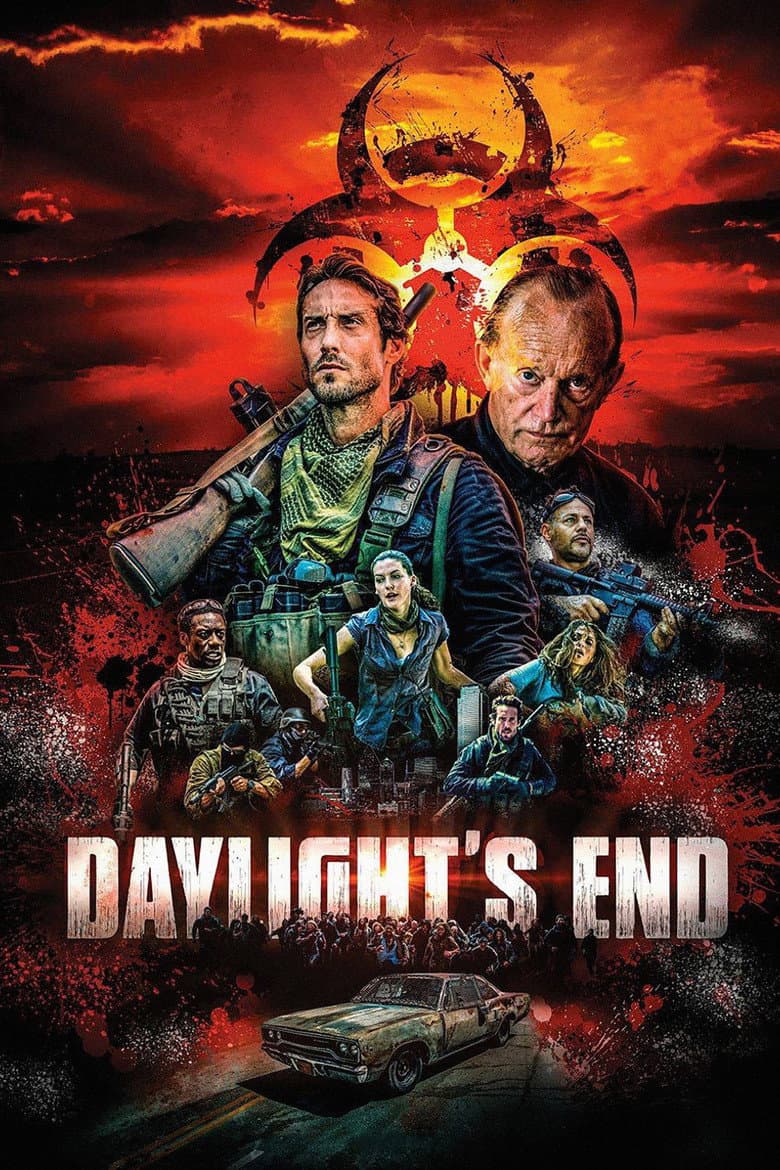
Movie · 2016
Years after a mysterious plague has devastated the planet and turned most of humanity into blood-hungry creatures, a rogue drifter on a vengeful hunt stumbles across a band of…
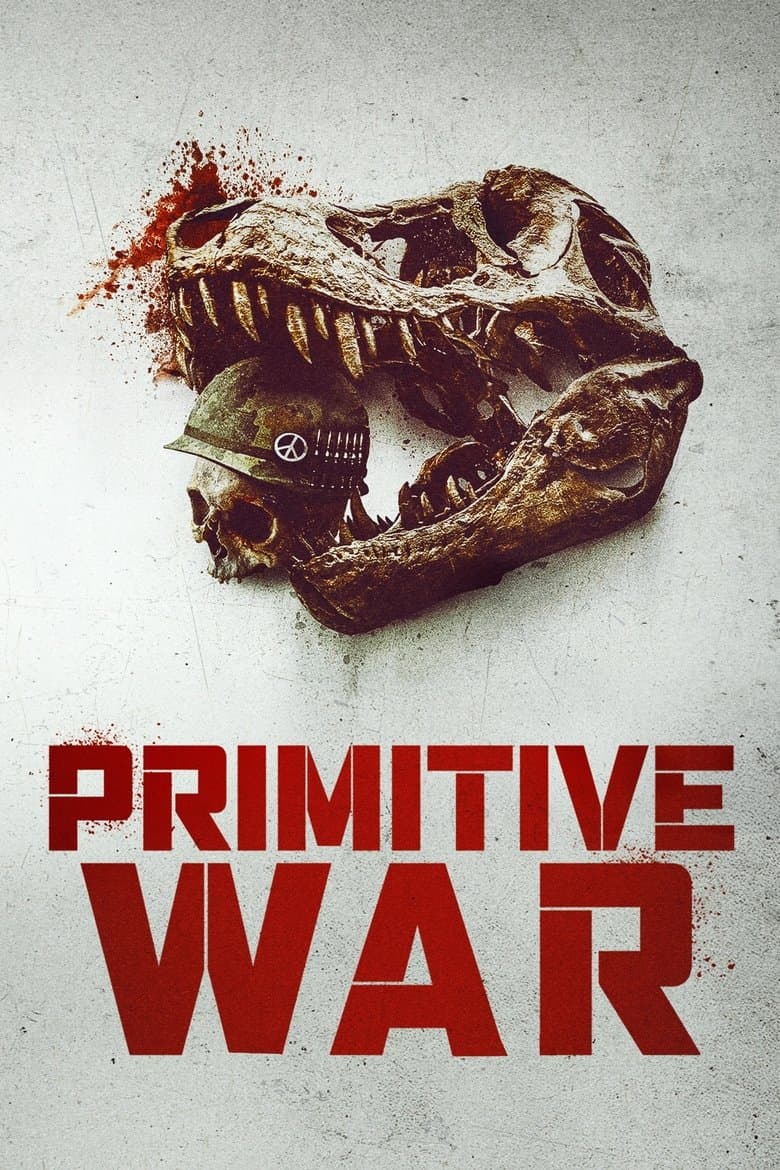
Movie · 2025
During the Vietnam War, a recon unit ventures to an isolated jungle valley to uncover the fate of a missing platoon.

Movie · 2023
In postwar Japan, Godzilla brings new devastation to an already scorched landscape. With no military intervention or government help in sight, the survivors must join together in…
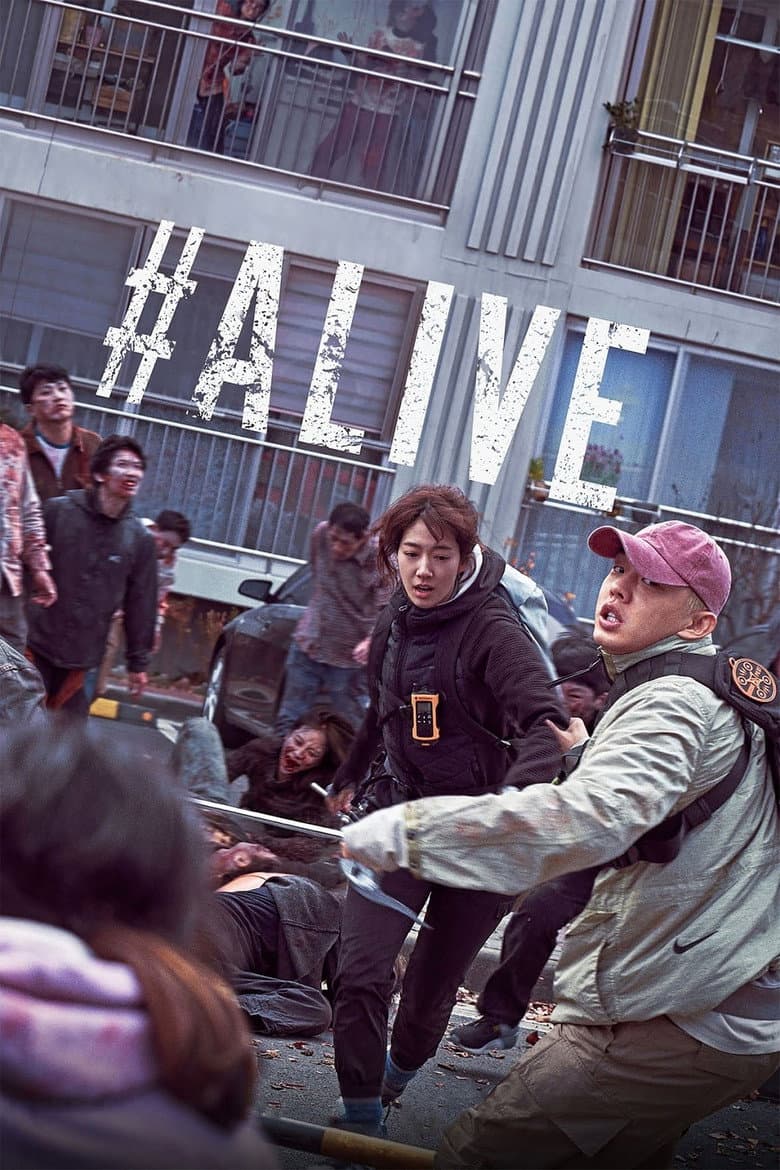
Movie · 2020
As a grisly virus rampages a city, a lone man stays locked inside his apartment, digitally cut off from seeking help and desperate to find a way out.
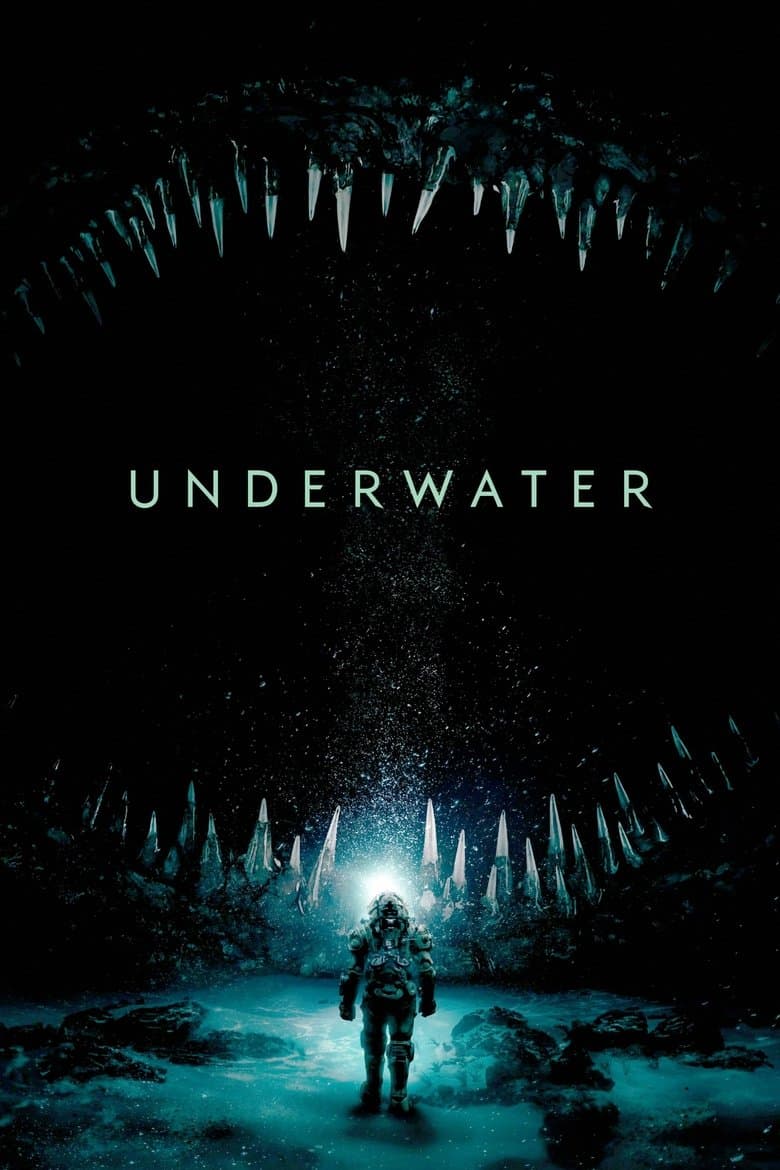
Movie · 2020
After an earthquake destroys their underwater station, six researchers must navigate two miles along the dangerous, unknown depths of the ocean floor to make it to safety in a…
