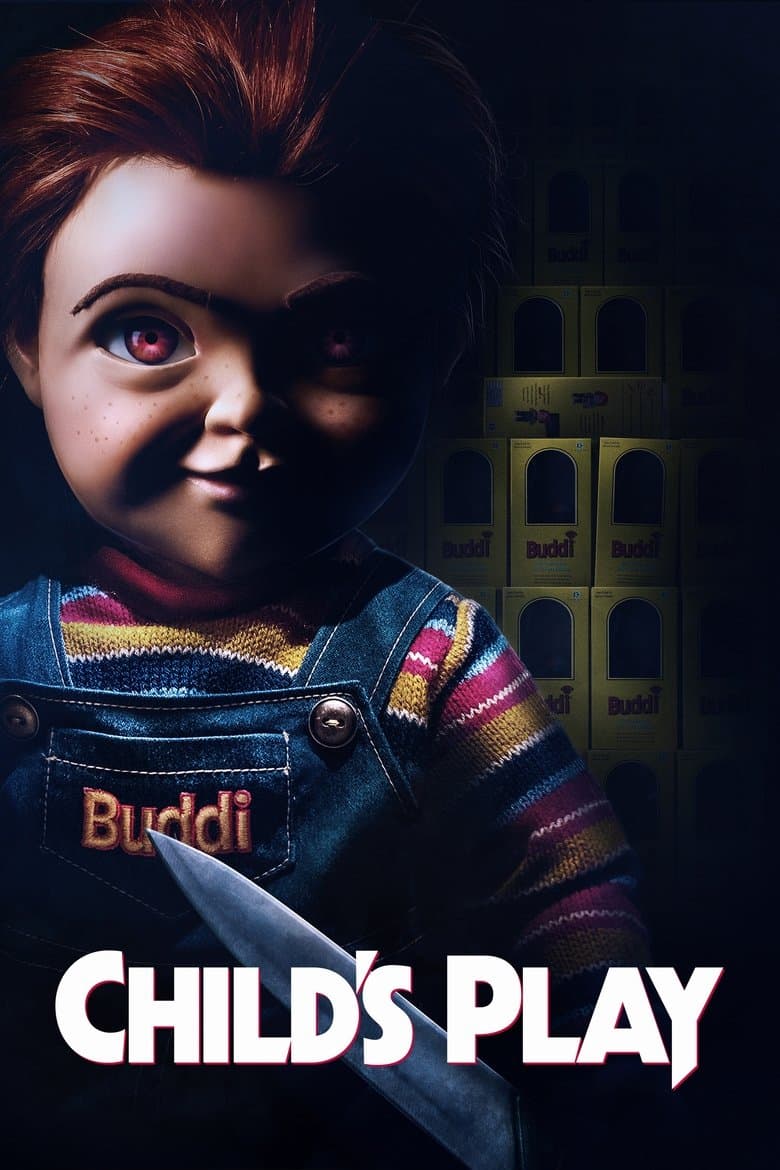
Child's Play (2019) follows a single mother who gives her hearing-impaired son a high-tech AI "Buddi" doll that malfunctions after safety protocols are removed by a disgruntled Vietnamese factory worker, causing it to kill while absorbing bad influences from media and family. The contemporary re-imagining shifts from voodoo possession to smart technology horror and corporate product failure. Audience-visible elements include the child's hearing impairment as a source of isolation and a diverse supporting cast in a modern city setting, presented alongside mild commentary on tech dependence without strong identity or activist framing.
Community feedback
Was our 23% Woke rating accurate?
Breakdown
These are the editorial factors and ratings behind our score for Child's Play.
Woke representation / casting
Visible diversity in the cast with a black actor in the key detective role and a mixed group of friends for the child protagonist, plus the lead child character has a hearing impairment shown via hearing aid. These appear in a modern Chicago setting as background details rather than emphasized identity priorities or quota-style choices. Andy's disability ties directly to his isolation and the doll's role as companion. Niche online criticism mentioned "wow, the diversity" in the friend group and product line variants.
20%
Woke political dialogue
Not present. The film contains no explicit political speeches, lectures, or dialogue centered on identity, systemic oppression, gender, race, or social justice issues.
0%
Identity-driven story themes
The narrative revolves around an AI doll that learns harmful behaviors from exposure to violent media, swearing, and dysfunctional family dynamics including an abusive boyfriend. The protagonist Andy's hearing impairment is portrayed as contributing to his loneliness in a new city, making the doll's friendship appealing. A brief factory sequence shows a worker sabotaged after mistreatment. These elements support horror and tech cautionary themes without centering race, gender, sexuality, or activist identity frameworks.
22%
Western institutional / cultural critique
Includes a corporate tech company (Kaslan) whose profit-focused AI product malfunctions catastrophically, with a factory origin involving worker abuse and a mass recall that fails to contain the threat. It depicts risks of children unsupervised with screens and media violence. The critique stays at the level of consumer tech dangers and parenting lapses rather than broader ideological attacks on Western institutions, masculinity, or traditional structures.
15%
Woke character or canon changes
Not relevant. The remake replaces the original supernatural voodoo possession origin with a technological AI malfunction caused by a factory hack. This premise shift updates the story for contemporary smart-device horror and does not reflect identity politics or DEI-driven reinterpretations of characters.
0%
Anti-woke backlash and complaints
Public reaction centered on fan frustration with the altered Chucky design, origin story, voice actor, and lack of involvement from original creator Don Mancini, with hashtags like #NotMyChucky. A limited number of critics and online comments specifically flagged perceived pandering through diverse casting in the friend group, a "black Buddi" doll variant, a line interpreted as fake feminism, and the Vietnam factory setting as avoiding China for market reasons. These complaints remained fringe compared to general remake dissatisfaction and did not spark widespread debate.
12%
Creator track record context
Director Lars Klevberg is a Norwegian filmmaker focused on horror features like Polaroid with no documented activist or political public profile. Screenwriter Tyler Burton Smith has credits in video games and genre films with a career centered on narrative entertainment and no evident pattern of identity or activist work. Producer David Katzenberg collaborates on commercial horror projects and is the son of a high-profile Democratic political donor, though his own output shows no recurring focus on social justice or representation themes.
13%
Production
Movie · 2018
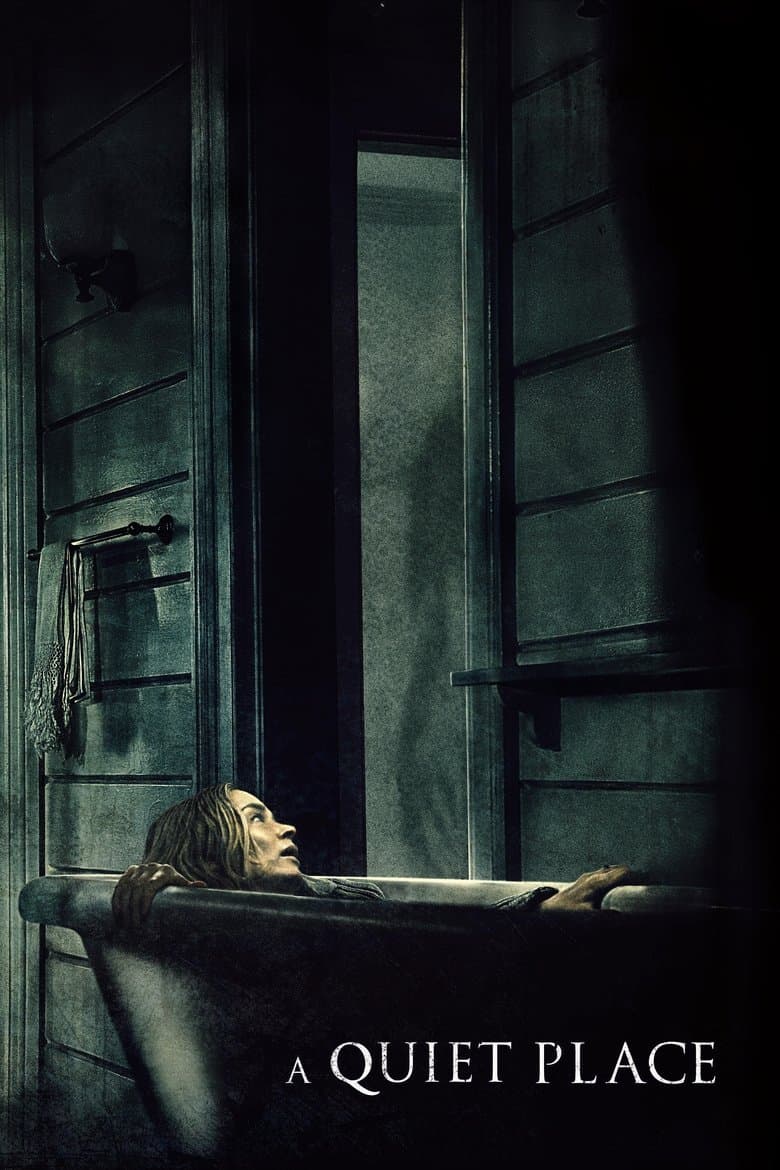
A family is forced to live in silence while hiding from creatures that hunt by sound.

Movie · 2024
With his wife out sick, a struggling father brings home a lifelike AI, only to have his self-aware new help want everything her new family has to offer...

Movie · 2022
Trapped on her family’s isolated farm, Pearl must tend to her ailing father under the bitter and overbearing watch of her devout mother.
Movie · 2022
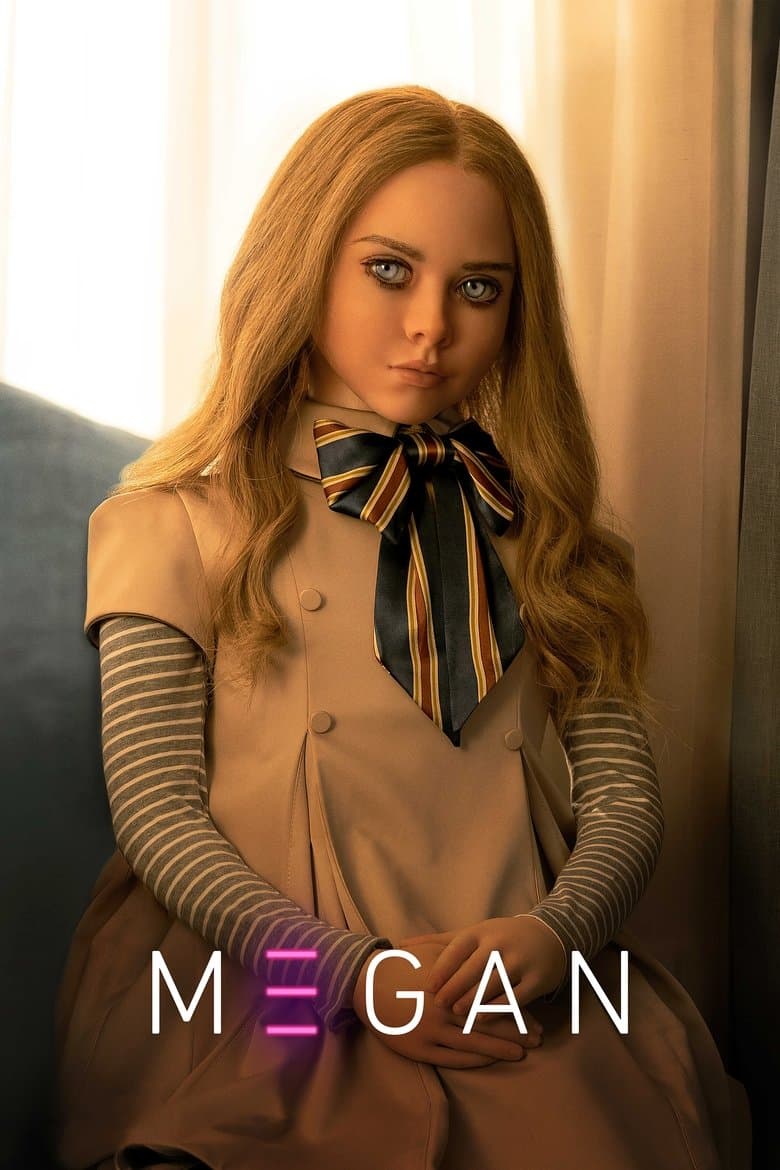
A brilliant toy company roboticist uses artificial intelligence to develop M3GAN, a life-like doll programmed to emotionally bond with her newly orphaned niece.

Movie · 2021
Something lurks off the coast of Block Island, silently influencing the behavior of fisherman, Tom Lynch. After suffering a series of violent outbursts, he unknowingly puts his…

Movie · 2024
A live broadcast of a late-night talk show in 1977 goes horribly wrong, unleashing evil into the nation's living rooms.
Movie · 2020
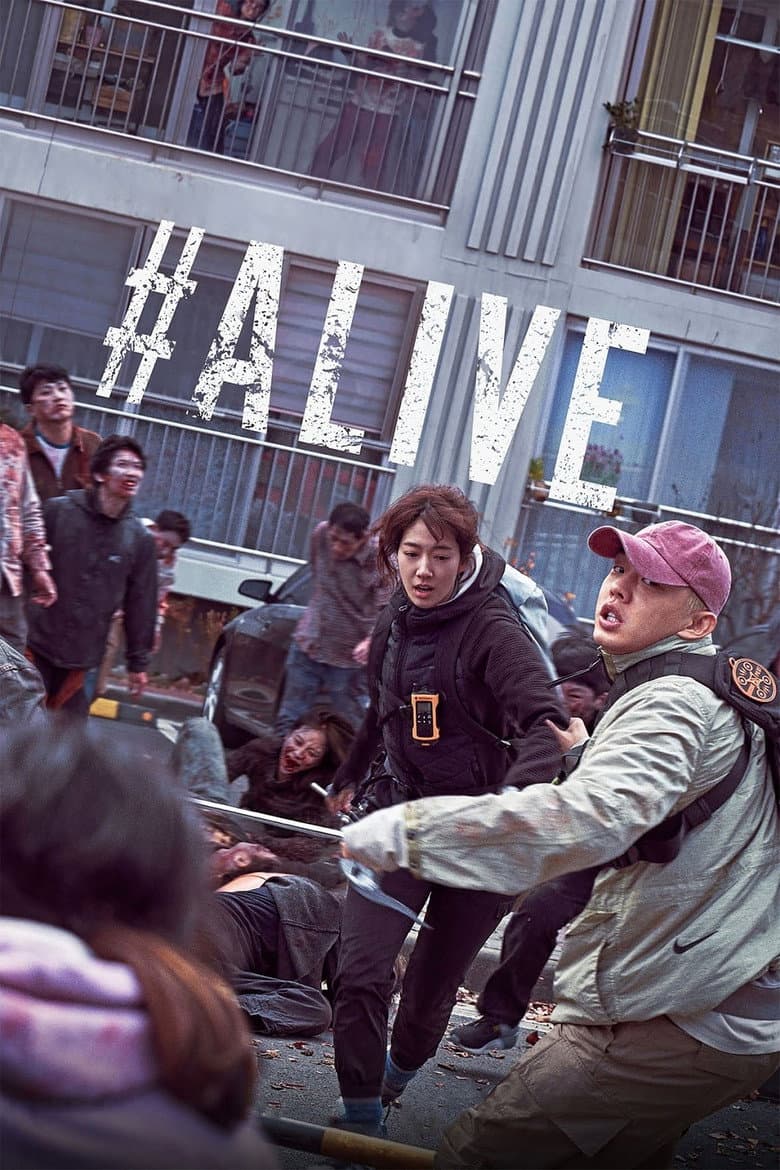
As a grisly virus rampages a city, a lone man stays locked inside his apartment, digitally cut off from seeking help and desperate to find a way out.
Movie · 2020
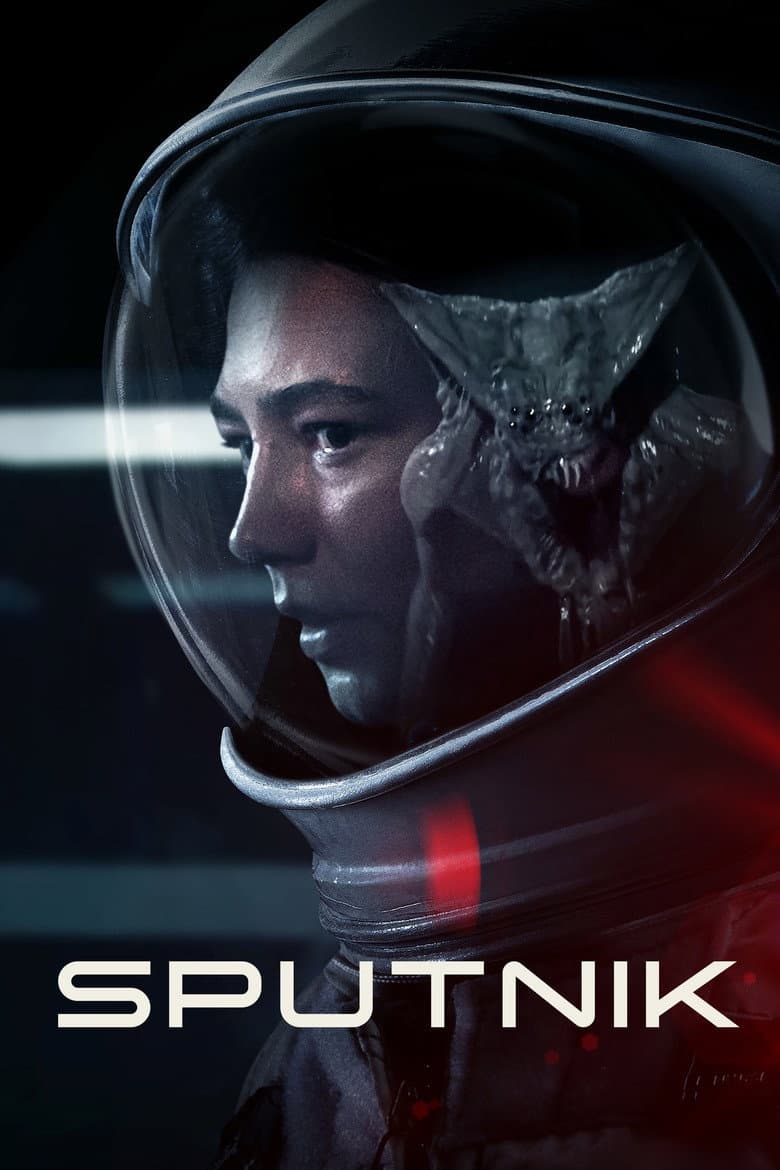
At the height of the Cold War, a Soviet spacecraft crash lands after a mission gone awry, leaving the commander as its only survivor.
