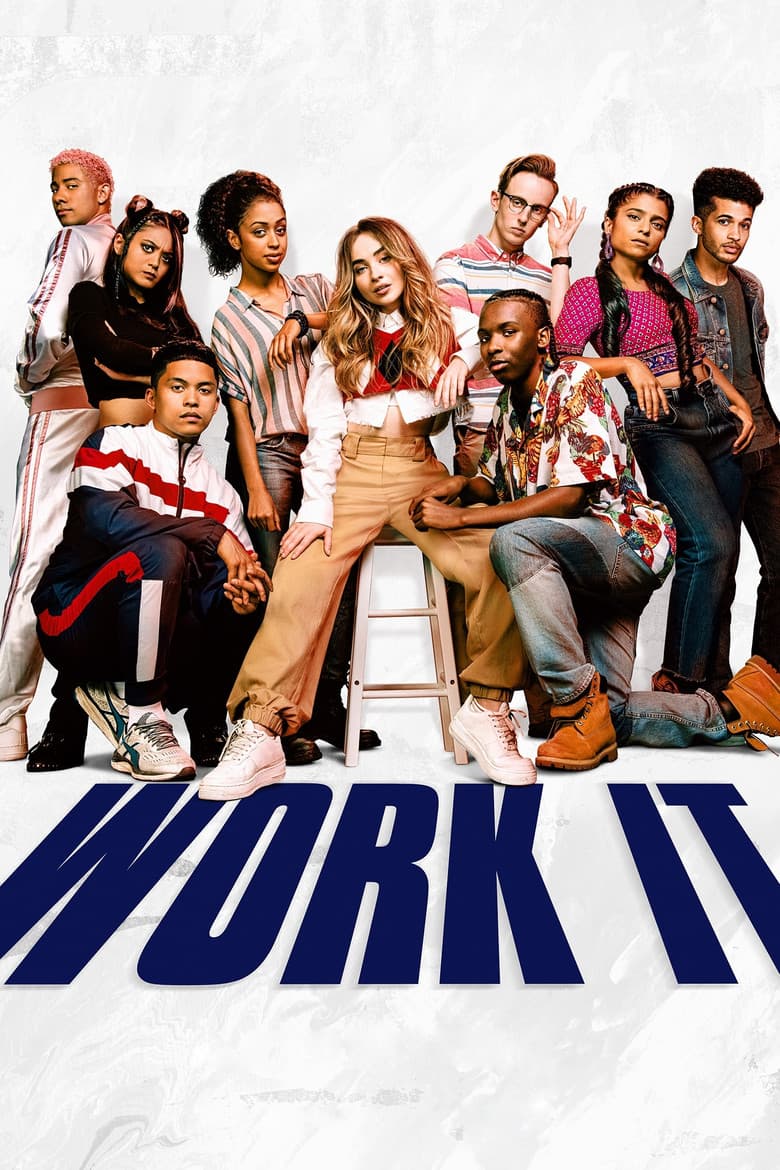
Work It follows Quinn Ackerman, a smart but clumsy high school senior who wants to attend Duke, the college her late father attended. When an admissions officer says that her good grades and many activities look like everyone else’s, Quinn lies that she dances for the school champions. She fails to join that team, so she starts a new group with her friend Jasmine, a former champion named Jake as coach, and several unusual students. The group must learn dance, repair broken friendships, and win a major contest before Quinn’s college chance disappears. The movie has a bright, fast, and silly teen-comedy tone.
The film makes inclusion and self-expression part of the team’s purpose. Quinn gathers dancers with different styles and backgrounds, including South Asian and Asian characters, and the group succeeds by joining those styles together. Julliard, the main rival, is an openly queer male dancer who leads the school’s top team and gets many sharp jokes and dance moments. Girls hold several key dance and leadership roles, while Jake mainly teaches Quinn and helps the group. These points are clear and recurring, but the movie stays focused on dance, friendship, romance, and finding your own path rather than making a political argument.
Community feedback
Was our 54% Woke rating accurate?
Breakdown
These are the editorial factors and ratings behind our score for Work It.
Woke representation / casting
Work It presents a carefully mixed teen team with a white female lead, a South Asian best friend, a mixed-race male love interest, an openly queer male rival, and a varied group of teen dancers. The film gives girls several key jobs, including organizing the team, dancing, and sponsoring it. The group is built around different styles and backgrounds, so the mix is part of the story rather than only background casting. Terruso and the cast also publicly framed the film around inclusion and viewers seeing themselves on screen. This makes the representation easy to notice.
62%
Woke political dialogue
The movie includes a short joke about a dance mishap being a “hate crime” and dancers being a “protected class.” A teacher also jokes about students feeling “triggered” and being sent to a mental health professional. These lines use current identity and therapy language, but the characters play them for laughs. The movie has no repeated political speeches or long DEI discussion.
24%
Identity-driven story themes
Quinn builds the team as a home for students who do not fit the elite squad. The film repeatedly shows that different styles and personal strengths work best when they are joined. Julliard is an openly queer male captain, and his identity is visible through his role, clothes, dance style, and jokes. Quinn also rejects her family’s plan for her and chooses dance for herself. These ideas recur across the contest story, but they remain inside a light friendship and self-expression plot.
48%
Western institutional / cultural critique
Not present. The film mocks college admissions pressure and parental career plans, but it does not frame them as race, gender, class, or anti-Western activist problems.
0%
Woke character or canon changes
Not relevant. Work It is an original story with no older characters, real figures, or source canon to revise. The change from a planned girl rival to a male rival happened during development and did not alter an established character.
0%
Anti-woke backlash and complaints
Not present. The X pass found no anti-woke reaction, and broader searches found no meaningful complaint that the movie pushes DEI or left-wing politics. Some audience criticism targeted gay stereotypes or hip-hop use, but that is not anti-woke backlash.
0%
Creator track record context
Terruso has a mild public focus on getting more women into directing and on representation. Peck writes female-led teen stories and diverse groups but has no clear activist record. Carpenter and Keys have stronger LGBTQ+ allyship, women’s empowerment, and racial-justice signals. The other listed producers and casting director have low public activist signals. The combined context is moderate and supports the film’s inclusion focus, but it does not show a dominant activist profile.
37%
Production
Movie · 2022
Exploring every facet of ‘Weird Al’ Yankovic’s life, from his meteoric rise to fame with early hits like ‘Eat It’ and ‘Like a Surgeon’ to his torrid celebrity love affairs and…
Movie · 2023
A chaotic intervention. An action-packed stay in rehab. After a weird couple of years, John Mulaney comes out swinging in his return to the stage.
Movie · 2023
From his onstage tackle to the slap heard round the world, Dave Chappelle lets loose in this freewheeling and unfiltered stand-up comedy special.
Movie · 2016
Two teenage boys from inner-city Cork steal bicycles and ride off on a 160km quest to find an unrecovered bale of cocaine worth 7,000,000 euros.
Movie · 2016
A comedy that follows a group of friends as they navigate their way through the freedoms and responsibilities of unsupervised adulthood.
Movie · 2024
Inseparable best friends AJ and Moose decide to run the local pool's snack shack after their plan to sell home-brewed beer goes down the drain.
Movie · 2018
Adam Sandler takes his comical musical musings back out on the road, from comedy clubs to concert halls to one very unsuspecting subway station.
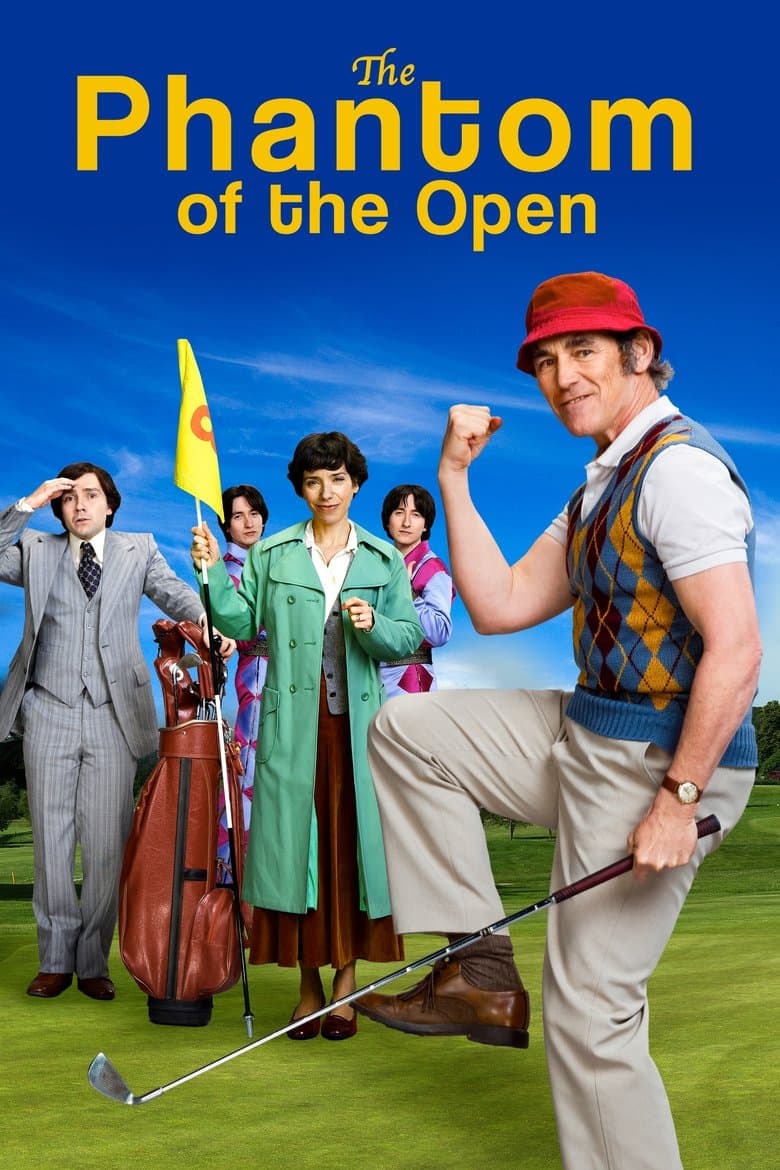
Movie · 2022
Maurice Flitcroft, a dreamer and unrelenting optimist, managed to gain entry to The British Open Golf Championship qualifying in 1976 and subsequently shot the worst round in Open…
