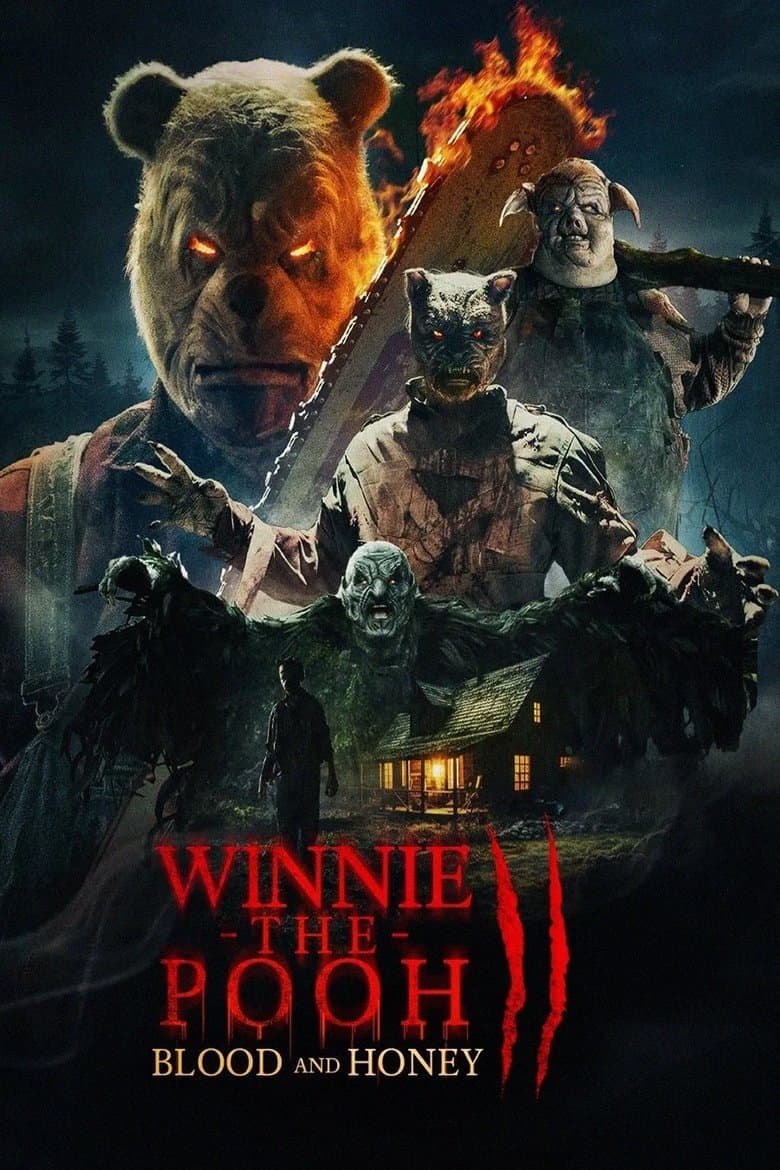
Christopher Robin returns to Ashdown after surviving the first film's killings. The town blames him for the Hundred Acre Wood massacre, and he struggles with nightmares, fear, and memories of his lost twin brother. Pooh, Piglet, Owl, and Tigger leave the woods to punish Christopher and the people who rejected them. The movie is a grim and very bloody slasher with dark jokes, monster costumes, and a family mystery.
The story follows Christopher as he tries to clear his name and protect his younger sister, Bunny. A hidden doctor's experiments explain how the human-animal creatures were made and why Pooh is tied to Christopher's past. The film treats childhood trauma, family loss, revenge, and public blame as horror subjects. Christopher finally learns that Pooh is his missing twin, Billy, and must face him while the surviving monsters prepare another attack.
Community feedback
Was our 1% Woke rating accurate?
Breakdown
These are the editorial factors and ratings behind our score for Winnie-the-Pooh: Blood and Honey 2.
Woke representation / casting
Not present. The film's main roles are Christopher Robin and the male creature group. The supporting town cast is not framed as a diversity or identity message.
0%
Woke political dialogue
Not present. The dialogue deals with blame, trauma, revenge, and monster origins. It does not promote current identity politics, DEI, or activist politics.
0%
Identity-driven story themes
Not present. The story uses family loss, childhood trauma, and revenge as its main themes. Race, sex, sexuality, and group identity do not drive the plot.
0%
Western institutional / cultural critique
Not present. The town's rejection of Christopher is a personal horror device. The film does not turn it into a modern critique of patriarchy, capitalism, religion, or Western culture.
0%
Woke character or canon changes
Not relevant. The film turns Pooh, Piglet, Owl, and Tigger into violent human-animal monsters for a slasher story. That is a genre change, not an identity or political message.
0%
Anti-woke backlash and complaints
Not present. Public reaction focused on gore, public-domain characters, film quality, and the shock of a violent Pooh. No clear anti-woke complaint was found in the supplied X pass or broader coverage.
0%
Creator track record context
Scott Chambers has a mild LGBTQ context because he is openly gay, but no major record of political activism or DEI advocacy is documented. A.A. Milne's pacifist writing is classical anti-war humanism, not modern identity politics. The other listed creators have no high-confidence activist or identity-driven record, so the context is weak.
5%
Production
Movie · 2017
A frustrated, angry teenage girl awakens something in the woods when she naively performs an occult ritual to invoke a witch to kill her mother.
Movie · 2024
A group of criminals kidnap a teenage ballet dancer, the daughter of a notorious gang leader, in order to obtain a ransom of $50 million, but over time, they discover that she is…
Movie · 2022
Finney Blake, a shy but clever 13-year-old boy, is abducted by a sadistic killer and trapped in a soundproof basement where screaming is of little use.
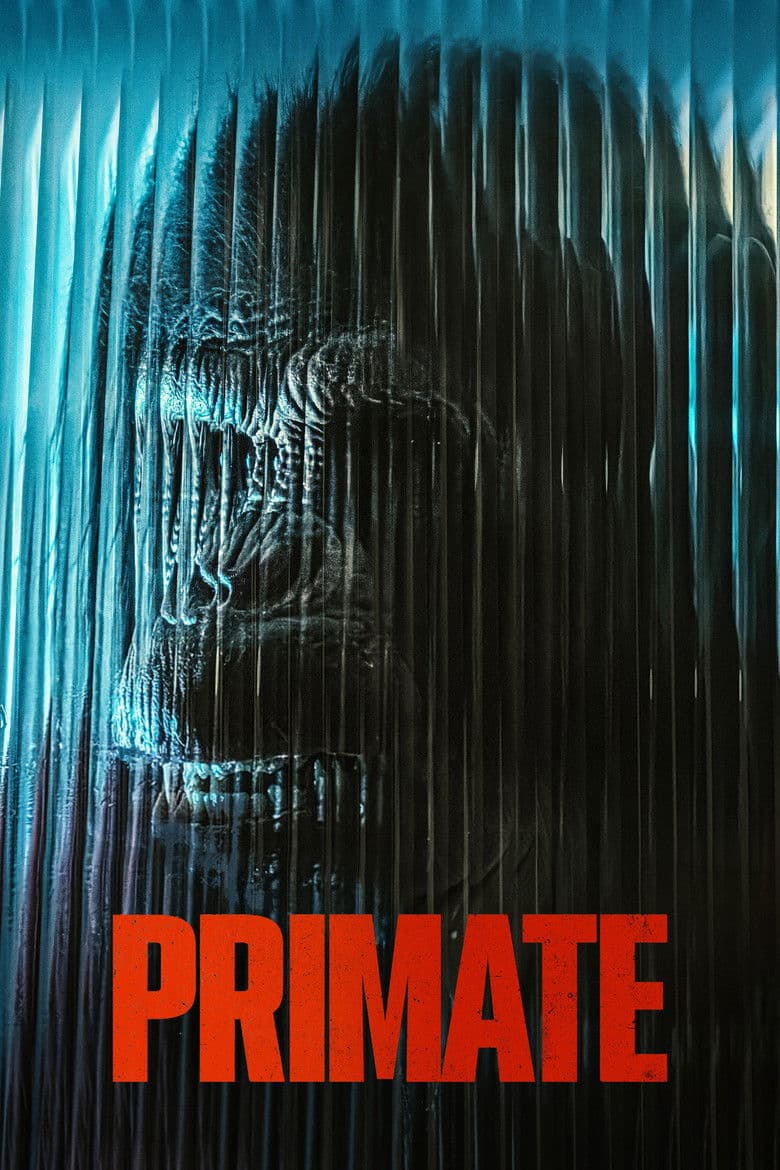
Movie · 2026
College student Lucy and her friends spend their vacation at her family's home in Hawaii, which includes her pet chimpanzee, Ben.
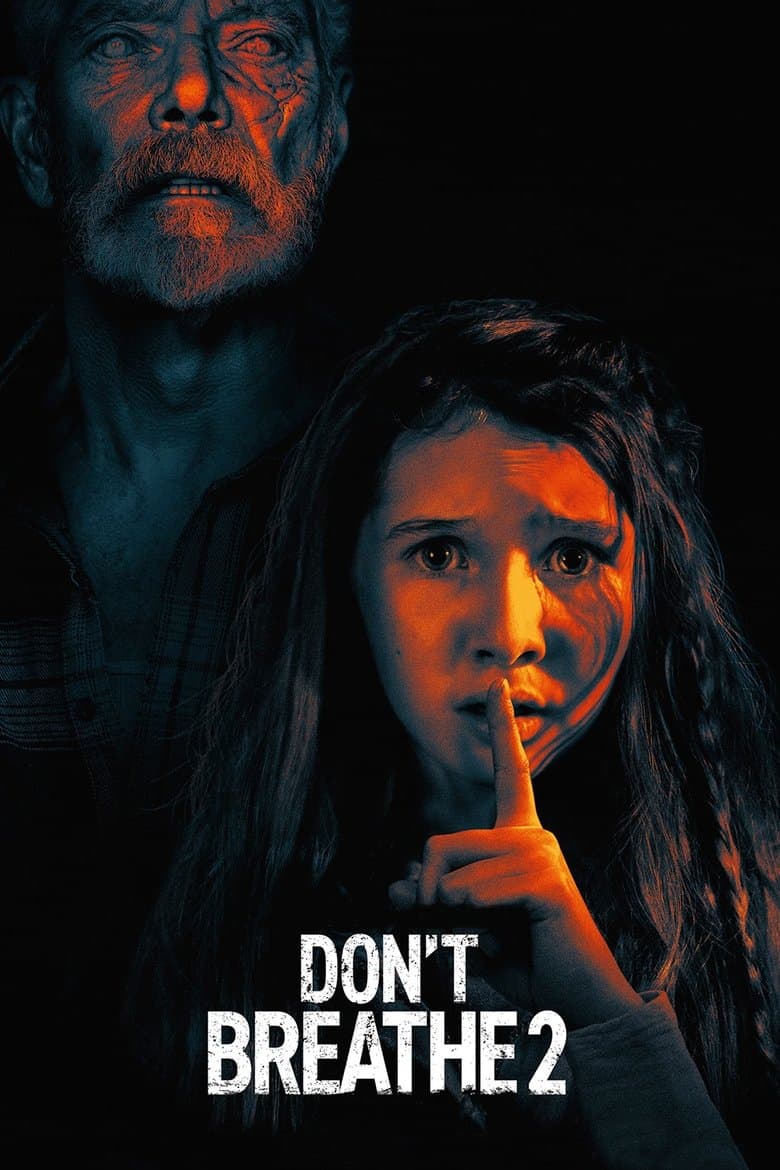
Movie · 2021
The Blind Man has been hiding out for several years in an isolated cabin and has taken in and raised a young girl orphaned from a devastating house fire.
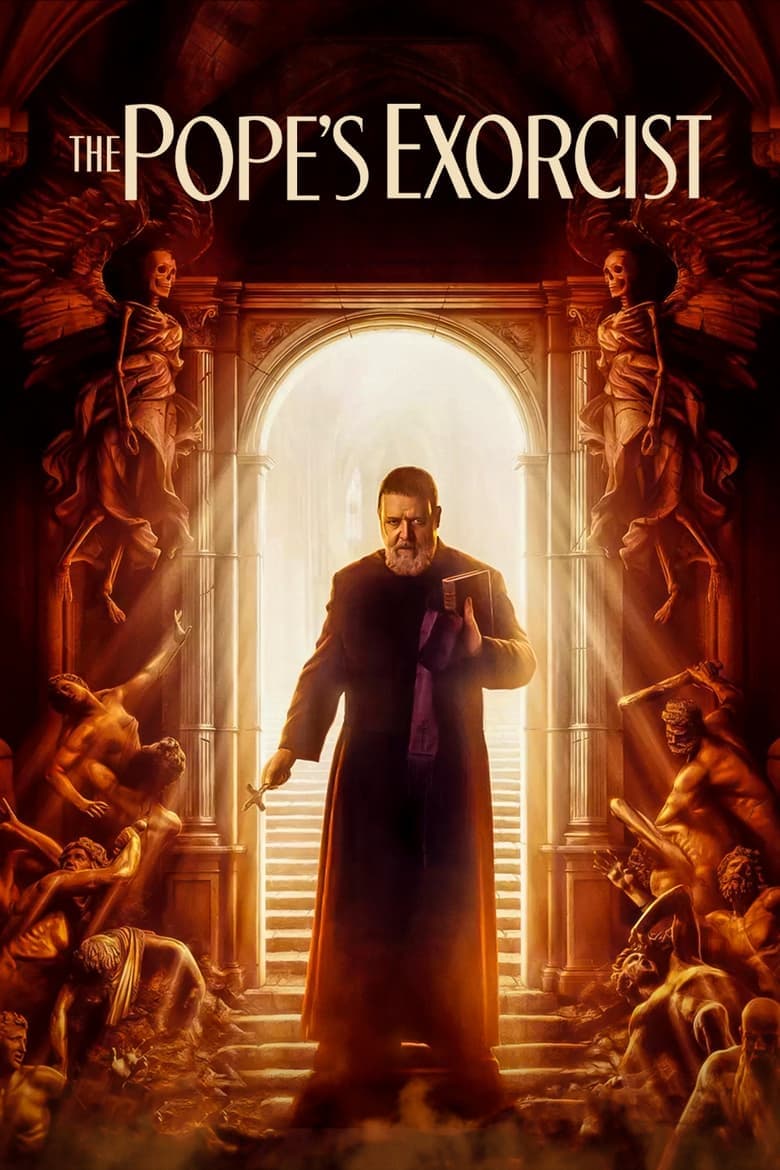
Movie · 2023
Father Gabriele Amorth, Chief Exorcist of the Vatican, investigates a young boy's terrifying possession and ends up uncovering a centuries-old conspiracy the Vatican has…
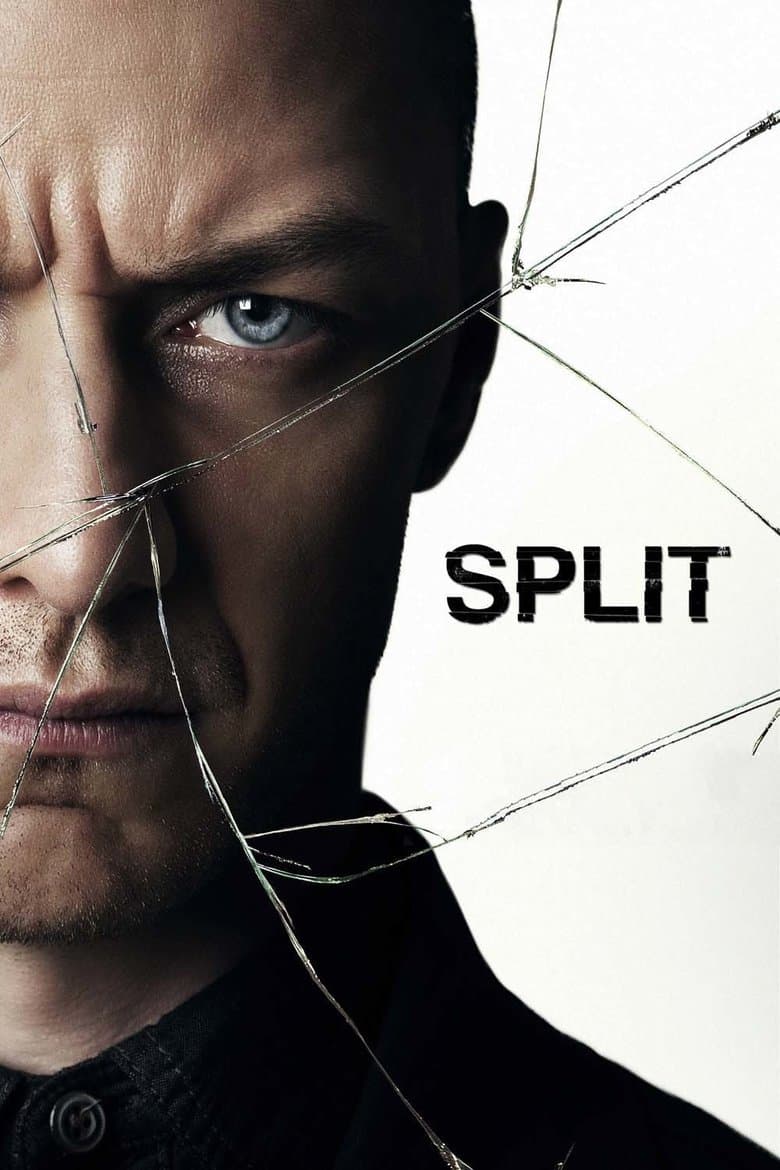
Movie · 2017
Though Kevin has evidenced 23 personalities to his trusted psychiatrist, Dr. Fletcher, there remains one still submerged who is set to materialize and dominate all the others.
Movie · 2017
Two sisters on Mexican vacation are trapped in a shark observation cage at the bottom of the ocean, with oxygen running low and great whites circling nearby, they have less than…
