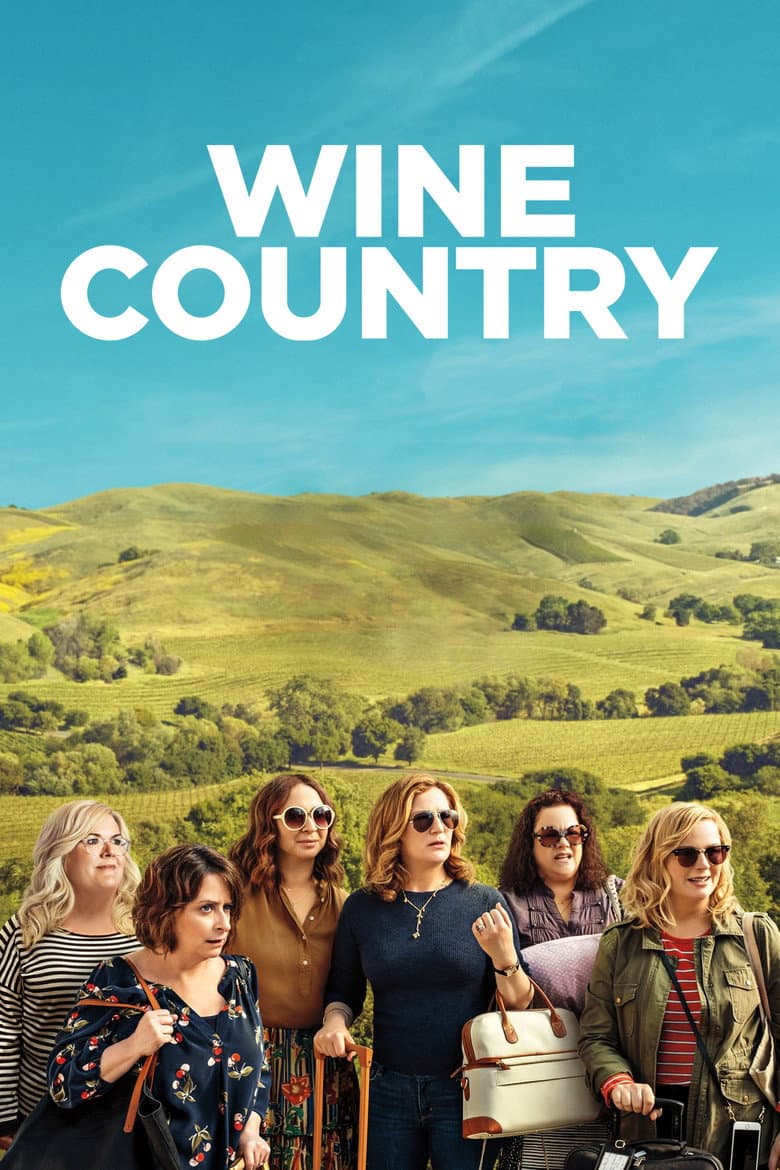
Abby plans a birthday trip to Napa Valley for Rebecca, who is turning 50. Six old friends from their Chicago pizza-shop days gather for wine, food, games, and a tight schedule that soon falls apart. Abby has lost her job, Rebecca is unhappy in her marriage, Naomi fears a medical result, Catherine cannot stop working, Val wants romance, and Jenny feels stuck. Their drinking, jokes, fights, and honest talks create a warm but messy comedy about middle age and friendship.
The movie keeps women at the center of every major story, and it treats long female friendship as a chosen family. It follows their worries about aging, motherhood, work, marriage, loneliness, and feeling overlooked. Val's romance with Jade gives the film a clear lesbian relationship, and the film treats it as ordinary rather than shameful. A few jokes use modern language about white privilege, women being ignored by doctors, and environmental harm. These ideas support the women-centered message, but they appear inside a loose weekend comedy instead of driving a larger political plot.
Community feedback
Was our 53% Woke rating accurate?
Breakdown
These are the editorial factors and ratings behind our score for Wine Country.
Woke representation / casting
The film puts six middle-aged women in all of the main friend roles. The group includes a planner, business owner, mother, writer, and lesbian dater, so women’s lives fill nearly every major scene. Interviews and promotion also present older women as an overlooked group who deserve more screen time. The identity emphasis is clear, while the cast does not look like an extreme diversity checklist.
45%
Woke political dialogue
Abby says that calling her job loss unimportant because others suffer is “white privilege.” The friends also say that the medical system does not listen to women and mention women dying from heart attacks. Abby adds a short warning about plastic, fish, and a nearly lost rhinoceros. These lines are brief jokes in one argument, not a continuing political speech.
35%
Identity-driven story themes
The movie makes women’s aging, friendship, dating, work, and family worries the center of the story. The friends call each other a chosen family and learn to support one another after job loss, marriage trouble, loneliness, and health fears. Val’s continuing romance with Jade adds a visible lesbian story that the movie treats as normal. The message is warm and personal, but these identity themes shape the whole movie rather than a single scene.
55%
Western institutional / cultural critique
Abby mocks the medical system for ignoring women after a doctor dismisses her snake bite. The friends also criticize a bad husband, and Abby briefly names white privilege during an argument about job loss. The film gives these complaints a sympathetic voice, but it does not build a larger attack on men, family, religion, or Western institutions. The critique stays brief and personal.
28%
Woke character or canon changes
Not relevant. The film is an original comedy about fictional friends. It does not change a known character, book, real person, or historical event.
0%
Anti-woke backlash and complaints
Not present. The sampled audience discussion focuses on humor, pacing, medical details, and the Val-Jade side plot. No clear complaint says that the film pushes woke, DEI, or identity politics, and the supplied X research found no anti-woke reaction.
0%
Creator track record context
Amy Poehler has a mild feminist and women-led story track record. Liz Cackowski has a stronger focus on female friendship and representation, while Emily Spivey has no clear activist record. The other listed crew members have low or no strong public woke context. This background supports the movie’s women-centered direction but does not make the film political by itself.
29%
Production
Movie · 2018
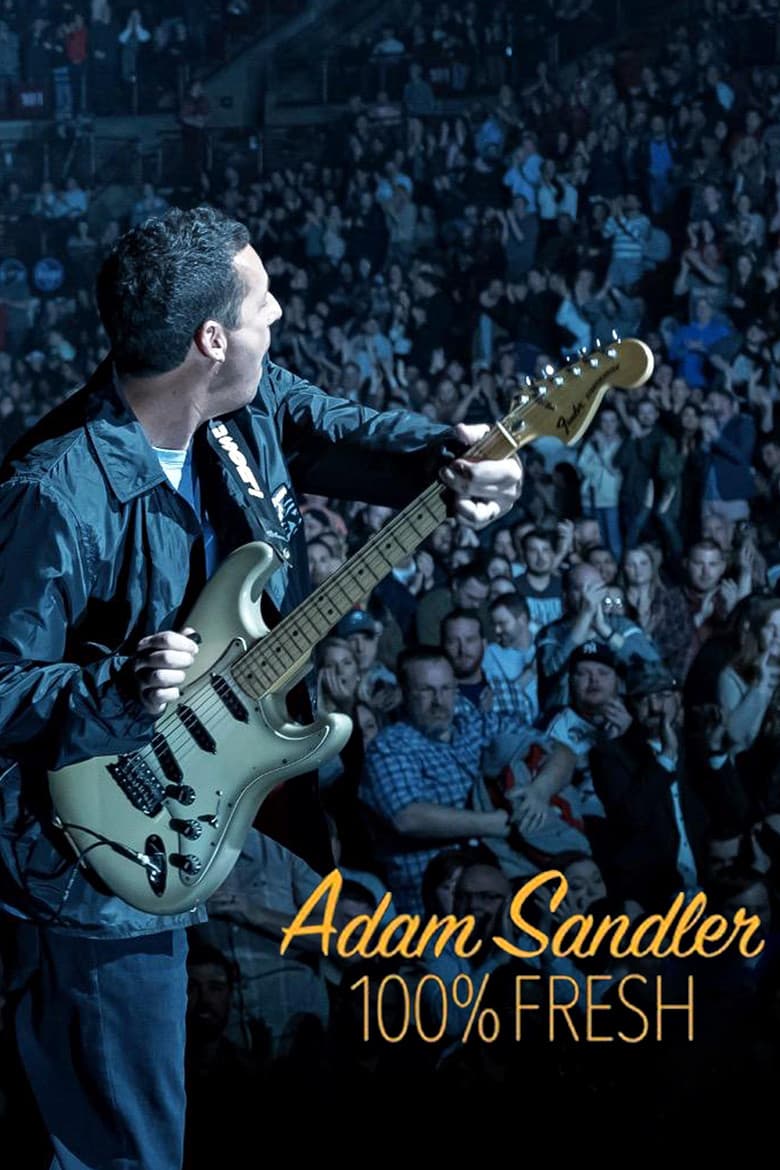
Adam Sandler takes his comical musical musings back out on the road, from comedy clubs to concert halls to one very unsuspecting subway station.
Movie · 2023
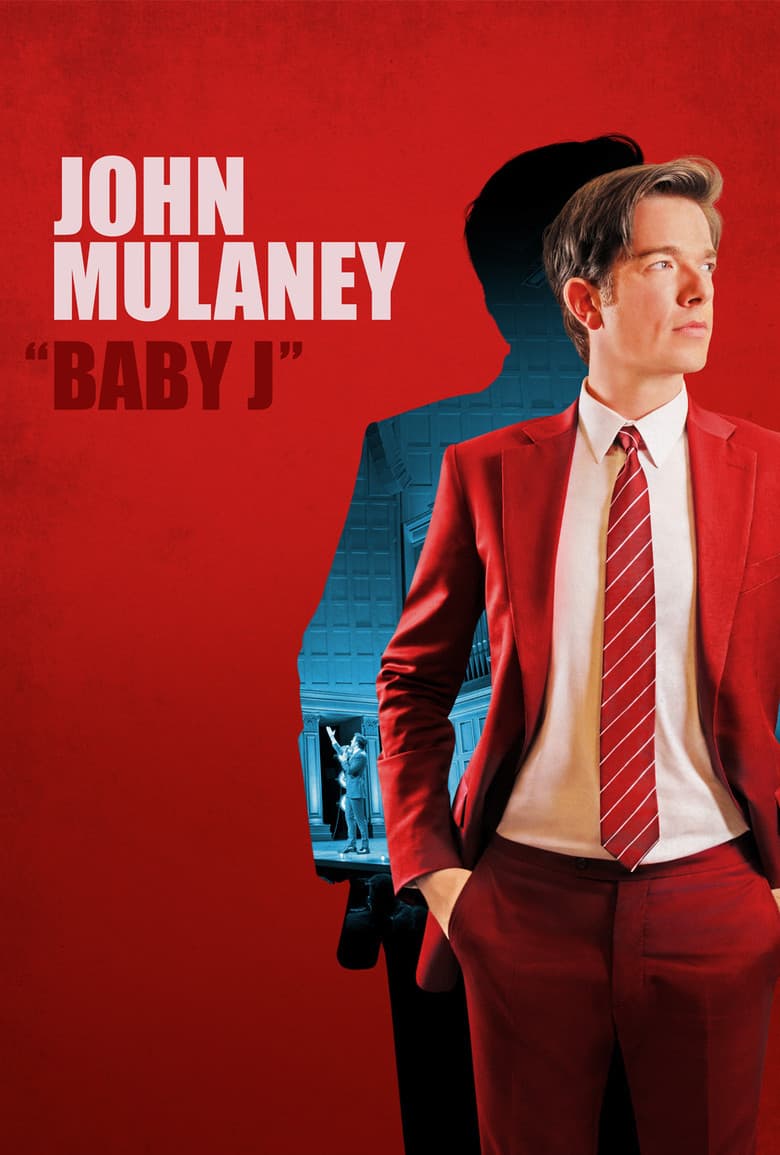
A chaotic intervention. An action-packed stay in rehab. After a weird couple of years, John Mulaney comes out swinging in his return to the stage.
Movie · 2022
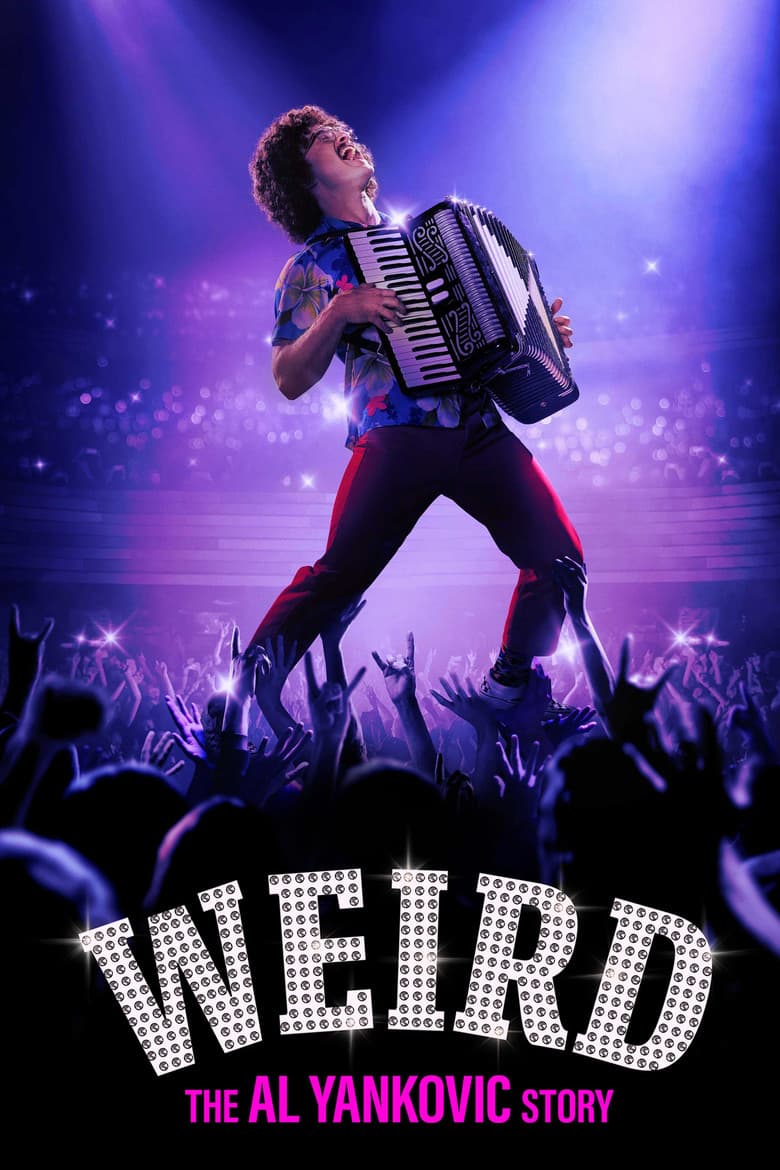
Exploring every facet of ‘Weird Al’ Yankovic’s life, from his meteoric rise to fame with early hits like ‘Eat It’ and ‘Like a Surgeon’ to his torrid celebrity love affairs and…
Movie · 2016
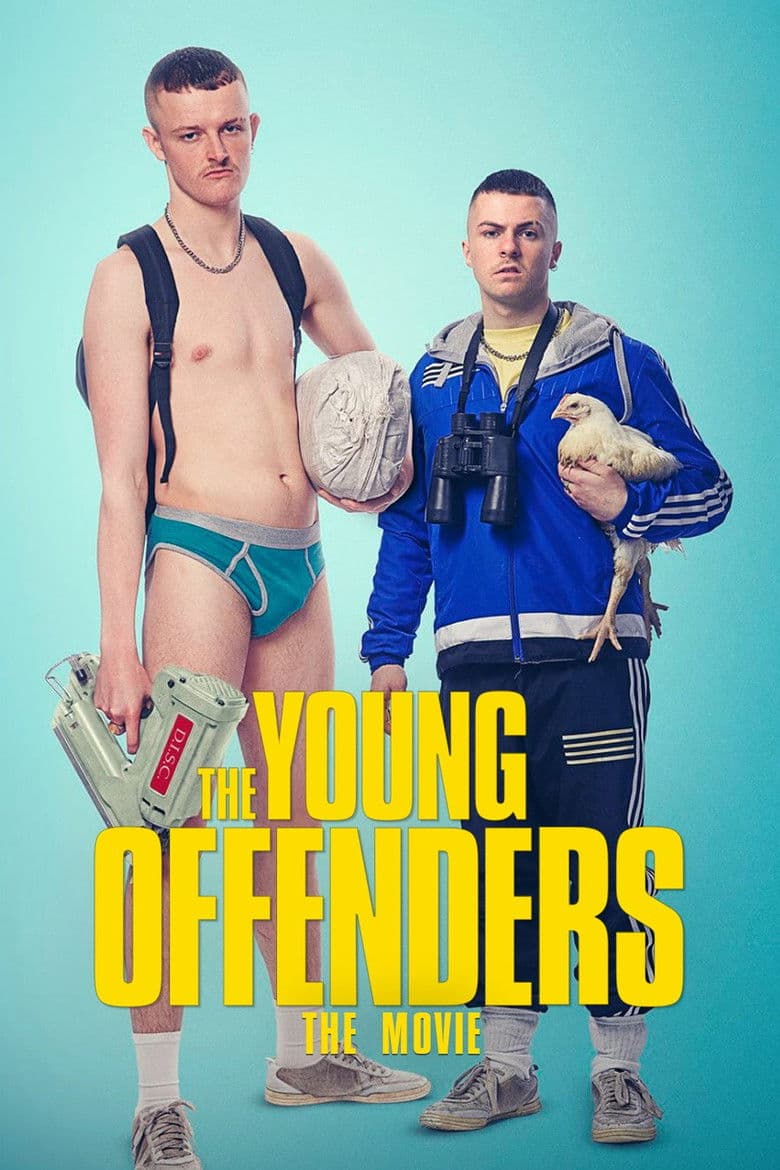
Two teenage boys from inner-city Cork steal bicycles and ride off on a 160km quest to find an unrecovered bale of cocaine worth 7,000,000 euros.
Movie · 2023
From his onstage tackle to the slap heard round the world, Dave Chappelle lets loose in this freewheeling and unfiltered stand-up comedy special.
Movie · 2020
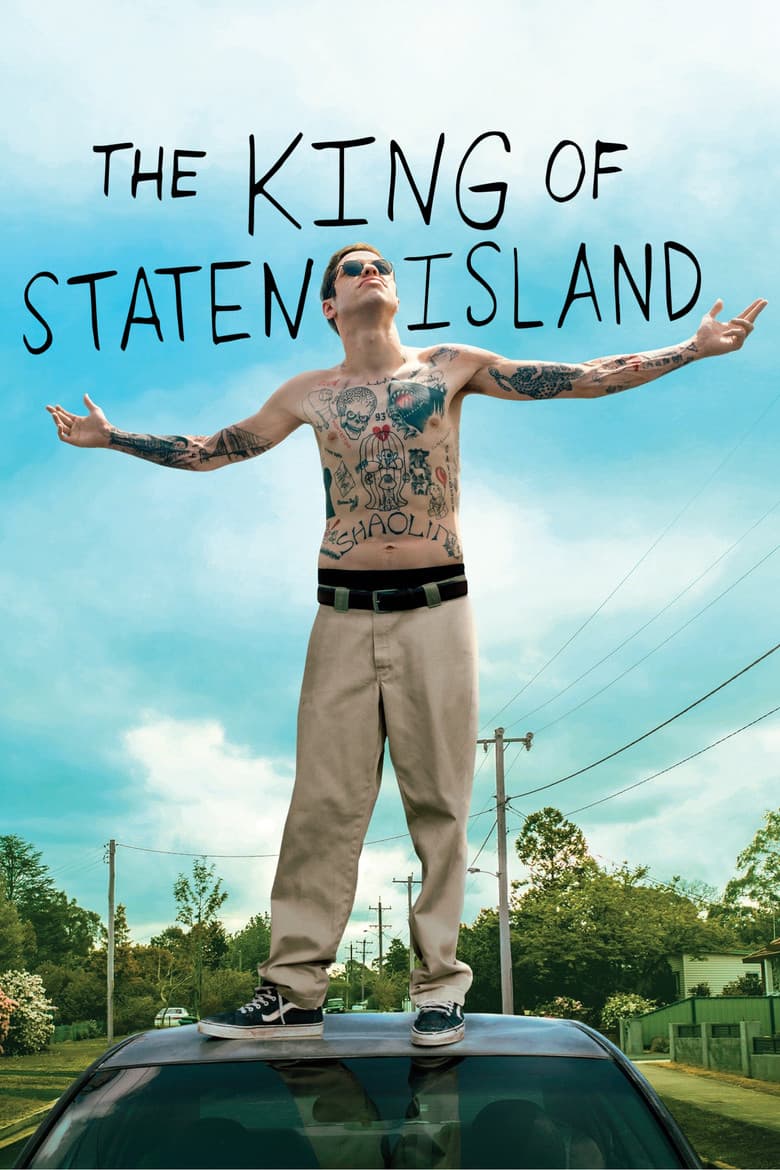
Scott has been a case of arrested development ever since his firefighter father died when he was seven. He's now reached his mid-20s having achieved little, chasing a dream of…
Movie · 2024
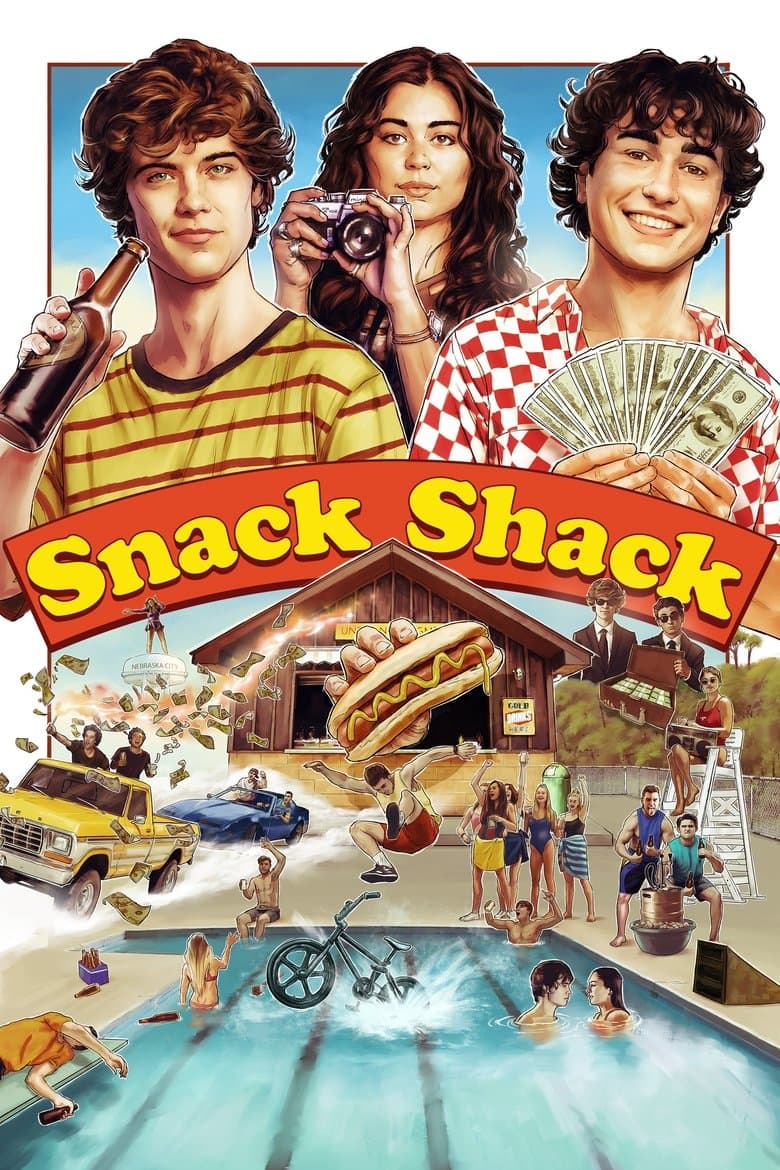
Inseparable best friends AJ and Moose decide to run the local pool's snack shack after their plan to sell home-brewed beer goes down the drain.
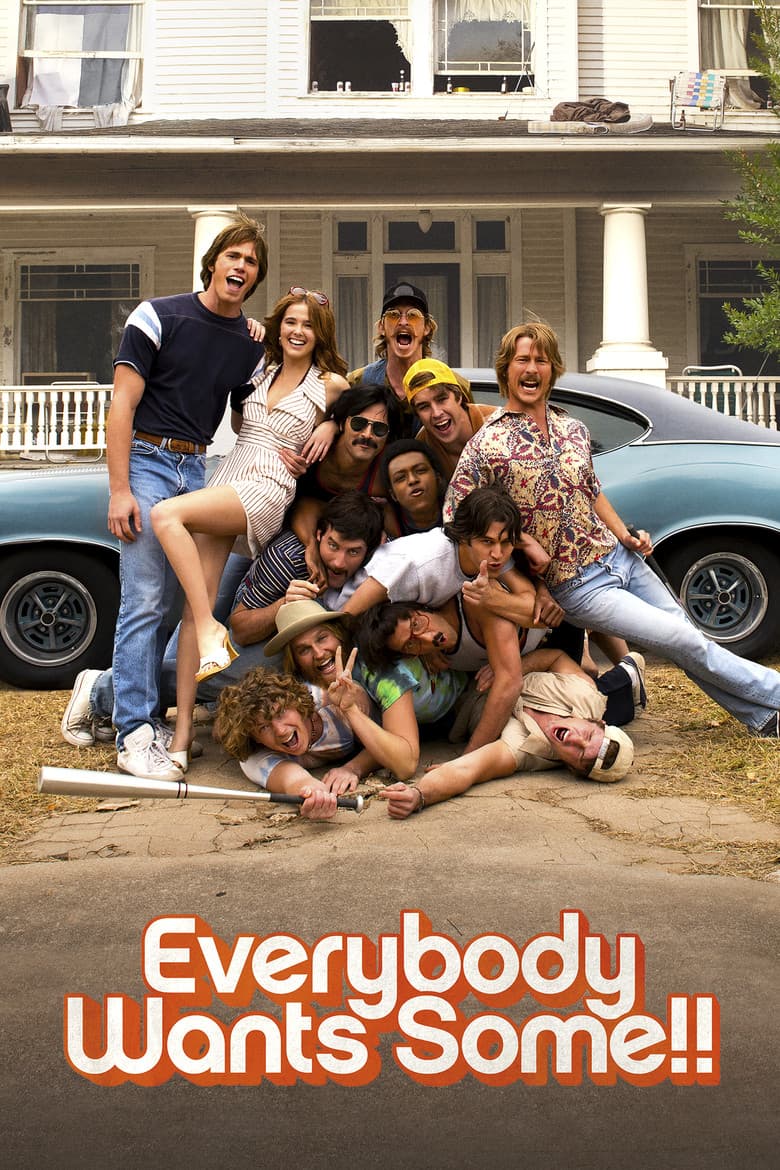
Movie · 2016
A comedy that follows a group of friends as they navigate their way through the freedoms and responsibilities of unsupervised adulthood.
