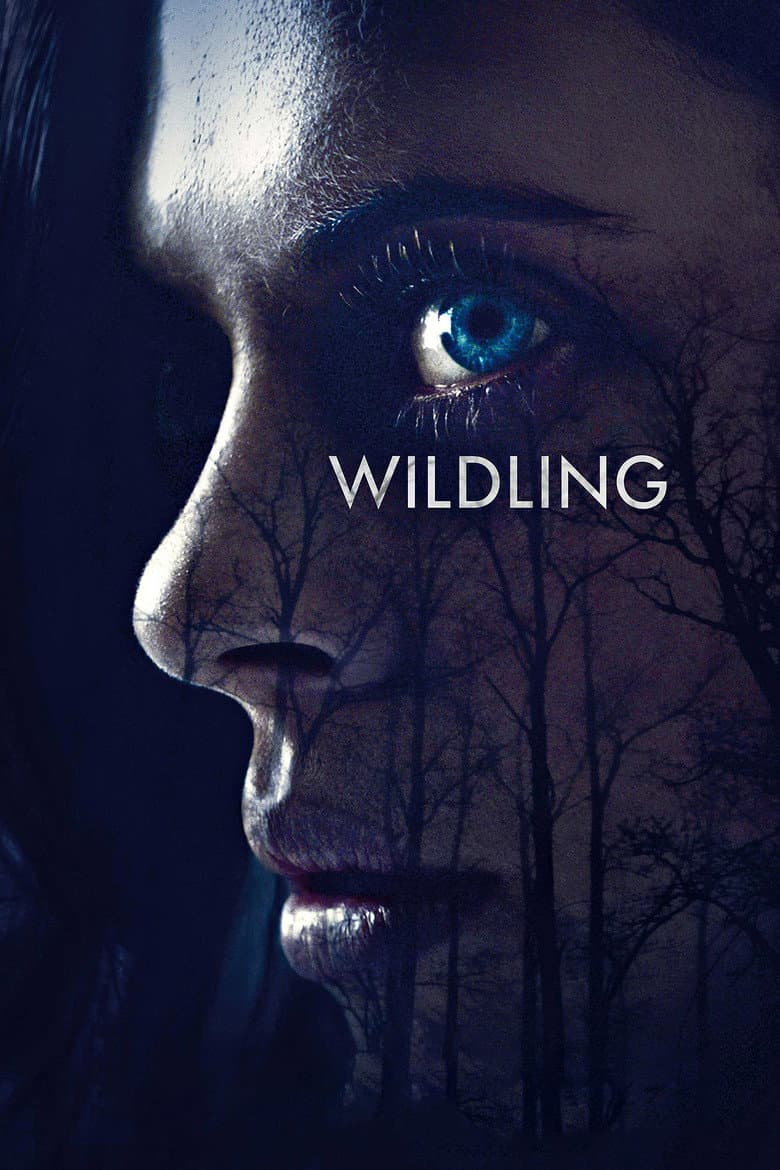
Anna spends her childhood locked in an attic by a man she calls Daddy. He teaches her to fear a child-eating Wildling and gives her shots that slow her body’s changes. At sixteen, Anna is rescued by Sheriff Ellen and enters a small town, a school, and a world she does not understand. Her hunger, violent instincts, and changing body reveal that she is the creature from the story. The film mixes dark fairy tale horror with a sad coming-of-age story.
The film makes female growth its main idea. Anna’s puberty and change into a powerful creature stand for becoming a woman, and the story treats that change as something that men should not control. Daddy, male bullies, and armed hunters create the main danger, while Ellen and Ray offer care and acceptance. The movie carries a clear female empowerment message and a repeated critique of male control. Its identity focus stays on womanhood rather than race or queer themes, and it does not use political speeches or rewrite a known story.
Community feedback
Was our 48% Woke rating accurate?
Breakdown
These are the editorial factors and ratings behind our score for Wildling.
Woke representation / casting
Anna is a white teenage girl, and Ellen is a white female sheriff. Their gender roles are prominent, and the director said he wanted a female perspective because the genre lacked one. The film does not build a broad race, queer, or other identity-based ensemble. The casting gives the story a modest identity signal through female-centered roles.
24%
Woke political dialogue
Not present. The characters do not give modern identity, DEI, or activist speeches. The brief talk about men being fathers and women being mothers is basic family information, not woke political dialogue.
0%
Identity-driven story themes
Anna’s puberty and changing body drive the whole story. Daddy uses fear, confinement, and medicine to stop her from growing, while several men treat her power as a threat. The film presents her change into a wild creature as a painful path toward freedom and self-acceptance. The central metaphor links womanhood with resistance to male control.
62%
Western institutional / cultural critique
Anna’s father controls her body and choices through lies and confinement. Male bullies and armed hunters treat her as something to own or destroy when she becomes powerful. Ellen, a female sheriff, stands against that control and protects Anna for much of the story. The film presents male authority and traditional control of girls as dangerous, but it does not attack Christianity, capitalism, or Western institutions as a whole.
43%
Woke character or canon changes
Not relevant. The Wildling creature and its characters are original to this movie. The film does not adapt an established character or real historical event.
0%
Anti-woke backlash and complaints
Not present. The available X pass found no anti-woke posts. Reddit, Letterboxd, and audience reviews focus on pacing, romance, and story quality instead of woke or DEI messaging.
0%
Creator track record context
Fritz Böhm and Florian Eder have little public record of activist or identity-driven work. Most producers have work-focused records. Timothy Christian has worked on black-centered films, and Lee Stobby has worked with LGBTQ stories. The film’s female-perspective goal adds a small signal, but the overall creator record is mostly professional.
15%
Production
Movie · 2021
An Icelandic couple live with their herd of sheep on a beautiful but remote farm. When they discover a mysterious newborn on their land, they decide to keep it and raise it as…
Movie · 2021
Four children become friends during the summer holidays, and out of sight of the adults they discover they have hidden powers.
Movie · 2019
When Sarah lucks into a sweet one-bedroom at Asilo Del Mar Apartments in Los Angeles, she thinks she's hit the jackpot.
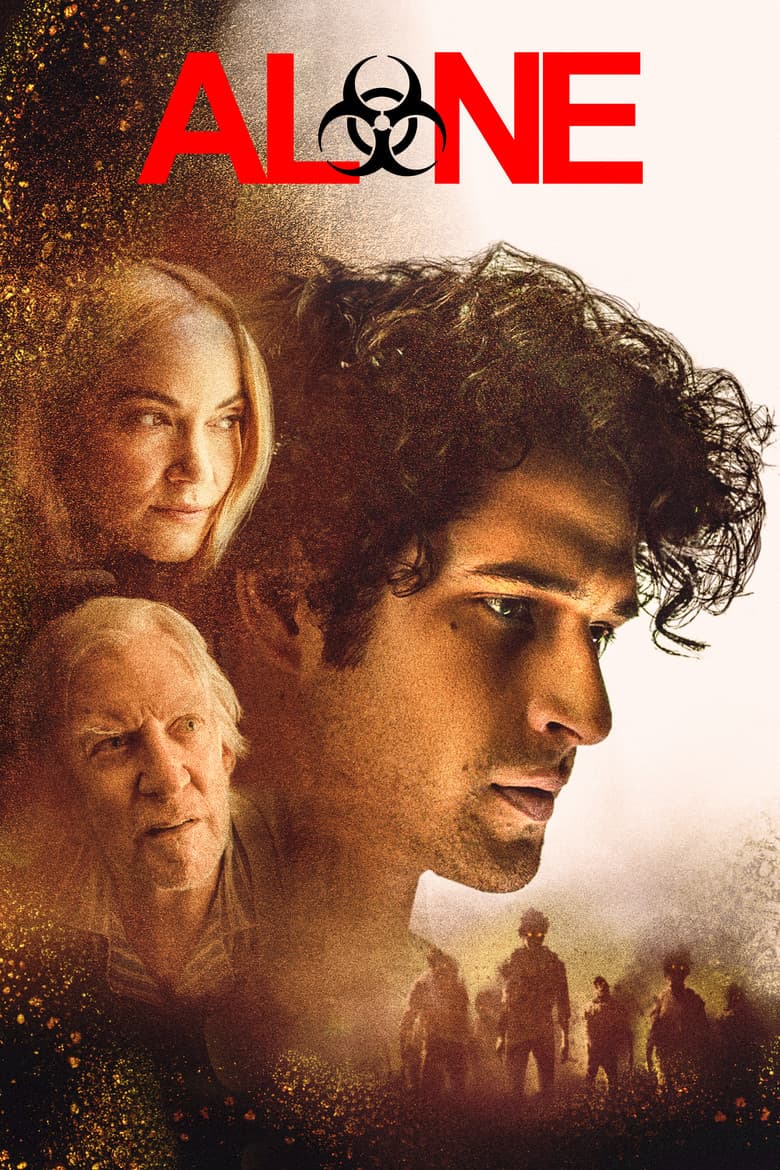
Movie · 2020
When an outbreak hits, Aidan barricades himself inside his apartment and starts rationing food. His complex is overrun by infected Screamers, and with the world falling apart into…
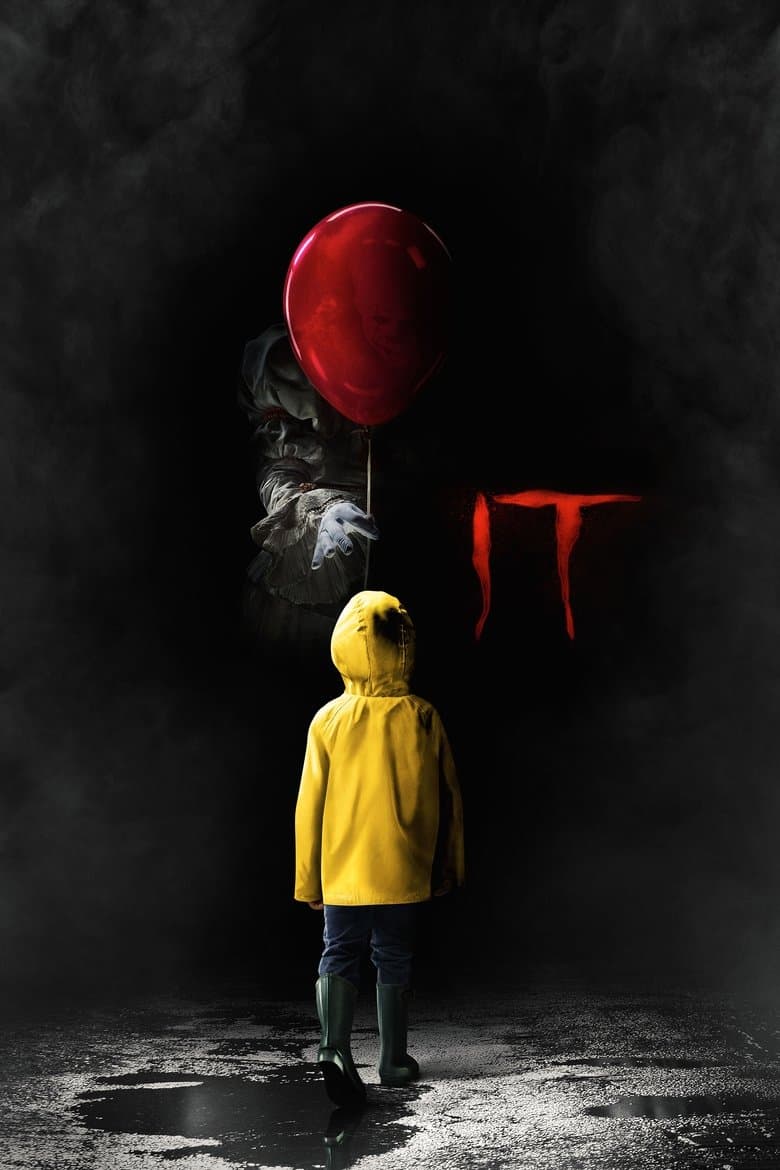
Movie · 2017
In a small town in Maine, seven children known as The Losers Club come face to face with life problems, bullies and a monster that takes the shape of a clown called Pennywise.
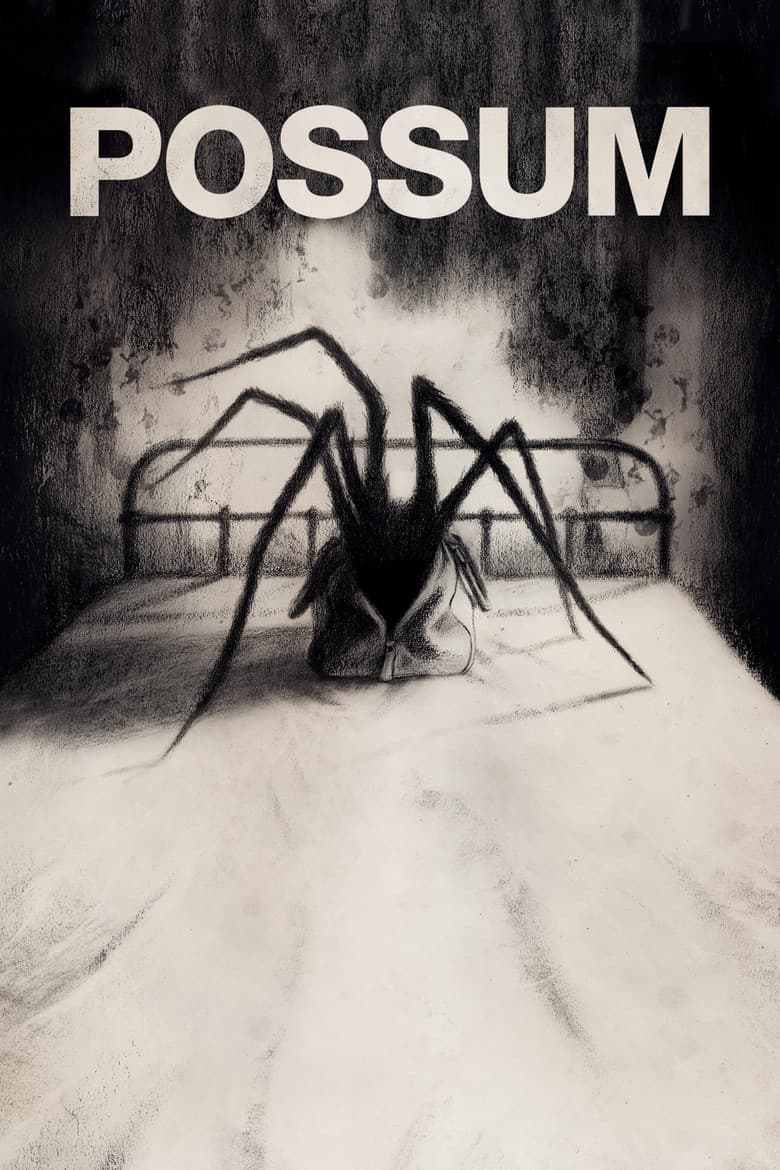
Movie · 2018
A disgraced children's puppeteer returns to his childhood home and is forced to confront his wicked stepfather and the secrets that have tortured him his entire life.
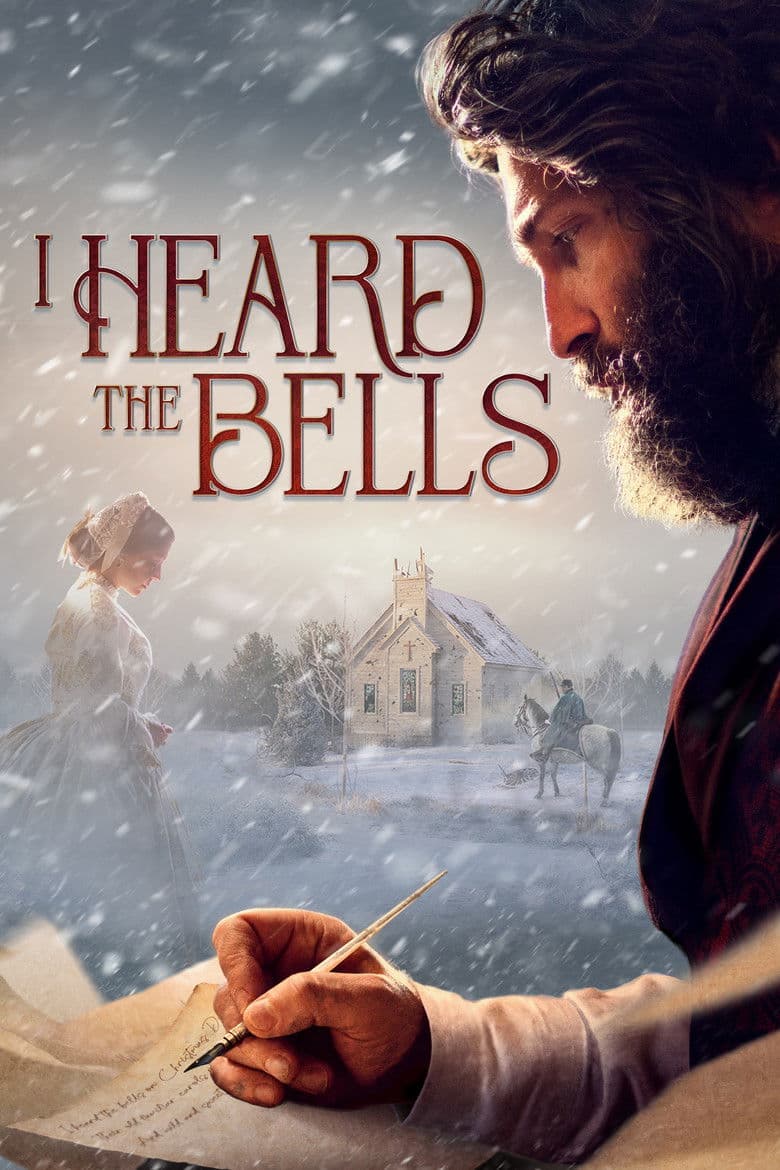
Movie · 2022
Known as America’s Poet, Henry Wadsworth Longfellow leads an idyllic life – until the day his world is shattered by tragedy.
Movie · 2019
Newlywed Jennifer is brutally attacked at a dark rest stop. While healing from her injuries, she can’t recall anything from her past, including the ordeal.
