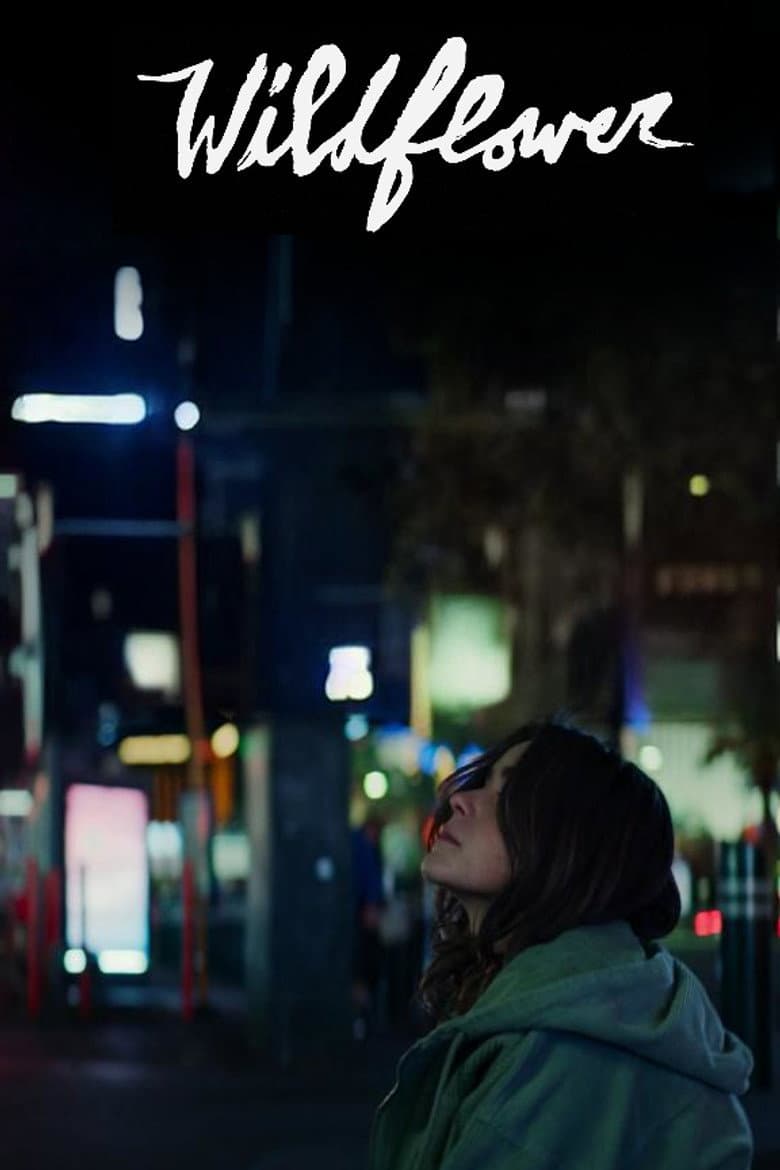
Bea Johnson grows up in Las Vegas as the smart, tired daughter of Sharon and Derek, two parents with intellectual disabilities. By high school she is basically the adult at home: bills, meals, and care fall on her. Her big extended family keeps fighting over what is best for her. The tone mixes dry jokes with warm family drama as Bea wants a normal teen life and a future of her own.
The film is mainly about disability, family care, and growing up too fast. Viewers clearly see a story built around disabled parents, a teen caregiver, and relatives who cannot agree. Marketing and news also talk up “authentic” casting of neurodivergent actors and disability representation. There is a brief joke where Bea claims she is a lesbian to shock her Christian parents, and some family talk about whether disabled parents should have kids. Race and gender politics are not the center. A normal viewer would notice the disability focus and the soft message about respect for disabled parents more than any hard activist lecture.
Community feedback
Was our 19% Woke rating accurate?
Breakdown
These are the editorial factors and ratings behind our score for Wildflower.
Woke representation / casting
Hyde (neurodivergent) as mom and Mihok as dad are clear, story-tied disability casting that ads and Disability Pride coverage push as authentic representation. Black social worker and Latino counselor are visible supporting roles without heavy identity spotlight. Lead family is mostly white. Noticeable casting message around disability, not race/gender quota drama.
20%
Woke political dialogue
Family fights include hard talk about whether disabled parents should have kids and a sterilization idea treated as wrong. Bea once claims she is a lesbian to shock her Christian parents for a laugh. Little modern race, gender, or activist speech. Light and easy to miss next to the family plot.
12%
Identity-driven story themes
The whole story is built on intellectual disability, a child who becomes the caregiver, and relatives fighting over control versus respect for the parents. Marketed as disability representation more than race or queer identity politics. Strong personal/family disability theme that some viewers will read as social messaging; still a coming-of-age family film first.
20%
Western institutional / cultural critique
A social worker looks into the case; relatives and systems argue who should raise Bea. Sterilization talk is framed as cruel. Mild class snobbery at a private school. Parents’ simple Christian faith is background and used for one shock joke, not a long attack on faith or Western norms.
5%
Woke character or canon changes
Not present in this title.
0%
Anti-woke backlash and complaints
No clear right-leaning or anti-woke campaign calling the film forced DEI, propaganda, or identity politics. Public heat is thin; sharper reviews often argue the disability portrayal is weak or exploitative, which does not count here.
0%
Creator track record context
Key names score low in cached data: Smukler 12, Savage 0, most producers 0, with mild notes for Lourd (15) and Patricof (22). Supports a personal family film more than an activist brand.
12%
Production
Movie · 2023
Allison's life falls apart following her involvement in a fatal accident. The unlikely relationship she forms with her would-be father-in-law helps her live a life worth living.
Movie · 2023
Leo and Angela Russo live a simple life in Queens, surrounded by their overbearing Italian-American family. When their son finds success on his high school basketball team, Leo…

Movie · 2018
Vignettes weaving together the stories of six individuals in the old West at the end of the Civil War. Following the tales of a sharp-shooting songster, a wannabe bank robber, two…

Movie · 2023
Single mom Flora is at a loss about what to do with her rebellious teenage son, Max. Her efforts to keep him out of trouble lead to a beat-up acoustic guitar, a washed-up LA…
Movie · 2017
Brigsby Bear Adventures is a children's TV show produced for an audience of one: James. When the show abruptly ends, James's life changes forever, and he sets out to finish the…
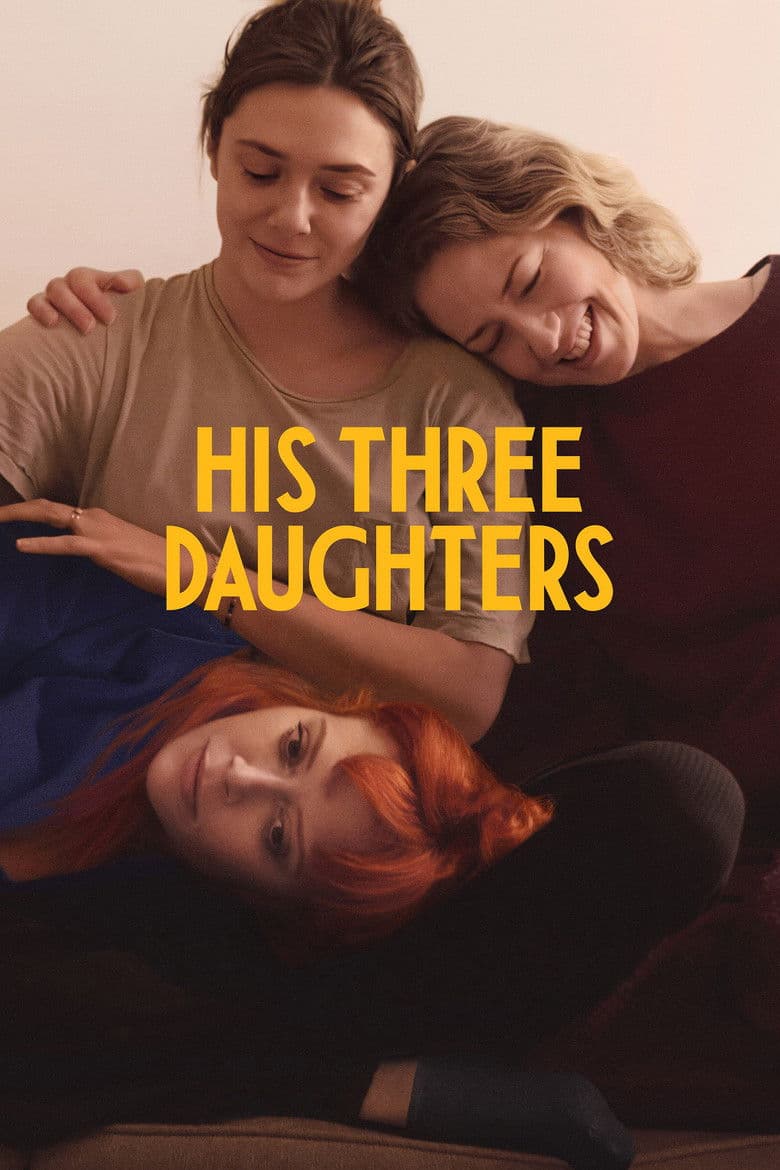
Movie · 2024
Emotions run high when three estranged sisters reunite in a cramped New York City apartment to watch over their ailing father during his final days.
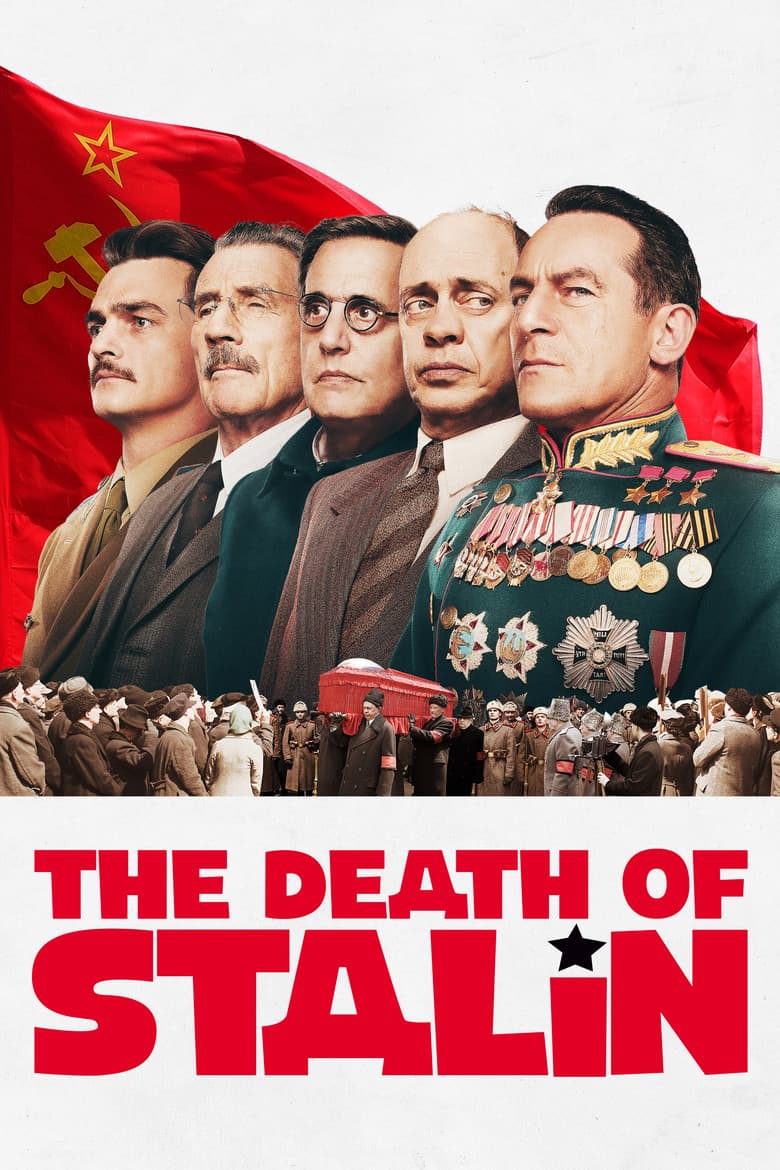
Movie · 2017
When dictator Joseph Stalin dies, his parasitic cronies square off in a frantic power struggle to become the next Soviet leader.
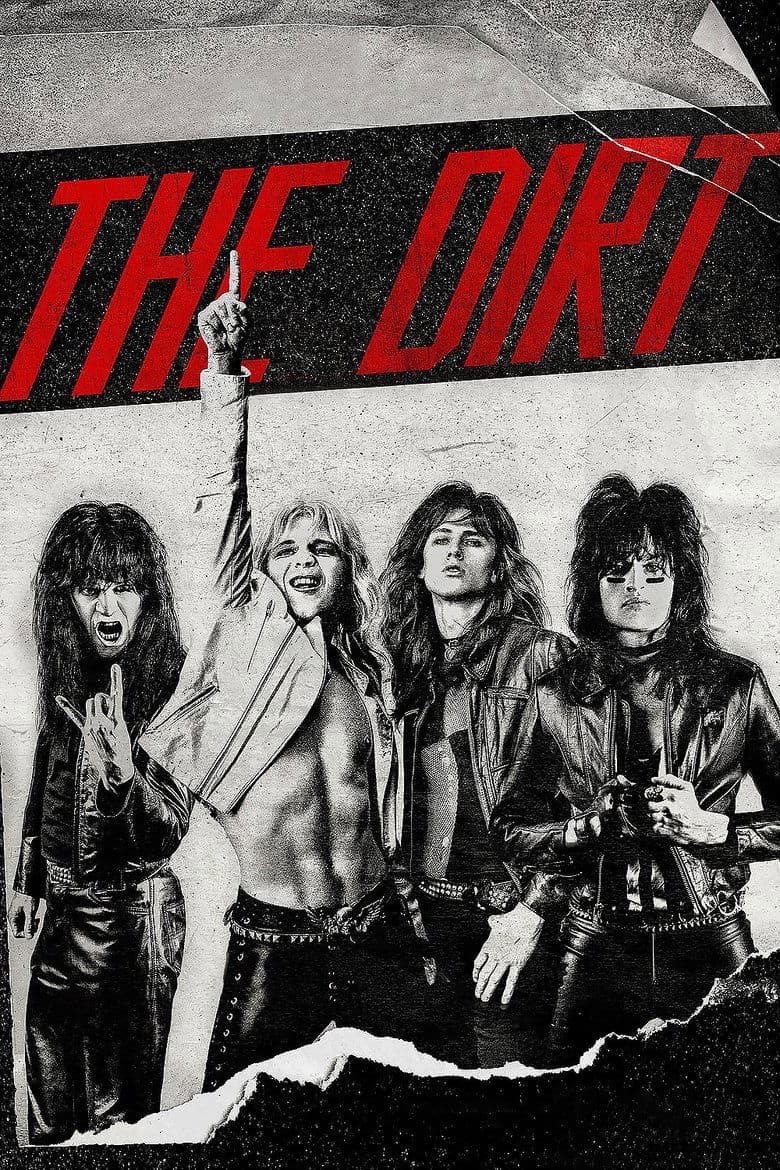
Movie · 2019
The story of Mötley Crüe and their rise from the Sunset Strip club scene of the early 1980s to superstardom.
