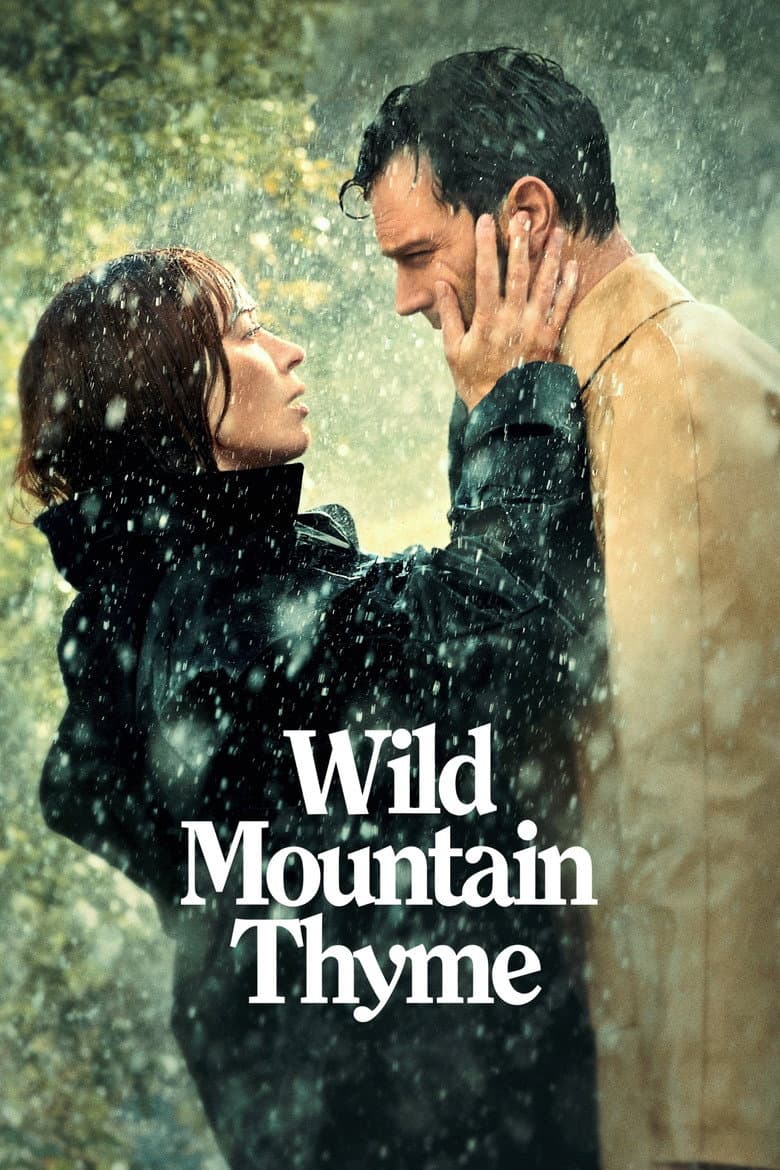
Wild Mountain Thyme follows Rosemary Muldoon, a strong farmer who lives in rural Ireland. She has loved her neighbor, Anthony Reilly, since they were children, but Anthony cannot understand or return her feelings. Anthony also fears that his father will sell the family farm to their rich American cousin. The film mixes romance, family grief, strange humor, and a soft fairy tale mood.
Rosemary drives much of the story because she runs her farm, owns the land between the two farms, and openly chases Anthony. The film gives her more confidence and purpose than Anthony, who stays quiet, confused, and afraid of marriage. Several scenes praise women's strength and ask what men are supposed to do. The story also deals with hidden fears, family duty, loss, and Anthony's strange belief that he is a honey bee.
Community feedback
Was our 43% Woke rating accurate?
Breakdown
These are the editorial factors and ratings behind our score for Wild Mountain Thyme.
Woke representation / casting
The main cast fits the film's white rural Irish setting, and the film does not build a diversity checklist. Rosemary is a prominent, capable female farmer who owns the key strip of land and openly pursues Anthony. That gender-role choice is easy to see, but it is one central pattern rather than a broad representation design.
24%
Woke political dialogue
Rosemary says that one woman can do a job that is usually called a two-man job. The film has her say that men are useless and that women are the salvation of the world. Tony and Anthony then ask what a man's place is and whether a man should have feelings. These lines give the film a clear gender-role angle, but they appear in a few comic scenes rather than a long political speech.
30%
Identity-driven story themes
Rosemary is the film's most active and capable farmer, and she owns the land that controls access to the Reilly farm. Rosemary also drives the romance by chasing Anthony, while Anthony stays passive, confused, and afraid of marriage. The film repeatedly praises women's strength and treats old male roles as limiting. That message is central to the couple's story, but it is mixed with grief, family duty, and a fairy-tale twist instead of a wider activist program.
52%
Western institutional / cultural critique
Rosemary challenges the old idea that farm work belongs to men. The film has her call men useless and asks what a man's place is. That brief exchange questions traditional gender roles inside the family and romance. The story does not turn this into an attack on churches, family life, or Western institutions.
24%
Woke character or canon changes
Not relevant. The film adapts John Patrick Shanley's own play and does not change a known legacy character or real event for identity reasons. It does not use a race or gender swap.
0%
Anti-woke backlash and complaints
Not present. News reports describe mockery of the accents and Irish clichés, not complaints that the film pushes woke or DEI politics. The supplied X research found no anti-woke reaction, boycott talk, or review-bombing.
0%
Creator track record context
John Patrick Shanley's public work is mainly about faith, family, authority, and moral problems, not DEI campaigns. His film interviews describe this story as a personal Irish family tale drawn from his father's life. Martina Niland's record adds a mild representation signal because she often backs culturally specific Irish stories and less-heard local voices. The other credited creators have little public record of activism or identity campaigning.
17%
Production

Movie · 2020
Young musician Zach Sobiech discovers his cancer has spread, leaving him just a few months to live. With limited time, he follows his dream and makes an album, unaware that it…

Movie · 2020
When illness strikes two people who are polar opposites, life and death bring them together in surprising ways.

Movie · 2025
Heather is a young woman traveling Europe with friends before starting her perfectly planned life. A chance meeting with Jack sparks an unexpected romance that leads to deep…

Movie · 2018
Katie, a 17-year-old, has been sheltered since childhood and confined to her house during the day by a rare disease that makes even the smallest amount of sunlight deadly.

Movie · 2023
Hadley and Oliver begin falling in love on a flight from New York to London, but when they lose each other at customs, can they defy all odds to reunite?
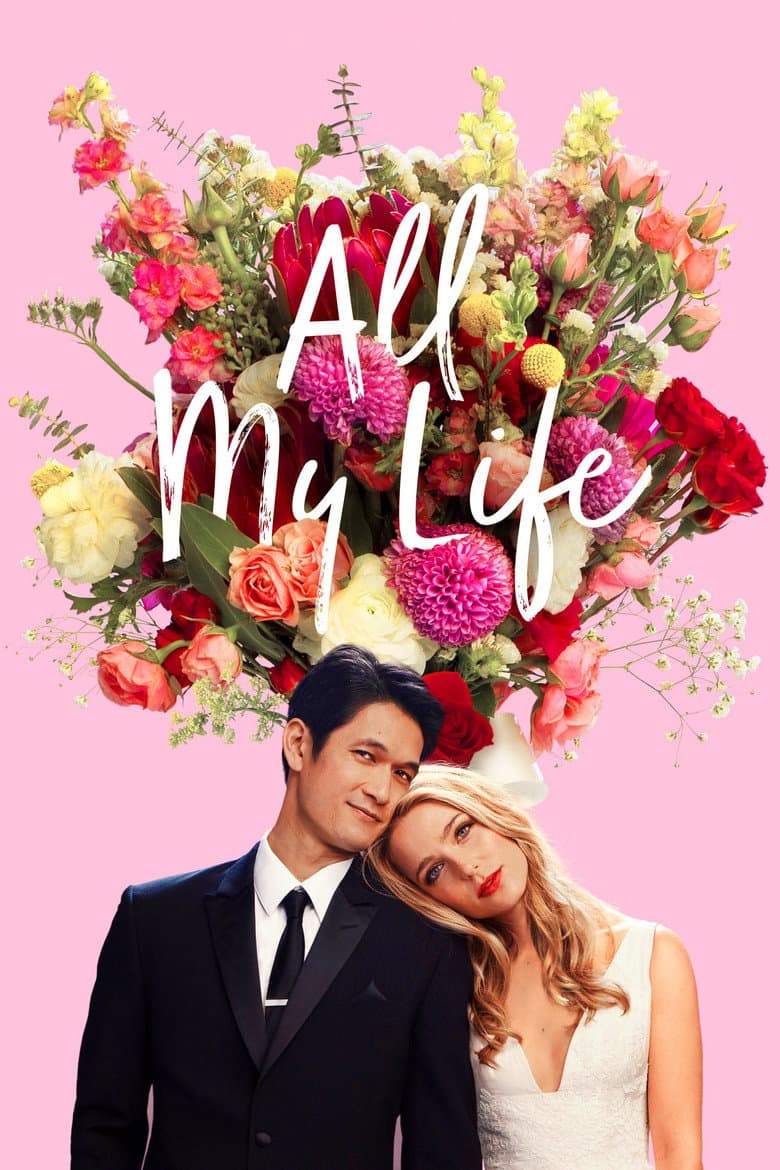
Movie · 2020
It was a chance meeting started by one of Sol’s friends trying to chat up Jennifer. However, in the end, it was those two who hit it off.

Movie · 2023
Two romantic burnouts, Jane and Will, are immediately drawn to each other at a mutual friend’s wedding. After a disastrous hookup in the coatroom, the two spend the next 24 hours…
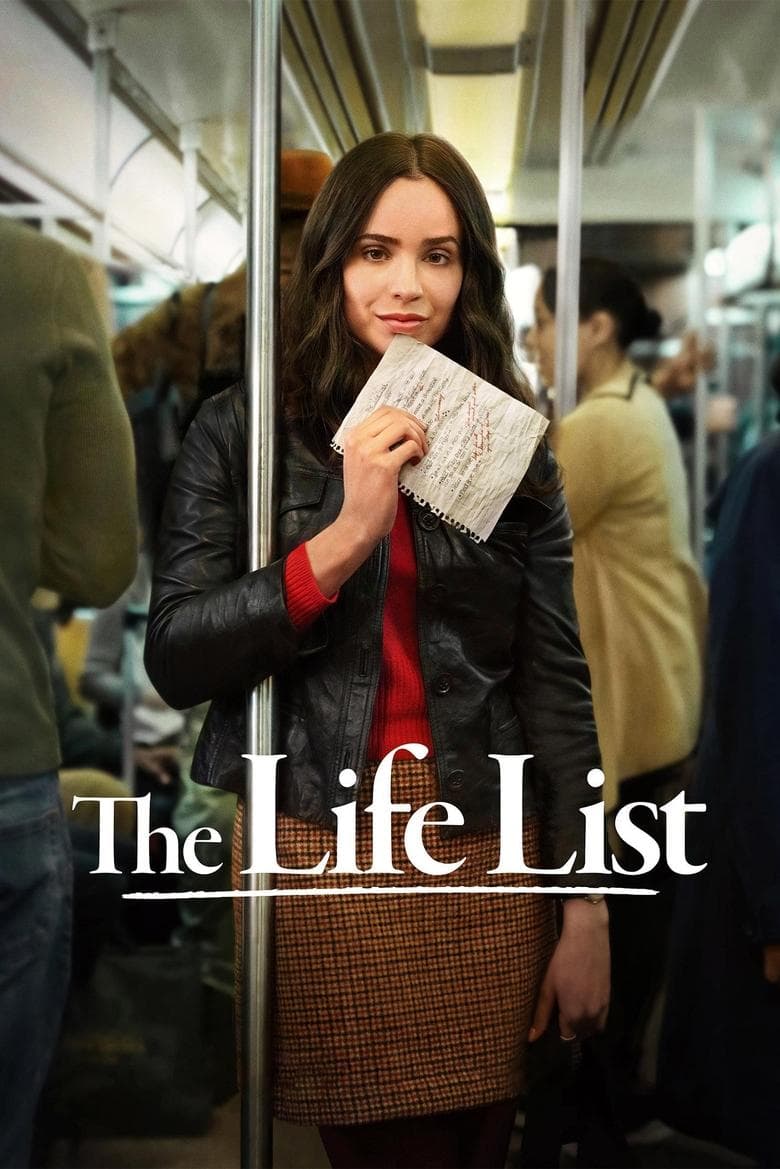
Movie · 2025
When her mother sends her on a quest to complete a teenage bucket list, a young woman uncovers family secrets, finds romance — and rediscovers herself.
