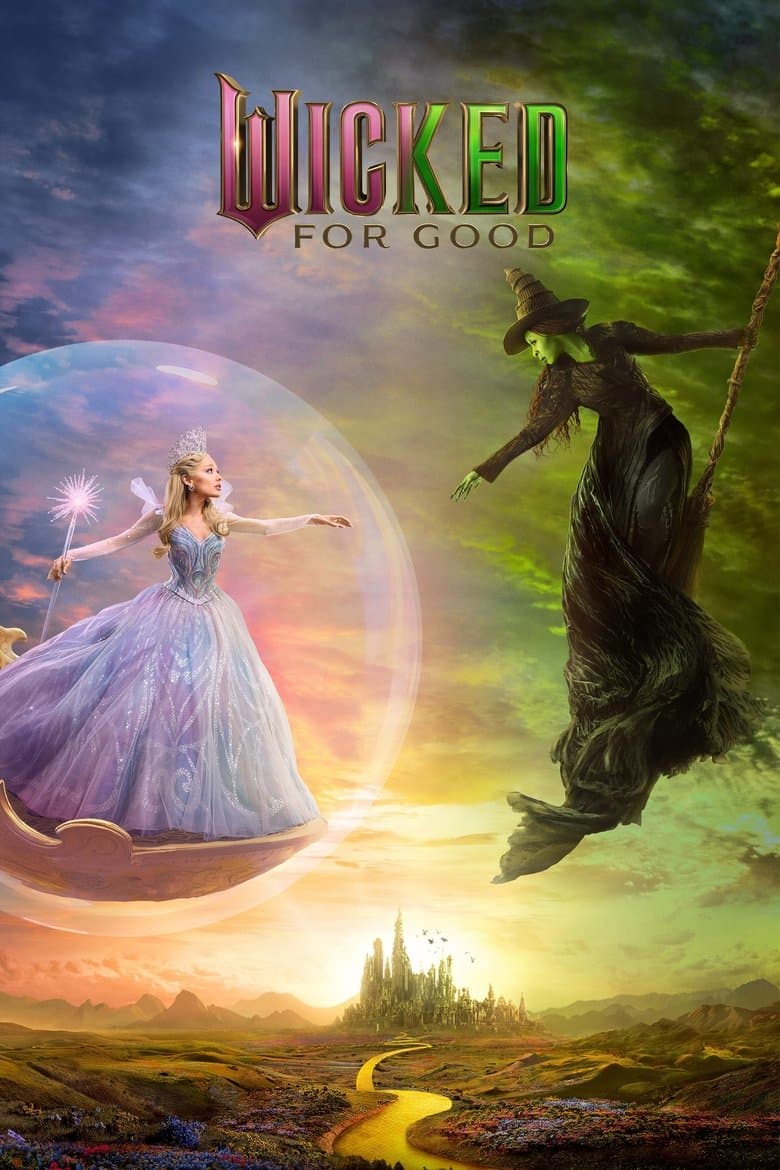
"Wicked: For Good" is a fantasy musical movie that concludes the story of the witches of Oz. The plot follows Elphaba as she lives in exile as the Wicked Witch while Glinda acts as a political figurehead for the Wizard. Social justice themes are highly visible through an allegory about government oppression, minority scapegoating, and animal rights. The film also features a highly prominent, diverse, and openly LGBTQ+ cast in major roles.
Community feedback
Was our 95% Woke rating accurate?
Breakdown
These are the editorial factors and ratings behind our score for Wicked: For Good.
Woke representation / casting
The film features a highly diverse cast with prominent, intentional representation. Cynthia Erivo, a black queer actress, plays the lead role of Elphaba. Openly gay actors Jonathan Bailey (Fiyero), Bowen Yang (Pfannee), and Colman Domingo (the Cowardly Lion) play major characters. Marissa Bode, a wheelchair user, plays Elphaba's sister Nessarose. The high volume of openly LGBTQ+ actors in prominent roles, combined with diverse racial casting, shows a deliberate effort to emphasize modern representation. Per the scoring rules, the extensive inclusion of queer actors adds a heavy point weight, making the casting's ideological priority impossible to miss.
85%
Woke political dialogue
The dialogue carries strong political undertones that align with progressive activism. Characters frequently speak about fighting government propaganda, resisting the Wizard's autocratic regime, and defending the rights of the marginalized Animals. The script includes pointed lines about how corrupt leaders manufacture enemies to keep themselves in power, which many viewers and critics compared directly to modern political figures. While it avoids contemporary activist buzzwords, the dialogue is designed to critique systemic power structures and advocate for social resistance.
65%
Identity-driven story themes
The story focuses heavily on the theme of "otherness" and marginalization. Elphaba's green skin is treated as a metaphor for racial and cultural differences, making her the target of systemic bullying and state-sponsored hatred. The narrative positions the struggle of the Animals as a clear stand-in for civil rights and minority persecution. The central friendship between Elphaba and Glinda, as well as Fiyero's character arc, is built entirely on accepting and defending those who are different. The themes are deeply tied to progressive ideas of intersectionality and social justice, with strong queer-coded undertones.
82%
Western institutional / cultural critique
The film critiques traditional systems of authority and governance by portraying the Land of Oz as a corrupt, manipulative regime that relies on propaganda and fear. The Wizard represents a fraudulent leader who maintains power by creating an artificial enemy and tricking the public. However, because much of this conflict is standard for anti-tyranny plots and is faithful to the source material, it does not entirely cross into a direct critique of modern Western cultural institutions. It remains a moderate critique of institutional corruption and political manipulation.
45%
Woke character or canon changes
The film introduces significant updates to the classic characters from the 1939 movie and L. Frank Baum's books to align with modern representation priorities. Characters originally depicted as white or conventional are cast to emphasize diversity, such as a black actress portraying Elphaba and a black gay actor voicing the Cowardly Lion. The movie also expands the roles of minor characters to highlight diverse identities, such as Bowen Yang's character. These changes are designed to alter the traditional visual canon of Oz, turning a classic fantasy setting into a modern, identity-focused narrative.
55%
Anti-woke backlash and complaints
There has been significant anti-woke backlash and criticism surrounding the film. Conservative commentators and right-leaning media outlets heavily criticized the movie as a progressive propaganda piece, targeting its focus on animal rights, feminism, and anti-racism allegories. Critics also expressed frustration over the casting of openly activist, LGBTQ+ actors in key roles and the promotion of queer visibility. Additionally, the film's official "trigger warning" regarding fantasy discrimination and bullying became a point of ridicule among conservative groups who viewed it as unnecessary woke coddling.
75%
Creator track record context
The key creative team has a strong, long-standing record of progressive and LGBTQ+ activism. Writer Winnie Holzman (70) and author Gregory Maguire (65) have spent their careers exploring themes of marginalization and challenging traditional power dynamics. Producer David Stone (80) is an activist who supports initiatives against systemic racism, while composer Stephen Schwartz (75) has a decades-long history of civil rights and LGBTQ+ advocacy. Casting director Bernard Telsey (68) actively prioritizes DEI initiatives, ensuring the production has a heavy emphasis on identity-driven casting.
72%
Production
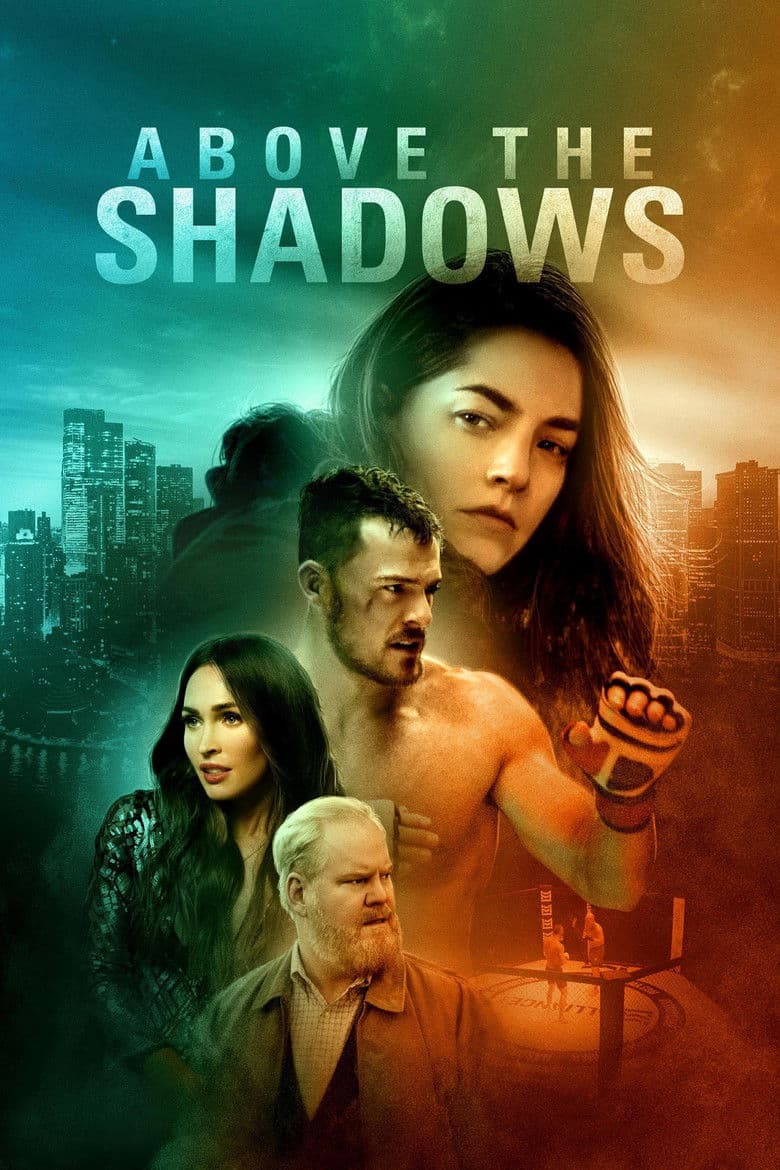
Movie · 2019
A young woman who has faded to the point of becoming invisible must find her way back with the help of the one man who can see her.
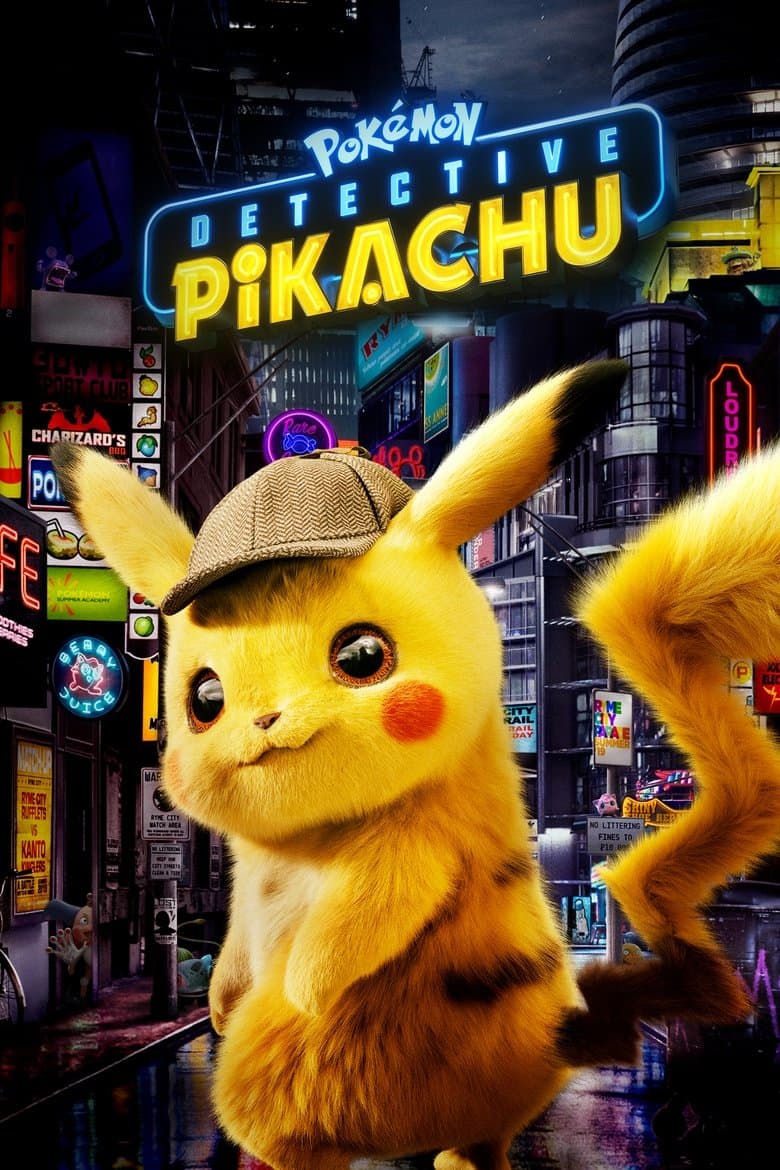
Movie · 2019
In a world where people collect pocket-size monsters (Pokémon) to do battle, a boy comes across an intelligent monster who seeks to be a detective.
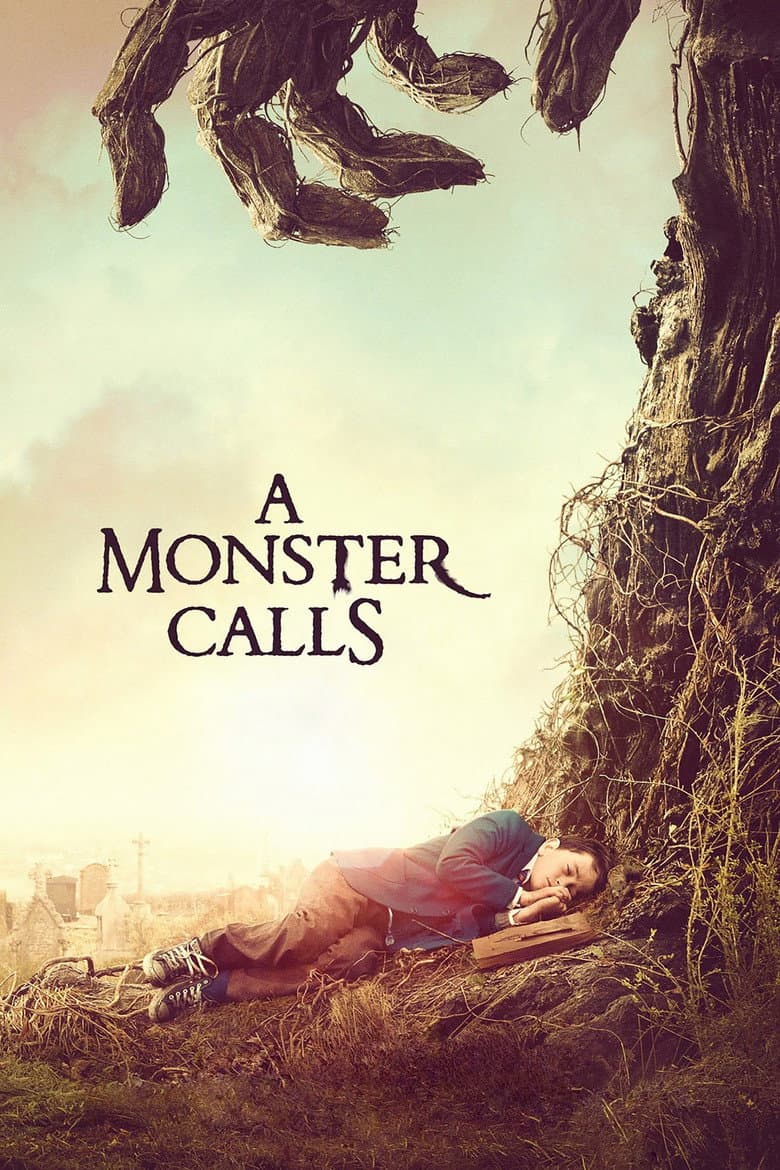
Movie · 2016
12-year-old Conor encounters an ancient tree monster who proceeds to help him cope with his mother's terminal illness and being bullied in school.
Movie · 2016
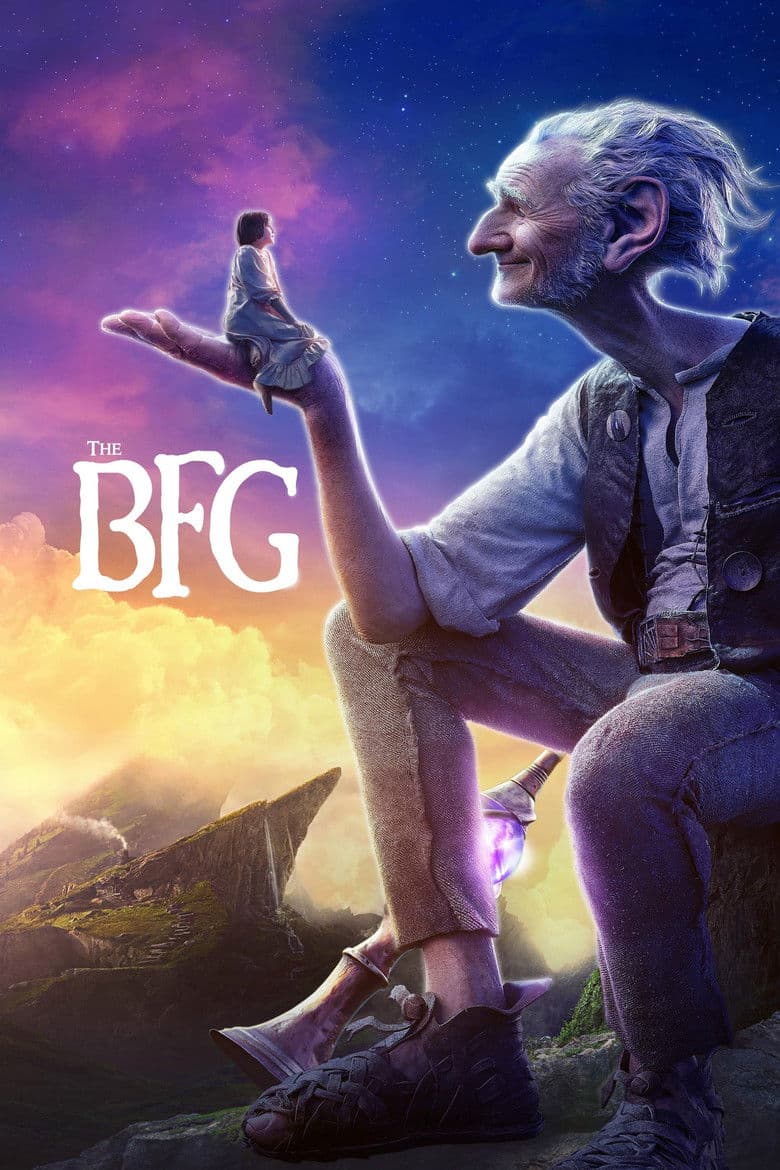
An orphan little girl befriends a benevolent giant who takes her to Giant Country, where they attempt to stop the man-eating giants that are invading the human world.
Movie · 2020
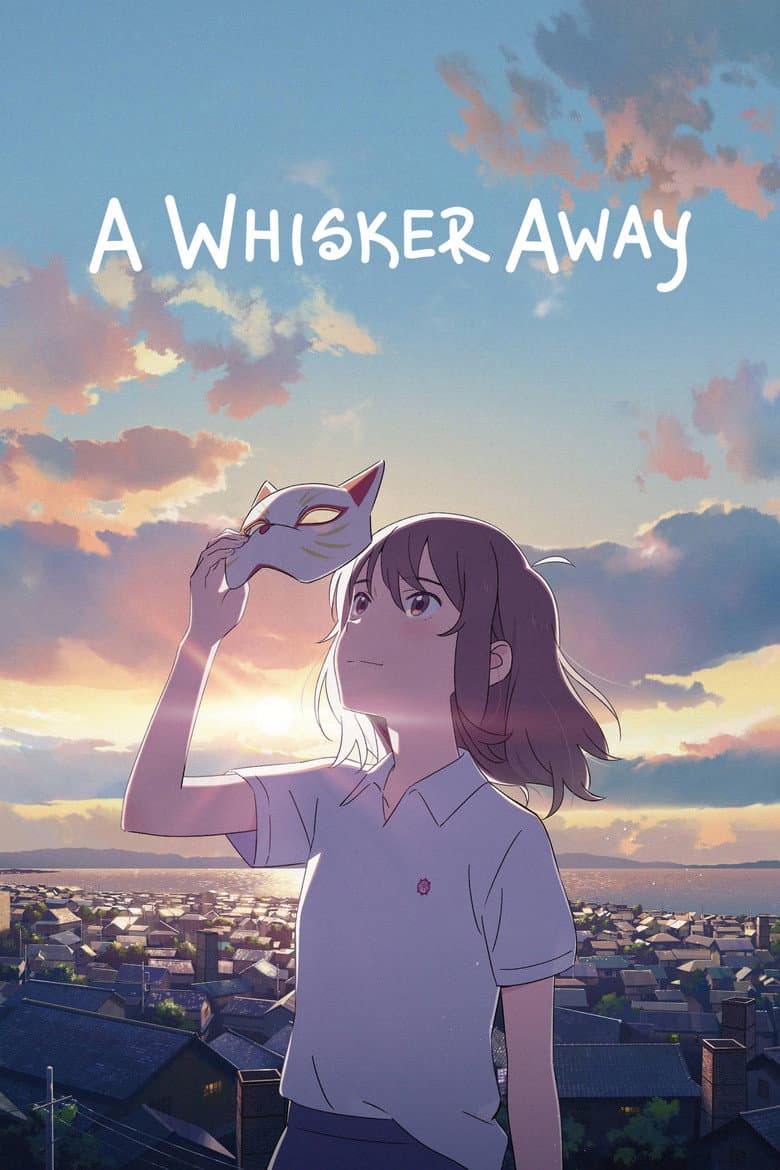
A peculiar girl transforms into a cat to catch her crush's attention. But before she realizes it, the line between human and animal starts to blur.
Movie · 2016
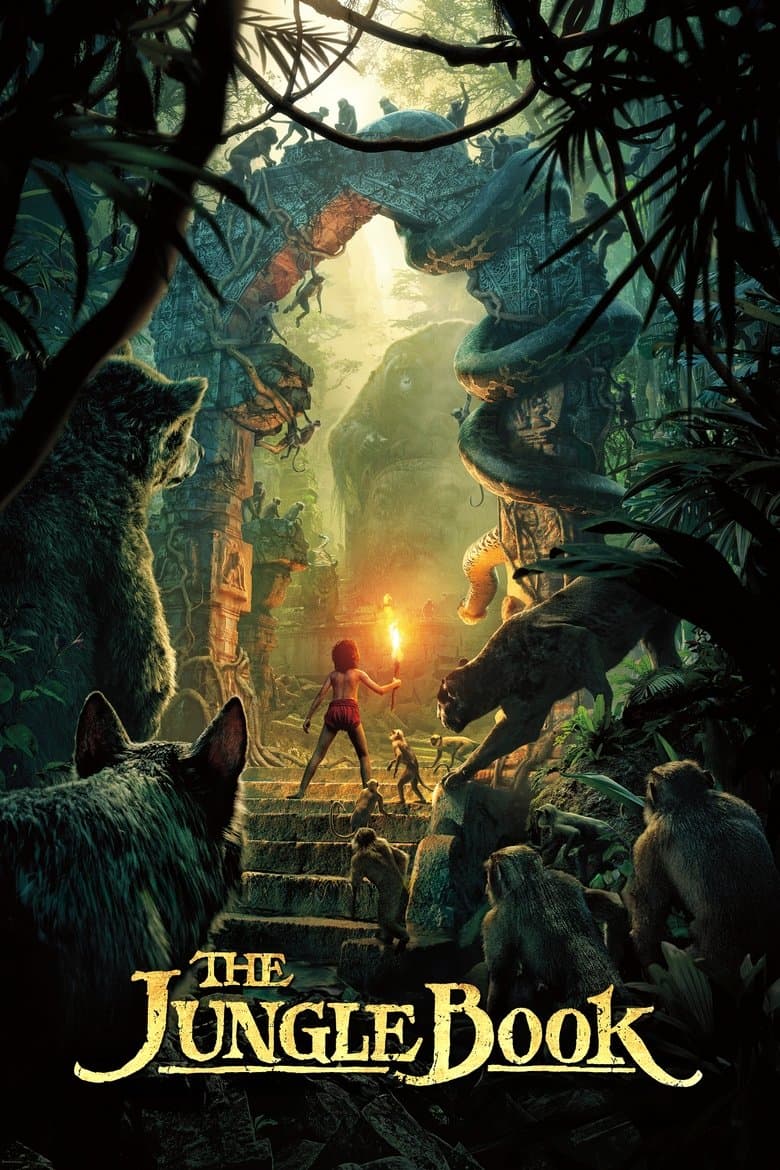
After a threat from the tiger Shere Khan, Mowgli, a man-cub fostered by wolves, is forced to flee the jungle, and he embarks on a journey of self-discovery with the help of the…
Movie · 2024
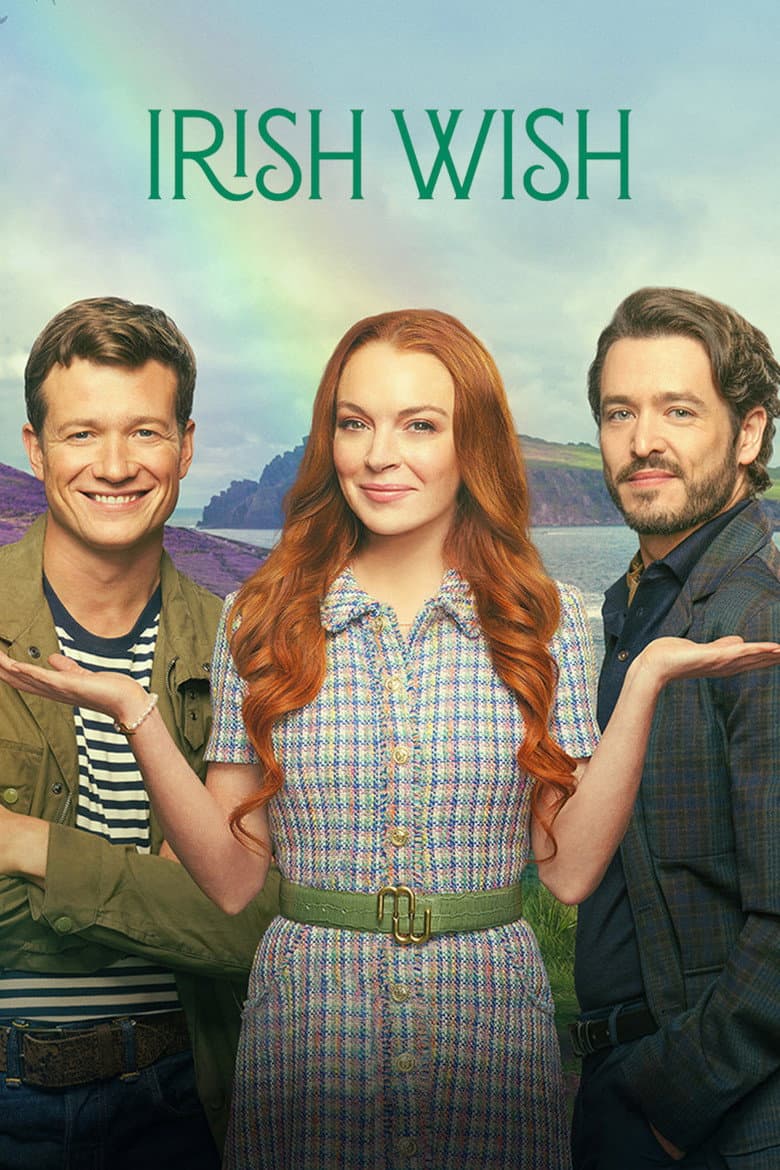
Maddie's dream guy is days away from marrying her best friend when a wish for true love made on an ancient stone in Ireland magically alters her fate.
Movie · 2021
An ordinary young boy called Nikolas sets out on an extraordinary adventure into the snowy north in search of his father who is on a quest to discover the fabled village of the…
