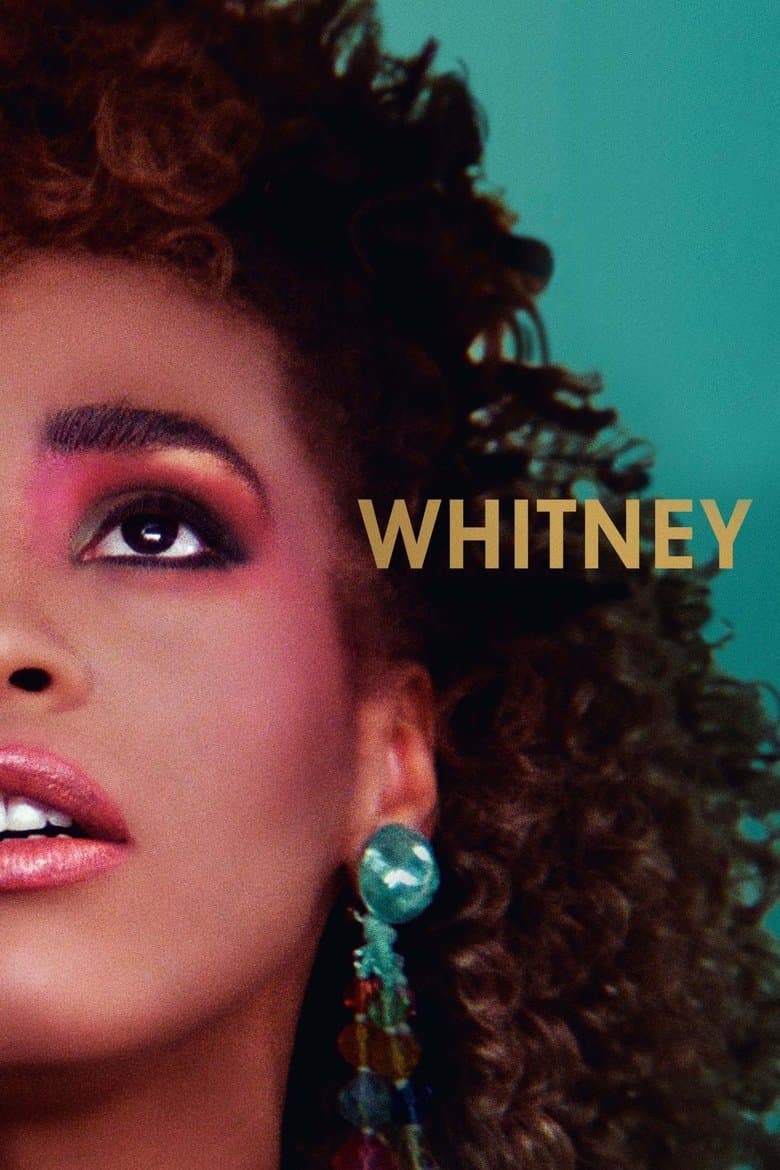
Whitney follows singer Whitney Houston from her childhood in Newark to her rise as a world-famous star. She grows up in church, learns from her mother Cissy, and builds a voice that reaches millions. Fame brings pressure from her family, her marriage, the music business, and the public. The documentary turns darker as drug use, pain, and loss damage her life and end in her death at age 48.
The film gives real space to Houston’s bond with Robyn Crawford and the public debate over whether Houston was gay. Friends describe the bond as private and say Houston was pushed to present a perfect straight image. The film also shows how some black listeners called her too white while white pop markets embraced her. These race and sexuality themes matter to her story, but the main focus stays on her music, family trouble, addiction, abuse, and tragic death.
Community feedback
Was our 33% Woke rating accurate?
Breakdown
These are the editorial factors and ratings behind our score for Whitney.
Woke representation / casting
Not present. The film uses Whitney Houston’s real family, colleagues, and archival figures, so the people on screen are tied to the subject rather than chosen to signal diversity.
0%
Woke political dialogue
Several interviewees discuss Whitney’s sexuality and race. One person calls her “fluid,” while others describe family homophobia and pressure to look like a perfect “Black princess.” The film also includes talk about being treated as “too white” by parts of the Black music world. These lines explain her public image and relationships, but they do not form a repeated activist speech.
18%
Identity-driven story themes
The film returns to Whitney’s close bond with Robyn Crawford, public questions about whether Whitney was gay, and pressure to present a perfect straight image. It also follows how black audiences and white pop markets judged her differently. The story connects those pressures to family control, marriage, and her search for a private self. These themes form a meaningful part of the story, but the main focus stays on her music, addiction, abuse, and death.
43%
Western institutional / cultural critique
The film criticizes the pressure on Whitney to appear as a perfect daughter, wife, and straight pop star. It presents her father’s control, Bobby Brown’s jealousy, and some family homophobia as forces that harmed her. It also shows a white-led music market and a black audience judging her pop sound. These points are part of her life story, not a broad modern attack on Western institutions.
16%
Woke character or canon changes
Not relevant. The documentary uses real archival material and interviews rather than changing a fictional character or historical figure.
0%
Anti-woke backlash and complaints
Not present. The supplied X pass found no anti-woke reaction, boycott, review-bombing, or campaign against the film. News and audience coverage found criticism about family access, shocking abuse claims, and possible exploitation, not complaints that the film pushed woke or DEI ideas.
0%
Creator track record context
Most key creators have low recorded woke scores and are known for factual or commercial work. Jonathan Chinn has a stronger record of films about race and groups that are often overlooked. Zanne Devine and Mike Runagall have worked on Indigenous, gay, and interracial stories. This gives mild context, but the team does not have a strong record of making activist films.
23%
Production
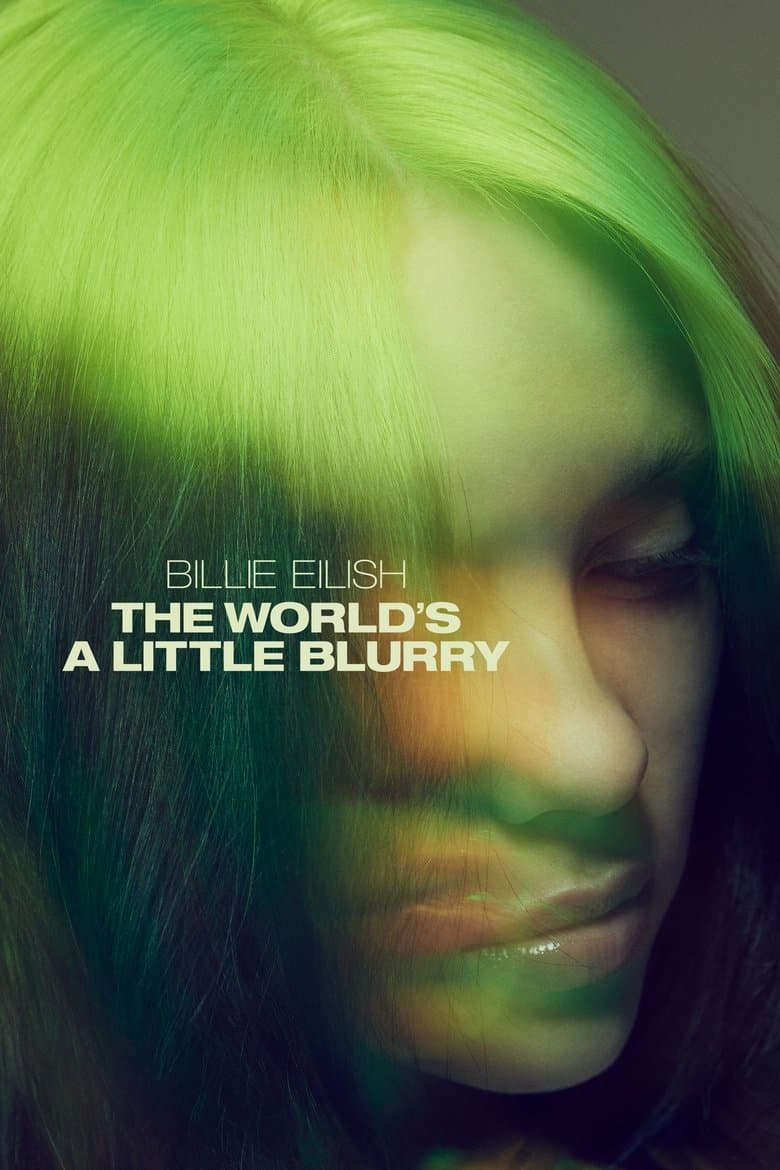
Movie · 2021
This documentary offers a deeply intimate look at extraordinary teenager Billie Eilish. Award-winning filmmaker R.J.
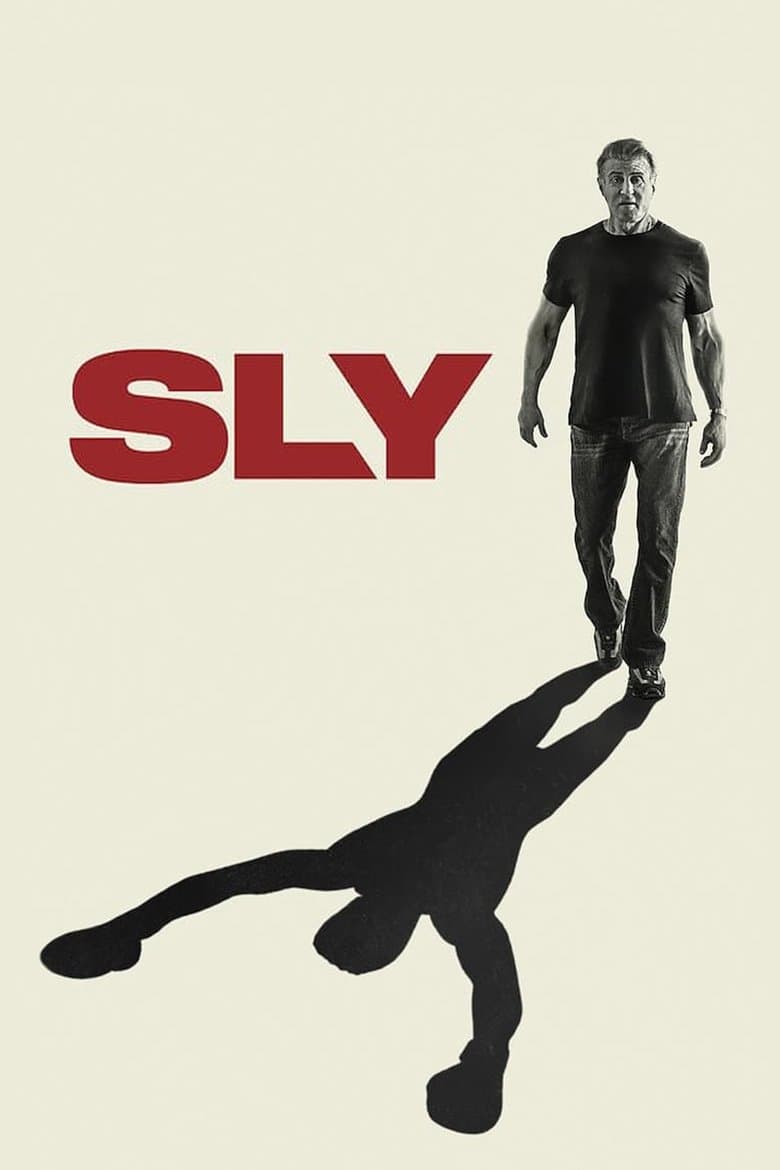
Movie · 2023
His love of film began as an escape from a rocky childhood. From underdog to Hollywood legend, Sylvester Stallone tells his story in this documentary.
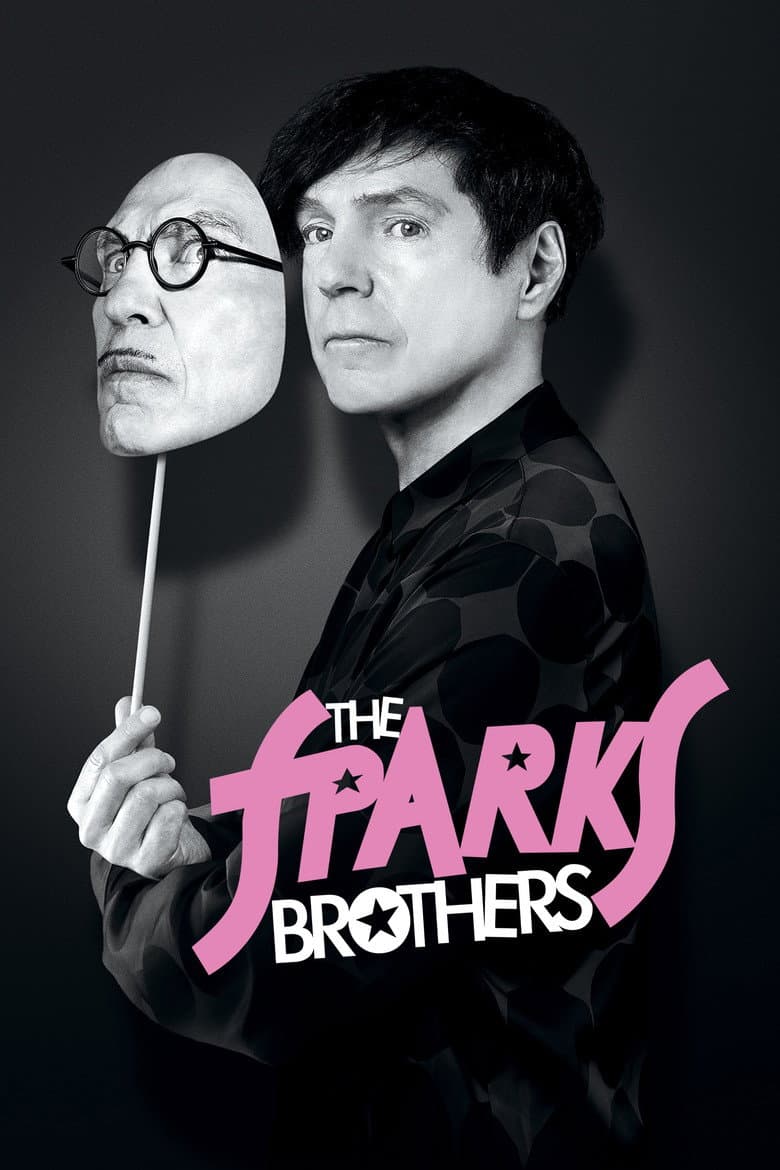
Movie · 2021
Take a musical odyssey through five weird and wonderful decades with brothers Ron & Russell Mael, celebrating the inspiring legacy of Sparks: your favorite band’s favorite band.
Movie · 2016
No other band in rock'n'roll history has rivaled The Stooges' combination of heavy primal throb, spiked psychedelia, blues-a-billy grind, complete with succinct angst-ridden…
Movie · 2022
The inspirational rise of SpaceX as well as Elon Musk's two-decade effort to resurrect America’s space travel ambitions.
Movie · 2016
An intimate conversation between filmmakers, chronicling De Palma’s 55-year career, his life, and his filmmaking process, with revealing anecdotes and, of course, a wealth of film…
Movie · 2018
As his life comes to its end, famous Hollywood director Orson Welles puts it all on the line at the chance for renewed success with the film The Other Side of the Wind.
Movie · 2017
The life and career of an actor, artist, and icon. His own journey through his own camera.
