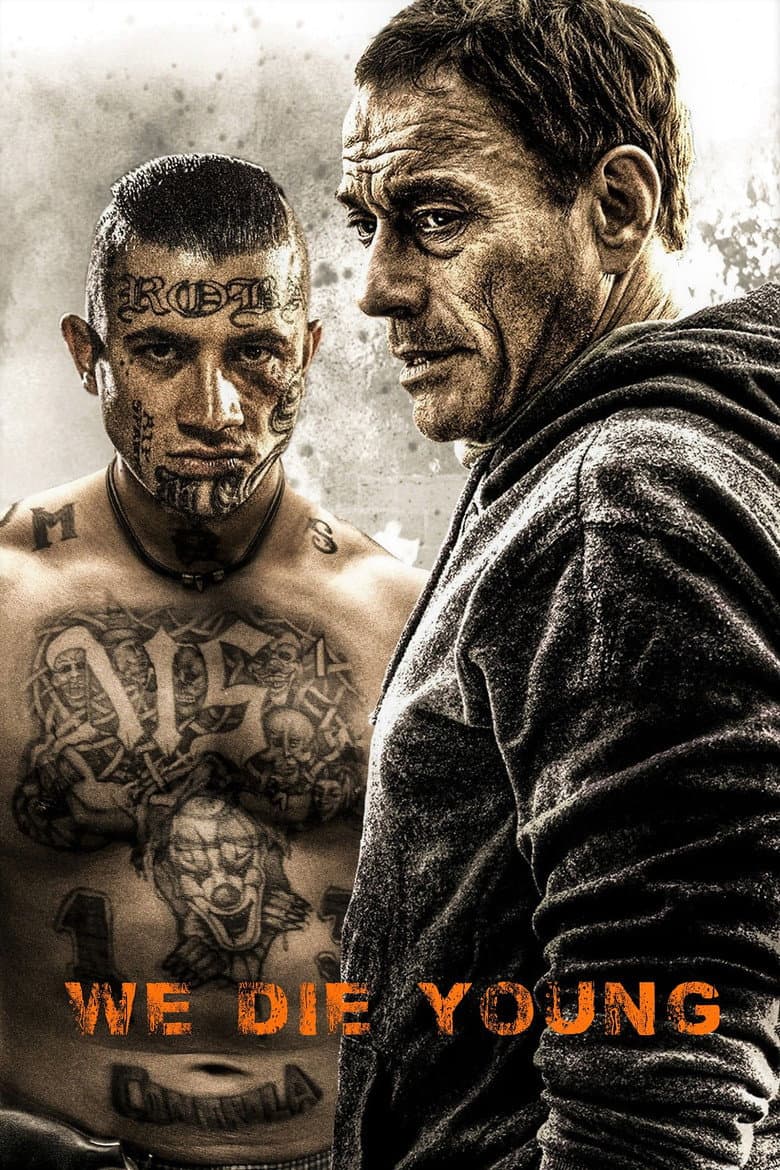
Lucas is a 14-year-old boy who sells drugs for the MS-13 gang in Washington, D.C. He tries to keep his 10-year-old brother Miguel away from the gang, but the gang leader forces Miguel into a violent initiation. Daniel, a wounded and silent Afghanistan veteran who buys drugs from Lucas, becomes an unexpected helper. The story unfolds over a short time and has a harsh, tense, and violent tone.
The film gives its social message through the boys’ Latino family life, the gang’s immigrant past, and the lack of safe choices around them. Rincon says that MAGA supporters want control of his neighborhood, and Lucas says boys like them may end up in the army or the gang. Anna is shown as a caring woman, and a scene says Latinos are often looking for jobs in white neighborhoods. These ideas make identity, immigration, and distrust of institutions noticeable, but family loyalty and survival remain the main story.
Community feedback
Was our 35% Woke rating accurate?
Breakdown
These are the editorial factors and ratings behind our score for We Die Young.
Woke representation / casting
Not present. The main Latino cast fits a story about an MS-13 neighborhood in Washington, D.C. The film does not make casting or representation a goal.
0%
Woke political dialogue
Rincon says that MAGA supporters want to control his neighborhood. Lucas says boys like him may be drafted by the army or by the gang. Anna says Latinos often look for jobs in white neighborhoods. These lines add a short modern political edge, but political talk does not drive most scenes.
32%
Identity-driven story themes
The film makes Latino identity and immigrant hardship part of the central conflict. Lucas and Miguel are Latino boys pulled into MS-13, and Rincon ties his violent life to killings in El Salvador and his mother’s death during migration. Anna speaks about Latinos looking for jobs in white neighborhoods. The story asks viewers to feel empathy for people trapped by their surroundings, but family survival stays more important than activist politics.
40%
Western institutional / cultural critique
The film contrasts tourists, the White House, and gang-controlled streets in its opening voice-over. Anna mentions Latinos looking for jobs in white neighborhoods. Lucas says boys like him may have only the army or the gang as a future. Rincon treats MAGA supporters, police, and federal agents as threats, but the movie does not make a full attack on Western institutions.
30%
Woke character or canon changes
Not relevant. The film expands Geller’s short film Roads into a feature. It does not change a known book, comic, historical figure, or established character into another identity.
0%
Anti-woke backlash and complaints
Not present. The separate X pass found no anti-woke reaction or specific complaints. Wider reviews discuss quality, violence, and racial stereotypes, not claims that the film pushes DEI or identity politics.
0%
Creator track record context
Lior Geller’s public work shows interest in historical trauma and overlooked people, but no strong DEI activist record. Andrew Friedman and most producers have no clear identity-politics profile. Mary Vernieu has spoken about representation and diverse role models. The track record therefore gives a mild context signal rather than a strong one.
12%
Production
Movie · 2024
A Chicago detective travels to Scotland after an emerging serial killer’s crimes match those that he investigated five years earlier, one of which was the crime scene of his…
Movie · 2020
A reformed hunter becomes involved in a deadly game of cat and mouse when he and the local sheriff set out to track a vicious killer who may have kidnapped his daughter years ago.
Movie · 2016
A man is out for justice after a group of corrupt police officers are unable to catch his wife's killer.
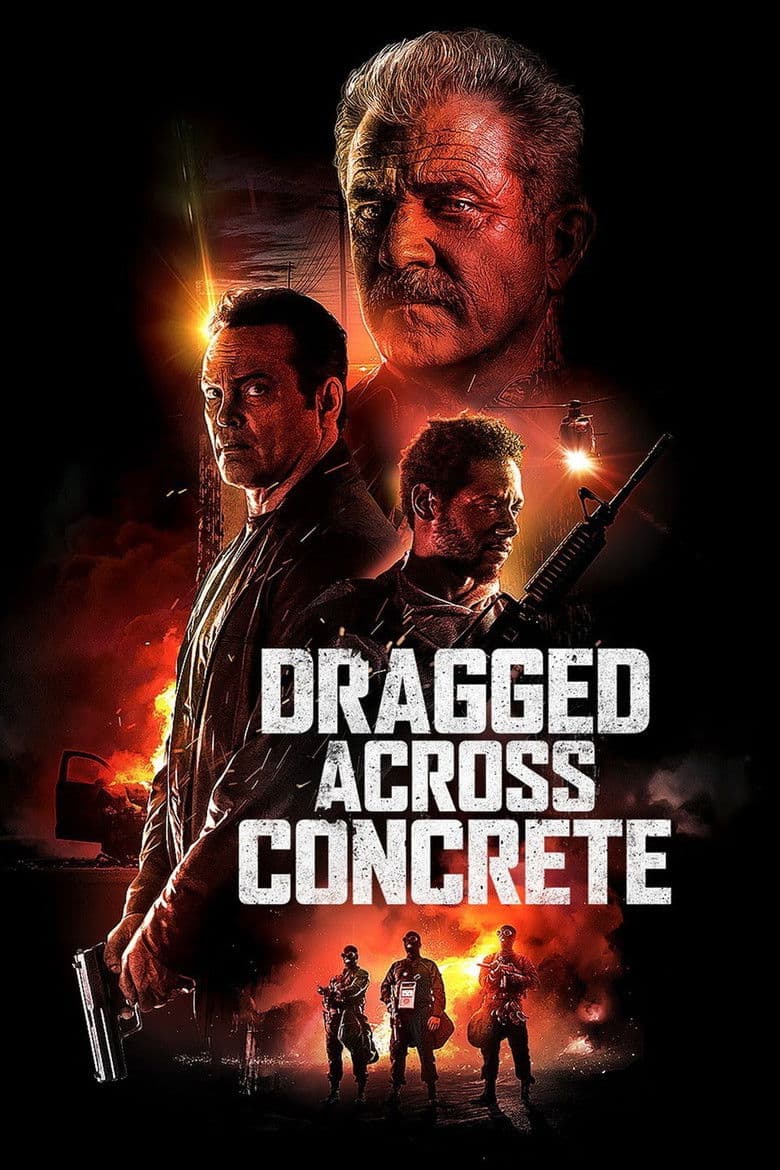
Movie · 2019
Two policemen, one an old-timer, the other his volatile younger partner, find themselves suspended when a video of their strong-arm tactics becomes the media's cause du jour.
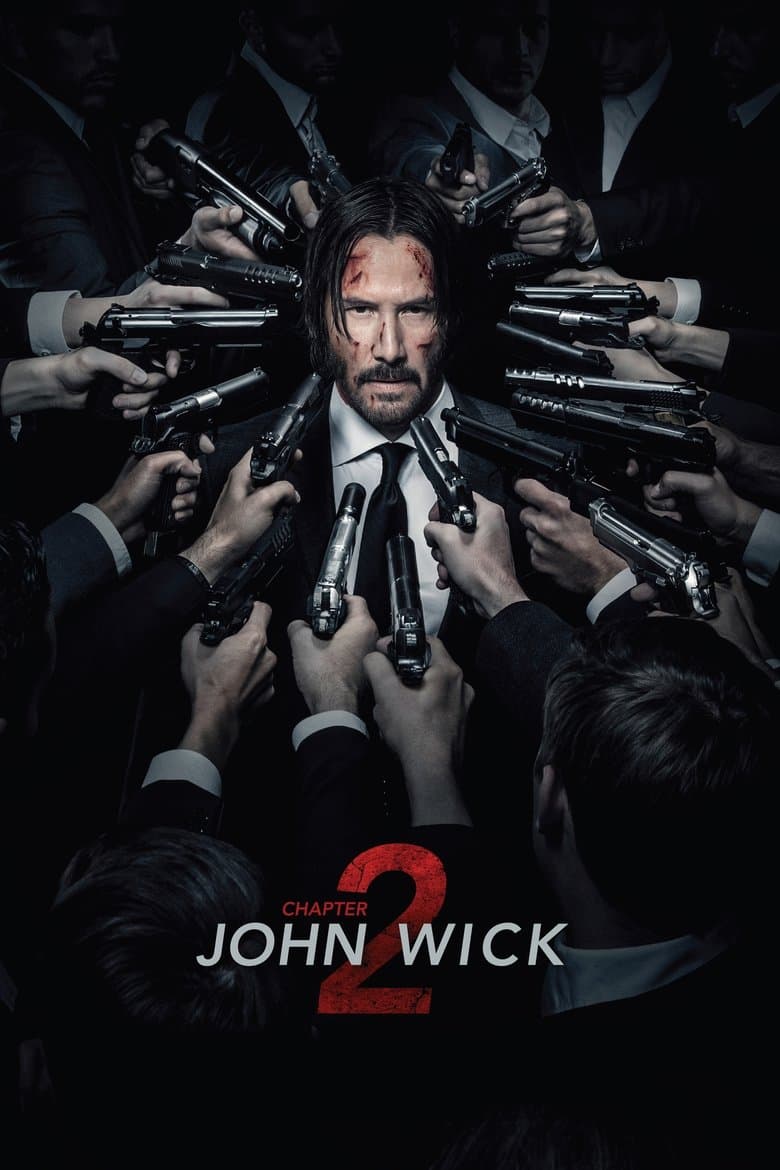
Movie · 2017
John Wick is forced out of retirement by a former associate looking to seize control of a shadowy international assassins’ guild.
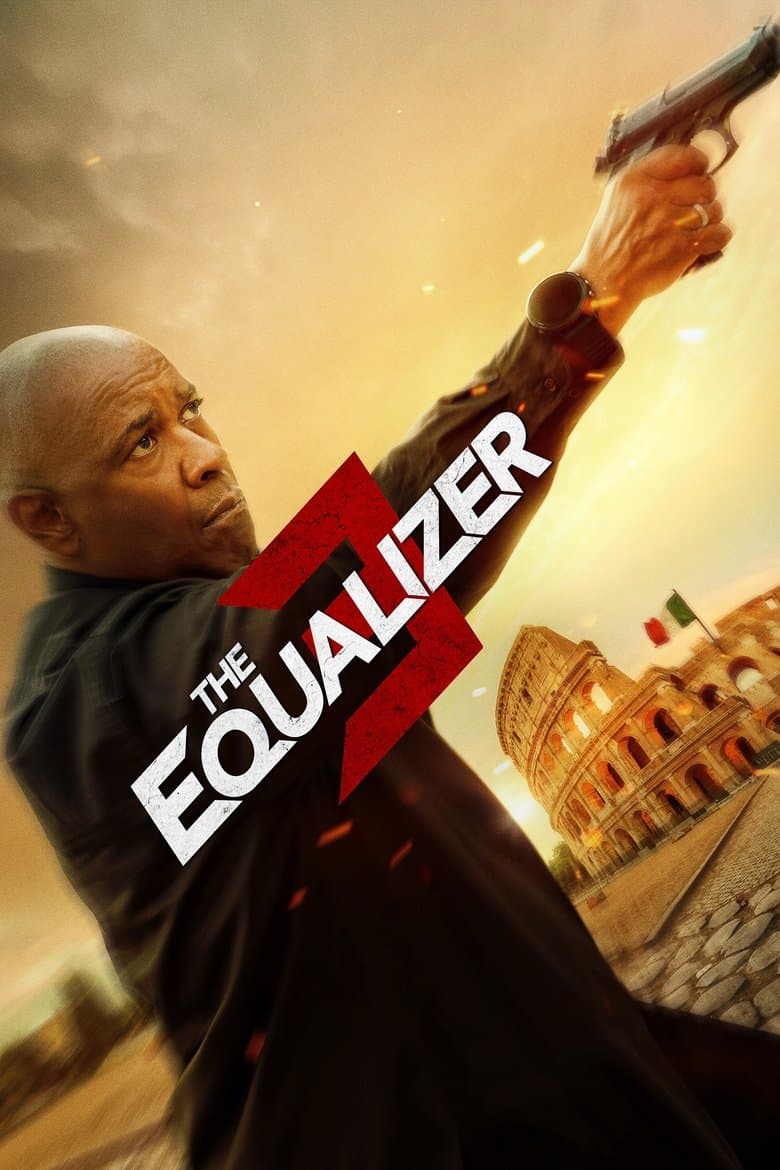
Movie · 2023
Robert McCall finds himself at home in Southern Italy but he discovers his friends are under the control of local crime bosses.
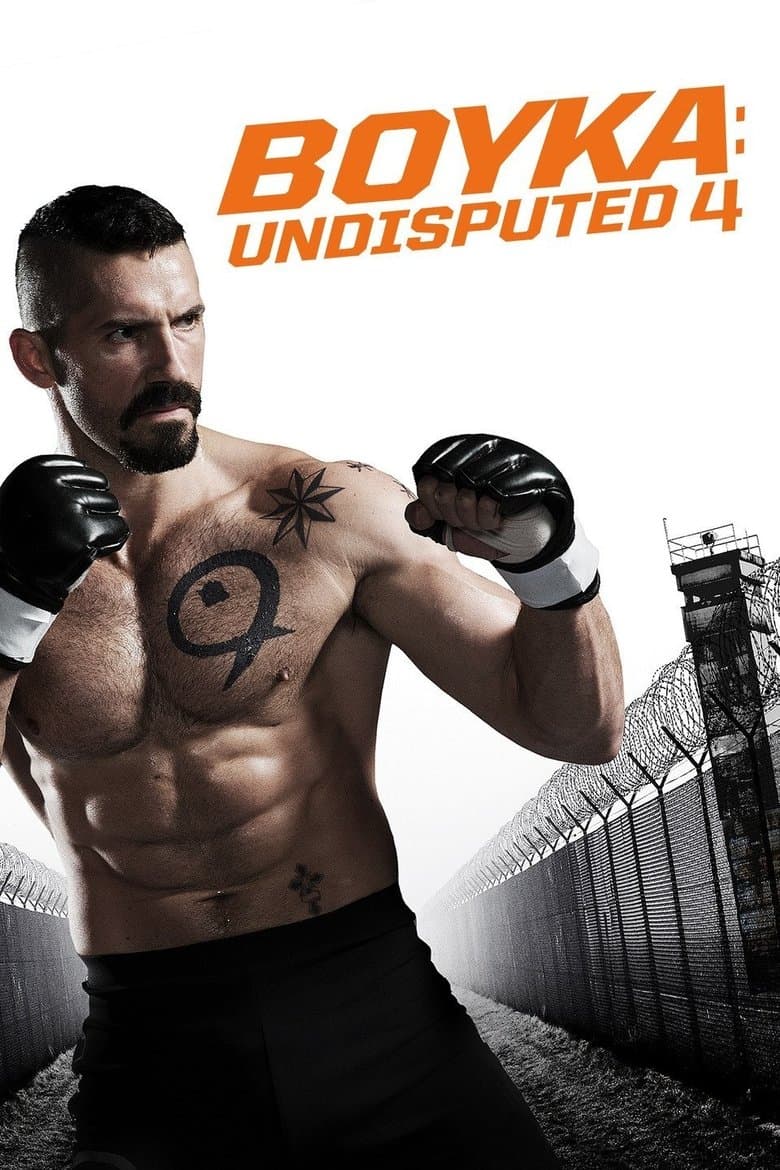
Movie · 2016
In the fourth installment of the fighting franchise, Boyka is shooting for the big leagues when an accidental death in the ring makes him question everything he stands for.
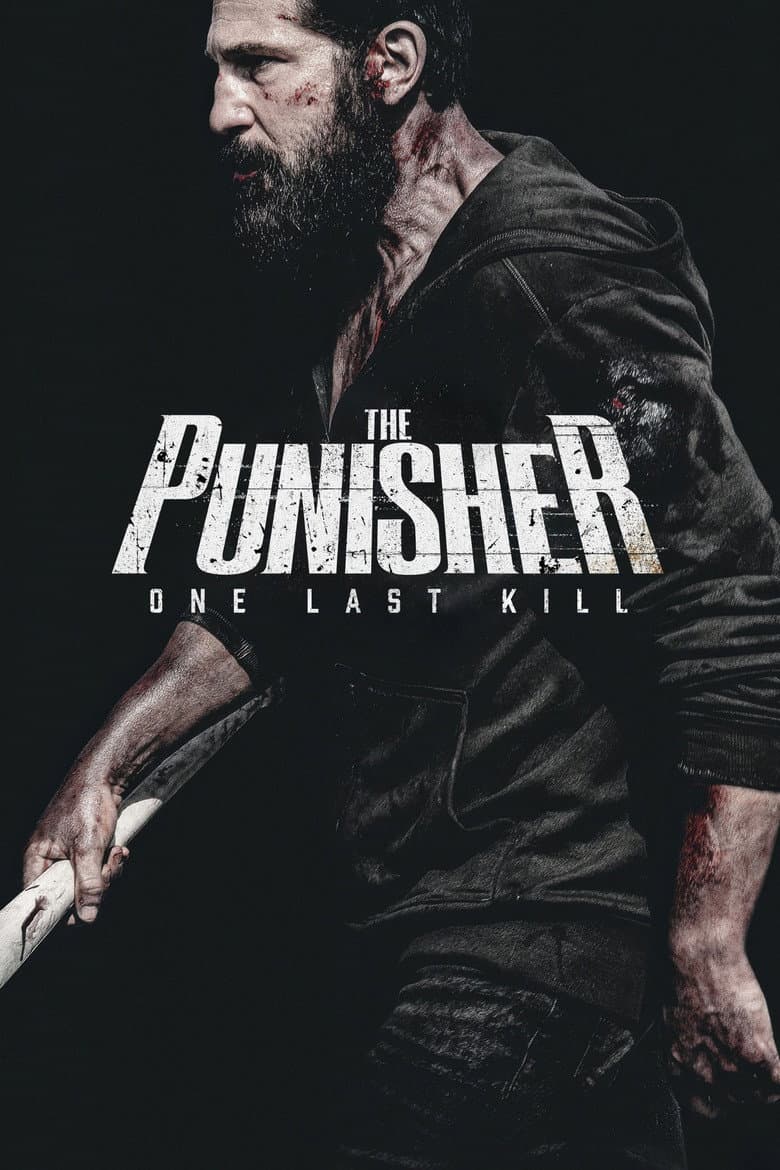
Movie · 2026
As Frank Castle searches for meaning beyond revenge, an unexpected force pulls him back into the fight.
