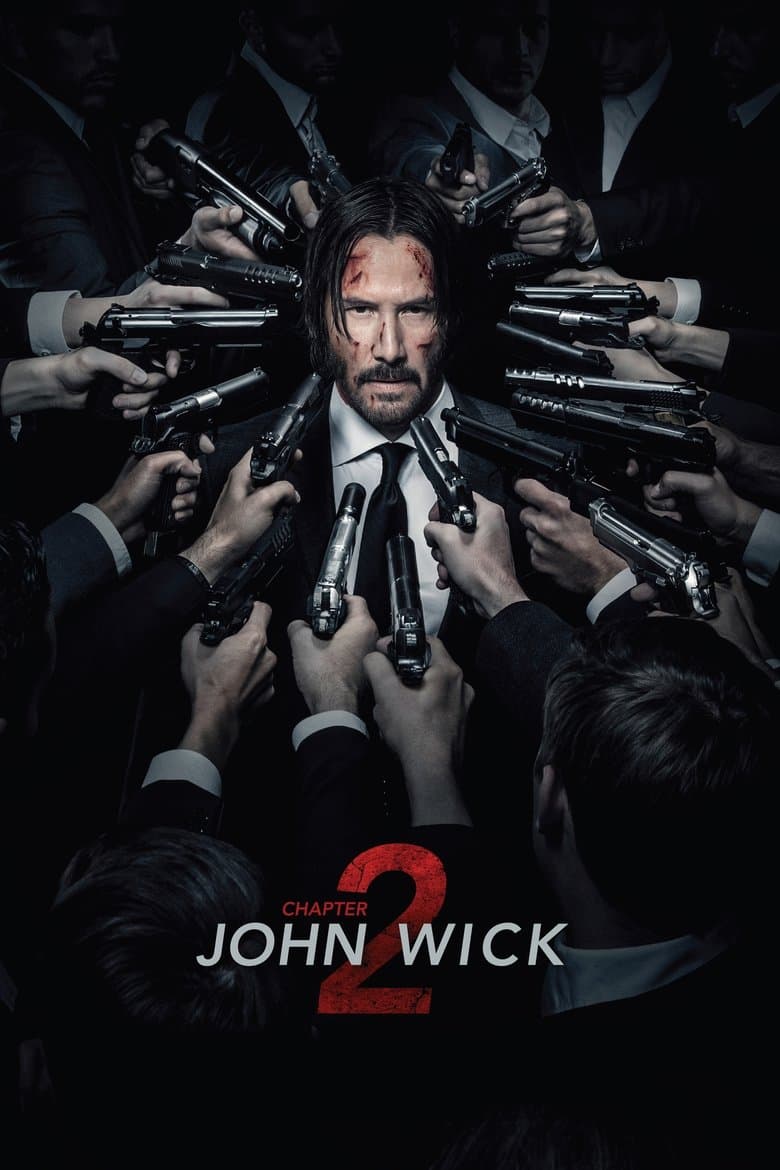
John Wick is a retired hitman who wants a quiet life with his dog. Santino D’Antonio uses an old blood oath to force Wick to kill Santino’s sister, Gianna, in Rome. The order pulls Wick back into the secret world of assassins, where contracts, debts, and strict rules control everyone. After the killing, Santino turns the underworld against Wick, so Wick fights his way back to New York and seeks revenge. The film has a dark, stylish, and very violent tone.
Gianna is a powerful crime leader with a seat at the High Table, and Ares is a skilled female bodyguard and killer. Ares also uses sign language, which gives a non-speaking character a visible role in the action. The story uses both women to raise the danger around Wick and to show the reach of the criminal guild. The main ideas are loyalty, debt, personal honor, revenge, and the price of trying to leave a violent life. The film spends most of its time on gun fights, hand-to-hand combat, and the strict rules of the assassin world.
Community feedback
Was our 8% Woke rating accurate?
Breakdown
These are the editorial factors and ratings behind our score for John Wick: Chapter 2.
Woke representation / casting
The film gives Gianna a seat at the High Table and makes Ares a skilled bodyguard and assassin. Ares communicates through sign language, which makes a non-speaking character visible in a major action role. The international crime setting supports the mix of nationalities, and the film does not sell the casting as a diversity campaign. These choices create a mild representation signal, but they do not drive the story.
15%
Woke political dialogue
Not present. No political dialogue, activist speeches, institutional critiques, or social messaging of any kind. All conversation stays within assassin codes, debts, and immediate survival.
0%
Identity-driven story themes
Not present. Narrative centers on blood oaths, revenge, personal honor, and guild rules inside a criminal subculture. No race, gender, sexuality, or identity-politics themes shape arcs or messaging.
0%
Western institutional / cultural critique
Not present. Story critiques corruption and betrayal inside criminal organizations through their own internal codes. No framing of Western institutions, patriarchy, capitalism, or traditional norms as systemic problems.
0%
Woke character or canon changes
Not relevant. Original story continuation with no alterations to established source material, canon characters, or historical figures.
0%
Anti-woke backlash and complaints
Not present. No documented right-leaning or anti-woke complaints accusing the film of DEI, identity politics, or left-wing messaging. Reception treated it as straightforward action entertainment.
0%
Creator track record context
Not present in this title.
0%
Production
Movie · 2023
With the price on his head ever increasing, John Wick uncovers a path to defeating The High Table. But before he can earn his freedom, Wick must face off against a new enemy with…
Movie · 2016
In the aftermath of an unspeakable act of terror, Police Sergeant Tommy Saunders joins courageous survivors, first responders and investigators in a race against the clock to hunt…
Movie · 2018
A gritty crime saga which follows the lives of an elite unit of the LA County Sheriff's Dept. and the state's most successful bank robbery crew as the outlaws plan a seemingly…
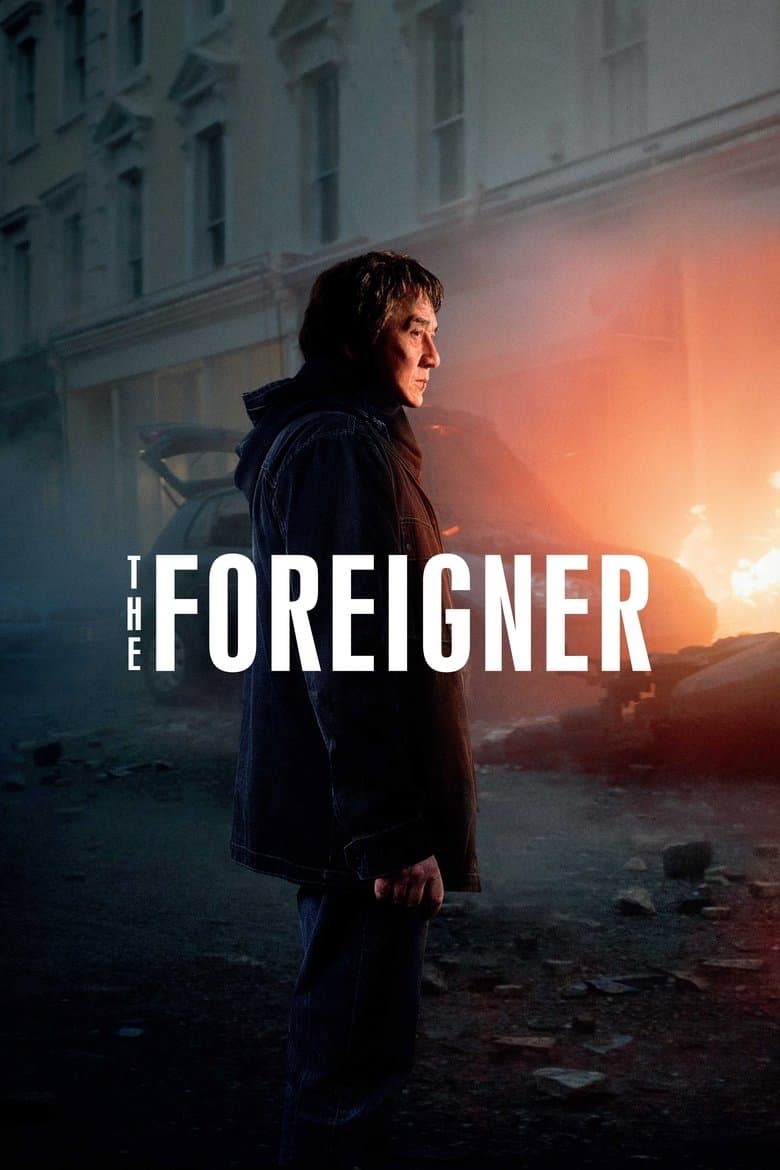
Movie · 2017
Quan is a humble London businessman whose long-buried past erupts in a revenge-fueled vendetta when the only person left for him to love – his teenage daughter – dies in an Irish…
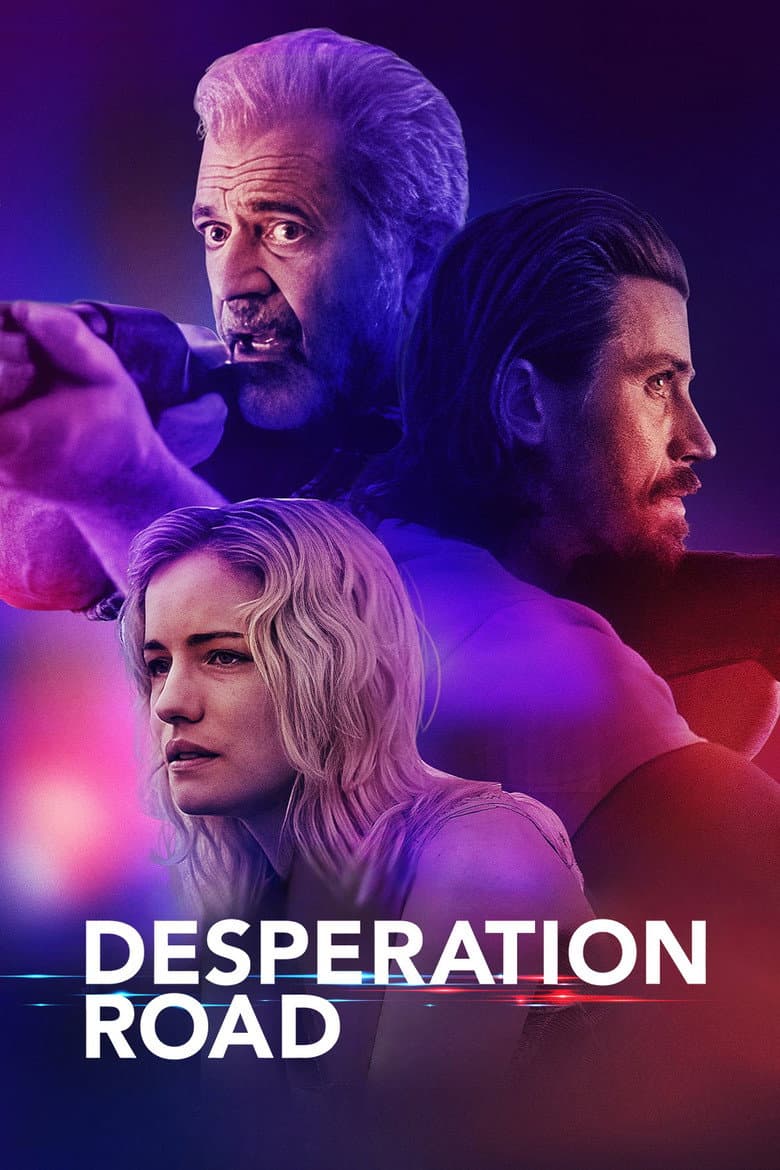
Movie · 2023
Ex-con Russell Gaines is attempting to rebuild his life with the help of his father, Mitchell. However, the arrival of Maben sends his new life into chaos, leading the pair to go…
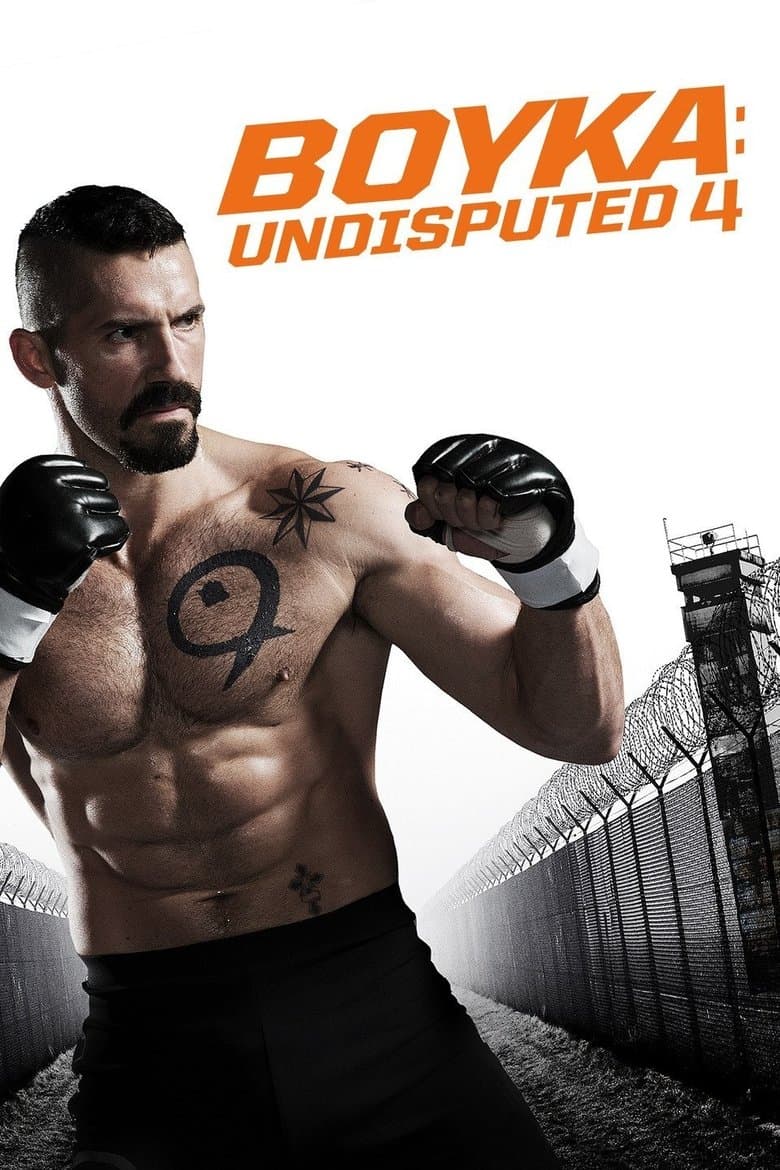
Movie · 2016
In the fourth installment of the fighting franchise, Boyka is shooting for the big leagues when an accidental death in the ring makes him question everything he stands for.
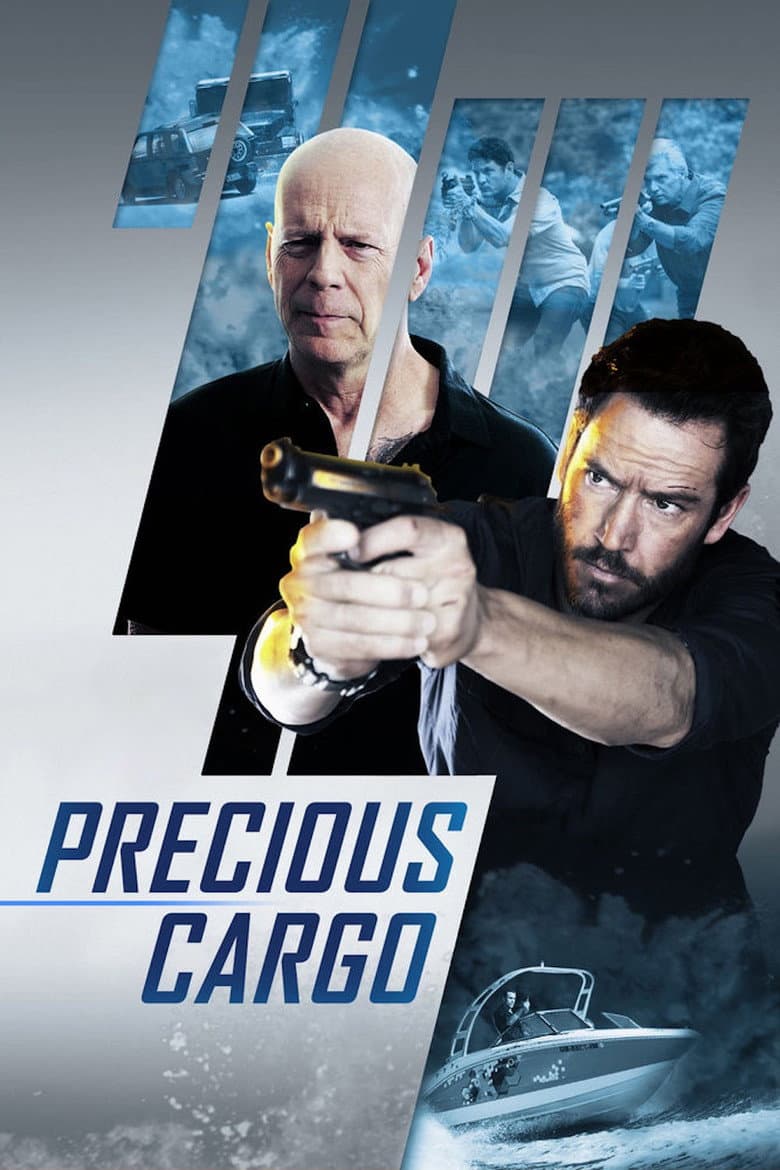
Movie · 2016
After a botched heist, Eddie a murderous crime boss, hunts down the seductive thief Karen who failed him. In order to win back Eddie’s trust, Karen recruits her ex-lover and…

Movie · 2020
Marcus and Mike are forced to confront new threats, career changes, and midlife crises as they join the newly created elite team AMMO of the Miami police department to take down…
