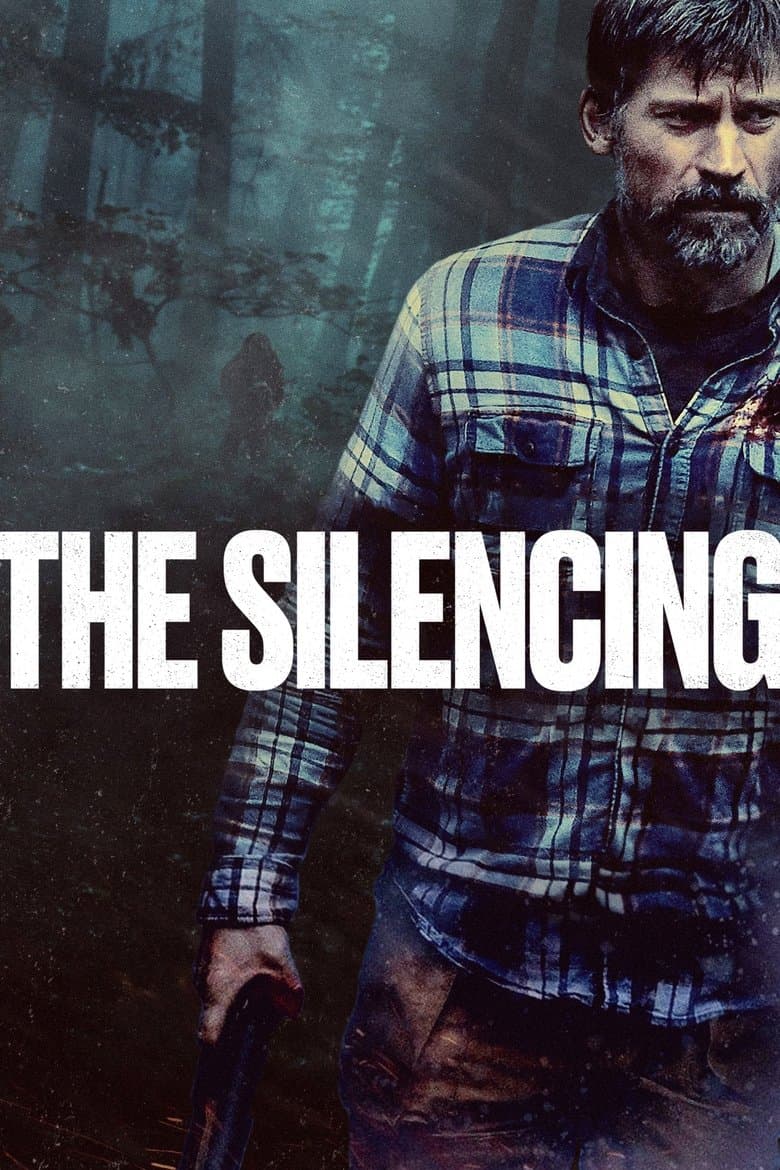
Rayburn Swanson is a former hunter who now runs a wildlife sanctuary in a cold, isolated town in northern Minnesota. He drinks heavily and lives with the pain of losing his daughter five years earlier. When a teenage girl is found dead and another girl appears on his cameras, Rayburn joins Sheriff Alice Gustafson to find the killer. The search moves through snowy woods and damaged families, and it brings drug trouble and violent traps. The tone stays dark and tense as the mystery becomes a rough revenge story.
The story also follows girls who are neglected, abused, or treated as people who will not be missed. The killer claims that he is saving girls from bad parents, but the film shows his plan as cruel and insane. Rayburn's drinking and failure as a father drive the main conflict, while Alice faces the harm caused by protecting her troubled brother. The story treats private revenge as tempting but wrong when Rayburn lets the killer die in an animal trap. The ending shows Rayburn pouring out his last whiskey as he faces grief and guilt over his daughter's death.
Community feedback
Was our 2% Woke rating accurate?
Breakdown
These are the editorial factors and ratings behind our score for The Silencing.
Woke representation / casting
Not present. The film includes a native American tribal police chief and a native American weapon maker, both tied to the local setting. The film does not present the casting as a diversity message.
0%
Woke political dialogue
Not present. The dialogue centers on murder, grief, alcohol, drugs, family failure, and personal justice. Characters do not debate current politics or activist causes.
0%
Identity-driven story themes
Not present. The story focuses on grief, addiction, guilt, trauma, and closure. It does not make race, sex, sexuality, or group identity the source of its conflict.
0%
Western institutional / cultural critique
Not present. Alice and Rayburn make morally gray choices, but the film treats them as personal failures. It does not attack family, men, Christianity, or Western institutions through modern activist messaging.
0%
Woke character or canon changes
Not relevant. The film uses an original screenplay and does not change known characters, canon, or real historical figures.
0%
Anti-woke backlash and complaints
Not present. Audience comments focus on confusing twists, the killer's motive, pacing, and violence. No meaningful anti-woke or DEI backlash was found.
0%
Creator track record context
Several producers have worked on projects about diverse young women, Asian identity, Indigenous life, or a gay family. Robin Pront and Micah Ranum have no high-confidence activist record in the cached context. Pront's interviews focus on alcoholism, moral ambiguity, and entertainment.
10%
Production
Movie · 2023
With the price on his head ever increasing, John Wick uncovers a path to defeating The High Table. But before he can earn his freedom, Wick must face off against a new enemy with…
Movie · 2025
Big Nick is back on the hunt in Europe and closing in on Donnie, who is embroiled in the treacherous and unpredictable world of diamond thieves and the infamous Panther mafia, as…
Movie · 2017
When a D.E.A. and S.W.A.T. cartel takedown ends in a shootout, S.W.A.T. Agent Travis Hall seizes a mysterious prisoner taking him into custody. Before long, the S.W.A.T.
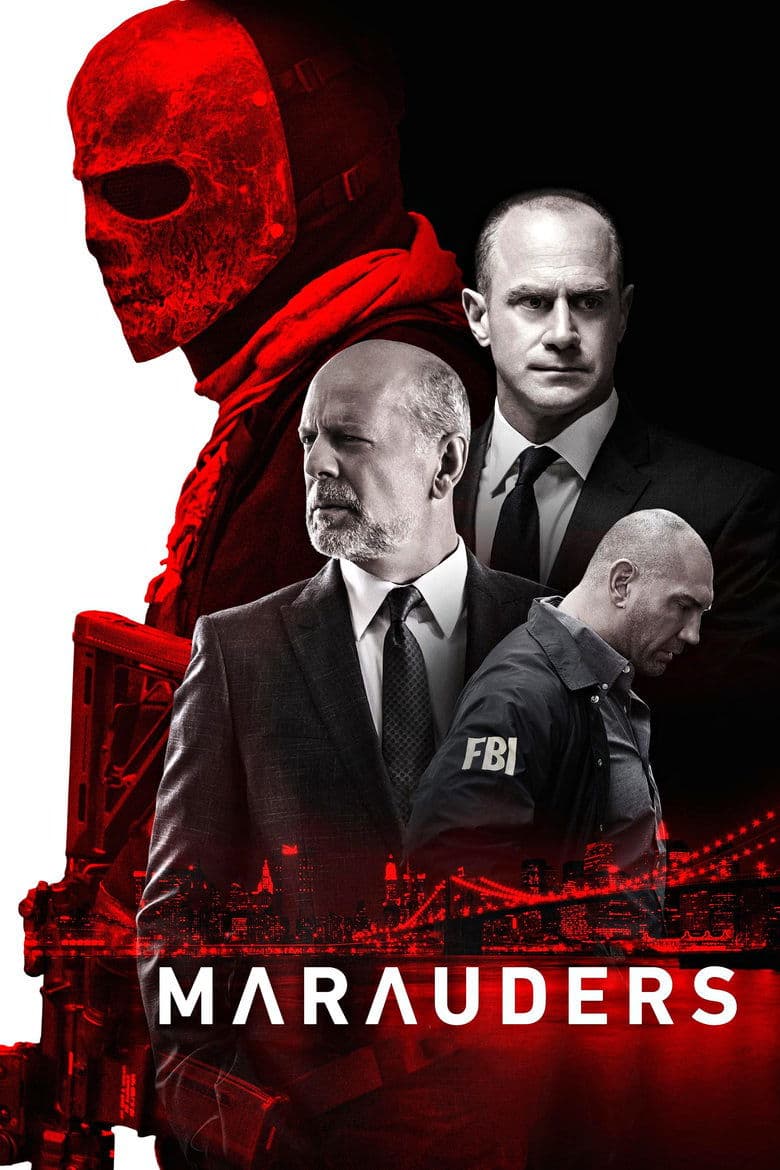
Movie · 2016
An untraceable group of elite bank robbers is chased by a suicidal FBI agent who uncovers a deeper purpose behind the robbery-homicides.
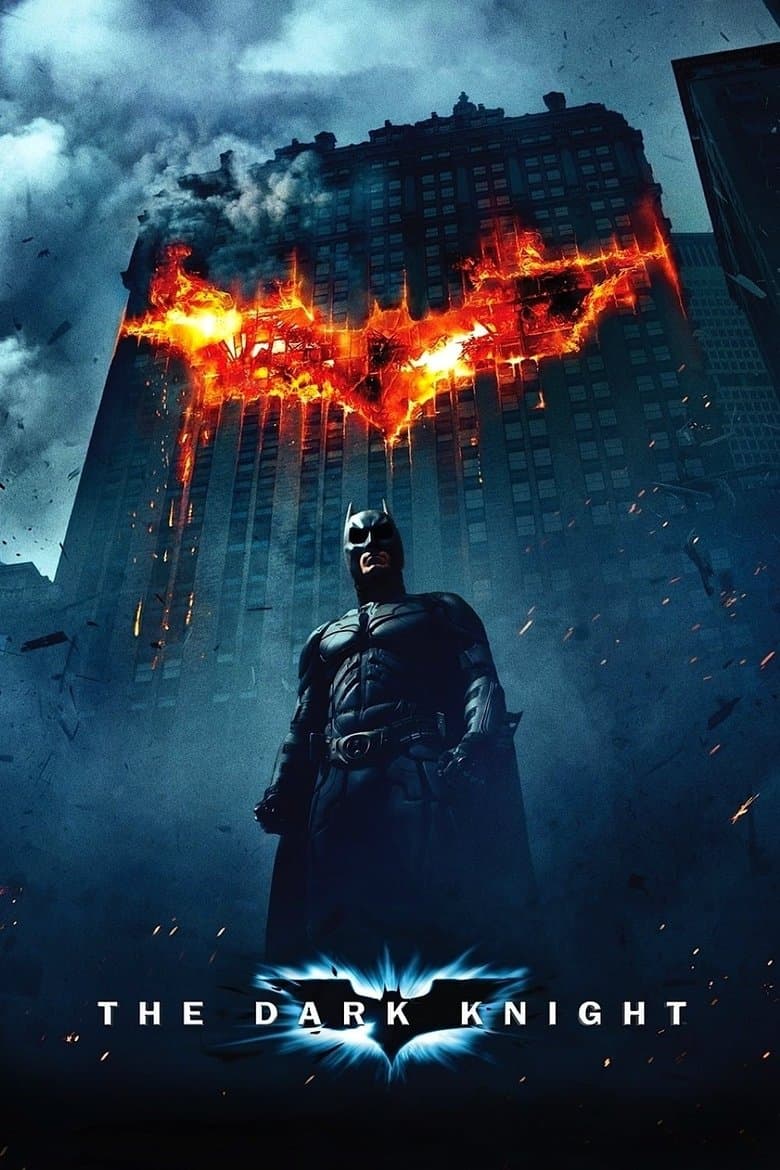
Movie · 2008
Batman raises the stakes in his war on crime. With the help of Lt. Jim Gordon and District Attorney Harvey Dent, Batman sets out to dismantle the remaining criminal organizations…
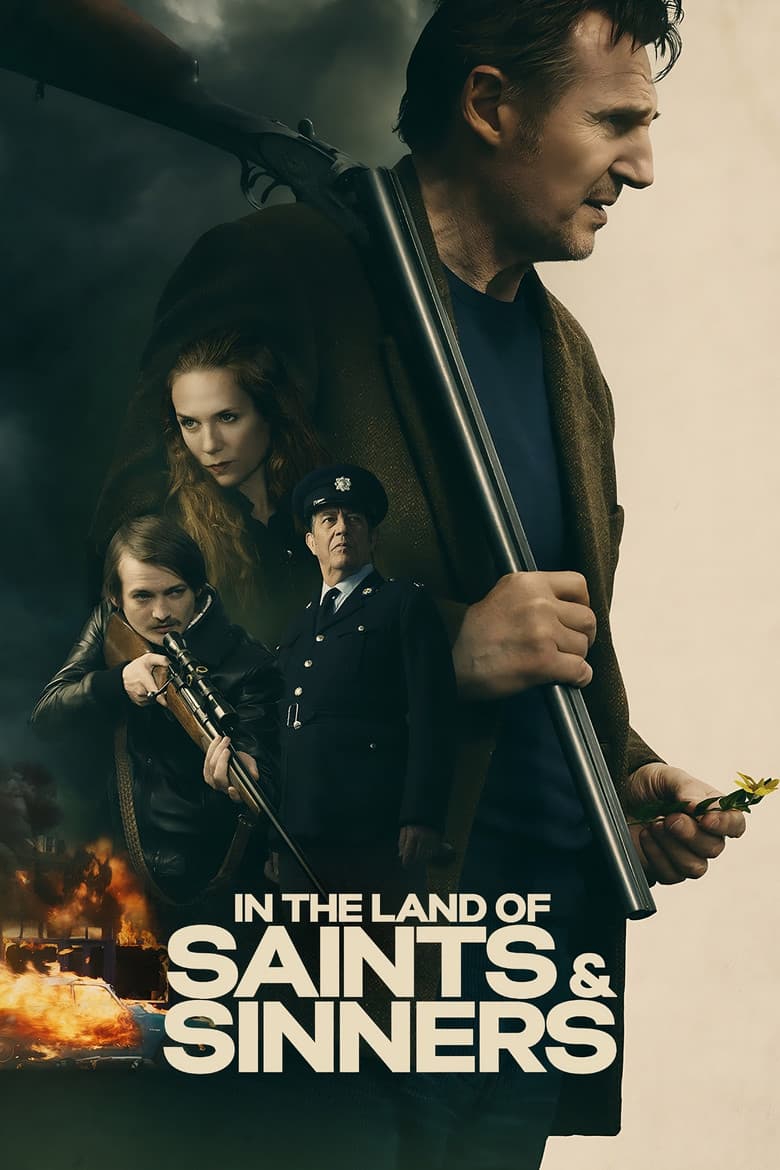
Movie · 2023
In a remote Irish village, a damaged Finbar is forced to fight for redemption after a lifetime of sins, but what price is he willing to pay?

Movie · 2020
An ordinary guy suddenly finds himself forced to fight a gladiator-like battle for a dark website that streams the violence for viewers.

Movie · 2022
A disgraced ex-cop seeks solace by moving to the woods, but his quiet life comes to an end when a private eye recruits him to investigate the murder of an eccentric TV star's wife.
