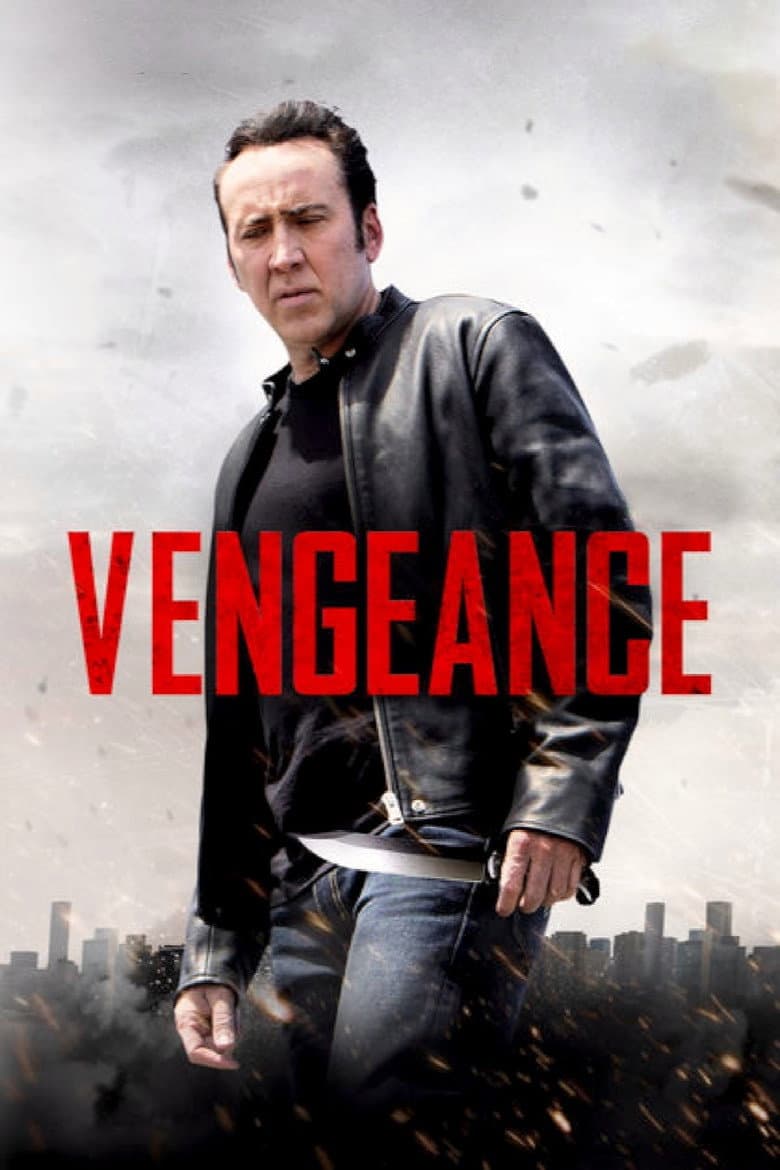
Vengeance: A Love Story follows John Dromoor, a Gulf War veteran and Niagara Falls detective. After single mother Teena is beaten and raped in front of her twelve-year-old daughter, Bethie, Dromoor watches the legal case fall apart. A slick defense lawyer turns the hearing against Teena, and the attackers return to the streets. Dromoor then chooses private revenge, giving the film a grim, angry, and violent tone.
The film's main woke elements are its repeated focus on victim-blaming, male sexual violence, and a court that treats a woman as the real problem. Teena's clothes, drinking, and past behavior are used to question her truth, while an assistant prosecutor fights for her and loses ground to a male judge and defense lawyer. The story presents this treatment as a failure of justice and makes the protection of women the reason for Dromoor's killings. The story treats gender violence and the limits of the law as its main social message.
Community feedback
Was our 36% Woke rating accurate?
Breakdown
These are the editorial factors and ratings behind our score for Vengeance: A Love Story.
Woke representation / casting
Not present. The main cast is mostly white, and a black female assistant prosecutor appears in a supporting role. The film does not frame her identity as a diversity message or show a repeated casting pattern.
0%
Woke political dialogue
Not present. The dialogue centers on the assault, the court hearing, and Dromoor's revenge. No character delivers a repeated modern political or activist speech.
0%
Identity-driven story themes
The film makes a woman's sexual assault and the harm to her daughter the center of the story. The court, townspeople, and defense lawyer blame Teena for her clothes, drinking, and behavior. The story presents this gender-based injustice as a reason to reject normal justice and seek revenge. The theme is strong and recurring, but it is told as a grim rape-revenge story rather than a current activist campaign.
43%
Western institutional / cultural critique
The court system repeatedly protects the accused while humiliating Teena. A male judge and a male defense lawyer give more weight to her image than to the evidence. The film also shows local people repeating the same blame and cheering the attack on her character. This is a strong critique of law and male authority, but it stays tied to the crime story.
42%
Woke character or canon changes
Not relevant. The film adapts Joyce Carol Oates's novel, and no identity-driven change to an established character, source canon, or real event is clearly reported.
0%
Anti-woke backlash and complaints
Not present. Available reviews and social posts focus on sexual violence, revenge, Nicolas Cage, and the film's quality. No clear anti-woke or anti-left complaint appears in the reviewed coverage.
0%
Creator track record context
Joyce Carol Oates has a long record of writing about gender, violence, power, and social issues. She identifies as a feminist, but she has also criticized excessive identity-based representation and group tribalism. John Mankiewicz, Johnny Martin, Nicolas Cage, and the listed producers have no strong cached record of activist or DEI-focused work. The creator context gives mild support to the film's gender focus, not a strong overall signal.
18%
Production
Movie · 2019
After fighting his demons for decades, John Rambo now lives in peace on his family ranch in Arizona, but his rest is interrupted when Gabriela, the granddaughter of his…
Movie · 2016
An ex-con reconnects with his estranged teenage daughter while fighting to keep her alive after she becomes a target of violent drug dealers.
Movie · 2016
An American Ambassador is killed during an attack at a U.S. compound in Libya as a security team struggles to make sense out of the chaos.
Movie · 2017
London, England, April 1980. Six terrorists assault the Embassy of Iran and take hostages. For six days, tense negotiations are held while the authorities decide whether a…
Movie · 2025
A broker of lucrative payoffs between corrupt corporations and the individuals who threaten them breaks his own rules when a new client seeks his protection to stay alive.
Movie · 2024
When an army commando finds out his true love is engaged against her will, he boards a New Dehli-bound train in a daring quest to derail the arranged marriage.
Movie · 2016
If Nick Barrow can stay alive for 21 days, he'll die happy. Everyone Nick knows wants him dead; Mob bosses, contract killers, and dirty cops.
Movie · 2018
A mild-mannered father is transformed into a killing machine after his family is torn apart by a violent act.
