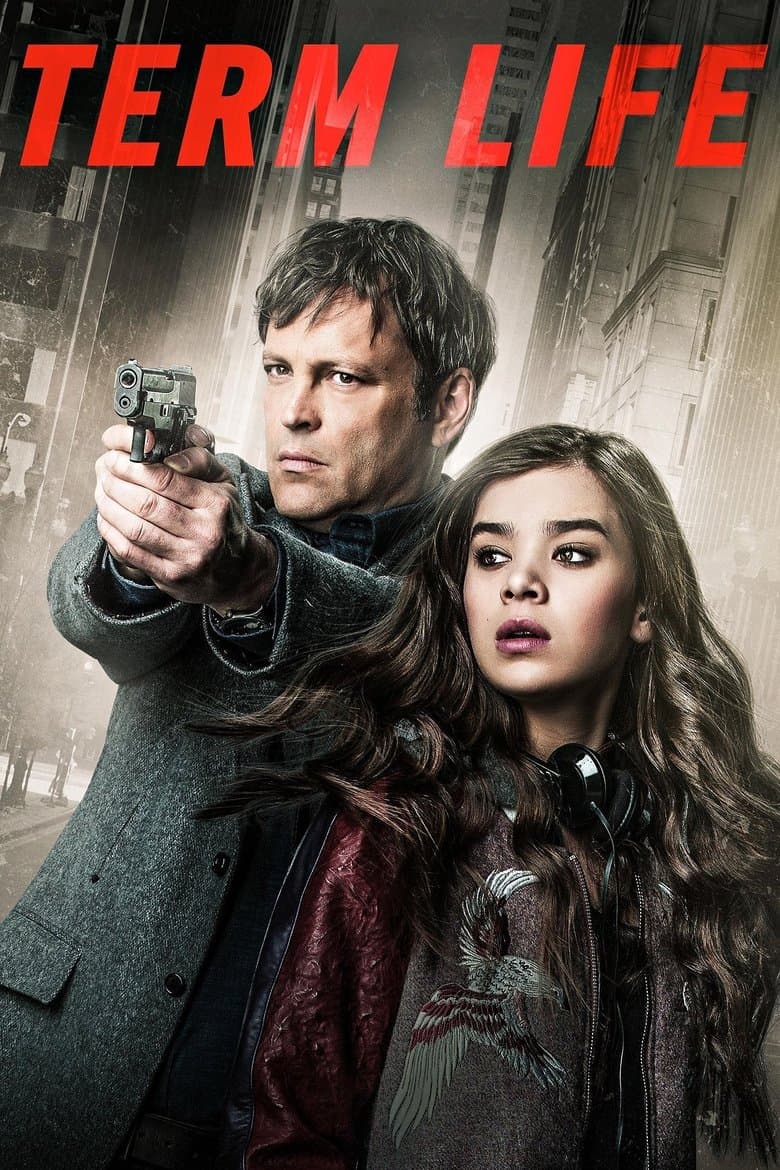
Nick Barrow plans heists for criminals, but one job turns into a trap. Dirty cops, a drug lord, and hired killers chase him through an American city and nearby small towns. Nick buys a million-dollar life insurance policy and names his teenage daughter, Cate, as the beneficiary. He takes Cate on the run and has 21 days to stay alive, which gives the movie a dark crime tone with dry jokes and a tense family story.
Cate has raised herself while her mother moves in and out of rehab and Nick stays away. She resists him, learns some of his escape skills, and later helps rescue him and defeat the corrupt police captain. The cast puts Black and Latino performers in visible police, insurance, and crime roles, but those choices do not shape the family's problem. The story keeps its main attention on damaged parents, a daughter's anger, and the chance to build trust under pressure.
Community feedback
Was our 8% Woke rating accurate?
Breakdown
These are the editorial factors and ratings behind our score for Term Life.
Woke representation / casting
The film uses a visibly mixed supporting cast. Black actors play the insurance agent, the sheriff, and a corrupt police officer, while Spanish and Latino actors play important crime figures. These are visible roles, but the movie does not present them as a message about diversity. The casting does not change the family or crime plot.
10%
Woke political dialogue
Not present. The dialogue covers heists, survival, family anger, police corruption, sex, and drinking. It does not push modern identity, DEI, or activist ideas.
0%
Identity-driven story themes
Not present. Cate is a self-raised teenager who resists her absent father and helps save him. The film treats her actions as part of survival and family repair, not as a message about women or identity.
0%
Western institutional / cultural critique
Not present. The movie shows corrupt police officers who frame Nick and kill people. That conflict belongs to the crime plot and does not become a modern attack on Western culture, family life, religion, or social norms.
0%
Woke character or canon changes
Not relevant. The movie adapts a graphic novel, but the reported changes are ordinary story and format choices. No race, gender, sexuality, or hero-role rewrite is reported.
0%
Anti-woke backlash and complaints
Not present. No anti-woke complaints were found. Reviews and audience comments focus on weak writing, flat action, and the father-daughter plot rather than DEI or identity politics.
0%
Creator track record context
Most of the listed creators have mainstream genre or production careers with little public activist work. Vince Vaughn's public record leans anti-PC, and Peter Billingsley has little record of left identity politics. Ashok Amritraj has backed inclusion and access work, and Mary Vernieu has spoken about representation. That gives the title some mild background context, but no clear activist pattern tied to this movie.
15%
Production
Movie · 2018
A businessman, on his daily commute home, gets unwittingly caught up in a criminal conspiracy that threatens not only his life but the lives of those around him.

Movie · 2025
A broker of lucrative payoffs between corrupt corporations and the individuals who threaten them breaks his own rules when a new client seeks his protection to stay alive.

Movie · 2019
After fighting his demons for decades, John Rambo now lives in peace on his family ranch in Arizona, but his rest is interrupted when Gabriela, the granddaughter of his…
Movie · 2017
Paul is a down-on-his-luck screenwriter who picks up a drifter and offers him a place to stay. However, when the deranged stranger takes Paul hostage and forces him to write…

Movie · 2018
A geologist races against time to save his estranged wife and two children when a devastating earthquake strikes Oslo, Norway.

Movie · 2016
A young man washes ashore, his memory gone - but his past comes back to haunt him after he is nursed back to health and his killing ability is needed when he takes on a powerful…
Movie · 2016
As a huge electrical storm sweeps towards Texas, lineman Beau Ginner is haunted by memories of his brother's death by lightning years earlier.
Movie · 2016
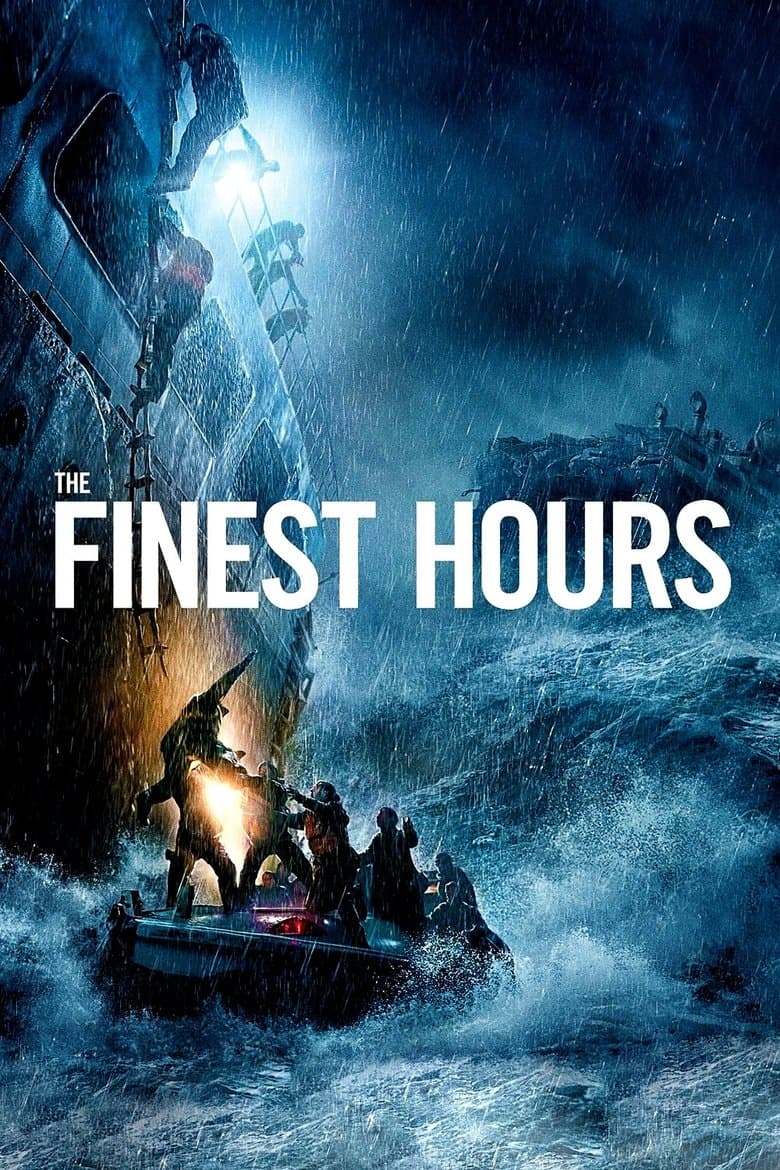
The Coast Guard makes a daring rescue attempt off the coast of Cape Cod after a pair of oil tankers are destroyed during a blizzard in 1952.
