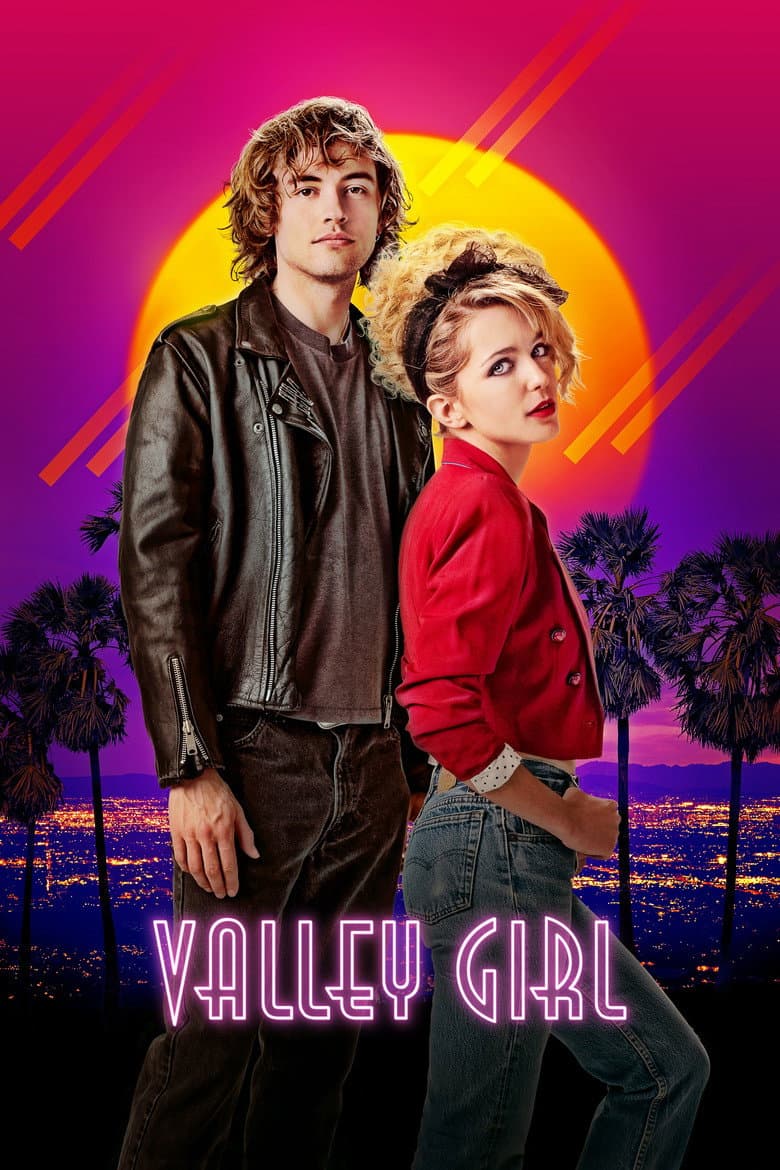
Valley Girl follows Julie Richman, a popular teen living in the San Fernando Valley in the early 1980s. She dates Mickey, a proud school athlete, but she wants a life beyond her friends, the mall, and the local college plan. Julie falls for Randy, a punk singer from Hollywood, and their romance brings fights with parents, friends, and both social groups. The film uses bright colors, jokes, dancing, and familiar 1980s songs to tell a light coming-of-age love story.
The film gives Julie a clear wish to study fashion in New York and choose her own future instead of simply following a boyfriend. A short scene celebrates Sally Ride as a woman who made her own path, and several songs support the same idea. Randy’s band includes Jack, a lesbian friend who has a visible supporting role, and the film includes a brief same-sex kiss. These elements are noticeable across the story, but the main plot remains Julie and Randy’s romance, friendship problems, and struggle between two teenage worlds.
Community feedback
Was our 52% Woke rating accurate?
Breakdown
These are the editorial factors and ratings behind our score for Valley Girl.
Woke representation / casting
Julie’s main friend group places Chloe Bennet and Ashleigh Murray beside white actresses in major teen roles. Randy’s band includes Jack, an openly lesbian supporting character played by Mae Whitman. These characters appear in the mall, party, and music scenes, so the mix is easy to notice. The movie presents the group as ordinary Los Angeles teenagers, and race is not the story’s main subject.
34%
Woke political dialogue
Julie’s father points to Sally Ride as the first woman astronaut and praises her for making her own path. The prom scene adds a short joke that celebrates women after the Sally Ride mention. Julie’s songs also include lines about girls choosing what they want, but the songs are part of the musical rather than a speech. The gender message is clear in this brief cluster but does not drive most conversations.
25%
Identity-driven story themes
Julie repeatedly rejects the future that her friends and parents expect. Julie chooses fashion school and later tells her daughter to follow her own path. The romance supports Julie’s growth, but the story says she does not change only for Randy. Jack is a lesbian bandmate, and a brief same-sex kiss adds a second identity thread.
45%
Western institutional / cultural critique
The girls joke that marriage can keep a woman from needing a job. Julie’s friends and parents push her toward a safe boyfriend and a local college. Mickey pressures Julie for sex and reacts badly when she says no. The story treats those pressures as wrong, but it does not attack religion, capitalism, or Western institutions.
32%
Woke character or canon changes
The original film’s male friend Fred becomes Jack in the remake. Jack is a lesbian bandmate, so the supporting role gains both a gender and sexuality change. Jack appears in the band, party, and prom parts of the story. The main Julie and Randy romance remains in place.
45%
Anti-woke backlash and complaints
Not present. X research found no anti-woke reaction. One Reddit comment called the remake “too woke” without naming a specific scene or idea, so it does not show a clear backlash pattern.
0%
Creator track record context
Rachel Lee Goldenberg has a cached score of 50/100 because of Unpregnant, an abortion-access comedy, and her comments about normalizing abortion. Amy Talkington has a cached score of 31/100 and no strong public record of activism. Andrew Lane and Wayne Crawford have cached scores of 0/100, while the producer and casting scores are low. This gives the title mild creator context, but the current film is mainly a romance and musical.
27%
Production
Movie · 2018
Lara Jean's love life goes from imaginary to out of control when her secret letters to every boy she's ever fallen for are mysteriously mailed out.
Movie · 2019
A struggling musician realizes he's the only person on Earth who can remember The Beatles after waking up in an alternate reality where the group was forgotten.
Movie · 2024
Fran likes to think about dying. It brings sensation to her quiet life. When she makes the new guy at work laugh, it leads to more: a date, a slice of pie, a conversation, a…
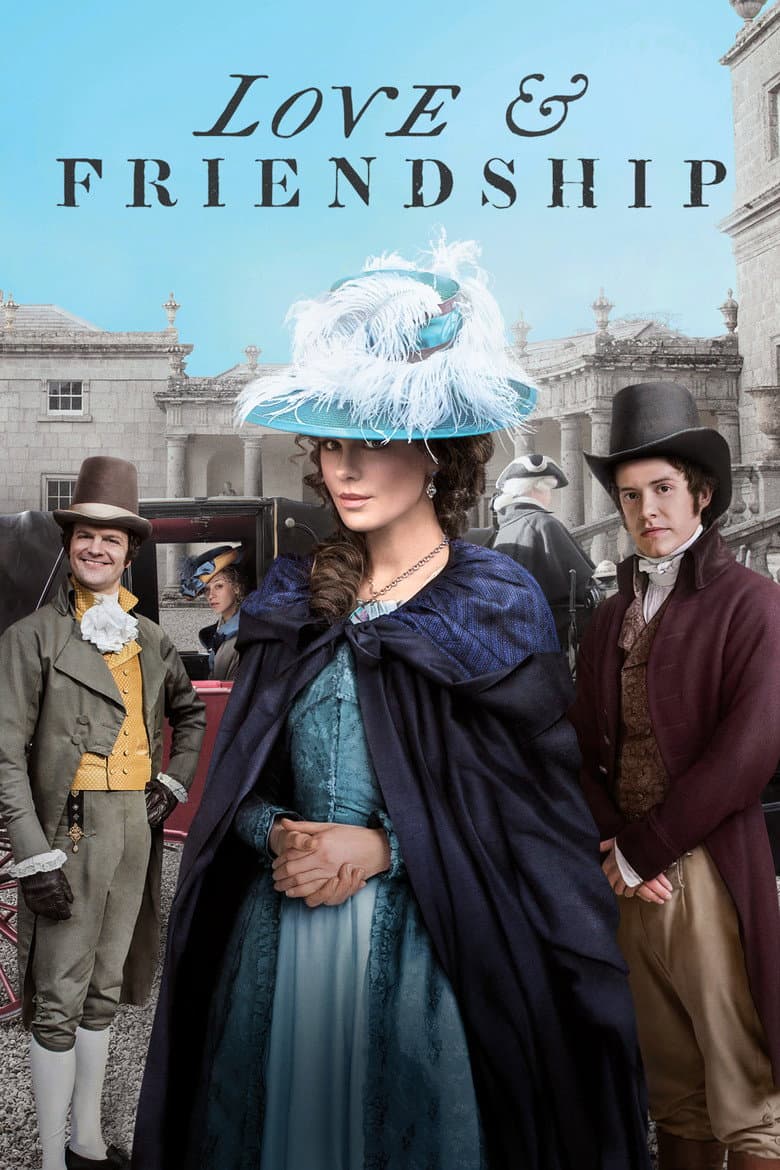
Movie · 2016
From Jane Austen’s novella, the beautiful and cunning Lady Susan Vernon visits the estate of her in-laws to wait out colorful rumors of her dalliances and to find husbands for…

Movie · 2022
Students Hayley and James are young and in love. After saying goodbye for Christmas at a London train station, they both make the same mad split-second decision to swap trains and…
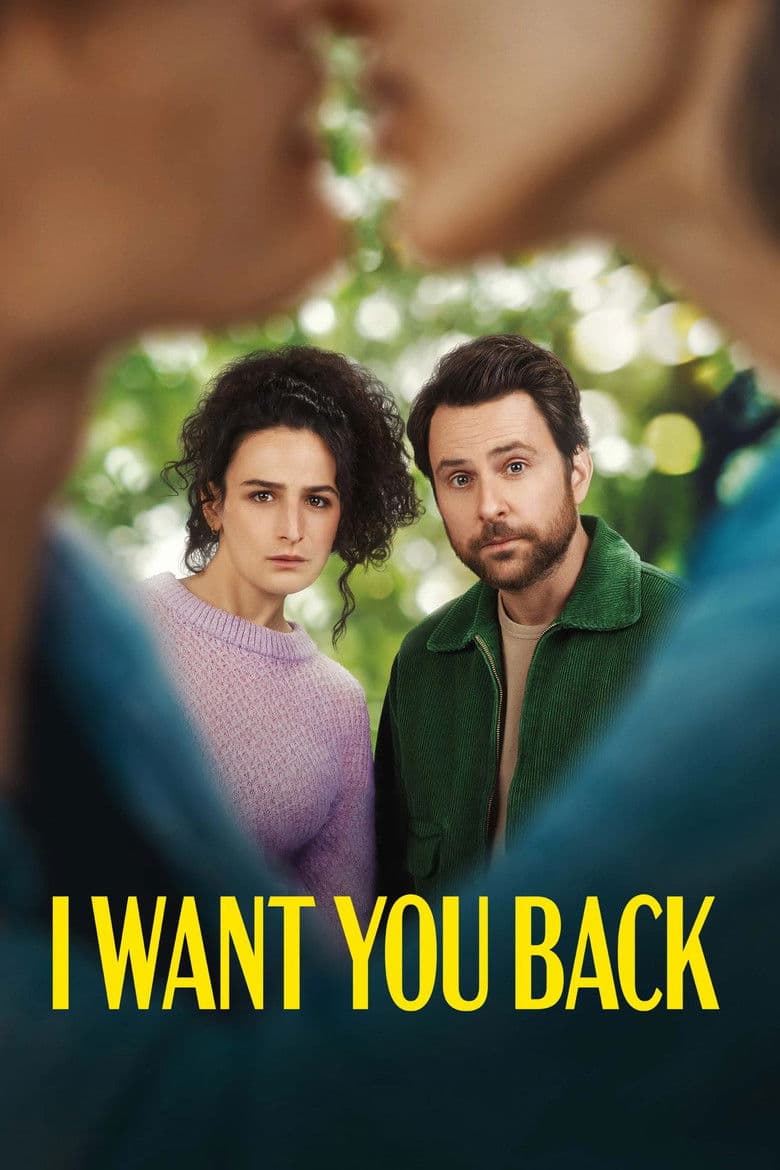
Movie · 2022
Peter and Emma thought they were on the precipice of life’s biggest moments – marriage, kids, and houses in the suburbs – until their respective partners dumped them.
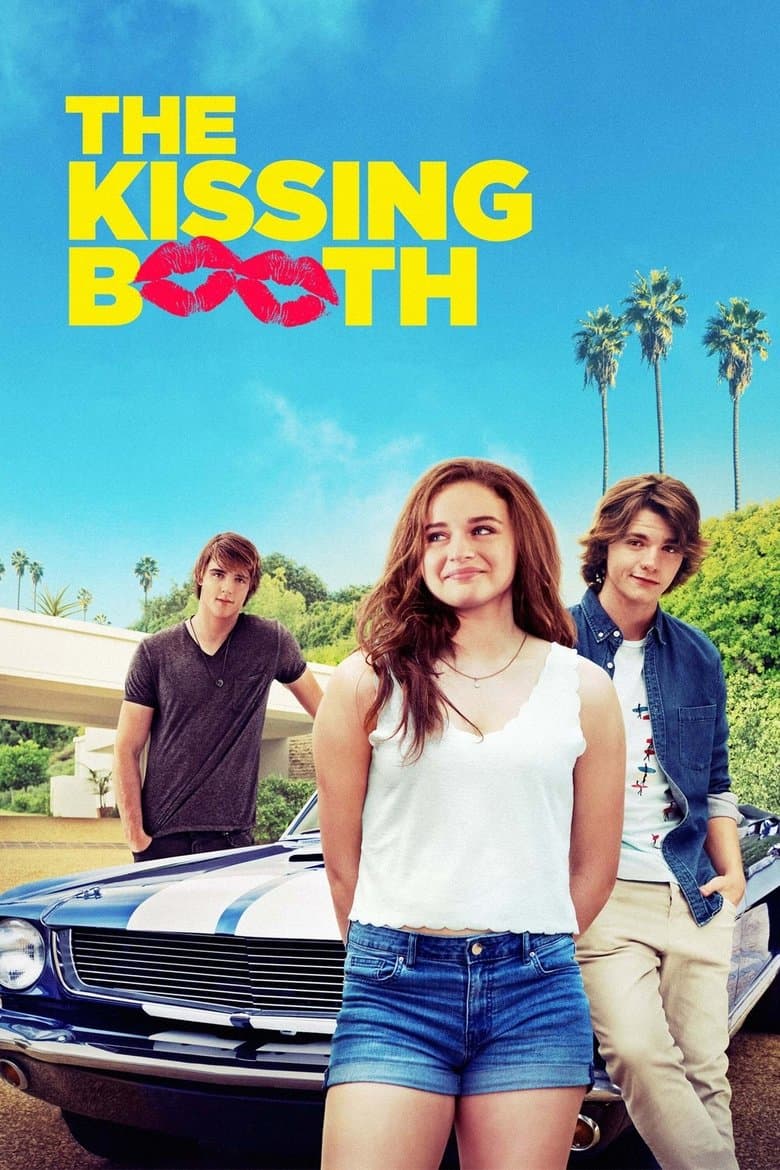
Movie · 2018
When teenager Elle's first kiss leads to a forbidden romance with the hottest boy in high school, she risks her relationship with her best friend.
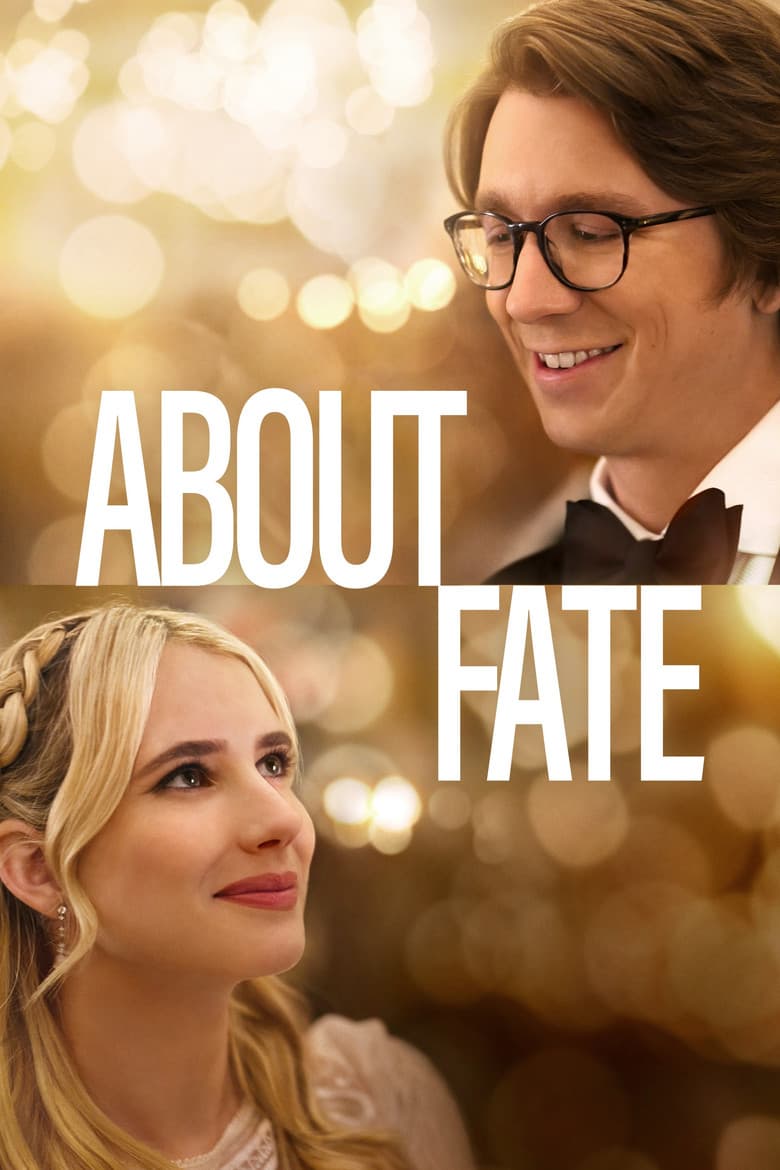
Movie · 2022
Two strangers believe in love but never seem to be able to find its true meaning. In a wild twist of events, fate puts each in the other's path on one stormy New Year's Eve.
