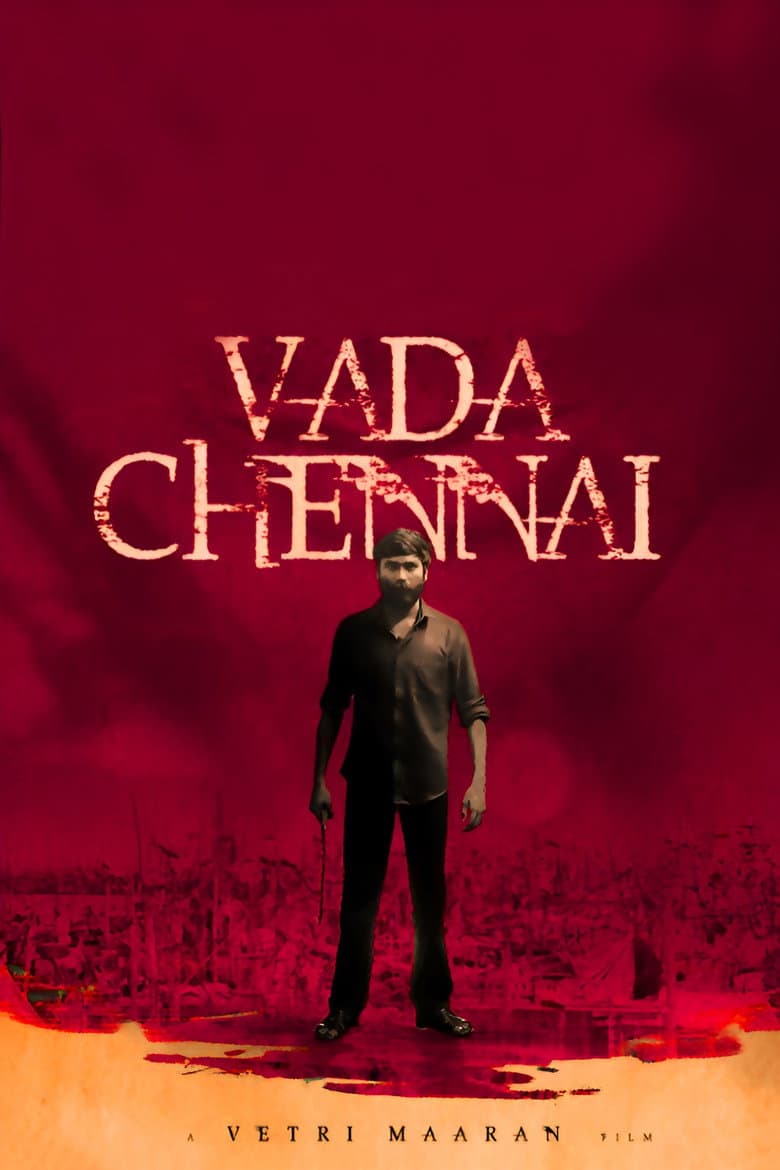
Vada Chennai follows Anbu, a young carrom player from North Chennai who wants a normal life and a chance to compete. A prison fight pulls him into a long war between the gangs of Guna and Senthil. The story moves between the late 1980s, the 1990s, and the early 2000s as Anbu changes from a hesitant young man into a feared gang leader. Rajan, a local gangster who protects his people, shapes Anbu’s choices even after his own followers turn against him. The film is violent, tense, and built around betrayal, revenge, loyalty, and power.
The clearest woke elements are the film’s sympathy for a poor coastal community facing eviction and its repeated criticism of politicians, police, and business plans that threaten local homes and work. The story also gives Chandra unusual control over the gang war, while Padma is written as a woman who speaks her mind and does not simply follow men. These choices are important to the plot, but they sit inside a crime saga rather than a direct modern identity campaign. The film does not center queer identity, Western culture, or a diversity message, and its politics stay tied to North Chennai’s local history and land fight.
Community feedback
Was our 50% Woke rating accurate?
Breakdown
These are the editorial factors and ratings behind our score for Vada Chennai.
Woke representation / casting
Andrea Jeremiah plays Chandra, a local North Chennai woman, and her polished appearance stands out from the rough setting. Chandra is an important character, so viewers can notice the casting choice. The other main actors fit the local Tamil setting. The film does not use a broad diversity-first cast or an identity message.
15%
Woke political dialogue
The film repeatedly has characters argue that politicians and builders will take the fishing hamlet’s land for roads, harbour work, and factories. Rajan asks what will happen to families after they are moved. Anbu later links development plans with garbage, police violence, illness, and the loss of local work. The film favors resistance by the people, but the message stays tied to a period crime story.
42%
Identity-driven story themes
Chandra becomes the hidden planner behind the gang war and uses men such as Guna and Anbu to carry out her revenge. Padma speaks her mind and does not simply follow the men around her. Vetrimaaran said Chandra moves the plot forward and that the women are stronger than in his earlier films. These choices give female agency a strong place, but women share the story with male gang rivalry and revenge.
48%
Western institutional / cultural critique
Not present. The film criticizes local gangsters, politicians, police, and land plans in North Chennai. It does not attack Western institutions, Christianity, or conservative family life.
0%
Woke character or canon changes
Not relevant. The film is an original crime story with fictional gang leaders and a fictional hero. Real events appear as background, but the film does not change a known character or historical figure.
0%
Anti-woke backlash and complaints
Not present. The supplied X research found no anti-woke complaints or right-leaning defense of the film. News complaints focused on local stereotyping, vulgar language, and a boat scene, not DEI or identity politics.
0%
Creator track record context
Vetrimaaran brings a strong activist context through earlier films about caste, poor communities, state violence, and abuse of power. He said Vada Chennai made him more responsible and more willing to express social and political beliefs through scenes. Dhanush has a milder social record, while the other listed creators add little documented activist context. This background fits the film’s local power and land themes, but the movie remains a commercial crime saga.
64%
Production
Movie · 2018
The amazing true story of Billy Moore, an English boxer incarcerated in Thailand’s most notorious prison. Thrown into a world of drugs and violence, he finds his best chance to…
Movie · 2019
One memorable night in the life of veteran patrol officer Ray Mandel and his trainee, ambitious rookie cop Nick Holland in the LAPD's Olympic Division.
Movie · 2022
Tormented by a past life, garbage man Clean attempts a life of quiet redemption. But when his good intentions mark him a target of a local crime boss, Clean is forced to reconcile…
Movie · 2023
Set in the fictional dystopian city-state of Khansaar, the film follows the friendship between Deva, a tribesman, and Varadha, the prince of Khansaar.

Movie · 2022
Decorated veteran Will Sharp, desperate for money to cover his wife's medical bills, asks for help from his adoptive brother Danny.
Movie · 2017
Trying to reverse a family curse, brothers Jimmy and Clyde Logan set out to execute an elaborate robbery during the legendary Coca-Cola 600 race at the Charlotte Motor Speedway.
Movie · 2025
Expert thief Parker gets a shot at a major heist, but to pull it off he and his team must outsmart a South American dictator, the New York mob, and the world's richest man.
Movie · 2023
When his aging mob boss is whacked, Charlie Swift, a loyal friend and hired gun, will stop at nothing to destroy the upcoming crew that took him out.
