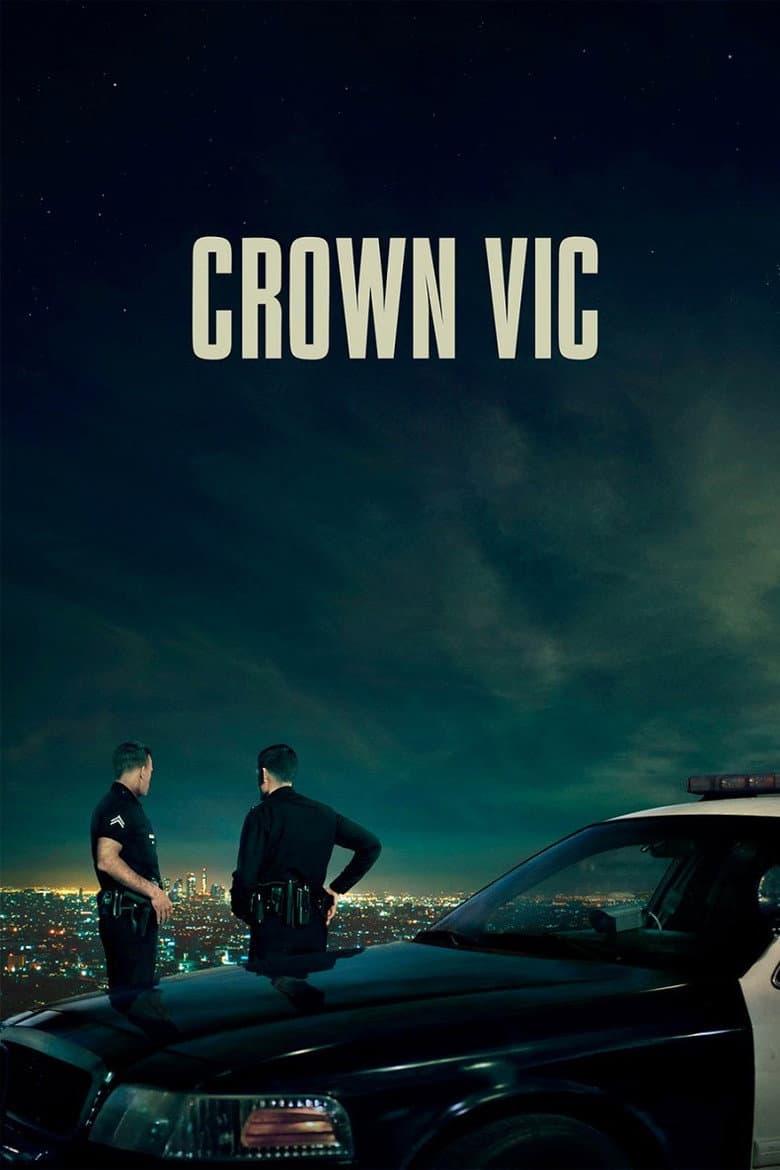
Crown Vic follows Ray Mandel, a tired veteran LAPD patrol officer, and Nick Holland, a young rookie on his first night. The two men drive through Los Angeles while two cop killers move across the city. They also search for a missing girl and deal with a violent rogue cop, drug users, thieves, and people in crisis. Ray treats the patrol car as his home, while Nick tries to learn what kind of officer he wants to become. The movie has a bleak, tense, and rough tone.
The film shows Ray bending or breaking rules, hiding actions from cameras, and using violence when he thinks the job demands it. Nick questions Ray and sees how years of street work can turn a hopeful officer into a bitter man. The story also shows police abuse, a racist and homophobic officer, poor neighborhoods, and a young black boy near a crime scene. Its main themes are police ethics, old versus new policing, and the price of living by force.
Community feedback
Was our 24% Woke rating accurate?
Breakdown
These are the editorial factors and ratings behind our score for Crown Vic.
Woke representation / casting
An early casting notice says the producer was committed to diverse, inclusive casting. The notice listed a Hispanic or African American patrol cop and a Middle Eastern clerk among the smaller roles. The finished film keeps its two main roles with white male cops and does not make identity part of their story. This gives a mild score for public diversity framing, not a strong score for what viewers see.
12%
Woke political dialogue
Ray repeatedly says that phone cameras, body cameras, and new rules leave officers less room to act. Ray praises the freedom of older policing and hints that officers may need hidden guns. Nick pushes back when Ray kills a suspect and says right and wrong still matter. The movie raises police ethics, but it does not turn the debate into a clear activist speech.
12%
Identity-driven story themes
The film includes a young black boy who looks at Nick near a murder scene. The film also presents one officer as racist and homophobic. The story uses those details to show bad policing and ugly behavior, not to build a continuing race or queer storyline. Ray and Nick’s main conflict stays focused on violence, duty, and police ethics.
12%
Western institutional / cultural critique
The film repeatedly shows officers abusing suspects, hiding evidence, and protecting their own. The film contrasts Ray’s old rule-breaking style with Nick’s concern about law and cameras. The film also shows police work as a system with broken recorders, little oversight, and heavy weapons. Its criticism stays inside a grim police story and does not attack family, religion, or Western culture in general.
28%
Woke character or canon changes
Not relevant. The film is an original police story. It does not change a known character, source, or real historical figure.
0%
Anti-woke backlash and complaints
Not present. The supplied X research pass found no anti-woke complaints. Web searches found debate about police ethics and the film’s dark tone, but no meaningful complaint that the movie pushes DEI or identity politics.
0%
Creator track record context
Joel Souza has no widely documented activist or DEI record in the stored notes. Alec Baldwin, a producer, has a strong progressive public record and has defended diverse casting. Anjul Nigam has discussed barriers for South Asian performers and immigrant representation. The other stored producers have little or no high-confidence activist record, and the film itself does not strongly use those issues.
20%
Production
Movie · 2016
In the fourth installment of the fighting franchise, Boyka is shooting for the big leagues when an accidental death in the ring makes him question everything he stands for.
Movie · 2022
A noir thriller set in Miami, the film follows an enforcer who discovers his femme fatale boss has branched out into cyber sex trafficking, putting a young runaway he’s befriended…

Movie · 2022
Decorated veteran Will Sharp, desperate for money to cover his wife's medical bills, asks for help from his adoptive brother Danny.
Movie · 2016
As Batman hunts for the escaped Joker, the Clown Prince of Crime attacks the Gordon family to prove a diabolical point mirroring his own fall into madness.
Movie · 2023
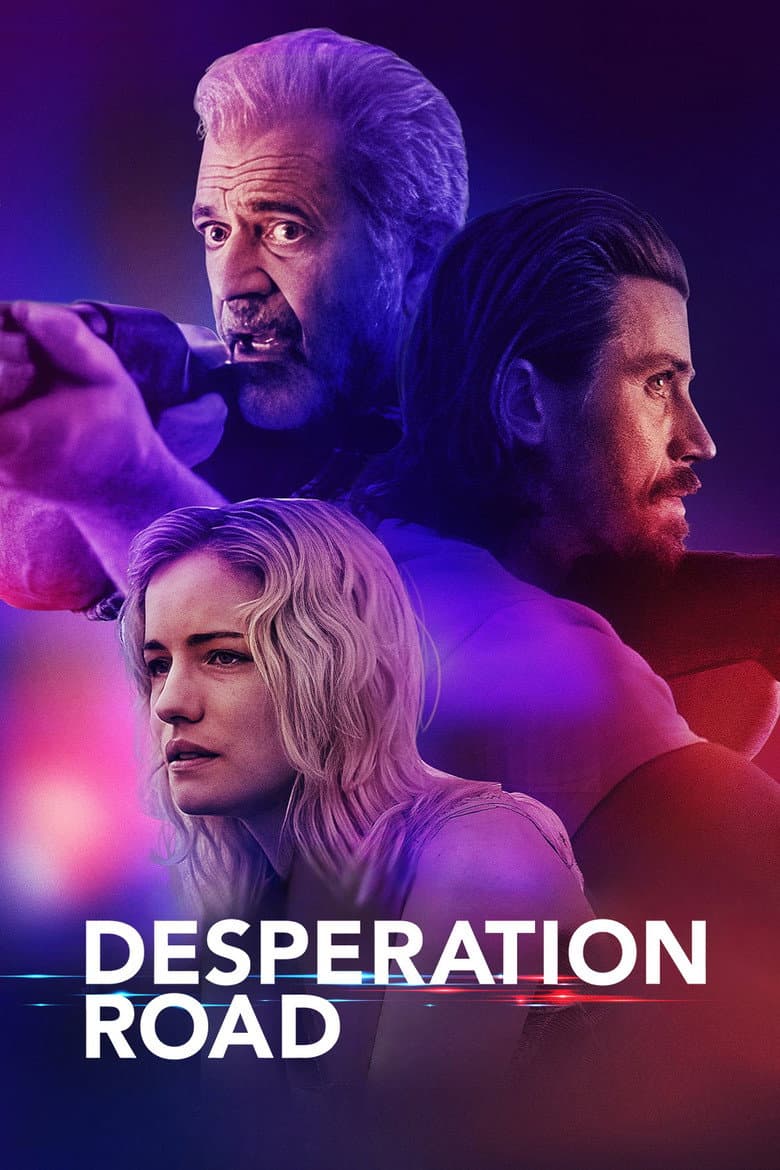
Ex-con Russell Gaines is attempting to rebuild his life with the help of his father, Mitchell. However, the arrival of Maben sends his new life into chaos, leading the pair to go…
Movie · 2024
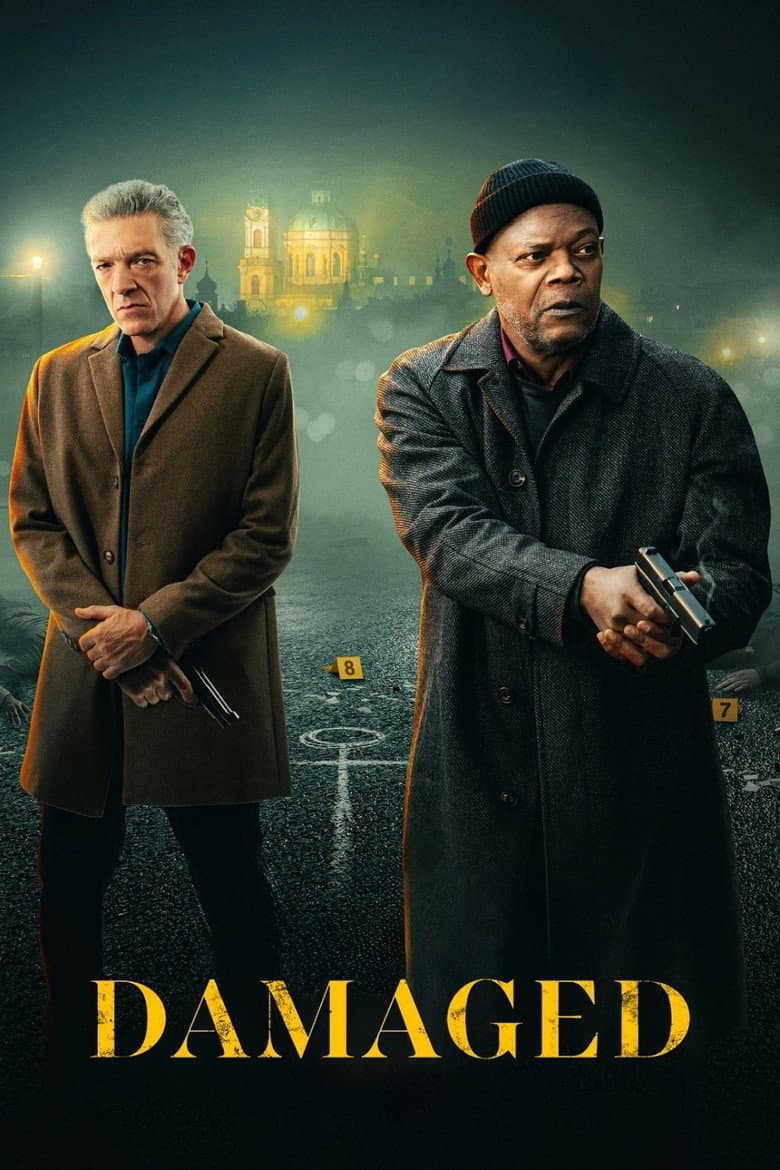
A Chicago detective travels to Scotland after an emerging serial killer’s crimes match those that he investigated five years earlier, one of which was the crime scene of his…
Movie · 2022
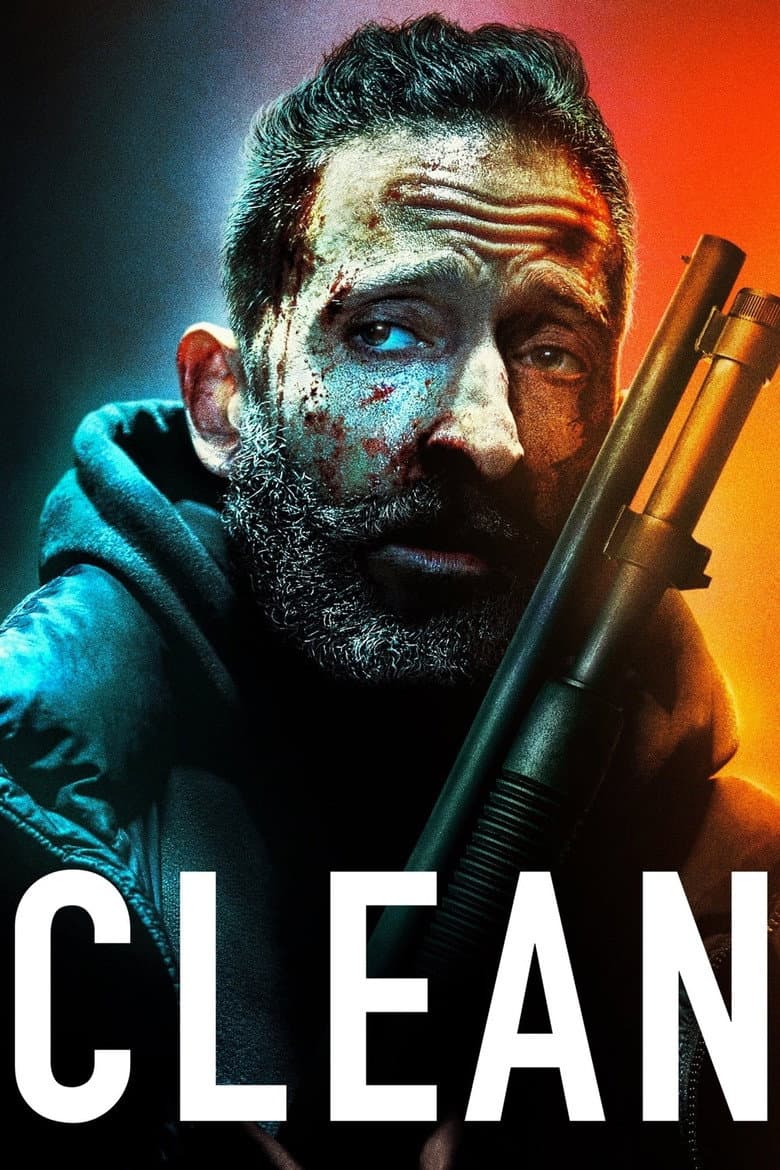
Tormented by a past life, garbage man Clean attempts a life of quiet redemption. But when his good intentions mark him a target of a local crime boss, Clean is forced to reconcile…
Movie · 2023
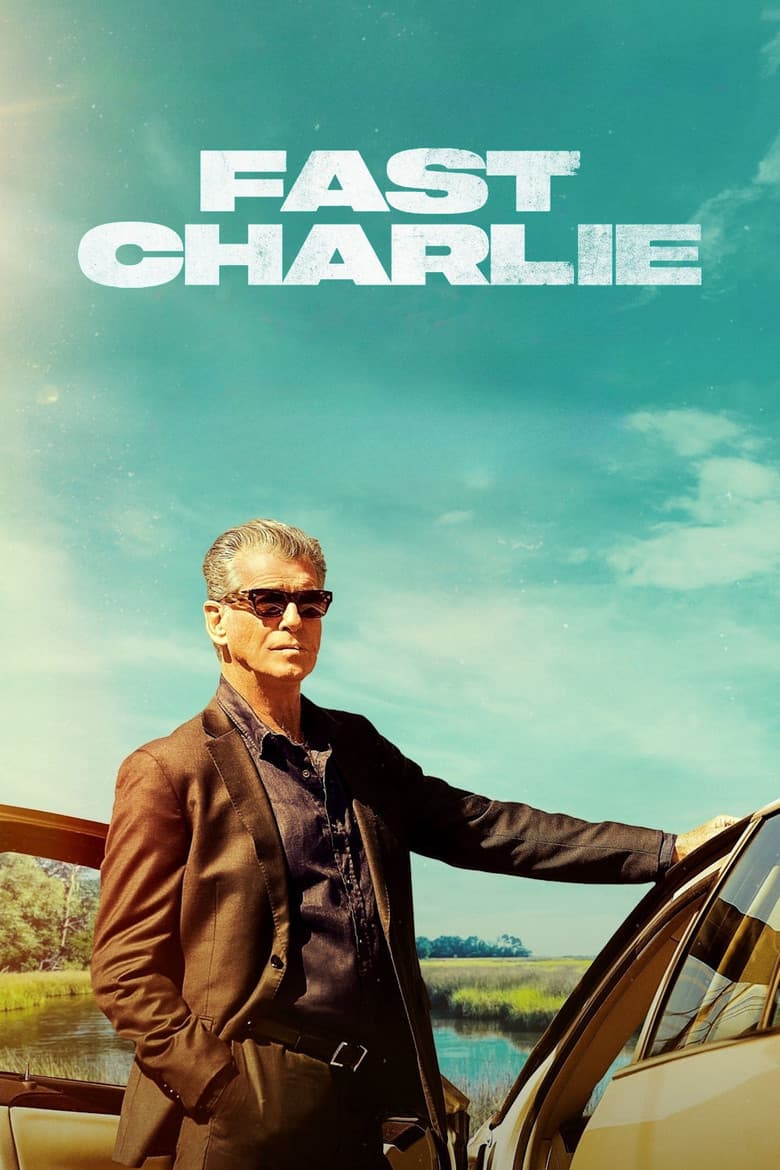
When his aging mob boss is whacked, Charlie Swift, a loyal friend and hired gun, will stop at nothing to destroy the upcoming crew that took him out.
