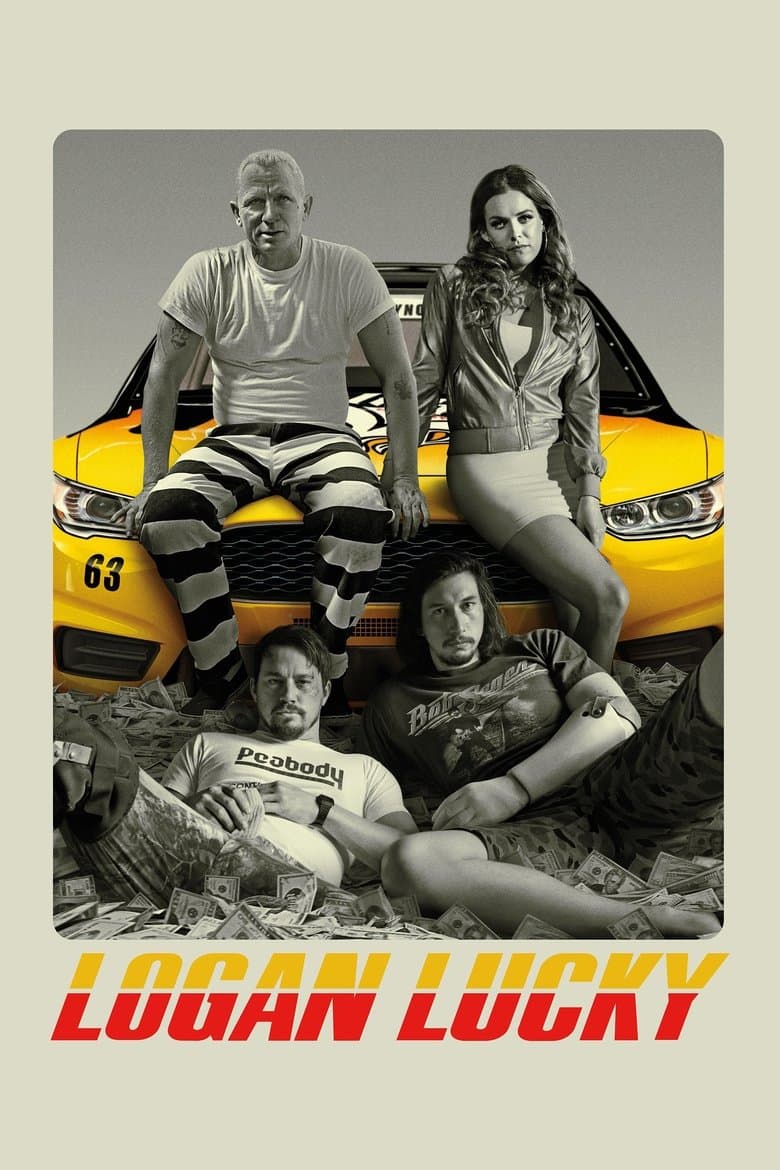
Jimmy Logan is a divorced father from West Virginia who has lost his construction job and fears losing time with his daughter. His brother Clyde is an Iraq War veteran with one arm, and his sister Mellie works in a hair salon and loves cars. The three siblings join Joe Bang and his brothers to rob the Charlotte Motor Speedway during the Coca-Cola 600. The movie uses dry jokes, strange criminals, family loyalty, and a warm Southern setting to tell a playful heist story.
The film gives Mellie a clear job in the plan as the getaway driver, and it shows her as both very feminine and highly skilled with cars. That choice is the main audience-visible representation signal, but it is a small part of the story and is not tied to a broad message about women or diversity. The movie also sympathizes with working people who lose jobs, face high costs, and feel ignored by large businesses. It presents those problems as reasons for a funny robbery, while the main themes stay focused on family, luck, money, and clever teamwork.
Community feedback
Was our 18% Woke rating accurate?
Breakdown
These are the editorial factors and ratings behind our score for Logan Lucky.
Woke representation / casting
Mellie is the only woman in the central heist crew. The story gives her a key job as the getaway driver and shows that she knows cars. Publicity and Keough’s interview call attention to the contrast between her girly style and her tough driving role. The film does not turn that contrast into a large message about women or diversity.
18%
Woke political dialogue
Not present. The script contains no activist language, identity-based arguments, or modern political commentary of any kind.
0%
Identity-driven story themes
Not present. Themes revolve around family bonds, bad luck, and heist ingenuity with no race, gender, sexuality, or identity elements driving character arcs or plot.
0%
Western institutional / cultural critique
Jimmy loses his job after an employer refuses to keep him because of insurance concerns about his leg. The story also shows a small medical clinic that needs donations because local care is weak. The film places poor workers against large businesses and wealthy sponsors. It uses these problems to support a funny robbery, but it does not call for socialism or a political movement.
20%
Woke character or canon changes
Not present in this title.
0%
Anti-woke backlash and complaints
Not present. No backlash exists claiming the film pushes woke, activist, or left-wing messaging; coverage remained focused on entertainment value.
0%
Creator track record context
Steven Soderbergh has a progressive record and has used social or political ideas in other films. Carmen Cuba has a record of seeking diverse performers. The cached notes give the writer and listed producers little or no activist profile. Logan Lucky does not carry these background signals into a strong identity or DEI message.
15%
Production
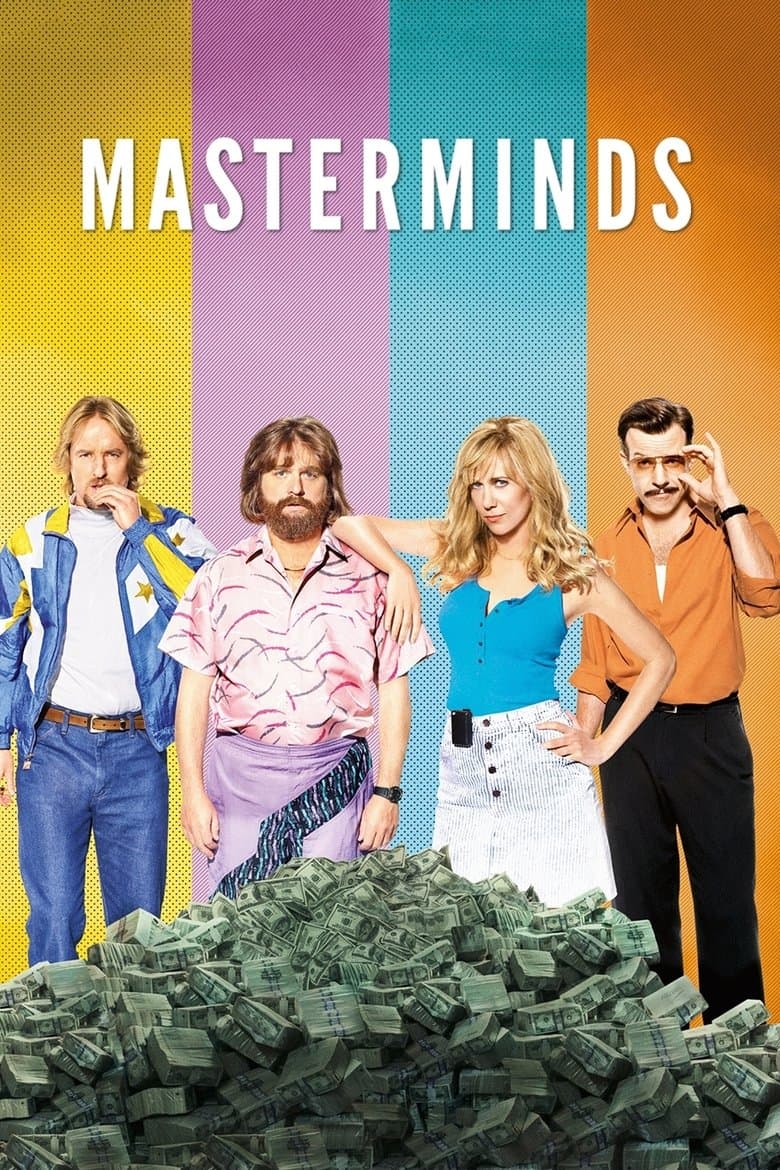
Movie · 2016
A night guard at an armored car company in the Southern U.S. organizes one of the biggest bank heists in American history.

Movie · 2021
An Interpol-issued Red Notice is a global alert to hunt and capture the world's most wanted. But when a daring heist brings together the FBI's top profiler and two rival…

Movie · 2018
William has failed to kill himself so many times that he outsources his suicide to aging assassin Leslie. But with the contract signed and death assured within a week (or his…
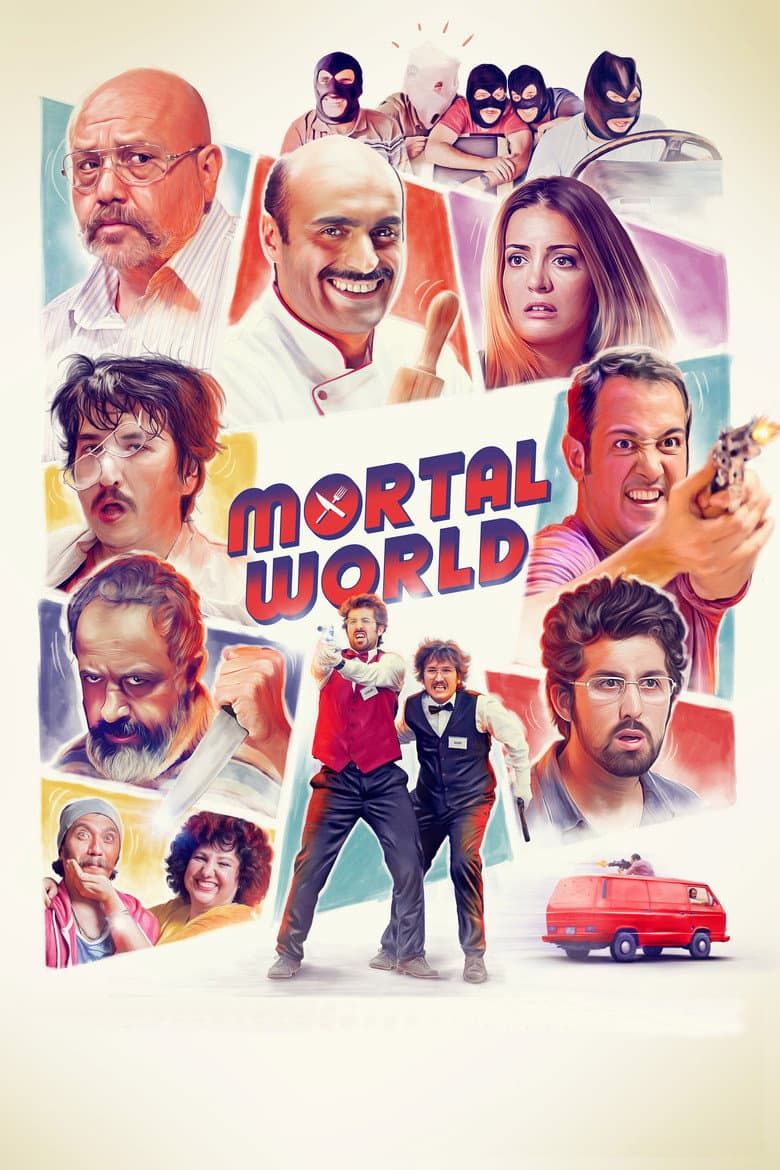
Movie · 2018
Mermer family, who has been managing a restaurant called “Anatolian flavors” in Haydarpasa train station for generations, consist of 8 members.

Movie · 2023
When his aging mob boss is whacked, Charlie Swift, a loyal friend and hired gun, will stop at nothing to destroy the upcoming crew that took him out.
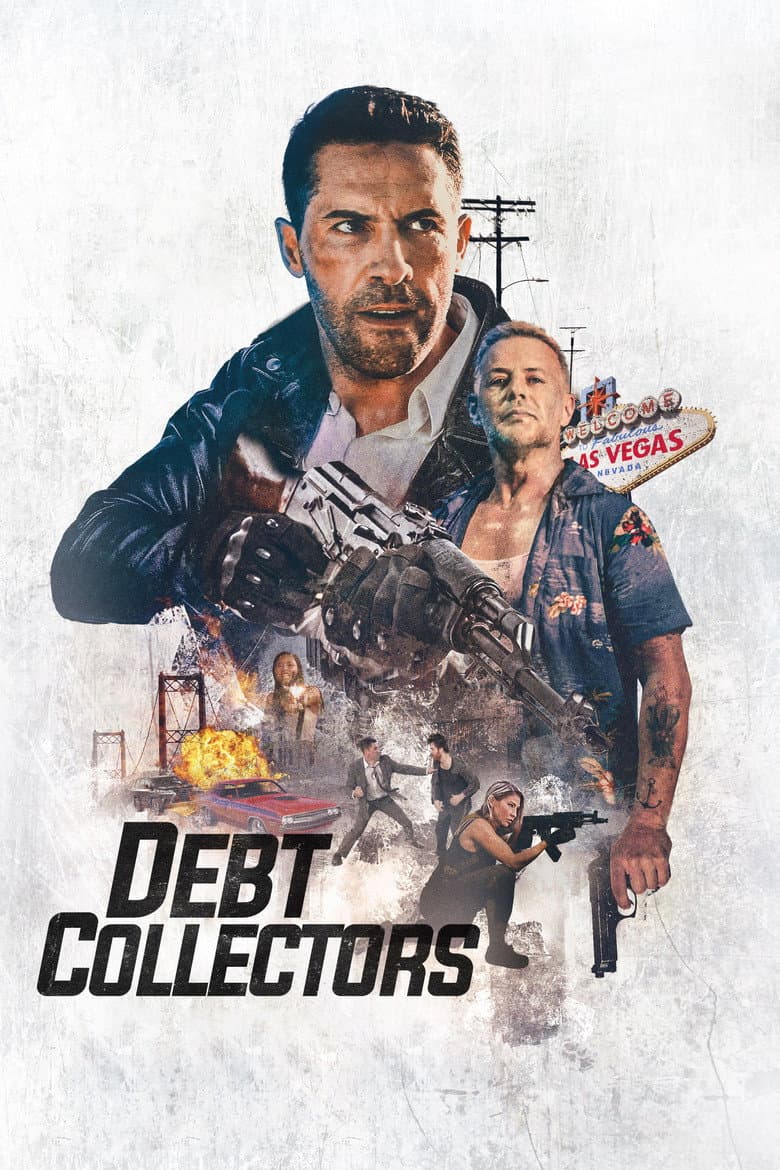
Movie · 2020
A pair of debt collectors are thrust into an explosively dangerous situation, chasing down various lowlifes while also evading a vengeful kingpin.
Movie · 2024
A reformed criminal's attempt at going straight is derailed when he reunites with his sanity-testing twin brother on a road trip for the score of a lifetime.
Movie · 2024
After their late former Captain is framed, Lowrey and Burnett try to clear his name, only to end up on the run themselves.
