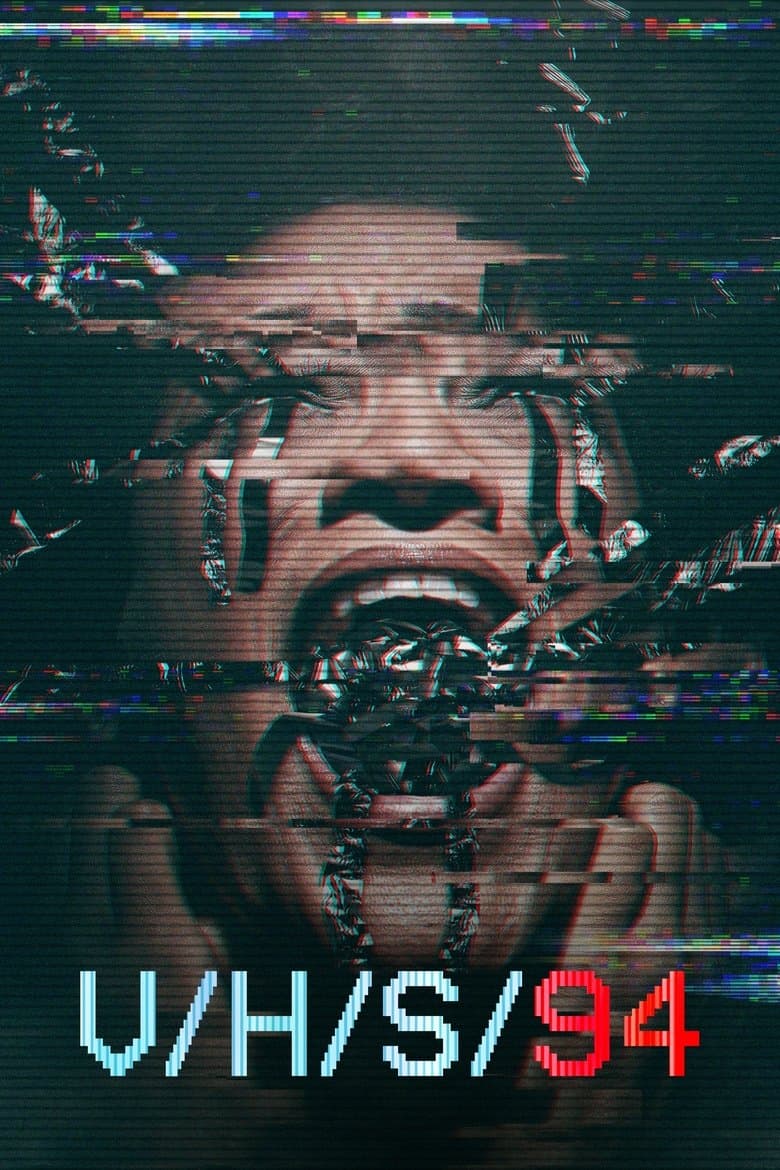
V/H/S/94 follows a SWAT team that raids a warehouse in 1994 after police find a strange VHS tape. The officers discover a dead cult and a room full of screens that show four grim stories. A reporter searches a sewer for Rat Man, while a funeral worker guards a coffin. A scientist turns people into machines, and a militia plans an attack on a government building. The tone is loud, bloody, strange, and often darkly funny.
Several stories put women at the center of danger and give them key acts of escape, revenge, or survival. The linking story shows two women using a violent video cult to take control of a rogue male cop. The cyborg story shows S.A. fighting after a male scientist turns her into a weapon. The reporter and funeral worker also lead their own segments. The militia story mocks racist men who talk about taking back America and use Christian language to defend violence, but monsters, gore, and found-footage scares remain the main purpose.
Community feedback
Was our 51% Woke rating accurate?
Breakdown
These are the editorial factors and ratings behind our score for V/H/S/94.
Woke representation / casting
Several segments use women as prominent leads. Holly is the lead reporter, Hailey carries the funeral story, S.A. becomes the central cyborg survivor, and two women in the SWAT team help defeat Slater. Jennifer Reeder publicly framed the film as giving women key roles in front of the camera and as feminist horror. The film does not make race or queer identity part of the story.
43%
Woke political dialogue
The militia segment contains repeated speeches about America, “taking back” the country, mass cleansing, and using Christ to attack a government building. Holly also says the richest country treats people in the sewer badly. The soldiers debate whether a female cyborg is still human, which adds a short question about state power. Most dialogue remains crude horror banter, so the political material is concentrated in a few segments.
42%
Identity-driven story themes
Several stories put women at the center of danger and give them key acts of escape, revenge, or survival. The linking story shows women using a violent video cult to take control of a rogue male cop. The cyborg story shows S.A. fighting after a male scientist turns her into a weapon. These ideas recur across the anthology, but monsters, cults, and gore remain the main focus.
40%
Western institutional / cultural critique
The militia segment mocks a white supremacist group that calls itself patriotic, plans to bomb a government building, and uses Christian language to defend violence. The reporter says the richest country treats people in the sewer badly. The linking story also shows a rogue police officer helping the militia and abusing his power. These points are clear, but most of the film uses institutions as part of a horror setup rather than a lasting modern critique.
44%
Woke character or canon changes
Not relevant. The movie uses original anthology segments and does not change an established character, canon, or real historical figure.
0%
Anti-woke backlash and complaints
Not present. The separate X pass found no anti-woke reaction or specific complaints. Web audience talk focused on gore, segment quality, pacing, and confusion rather than woke or DEI messaging.
0%
Creator track record context
Jennifer Reeder’s cached profile shows a strong feminist and social-justice pattern, and she calls her segment feminist horror. Ryan Prows often uses horror for race, policing, and white-power themes, and he brings that focus to the militia segment. Chloe Okuno has a milder pattern around women facing danger and doubt. The other listed writers and Steven Kostanski have low scores, so the combined context is mixed but clearly elevated.
42%
Production
Movie · 2018
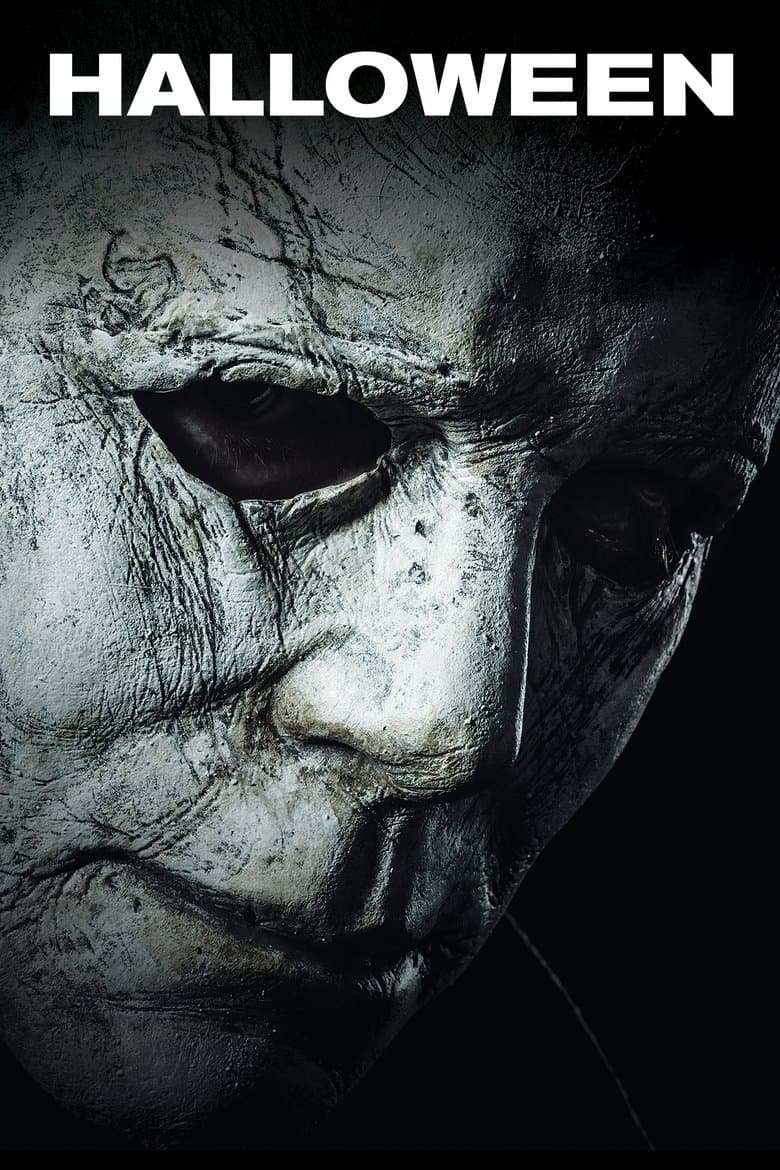
Laurie Strode comes to her final confrontation with Michael Myers, the masked figure who has haunted her since she narrowly escaped his killing spree on Halloween night four…
Movie · 2024
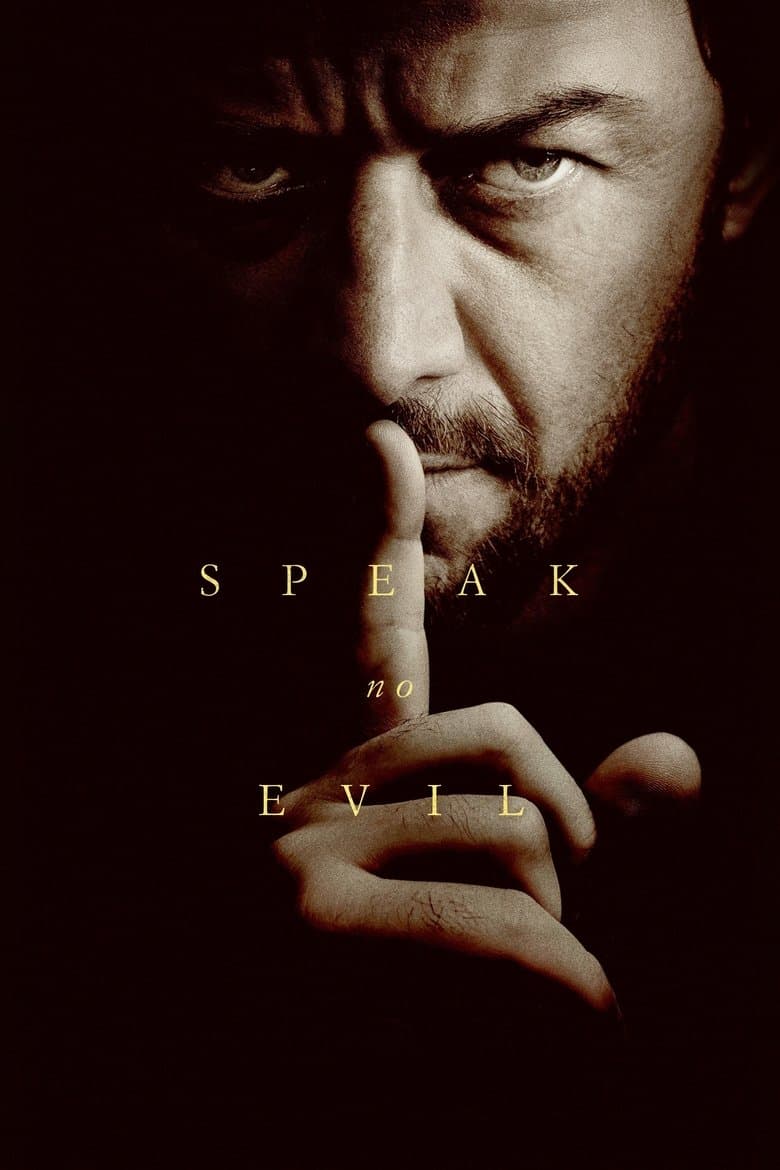
When an American family is invited to spend the weekend at the idyllic country estate of a charming British family they befriended on vacation, what begins as a dream holiday soon…
Movie · 2024
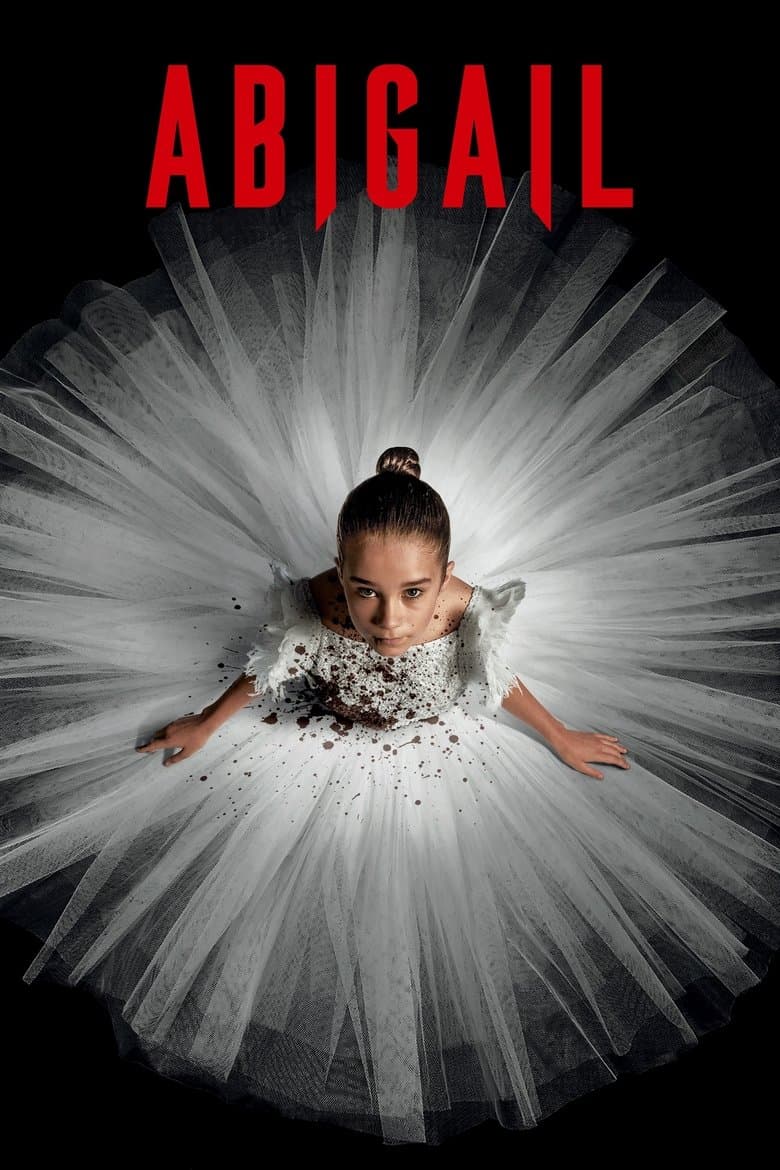
A group of criminals kidnap a teenage ballet dancer, the daughter of a notorious gang leader, in order to obtain a ransom of $50 million, but over time, they discover that she is…
Movie · 2016
A deaf woman is stalked by a psychotic killer in her secluded home.
Movie · 2023
Father Gabriele Amorth, Chief Exorcist of the Vatican, investigates a young boy's terrifying possession and ends up uncovering a centuries-old conspiracy the Vatican has…
Movie · 2021
The Blind Man has been hiding out for several years in an isolated cabin and has taken in and raised a young girl orphaned from a devastating house fire.
Movie · 2025
When Polly receives a mysterious box, it comes with one rule: place inside something she needs, something she hates, and something she loves.
Movie · 2024
Nothing is what it seems when a twisted one-night stand spirals into a serial killer’s vicious murder spree.
