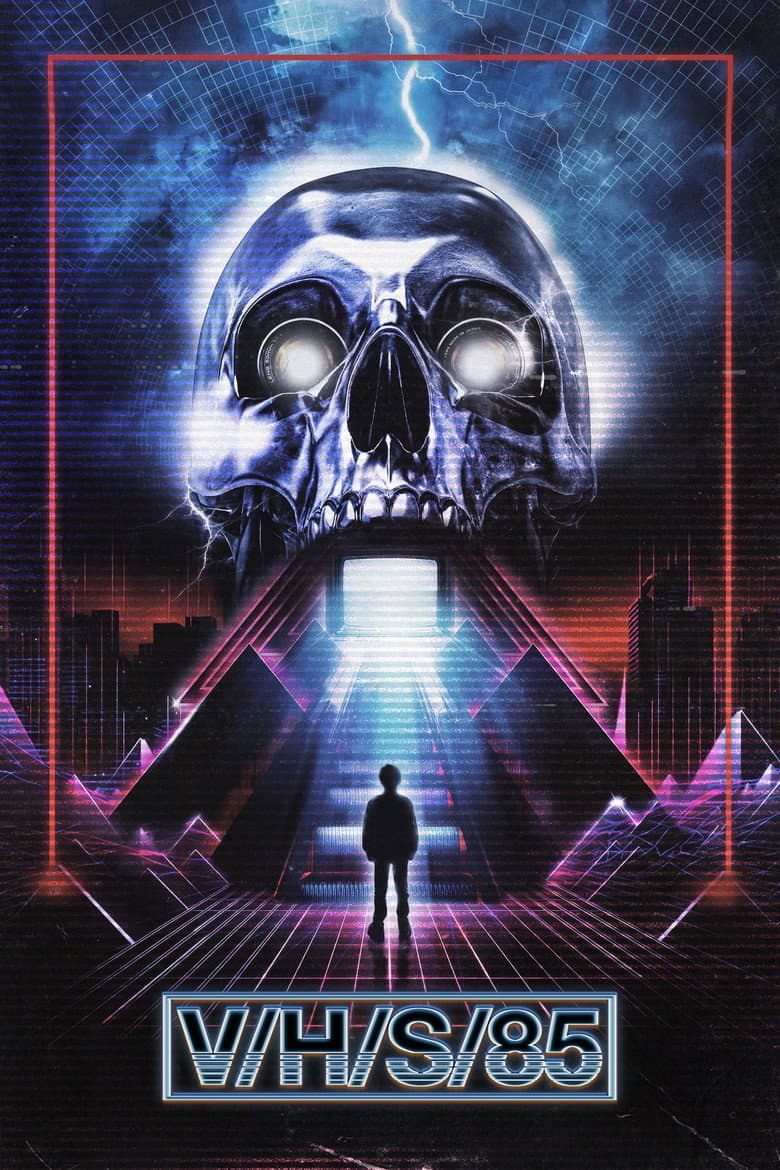
V/H/S/85 is a six-part horror collection set around old videotapes from 1985. No single hero leads the movie, because each tape follows a different person or group. A university team studies a strange creature, young friends face a sniper at a lake, and a Mexican news crew fights through an earthquake. A performance artist meets a violent force through early virtual reality, while a police detective follows tapes that predict murders. The tone is grim, bloody, strange, and sometimes darkly funny.
The movie shows a black female artist warning that people have replaced God with technology, and it gives a Mexican cast a full story built around the Mexico City earthquake and Aztec ideas about the underworld. The movie also reveals that a male killer murdered women who had accused him of sexual assault and stalking. These ideas appear inside separate horror stories instead of forming one political message. Most of the film follows monsters, death, family violence, and fear of dangerous science.
Community feedback
Was our 24% Woke rating accurate?
Breakdown
These are the editorial factors and ratings behind our score for V/H/S/85.
Woke representation / casting
Not present. The film includes a black female performance artist in the technology segment and a Mexican news team in the earthquake segment. Their roles fit the story settings, and the film does not frame them as a diversity message or build a planned mix of identities.
0%
Woke political dialogue
The performance artist Ada says that people killed God and replaced him with a God of Technology. She warns that society is rushing into machines and virtual reality without knowing the cost. This direct speech fills one short segment, and the other stories do not repeat it.
26%
Identity-driven story themes
Not present. The stories focus on monsters, supernatural events, murder, a disaster, and dangerous technology. The film does not build its main plot around race, sexuality, gender identity, or a modern identity campaign.
0%
Western institutional / cultural critique
The killer in Dreamkill is linked to women who accused him of sexual assault and stalking. The story shows that he lost his job and ends with his son killing him. This gives one short a clear male abuse and punishment thread, but the film does not turn it into a wider attack on public institutions or family life.
18%
Woke character or canon changes
Not relevant. The film uses original anthology characters and has no race, gender, sexuality, or leadership swap from an established story. Dreamkill connects to The Black Phone, but it does not rewrite an established character's identity.
0%
Anti-woke backlash and complaints
Not present. The X research pass found no anti-woke reaction, boycott talk, review bombing, or identity complaint. Wider reviews and Reddit discussions focus on gore, pacing, segment quality, and the anthology format.
0%
Creator track record context
Gigi Saul Guerrero's work often centers Mexican culture, language, and authentic Latino voices. Natasha Kermani's work often discusses gender, representation, social harm, and unequal power. Zoe Cooper has a queer and political writing profile, while the other listed creators mainly have genre-focused backgrounds. This gives the movie a moderate background signal, but the film itself is mostly horror rather than identity politics.
31%
Production
Movie · 2022
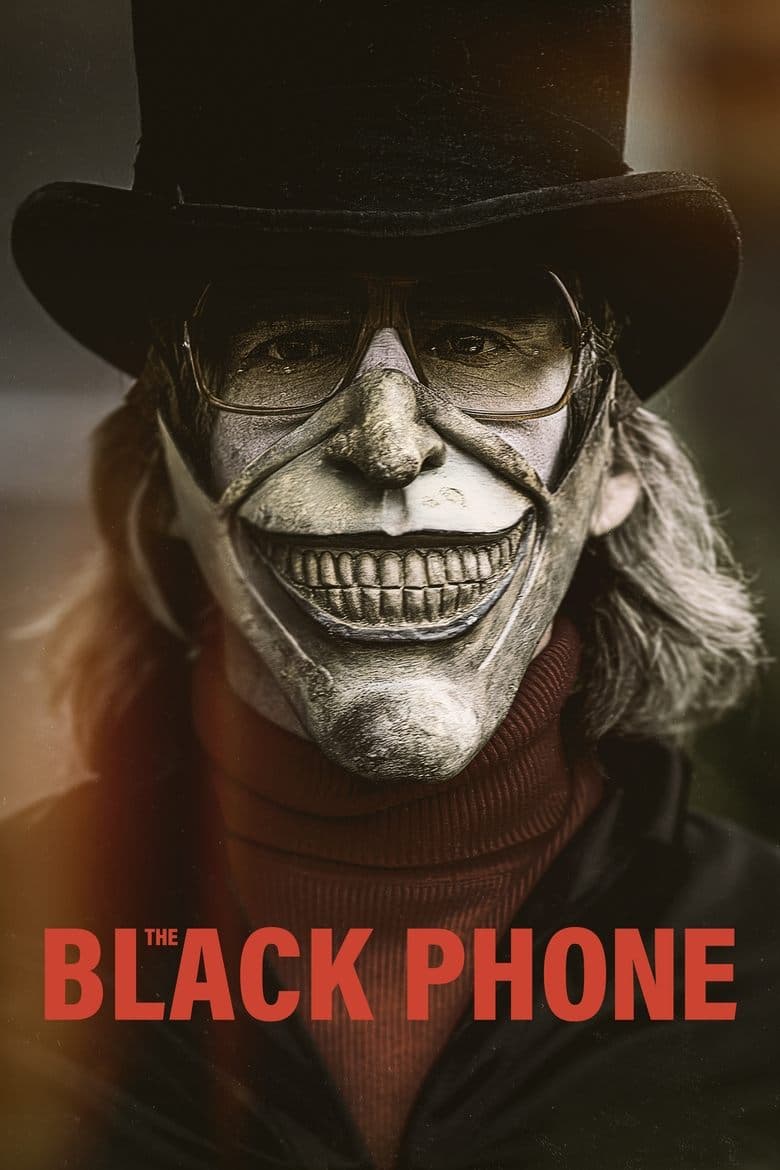
Finney Blake, a shy but clever 13-year-old boy, is abducted by a sadistic killer and trapped in a soundproof basement where screaming is of little use.
Movie · 2024
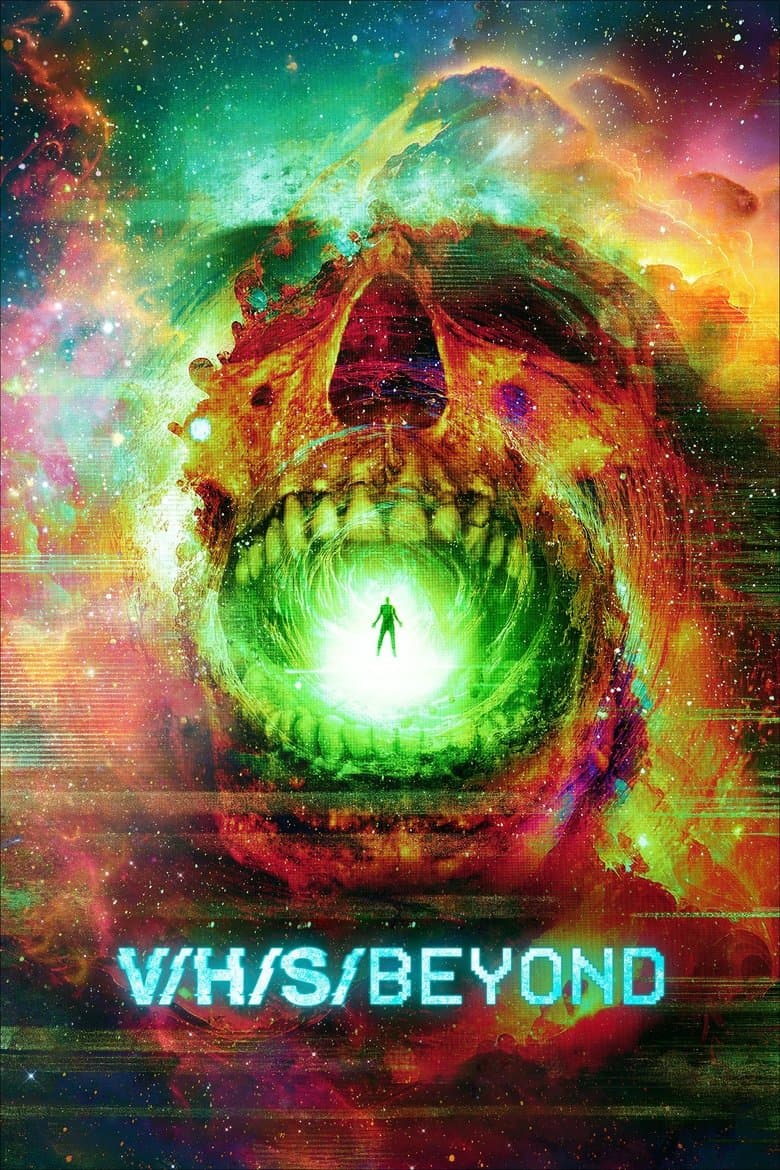
The infinite playground of forbidden worlds and dangerous lifeforms offered by the sci-fi horror genre will lead to the biggest, maddest, bloodiest V/H/S ever.
Movie · 2016
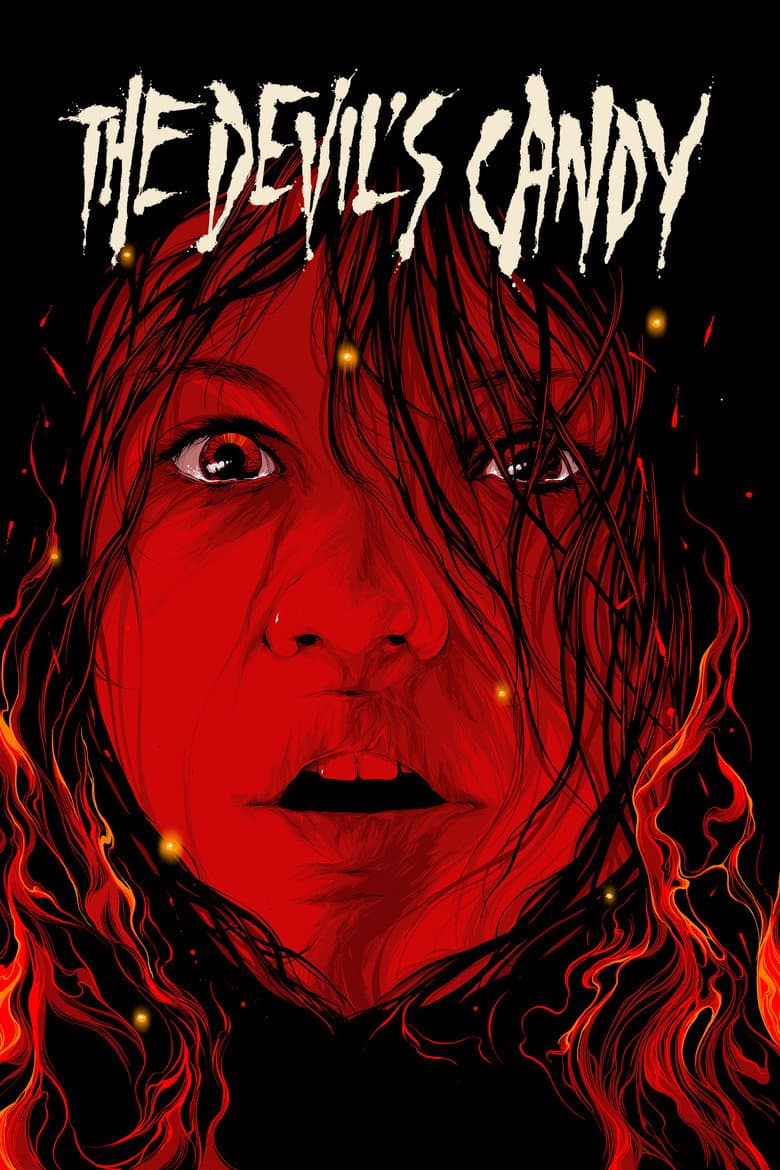
A struggling painter is possessed by satanic forces after he and his young family move into their dream home in rural Texas.
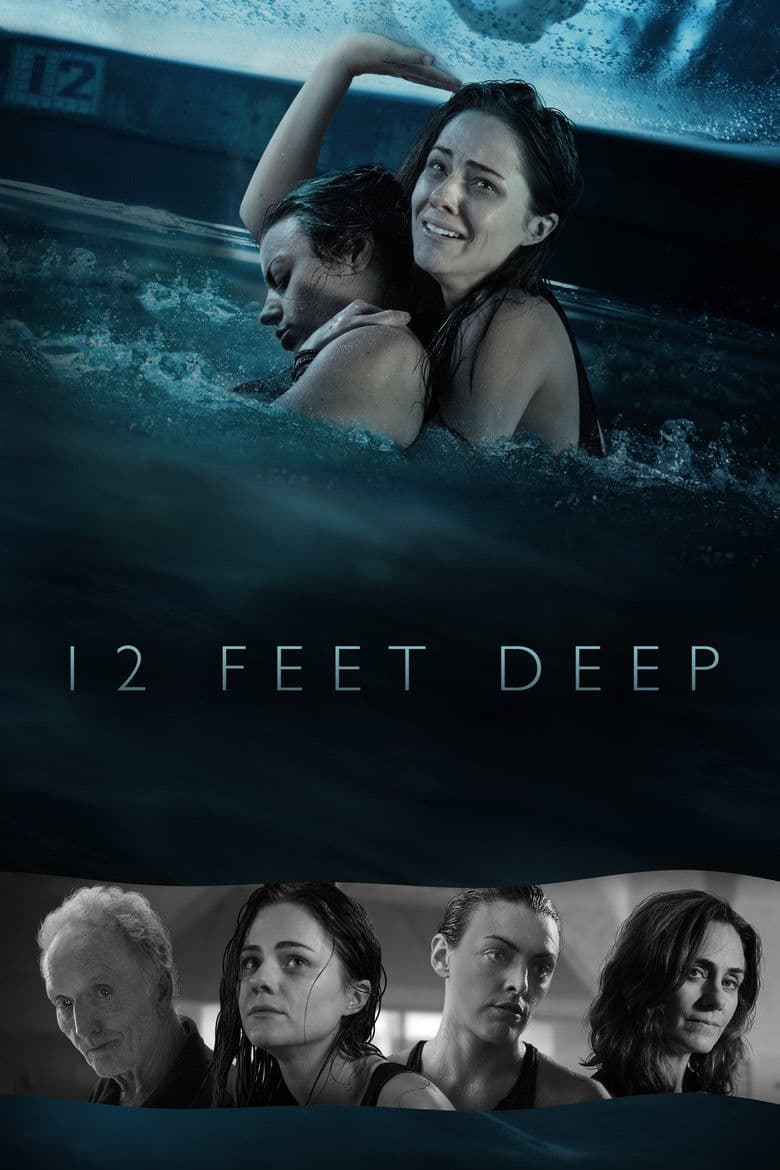
Movie · 2018
Two sisters are trapped under the fiberglass cover of an Olympic sized public pool and must brave the cold and each other to survive the harrowing night.
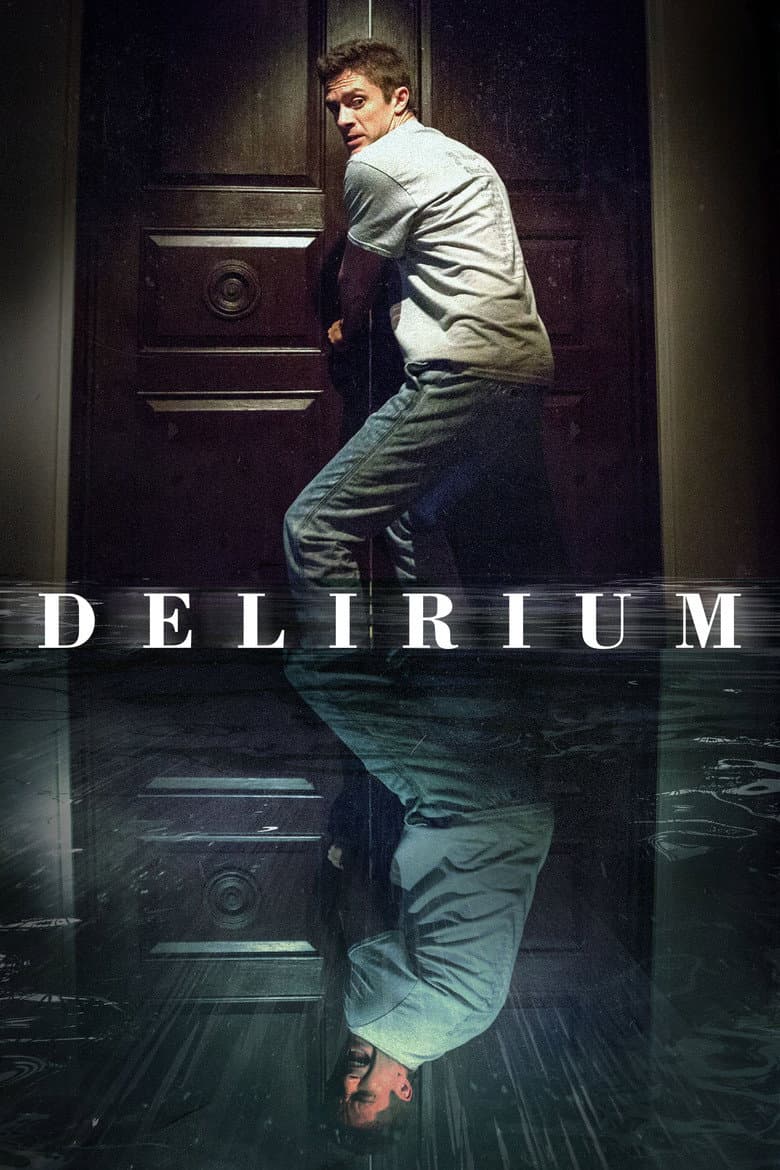
Movie · 2018
A man recently released from a mental institute inherits a mansion after his parents die. After a series of disturbing events, he comes to believe it is haunted.
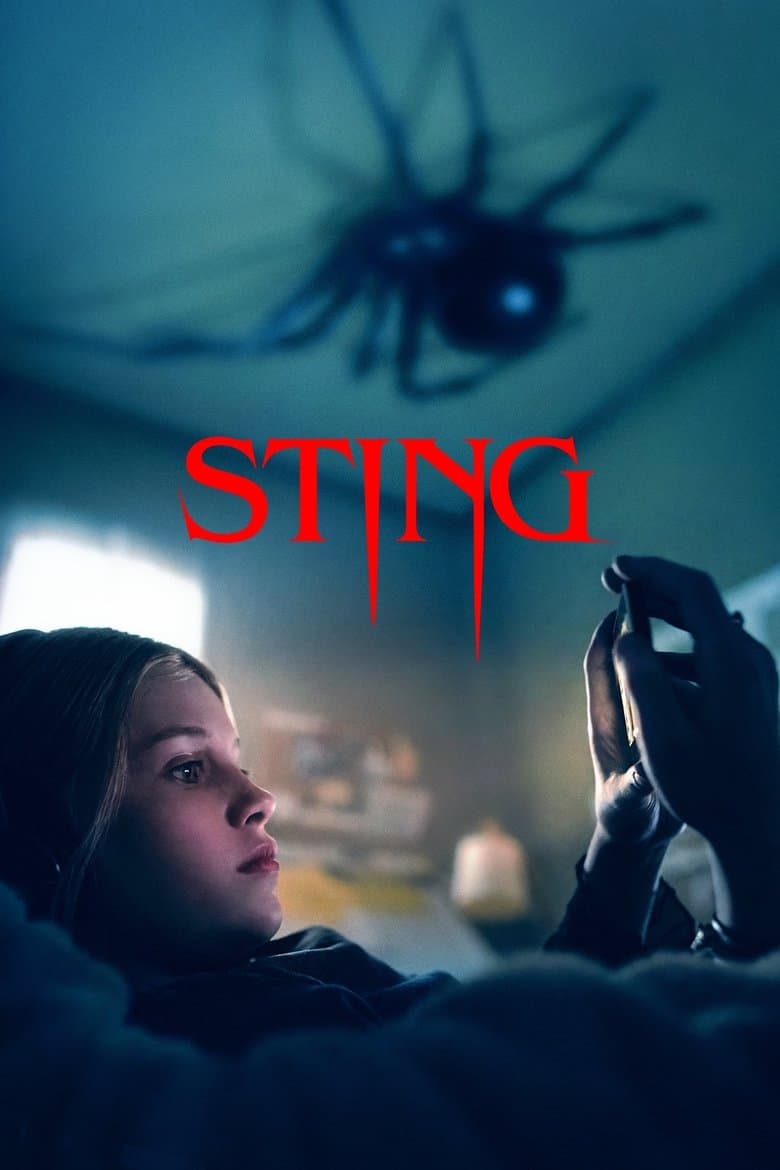
Movie · 2024
After raising an unnervingly talented spider in secret, 12-year-old Charlotte must face the truth about her pet and fight for her family's survival.
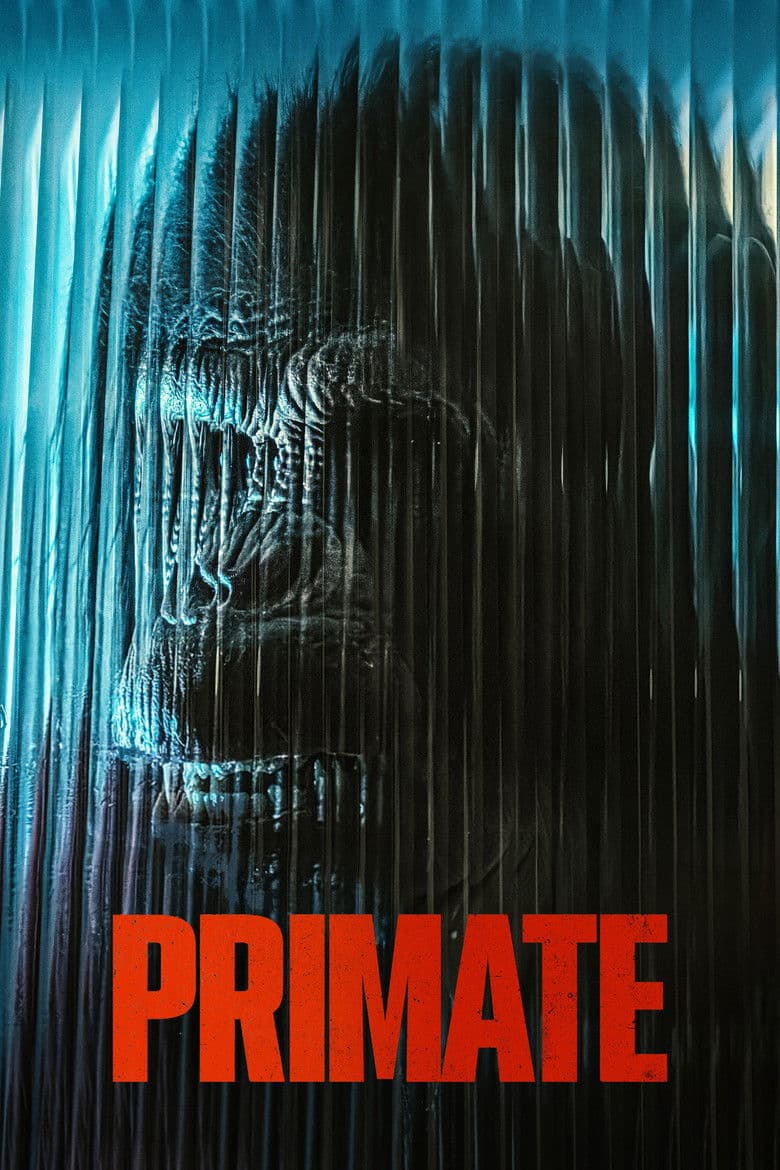
Movie · 2026
College student Lucy and her friends spend their vacation at her family's home in Hawaii, which includes her pet chimpanzee, Ben.
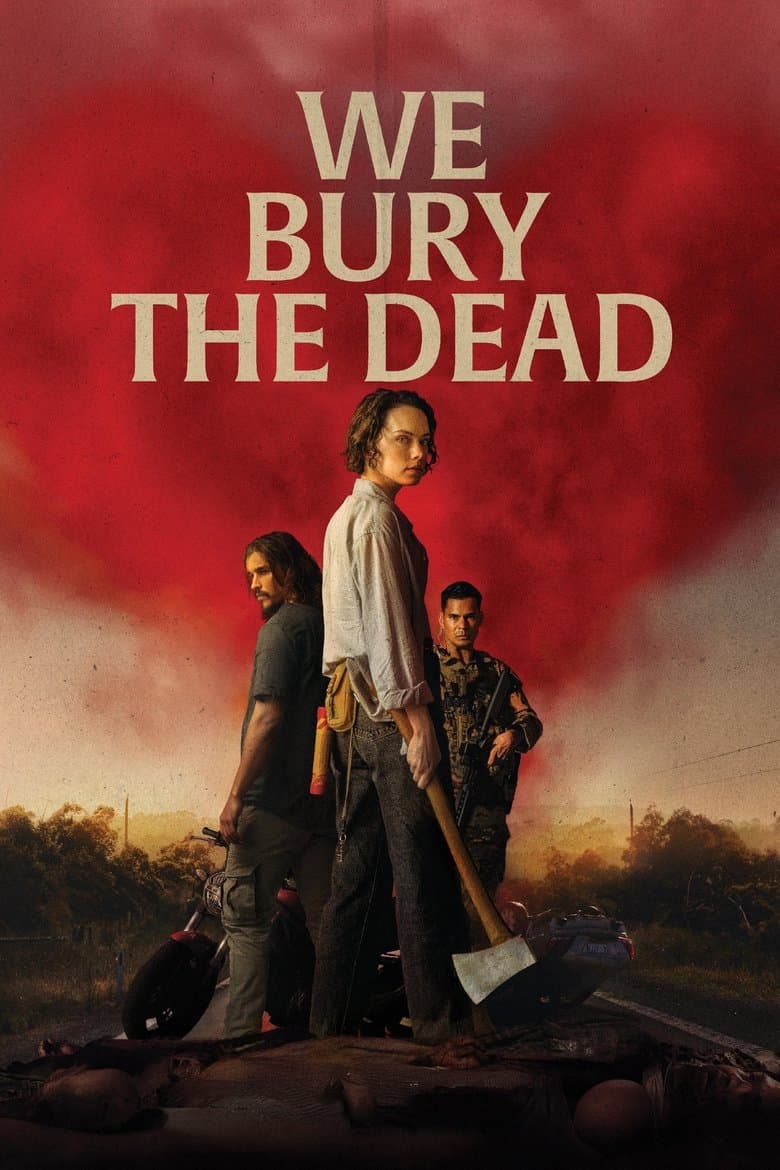
Movie · 2026
After a catastrophic military disaster reanimates the dead, Ava searches for her missing husband amidst an increasingly hostile world.
