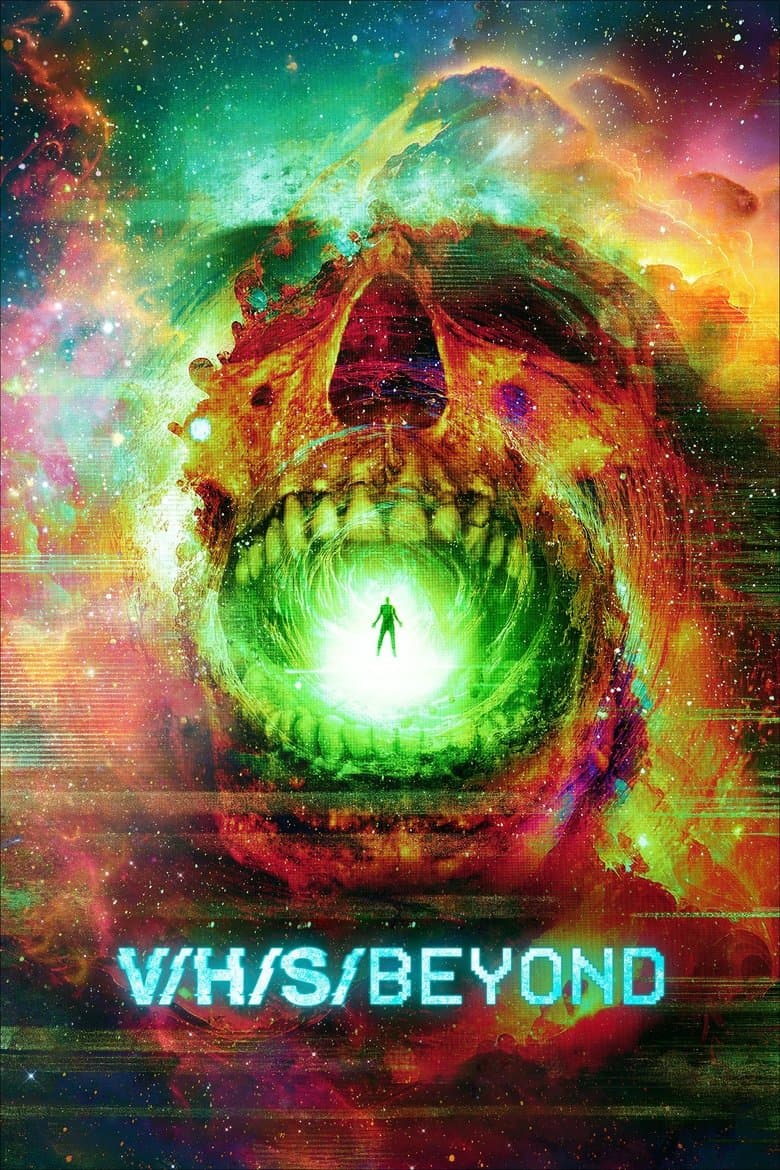
V/H/S/Beyond is a found-footage anthology with five horror stories and a documentary-style frame story. Each short follows a different main character or group as they face missing babies, a strange Bollywood star, an alien attack during a skydive, a deadly dog daycare, or a UFO in the Mojave Desert. The characters fight monsters, aliens, mutations, and the results of their own bad choices. The tone is bloody, frantic, strange, and often darkly funny.
Several major segments place women in visible roles, including a police officer, a Bollywood star, a dog-care owner, and the lead UFO investigator. Dream Girl uses Indian actors, a Mumbai film set, and a Bollywood song as part of its horror story. Fur Babies follows animal-rights activists, but the story uses their investigation for grotesque comedy instead of a political lesson. These choices are easy to notice, yet the movie stays focused on aliens, monsters, gore, and found-footage scares.
Community feedback
Was our 11% Woke rating accurate?
Breakdown
These are the editorial factors and ratings behind our score for V/H/S/Beyond.
Woke representation / casting
Several major segments place women in visible roles, including a paranormal police officer, a Bollywood star, a dog-care owner, and the UFO investigator Halley. The modern settings make these roles believable, and the Indian cast matches the Mumbai story. The repeated female focus gives a mild representation signal, but the film does not present it as a diversity campaign.
12%
Woke political dialogue
Not present. The movie has no sustained scenes about political parties, DEI, identity politics, or current activist causes. Fur Babies uses animal-rights activists as a horror setup, not as a political debate.
0%
Identity-driven story themes
Not present. The stories use women, Indian characters, and animal-rights activists, but they do not build a modern identity-politics message around those traits. The main themes are alien fear, body horror, curiosity, privacy, and survival.
0%
Western institutional / cultural critique
Not present. The movie does not attack capitalism, patriarchy, Christianity, family life, or other Western institutions. Bad managers, paparazzi, and activists appear as targets in short horror plots, not as part of a repeated cultural critique.
0%
Woke character or canon changes
Not relevant. The movie uses new anthology characters and does not make identity-driven changes to known characters, real people, or established story worlds.
0%
Anti-woke backlash and complaints
Not present. The supplied X check found no anti-woke reaction or organized complaint. Web and audience coverage focused on gore, shaky camera work, favorite segments, and story quality.
0%
Creator track record context
Mike Flanagan’s wider work often includes LGBTQ+ characters and criticism of corporate greed. Samuel Zimmerman has produced horror programs about Black and LGBTQ+ history, and Nicholas Lazo co-produced a project about girls’ education. Kate Siegel and Justin Long have milder liberal or representation-related records, while most other listed creators have little activist history. This gives a modest supporting signal, not a strong title-level message.
25%
Production
Movie · 2016
A woman struggles to survive on her own in the wake of a mysterious epidemic, which has decimated society and forced her deep into the unforgiving wild.
Movie · 2017
Two brothers return to the cult they fled from years ago to discover that the group's beliefs may be more sane than they once thought.
Movie · 2016
Set in a near future, technology-reliant society that pits man against killing machines. Against this backdrop an elite army unit is helicoptered to a remote, off-the-grid island…
Movie · 2026
After a catastrophic military disaster reanimates the dead, Ava searches for her missing husband amidst an increasingly hostile world.
Movie · 2018
Held captive in a futuristic smart house, a woman hopes to escape by befriending the A.I. program that controls the house.
Movie · 2024
With his wife out sick, a struggling father brings home a lifelike AI, only to have his self-aware new help want everything her new family has to offer...
Movie · 2024
Curtis Pike and his family are selected to test a new home device: a digital assistant called AIA. AIA observes the family's behaviors and begins to anticipate their needs.
Movie · 2016
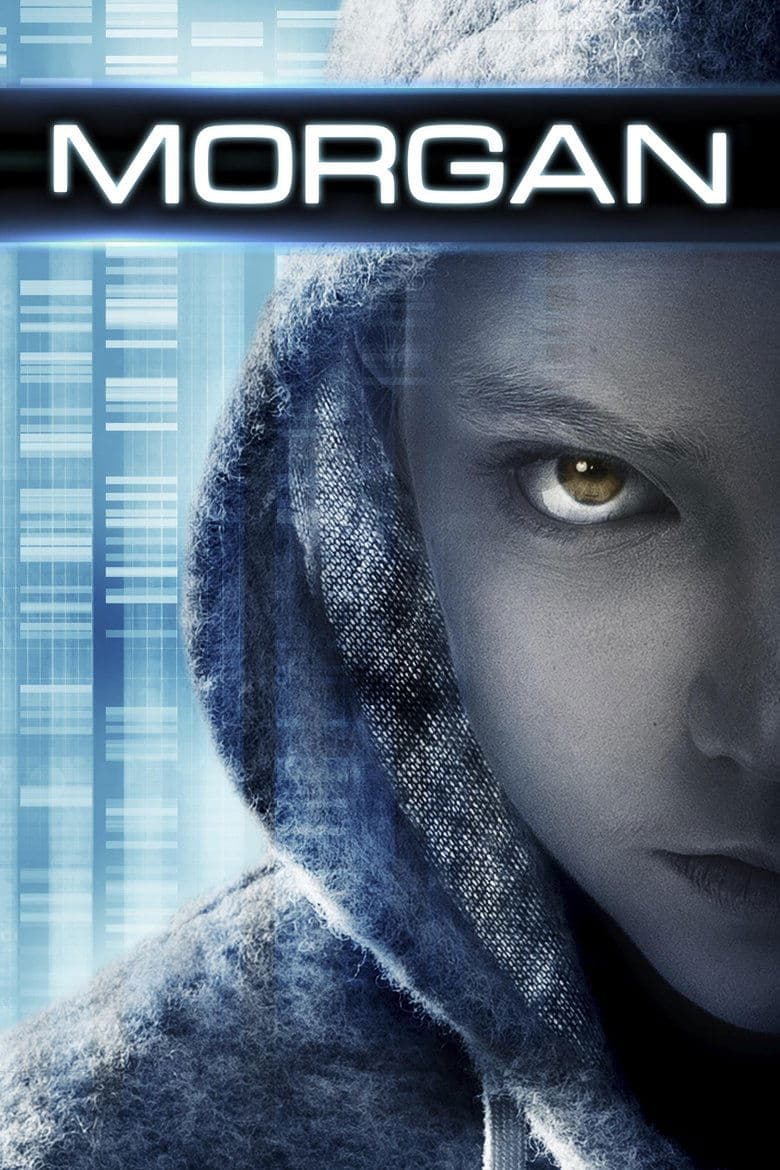
A corporate risk-management consultant must determine whether or not to terminate an artificial being's life that was made in a laboratory environment.
