
Maya and Jamie are a young London couple who learn that they are going to have a baby. A violent home invasion leaves them shaken, so they move to Jamie’s late aunt’s house in a quiet part of rural Ireland. A local builder family soon threatens them, while strange redcap goblins wait beyond a gate at the end of the garden. The film mixes bloody home invasion horror, old folklore, family danger, and dark comedy.
The film gives its strongest focus to Jamie’s fear that he is not man enough to protect his family. The local father treats manhood as control and violence, while Jamie’s attempts to become tougher keep failing. Maya becomes the active protector during the attack and later takes power inside the female-led Redcap world. The story treats rigid male roles as harmful and presents Maya’s violent change as a form of power, while pregnancy and motherhood drive much of the horror.
Community feedback
Was our 36% Woke rating accurate?
Breakdown
These are the editorial factors and ratings behind our score for Unwelcome.
Woke representation / casting
Not present. The film shows a black woman and a White man as its lead couple. Their race does not drive the conflict, and the film does not present the pairing as a message about representation.
0%
Woke political dialogue
Not present. The dialogue deals with pregnancy, trauma, folklore, religion, and threats. It does not contain modern activist speeches about race, gender politics, or social systems.
0%
Identity-driven story themes
Jamie sees his failure during the home invasion as proof that he is not a real man. The Whelan family ties manhood to control, threats, and violence. Maya becomes the active protector of her baby and ends as the leader of the Redcaps. These linked arcs make gender roles and female power a major part of the final story.
45%
Western institutional / cultural critique
The film repeatedly shows Daddy Whelan’s male power as bullying and violence. The local priest judges Maya for a past abortion, while the supernatural world follows a female leader. The story treats strict ideas about manhood and old male authority as harmful, but the wider conflict remains about family violence, trauma, and goblins.
32%
Woke character or canon changes
Not relevant. The film is based on an original screenplay rather than an established movie or book character. Its redcaps are a new horror version of old folklore, and the change serves the creature story.
0%
Anti-woke backlash and complaints
Not present. No major public complaint calls the film woke, DEI-driven, or identity-political. Public discussion mainly covers the goblins, violence, pacing, and strange ending.
0%
Creator track record context
Jon Wright and Mark Stay have low stored scores and genre-focused careers. Kelly Valentine Hendry has a stored score of 61 because of diversity advocacy in casting. Alison Thompson has a stored score of 46 because of work for gender parity and inclusion. These signals add background, but they do not make the film a representation-first project.
24%
Production
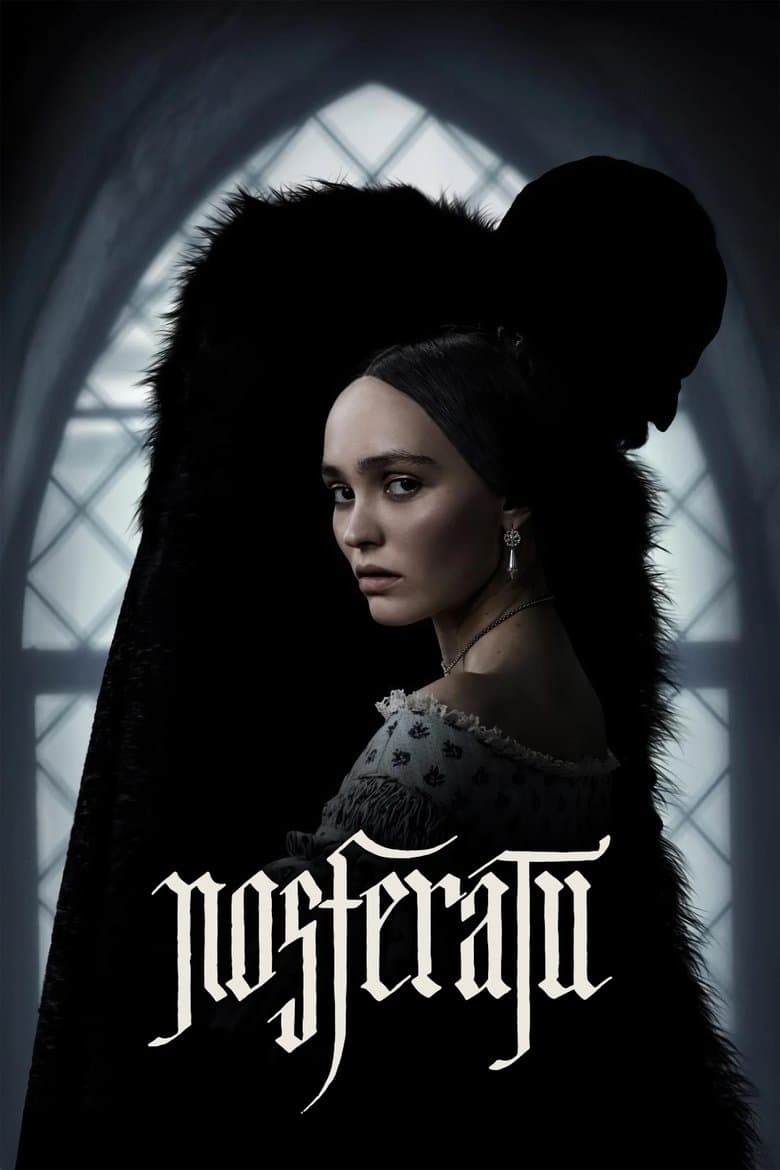
Movie · 2024
A gothic tale of obsession between a haunted young woman and the terrifying vampire infatuated with her, causing untold horror in its wake.
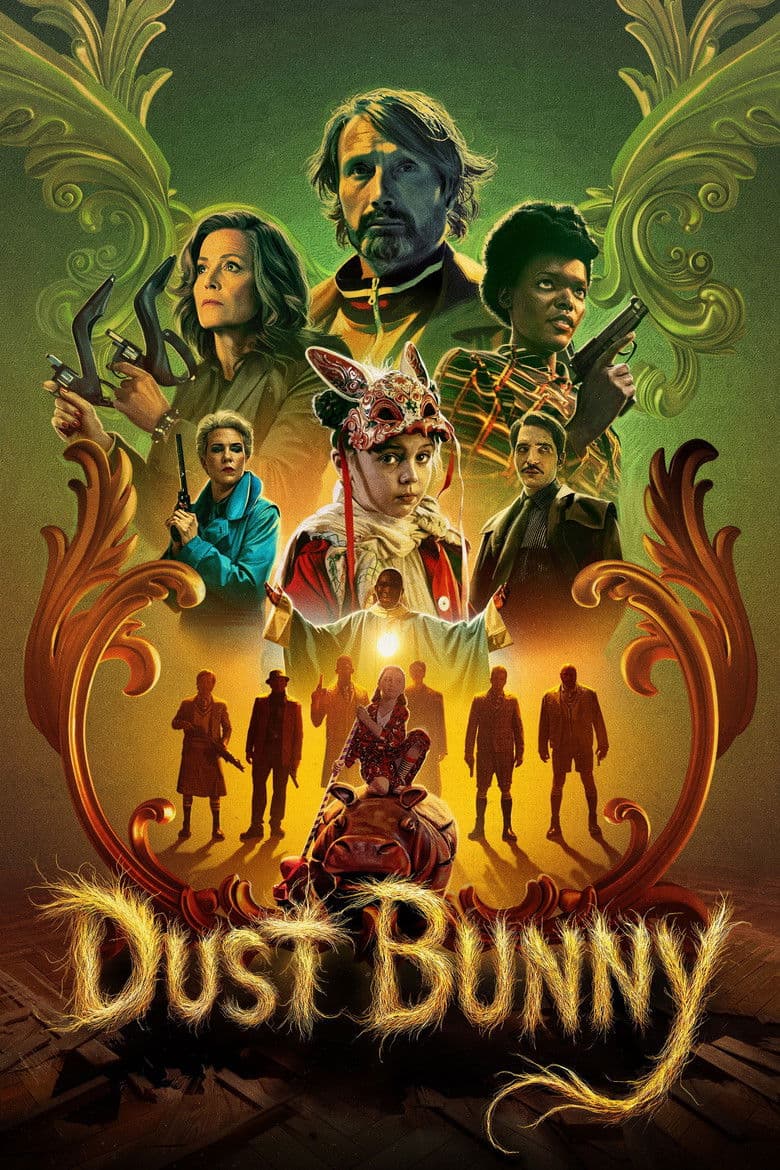
Movie · 2025
Ten-year-old Aurora asks her hitman neighbor to kill the monster under her bed that she claims ate her family.
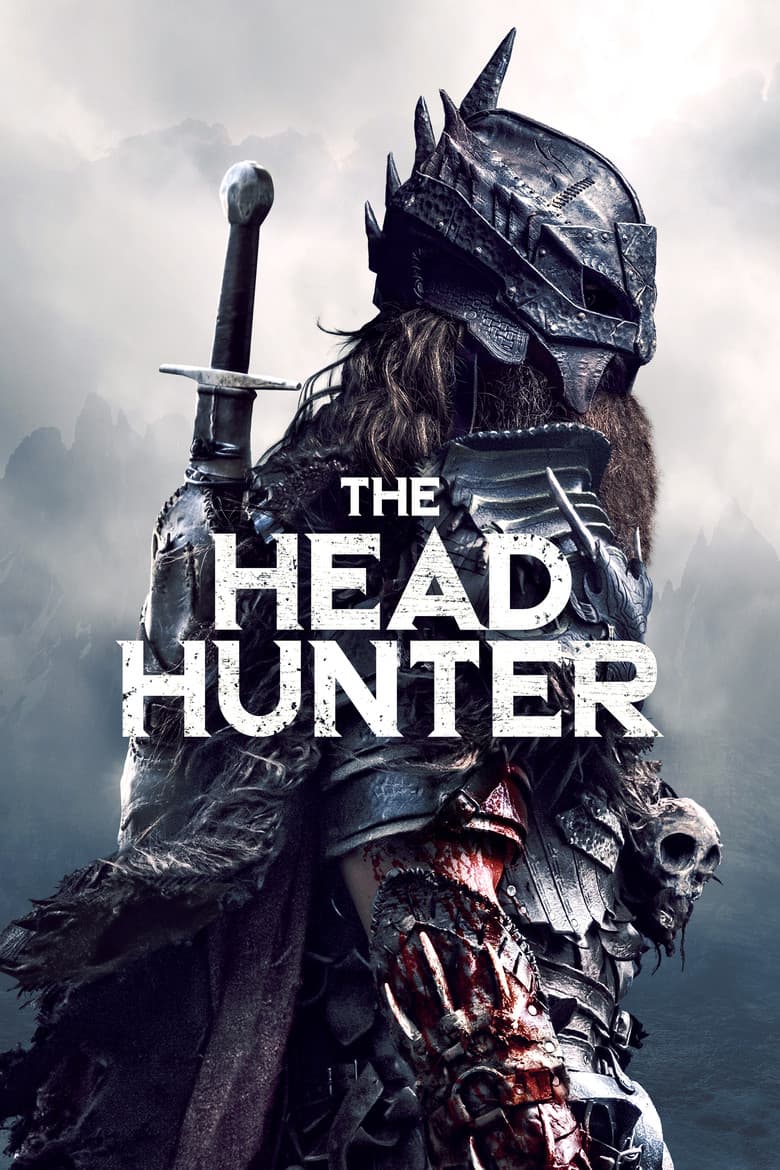
Movie · 2019
On the outskirts of a kingdom, a quiet but fierce medieval warrior protects the realm from monsters and the occult.
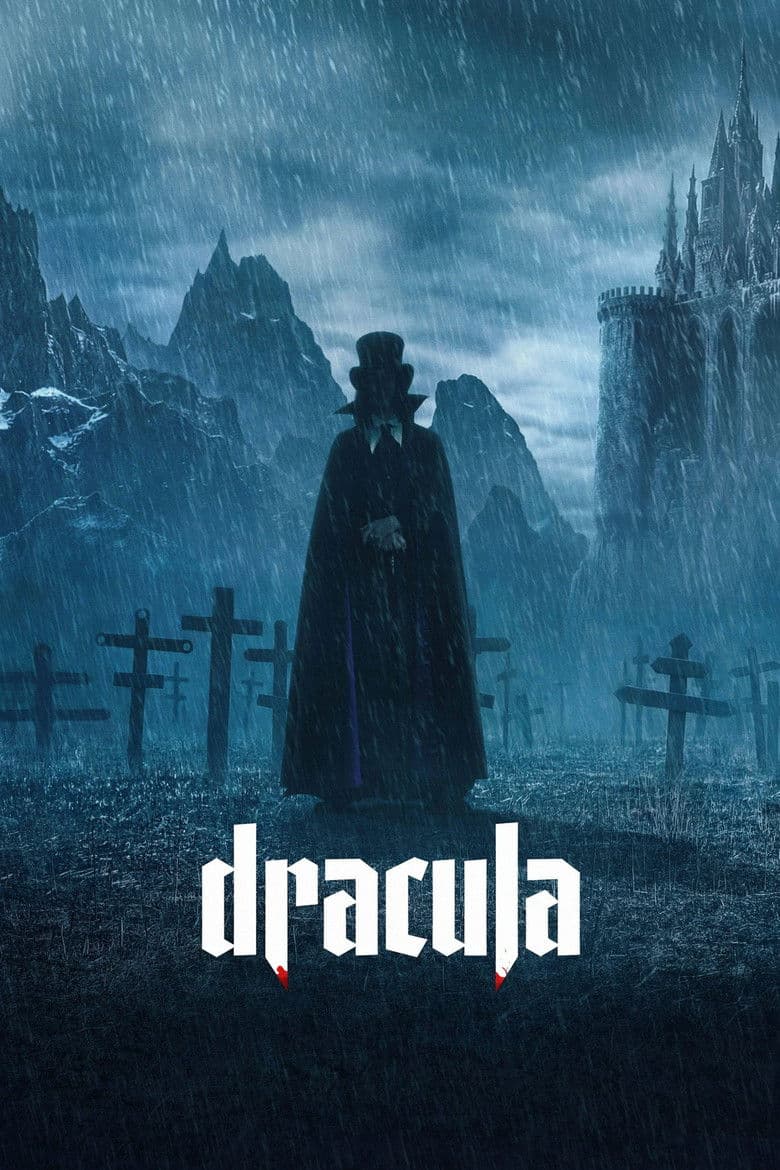
Movie · 2025
In late 15th-century Eastern Europe, Prince Vlad II’s bride is brutally murdered. As a result, he renounces God and damns Heaven itself.
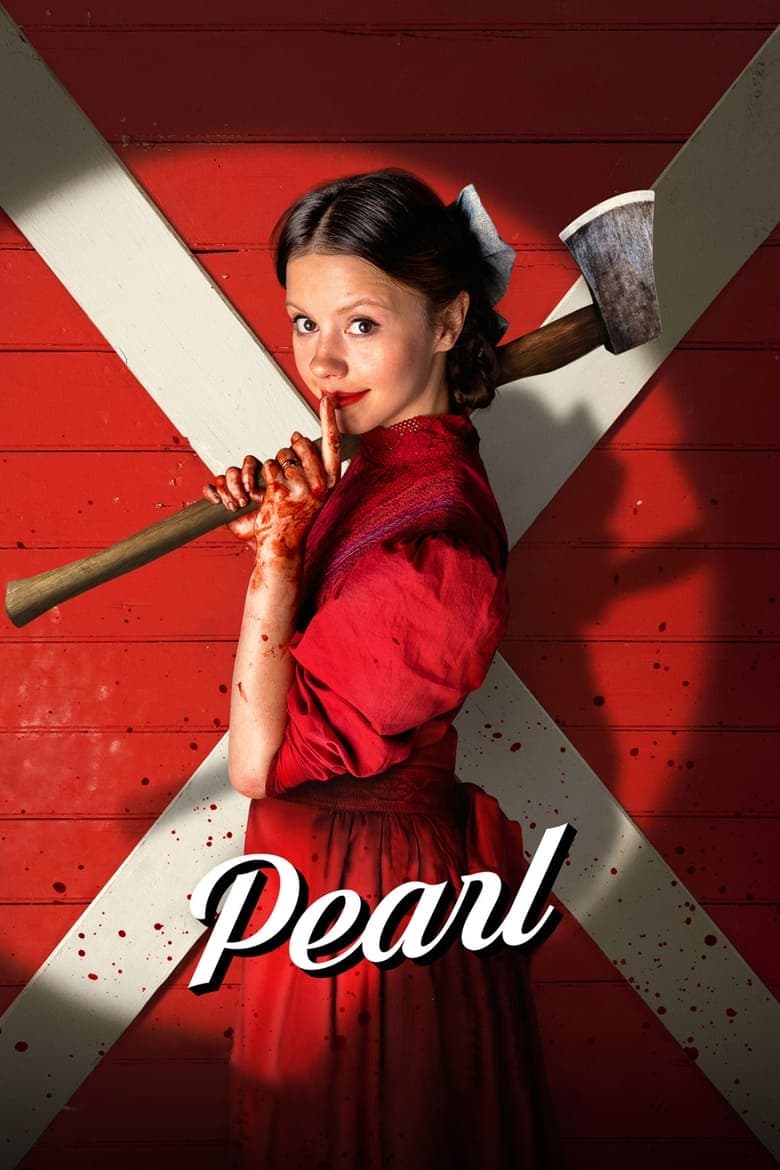
Movie · 2022
Trapped on her family’s isolated farm, Pearl must tend to her ailing father under the bitter and overbearing watch of her devout mother.
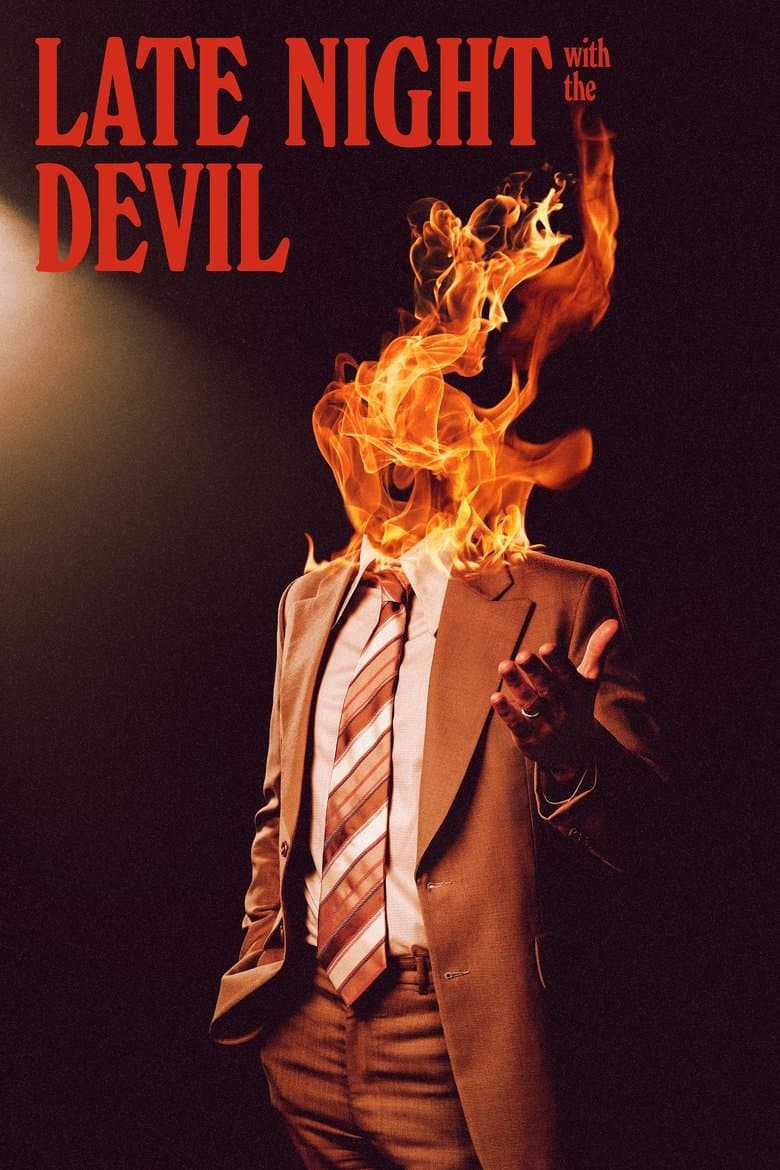
Movie · 2024
A live broadcast of a late-night talk show in 1977 goes horribly wrong, unleashing evil into the nation's living rooms.
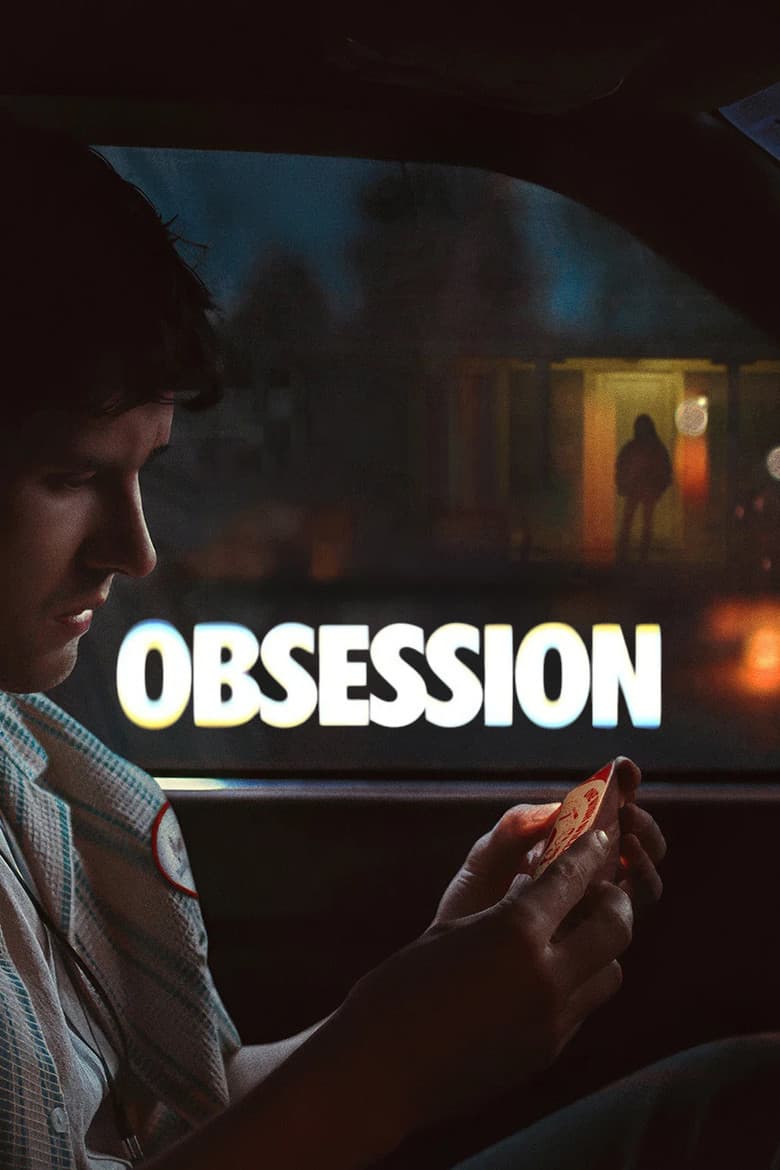
Movie · 2026
After breaking the mysterious "One Wish Willow" to win his crush's heart, a hopeless romantic finds himself getting exactly what he asked for but soon discovers that some desires…
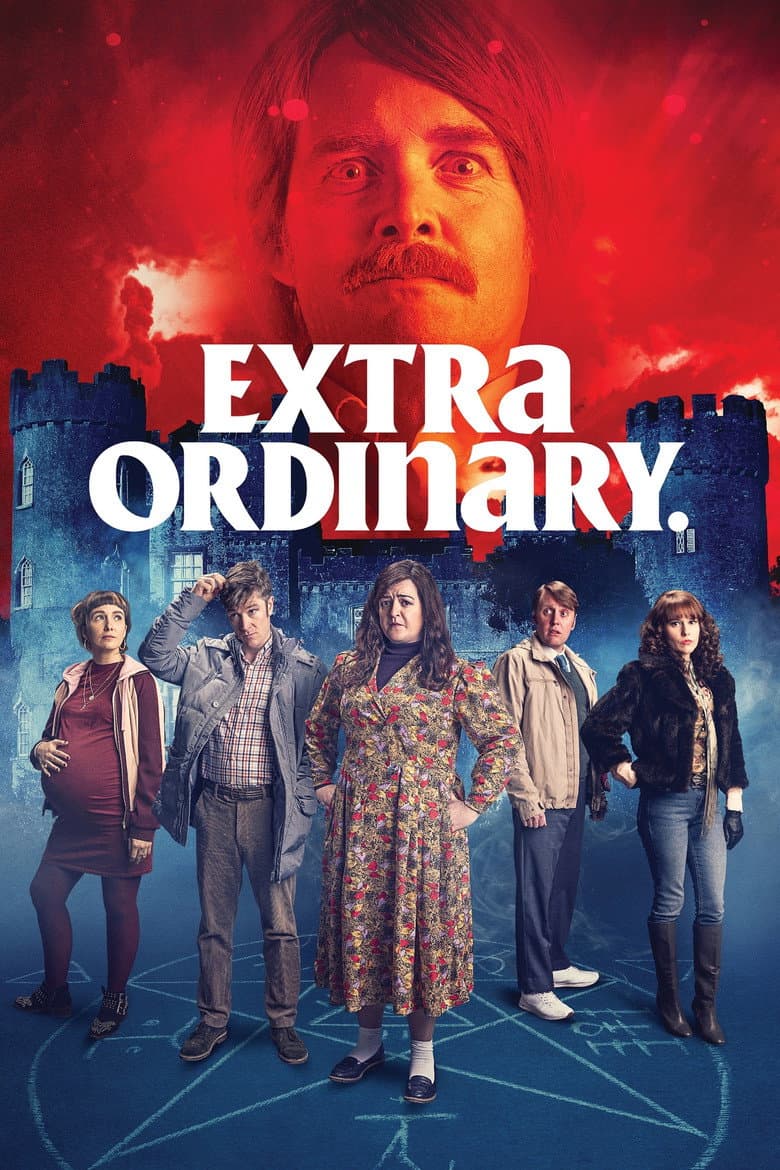
Movie · 2019
A driving instructor must use her other-worldly gifts to save a lonely man’s daughter from a rock star looking to use her for Satanic purposes.
