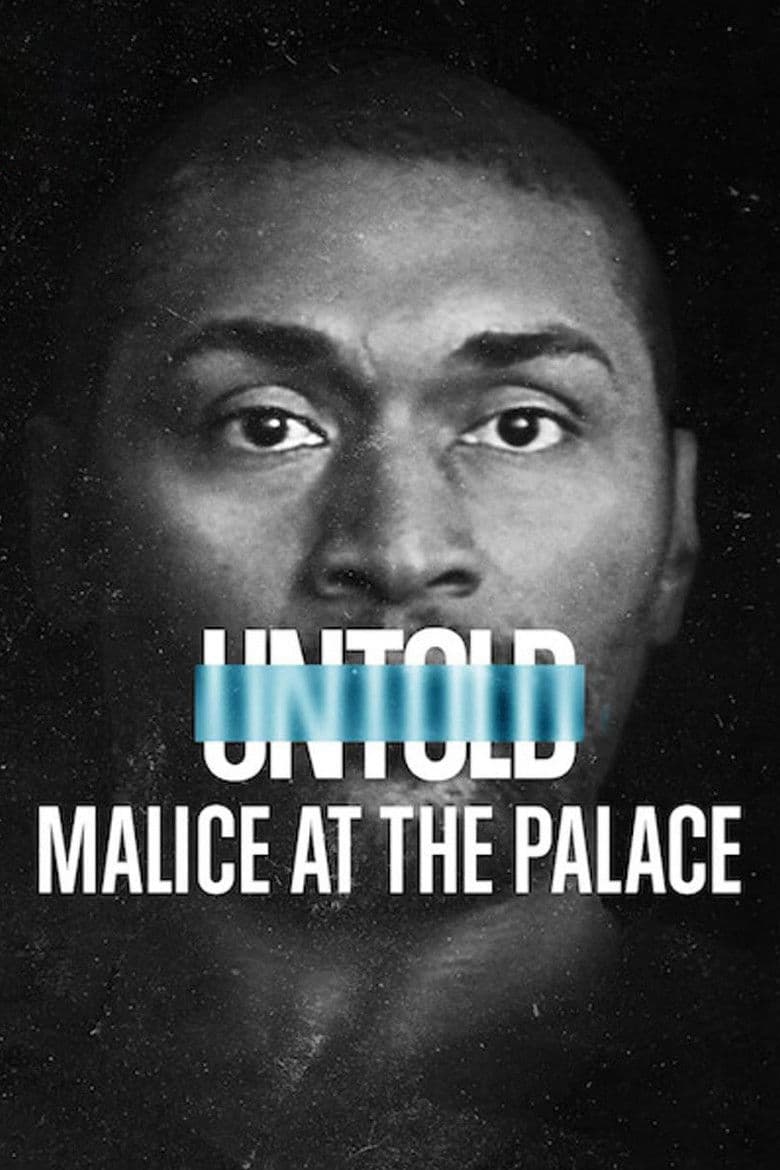
Untold: Malice at the Palace follows Jermaine O’Neal, Ron Artest, and Stephen Jackson as they revisit the 2004 fight between Indiana Pacers players and Detroit Pistons fans. The game takes place at the Palace of Auburn Hills in Michigan, where a hard foul and a thrown drink turn into a huge brawl. Reggie Miller, Ben Wallace, fans, police, team staff, and reporters help fill in what happened before and after the fight. The tone is tense, angry, and sad as the players explain how the night changed their careers and public images.
The film gives strong attention to the way Black players were called “thugs” and linked to rap music, tattoos, and a supposed lack of respect for normal society. It connects that coverage to the NBA dress code and to a wider claim that the league wanted to control how its mostly Black players looked and acted. The players say the media treated the event as a cultural attack, while the film also shows their own violence and does not fully excuse it. These race and culture themes are important in the second half, but the main subject remains the fight and its fallout.
Community feedback
Was our 49% Woke rating accurate?
Breakdown
These are the editorial factors and ratings behind our score for Untold: Malice at the Palace.
Woke representation / casting
Not present. The film uses real players, fans, officials, and reporters from the 2004 incident. Their identities match the real event, and the documentary does not add a diversity-focused cast.
0%
Woke political dialogue
The film repeatedly includes lines about the “thug” label, rap music, tattoos, and the NBA dress code. Players and news clips connect those ideas to how Black athletes were judged by the media and the league. The film uses this debate to challenge the old public story, but the discussion fills only part of the documentary.
42%
Identity-driven story themes
The film makes the racial treatment of Black NBA players a major part of the story. It shows how the players were called “thugs” and how that label affected their reputations, careers, and view of the league. It also questions whether the NBA and the media judged Black players by different standards than other athletes. The brawl and its personal fallout remain the main focus.
47%
Western institutional / cultural critique
The film criticizes the NBA, the news media, and David Stern for protecting the league’s image while placing most blame on the players. It links the dress code and the “thug” story to efforts to control how Black athletes looked and acted. It also shows fans and arena security as part of the failure. The criticism stays tied to this real sports event.
38%
Woke character or canon changes
Not relevant. The documentary uses real people and archival footage from a real 2004 event. It changes the point of view toward the Pacers players, but it does not change anyone’s race, gender, sexuality, or historical role.
0%
Anti-woke backlash and complaints
One IMDb user review says the film uses “systemic racism” to shift blame from the players and calls it a biased whitewash. That complaint directly attacks the documentary for pushing a race-based message. Other audience comments mainly debate balance, blame, and the lack of a Pistons viewpoint. The supplied X research found no anti-woke reaction.
15%
Creator track record context
Howard T. Owens has backed progressive projects about gender discrimination, climate change, Hillary Clinton, and Black college life. The Way brothers and Floyd Russ have mainly made sports, crime, and human-centered documentaries without a strong public DEI or activist brand. Jermaine O’Neal is mainly tied to basketball and community work, while the other producers have limited public political signals. This gives the title some progressive context, but it is not a strong creator-led activist case.
28%
Production

Movie · 2026
Police pull over a woman who claims she just gave birth. But the baby — and the blood — aren't hers. Twisted lies unravel in this true-crime documentary.
Movie · 2022
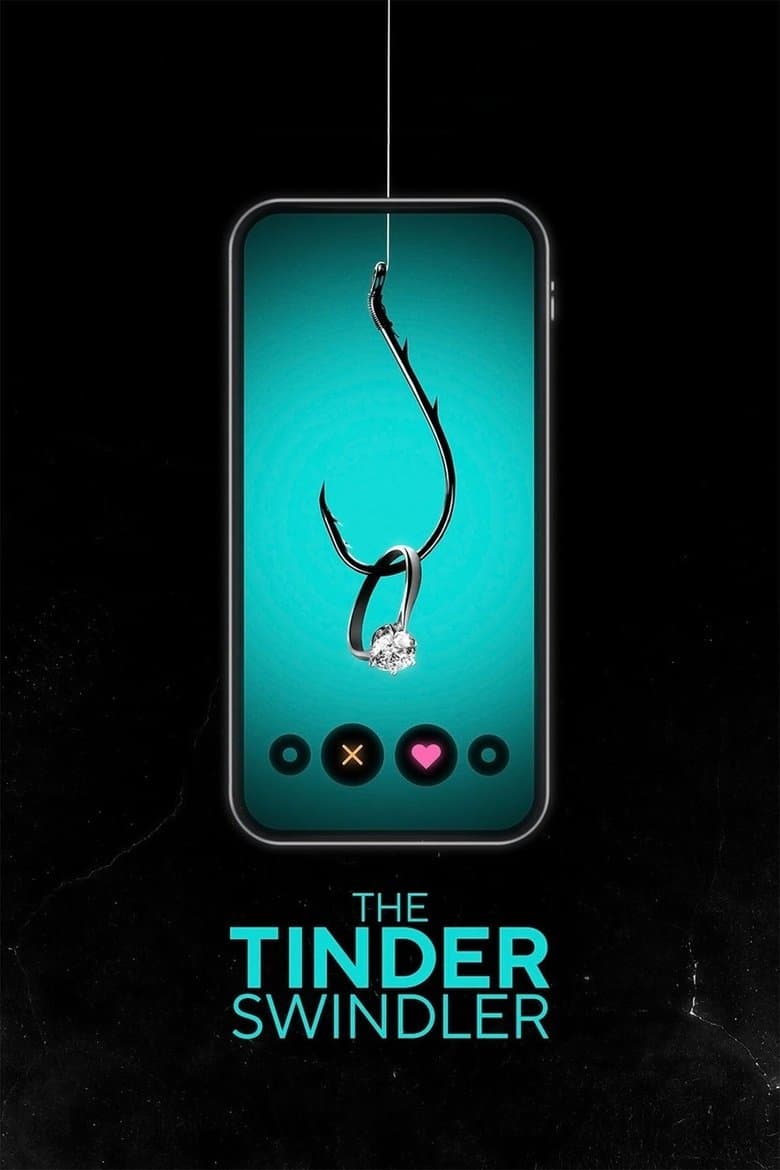
Posing as a wealthy, jet-setting diamond mogul, an Israeli conman wooed women online then conned them out of millions of dollars. Now, some victims plan for payback.

Movie · 2017
Legendary journalist Gay Talese unmasks a motel owner who spied on his guests for decades. But his bombshell story soon becomes a scandal of its own.
Movie · 2022
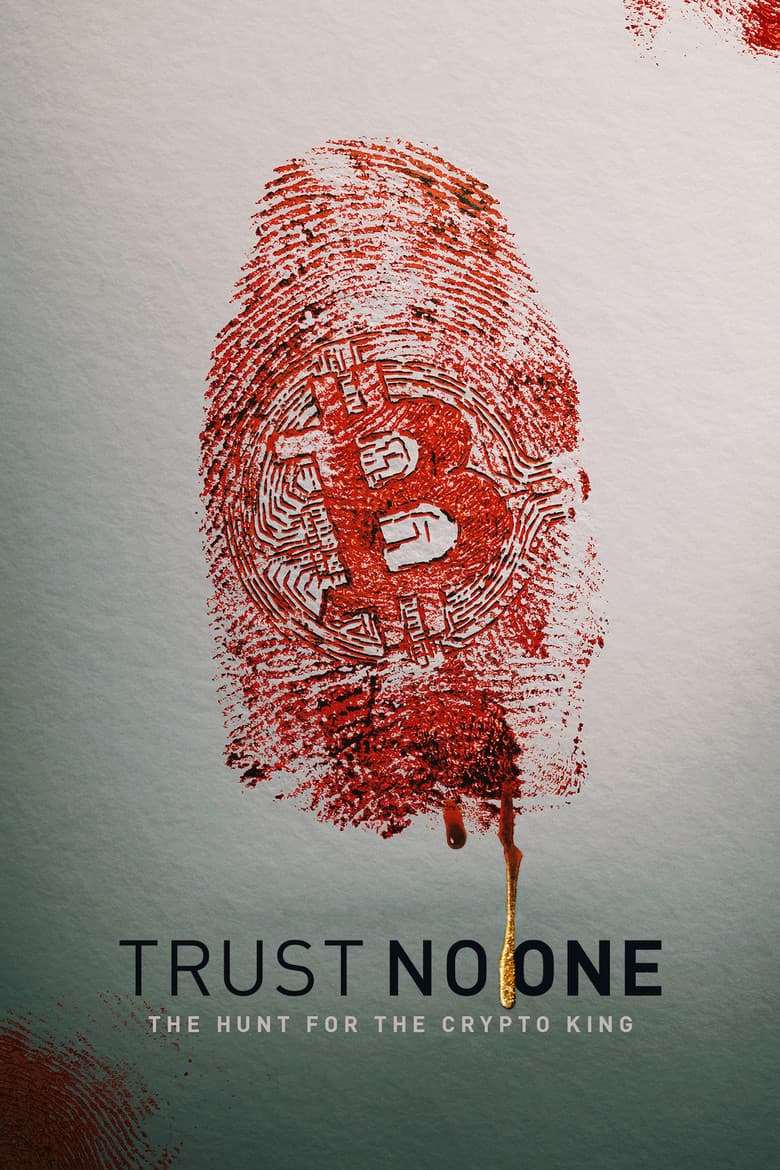
When the young founder of a collapsing cryptocurrency exchange dies unexpectedly, irate investors suspect there's more to his death than meets the eye.

Movie · 2022
A young mother’s mysterious death and her son’s subsequent kidnapping blow open a decades-long mystery about the woman’s true identity, and the murderous federal fugitive at the…

Movie · 2022
Follows the man who survived an assassination attempt by poisoning with a lethal nerve agent in August 2020. During his months-long recovery, he makes shocking discoveries about…

Movie · 2024
In this twisting documentary, a mechanic tries online dating for the first time and meets a woman who takes romantic obsession to a deadly extreme.

Movie · 2026
Elizabeth Smart's harrowing abduction at 14 from her family's Utah home unfolds through her own words and never-before-seen material in this documentary.
