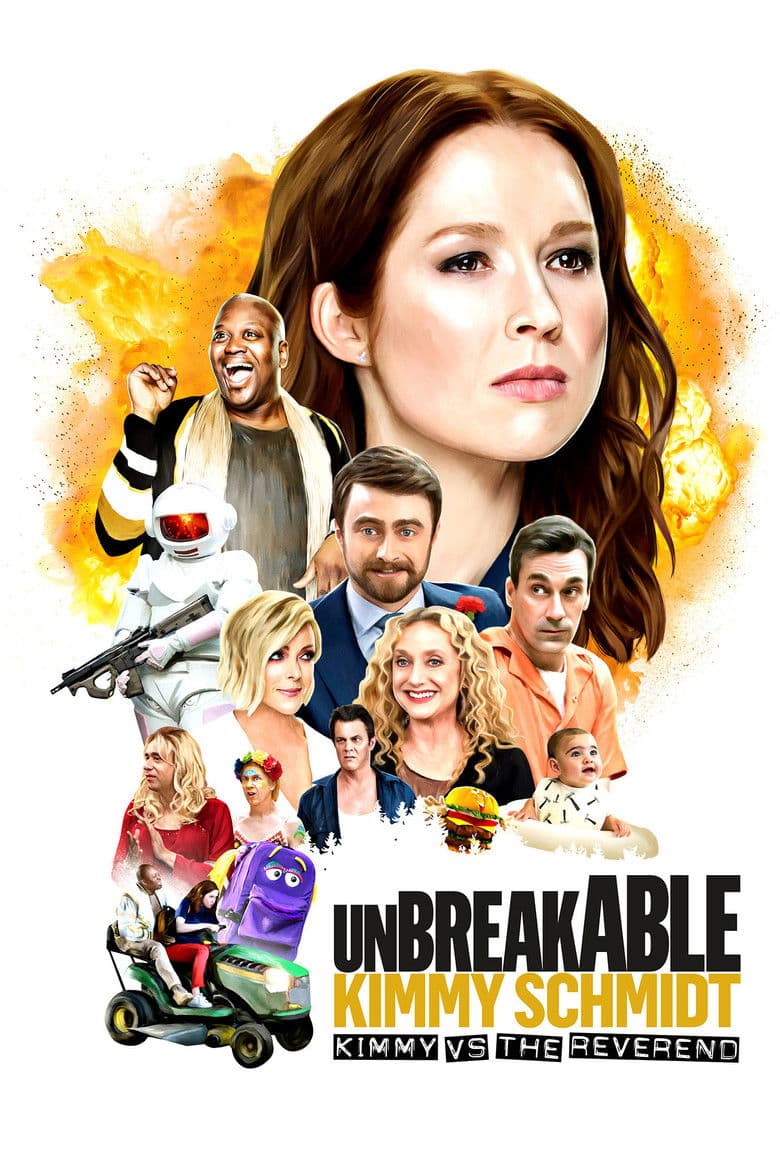
Kimmy Schmidt is a young woman who was held in a bunker for fifteen years by Reverend Richard Wayne Gary Wayne. She is now a successful author and is preparing to marry Prince Frederick in New York. Kimmy finds a book that suggests the Reverend hid more girls in a second bunker. She leaves her wedding plans and travels with Titus to rescue them while her friends handle the wedding. The tone stays bright, silly, and fast even when the story deals with abuse, fear, and revenge.
The special puts a woman’s recovery and personal choice at the center of its main story. Kimmy must decide whether to kill the Reverend, spare him, or keep searching for the trapped girls. A side path turns Jacqueline’s lie into jokes about women being believed, Time’s Up, #MeToo, and men feeling threatened. Titus is a prominent gay black character, and the ensemble includes several strong women, but the story treats these points as part of its comic world rather than as a long political speech. The strongest woke material comes from the story about a woman surviving abuse and from the short gender-politics subplot.
Community feedback
Was our 51% Woke rating accurate?
Breakdown
These are the editorial factors and ratings behind our score for Unbreakable Kimmy Schmidt: Kimmy vs. the Reverend.
Woke representation / casting
Titus is a prominent black gay character who travels with Kimmy and drives many jokes. Several women hold major roles in the rescue and wedding stories. The modern New York ensemble does not look like a made-for-representation lineup. These choices show visible identity representation without a diversity-first casting message.
22%
Woke political dialogue
The special mentions GLAAD, the NAACP, pronouns, racism, #MeToo, and Time’s Up in jokes. A side path turns Jacqueline’s lie into a claim that women must be believed and that men are living through a scary time. The Reverend calls a woman’s demand for justice sexism and mocks a conservative Indiana setting. These references recur across the adventure, but they stay comic and do not become a long speech.
42%
Identity-driven story themes
The main rescue story centers on girls who were kidnapped and controlled by a man. Kimmy chooses whether to kill the Reverend, but the main ending has her reject revenge and save the girls. The special presents Kimmy’s recovery and control over her own life as the way forward. The story keeps women as the key rescuers and decision makers while men are mainly a villain, a helper, or comic partners.
52%
Western institutional / cultural critique
The Reverend uses religion and marriage to claim power over Kimmy, and the story treats that power as abusive. A side path turns a workplace lie into jokes about #MeToo, Time’s Up, believing women, and men feeling threatened. The special also mocks a conservative Indiana setting through a Mike Pence reference and a marriage-law quote. These ideas are visible, but the comedy does not become a broad attack on Western institutions.
39%
Woke character or canon changes
Not relevant. The special keeps the established races, genders, and sexual identities of its main characters. It adds new events and a marriage plot without changing a known character into a different identity or hero role.
0%
Anti-woke backlash and complaints
Not present. Title-specific reaction focused on the interactive format, dead-end choices, and some jokes. The X search found no anti-woke complaints, boycott, or review-bombing tied to this special.
0%
Creator track record context
Claire Scanlon has inclusive comedy credits and has discussed diverse casting. Tina Fey and Meredith Scardino often center smart women and women’s agency. Robert Carlock, Sam Means, and the producers have low or modest scores with little public activist history. The overall creator record is moderate, not strongly activist.
30%
Production
Movie · 2016
Two teenage boys from inner-city Cork steal bicycles and ride off on a 160km quest to find an unrecovered bale of cocaine worth 7,000,000 euros.
Movie · 2023
From his onstage tackle to the slap heard round the world, Dave Chappelle lets loose in this freewheeling and unfiltered stand-up comedy special.
Movie · 2022
Exploring every facet of ‘Weird Al’ Yankovic’s life, from his meteoric rise to fame with early hits like ‘Eat It’ and ‘Like a Surgeon’ to his torrid celebrity love affairs and…
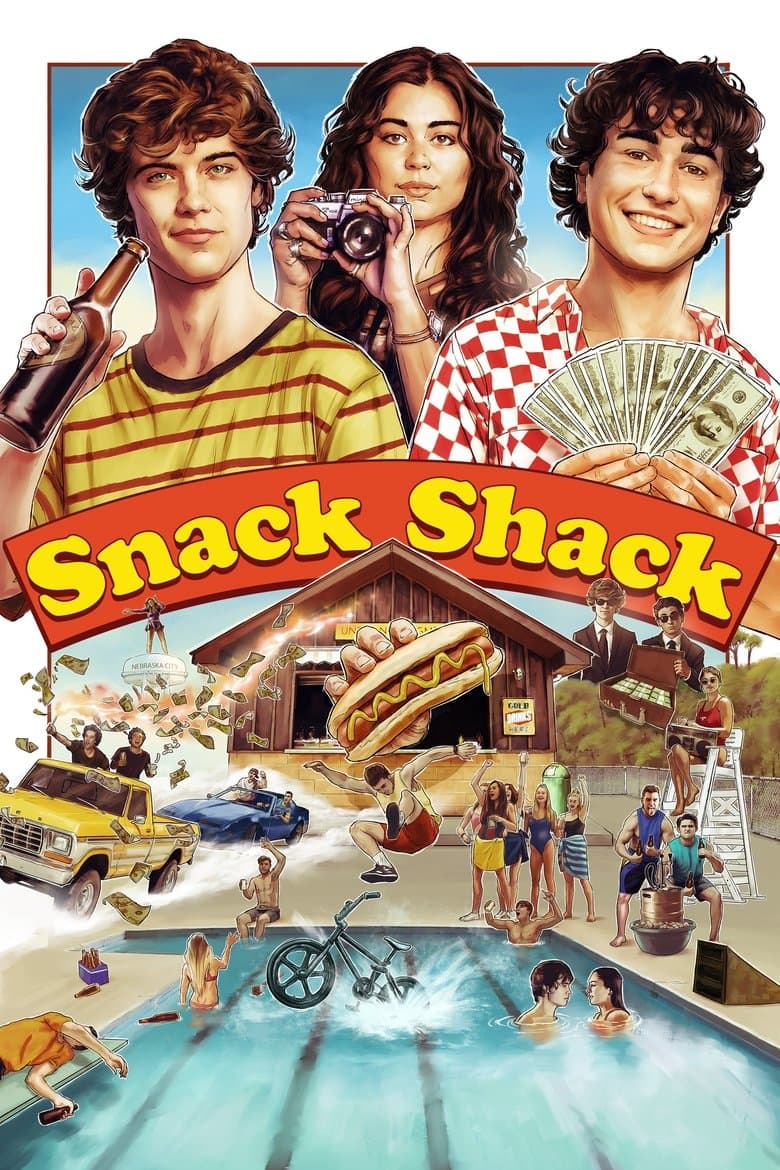
Movie · 2024
Inseparable best friends AJ and Moose decide to run the local pool's snack shack after their plan to sell home-brewed beer goes down the drain.
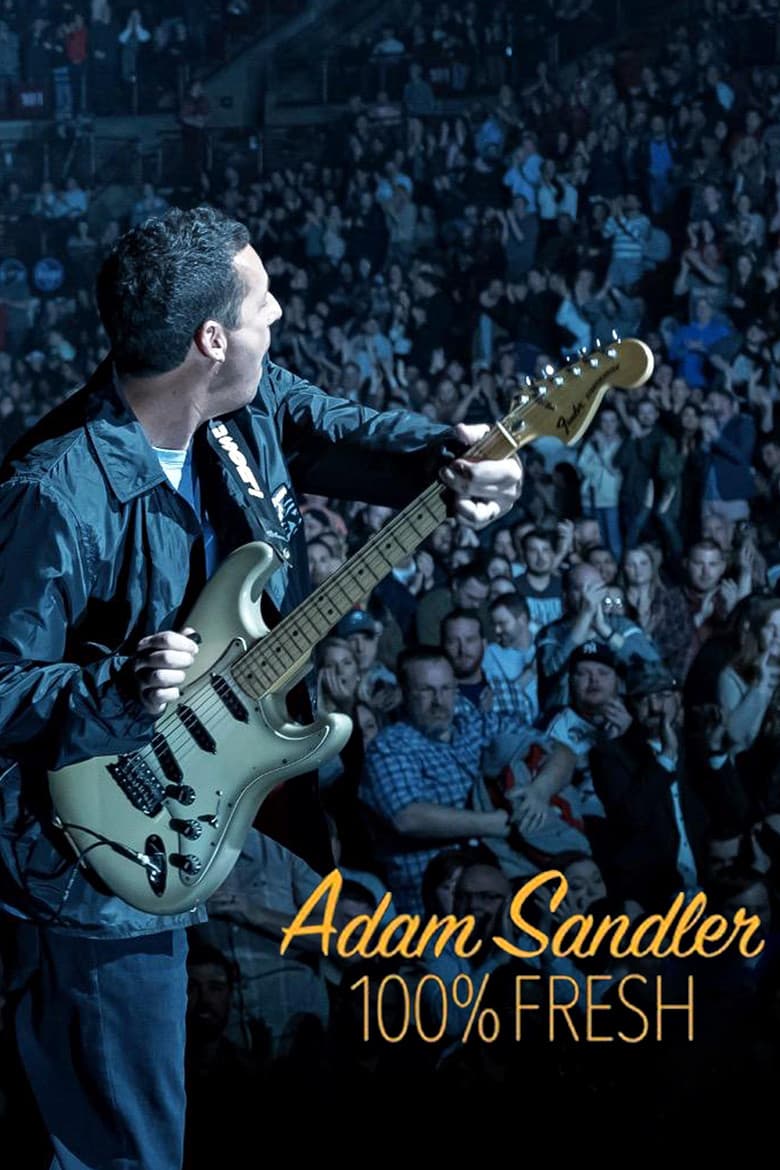
Movie · 2018
Adam Sandler takes his comical musical musings back out on the road, from comedy clubs to concert halls to one very unsuspecting subway station.
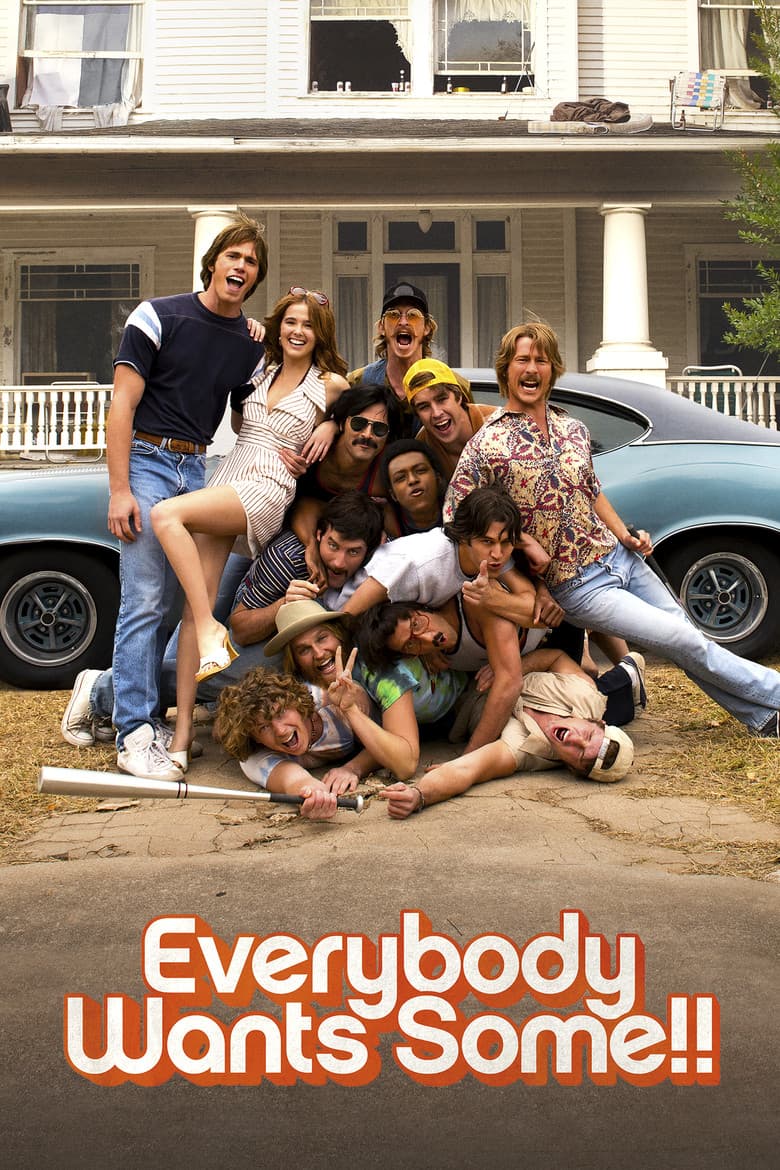
Movie · 2016
A comedy that follows a group of friends as they navigate their way through the freedoms and responsibilities of unsupervised adulthood.
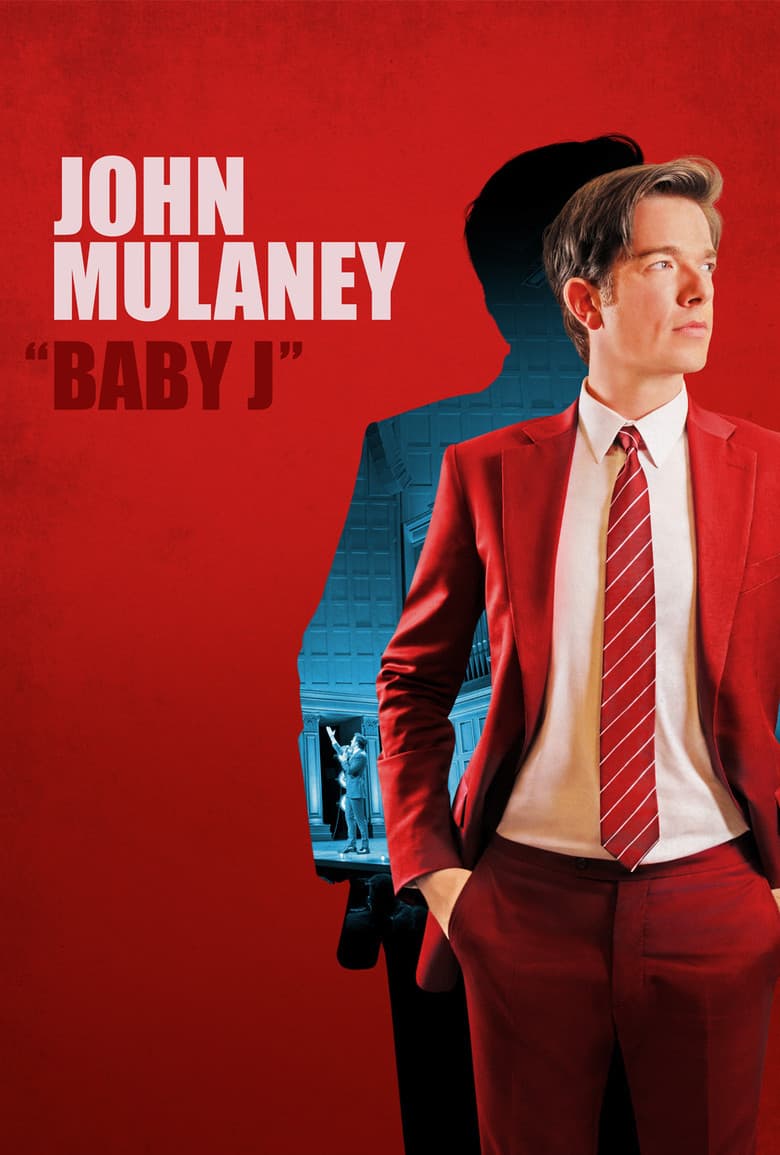
Movie · 2023
A chaotic intervention. An action-packed stay in rehab. After a weird couple of years, John Mulaney comes out swinging in his return to the stage.
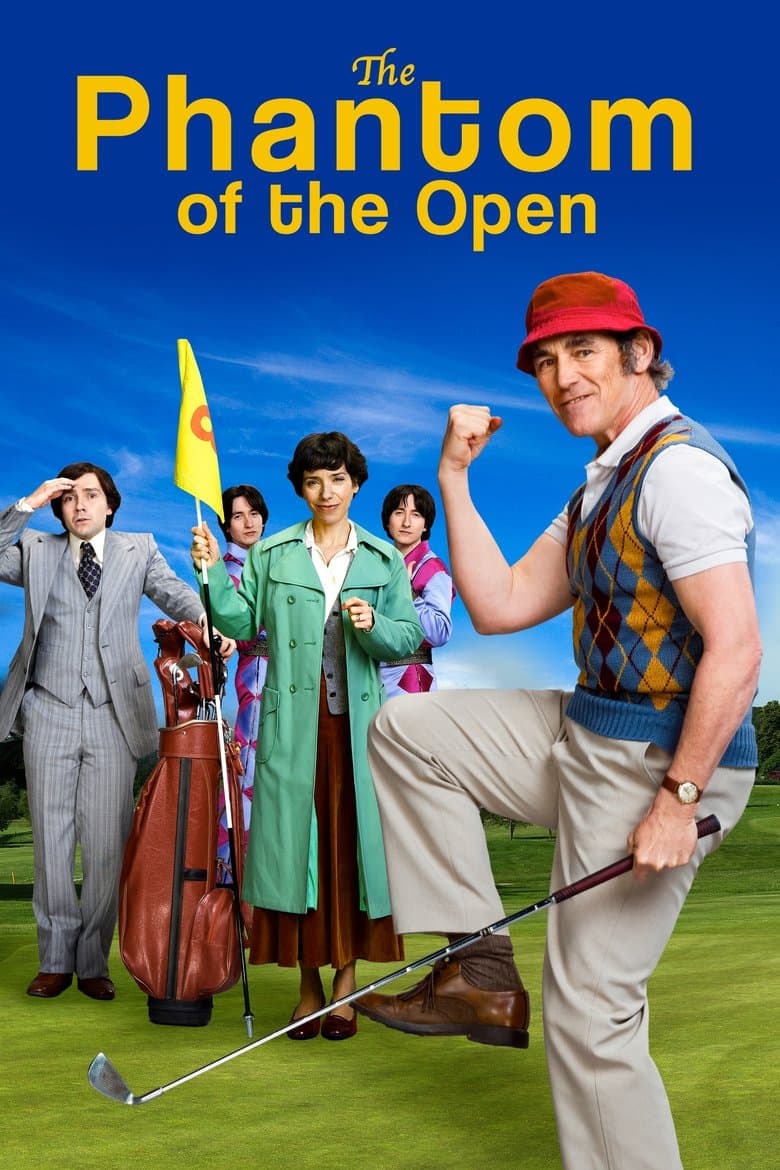
Movie · 2022
Maurice Flitcroft, a dreamer and unrelenting optimist, managed to gain entry to The British Open Golf Championship qualifying in 1976 and subsequently shot the worst round in Open…
