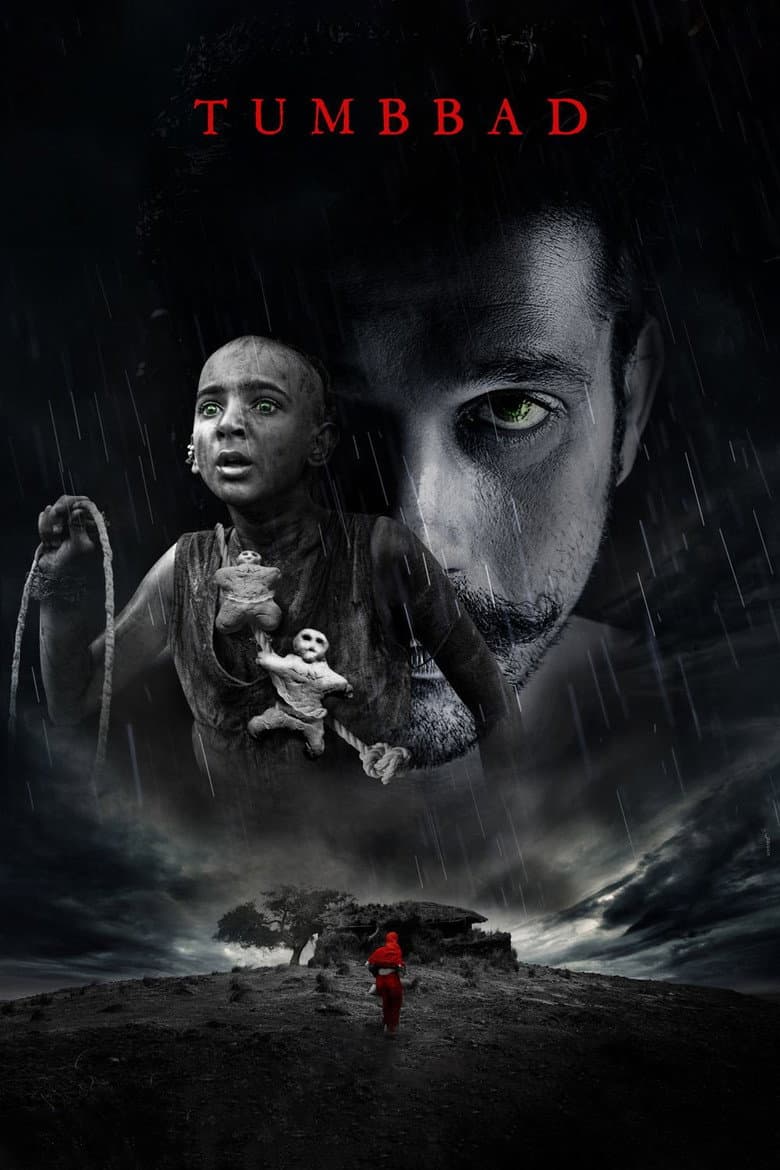
Tumbbad follows Vinayak Rao, a greedy man who hunts hidden gold beneath his family’s old estate. The story begins in a rain-soaked village in Maharashtra in 1918 and reaches the years around India’s independence. Vinayak learns to trick Hastar, a hungry creature hidden in the womb of a goddess, and he passes the dangerous hunt to his son Pandurang. The film has a dark, slow, and frightening tone, with family drama, folklore, and disturbing monster scenes.
The film also presents greed as a form of male power. Vinayak treats land, women, servants, and even his son as things he can control, while his daughters stay outside the family inheritance. The story shows women being used by powerful men and shows a son being trained to repeat his father’s rule. These choices make the horror criticize patriarchy, caste privilege, and inherited power, but the main warning remains that greed destroys families and turns people into monsters.
Community feedback
Was our 44% Woke rating accurate?
Breakdown
These are the editorial factors and ratings behind our score for Tumbbad.
Woke representation / casting
Not present. The story uses Indian characters in a Maharashtra setting, and the cast fits that world. The women are family and household figures, not a diversity-first lineup or heroic identity display.
0%
Woke political dialogue
Not present. The film has no modern speech about DEI, identity politics, or activist causes. A brief line mocks a “women empowerment” speech, so it rejects that idea instead of promoting it.
0%
Identity-driven story themes
The film links Vinayak’s greed to male control of property, women, and family power. The story shows women being used or denied a say in inheritance, while Vinayak trains only his son to carry on the gold hunt. The goddess’s womb becomes a repeated image of a space that men enter and exploit for wealth. Greed stays the main subject, so the patriarchy and caste message is important but not the whole movie.
48%
Western institutional / cultural critique
The film shows male entitlement through Vinayak’s control of property, servants, mistresses, and his son. The story treats inherited family power and traditional gender roles as harmful when Vinayak ignores his daughters and trains only his son. The film also shows British rule, caste privilege, and feudal wealth, but it does not attack Christianity or present a modern campaign against Western institutions. These ideas recur, but the supernatural greed story remains stronger.
30%
Woke character or canon changes
Not relevant. The film uses an original story built from Marathi folklore and Narayan Dharap’s writing. It does not change the race, gender, or role of a known character or real historical figure.
0%
Anti-woke backlash and complaints
A few small or anonymous X accounts called Tumbbad “extremely woke,” “hidden propaganda,” or anti-Hindu propaganda. A writer with moderate reach compared it with a film praised for having no woke language around belief. These remarks had no broad news pickup, boycott, review-bombing, or organized campaign. The larger 2022 row about Anand Gandhi’s toxic masculinity comment focused on his comparison with Kantara, not on an organized attack on Tumbbad.
10%
Creator track record context
Anand Gandhi brings a strong record of films and comments about patriarchy, caste, ethics, and social power. Aanand L. Rai has backed films about class, gender, and LGBTQ relationships. Honey Trehan has later worked on rights-focused material. Rahi Anil Barve and Adesh Prasad have no similar activist record, and Sohum Shah’s context is limited. This gives the project a mixed but noticeable activist-leaning background.
48%
Production
Movie · 2018
A timid and socially alienated 17-year-old high school student's life is turned upside down when she switches places with her sinister mirror image.
Movie · 2024
After a family tragedy, three generations of the Deetz family return home to Winter River. Still haunted by Betelgeuse, Lydia's life is turned upside down when her teenage…

Movie · 2025
A father and daughter accidentally hit and kill a unicorn while en route to a weekend retreat, where his billionaire boss seeks to exploit the creature’s miraculous curative…
Movie · 2016
A determined young woman and a damaged occultist risk their lives and souls to perform a dangerous ritual that will grant them what they want.
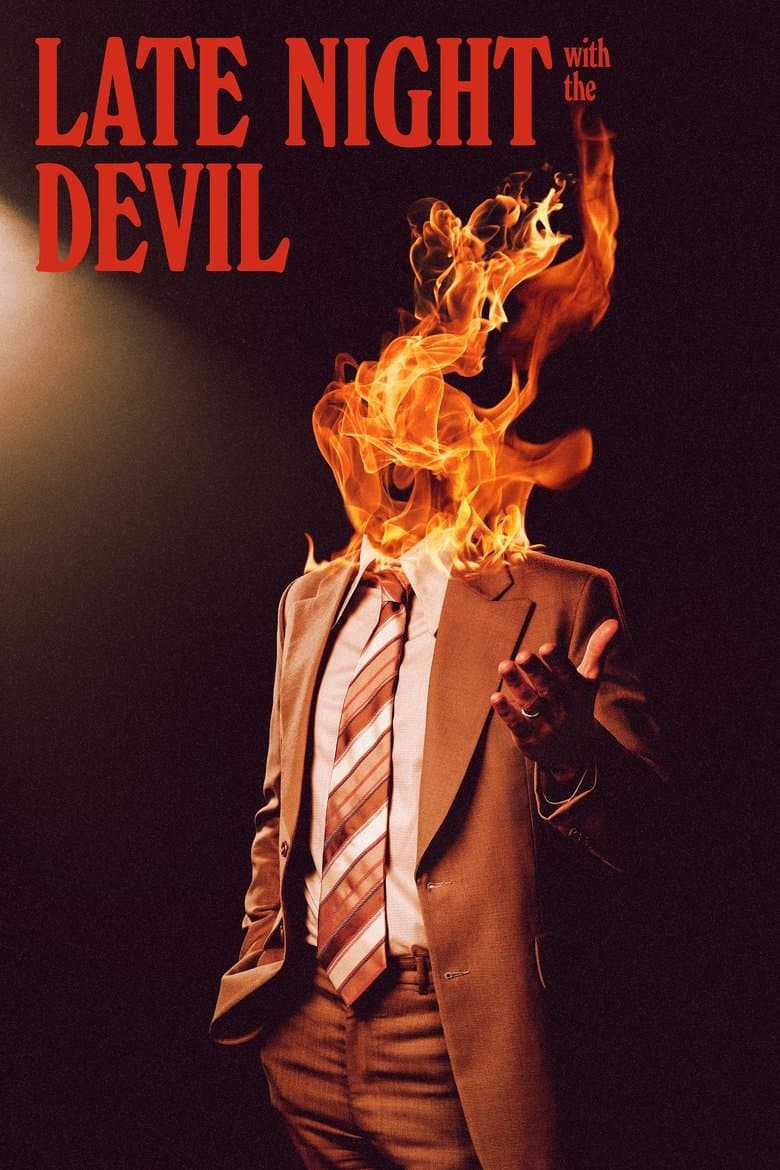
Movie · 2024
A live broadcast of a late-night talk show in 1977 goes horribly wrong, unleashing evil into the nation's living rooms.
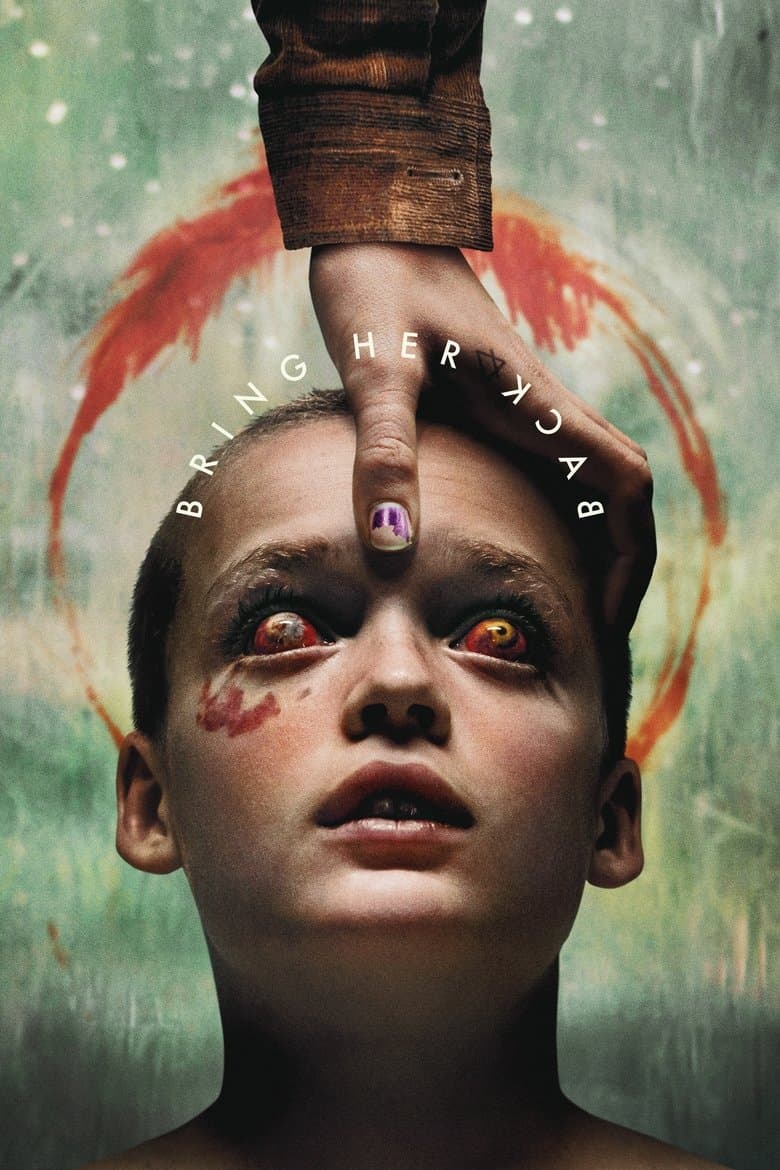
Movie · 2025
Following the death of their father, a brother and sister are sent to live with a foster mother, only to learn that she is hiding a terrifying secret.
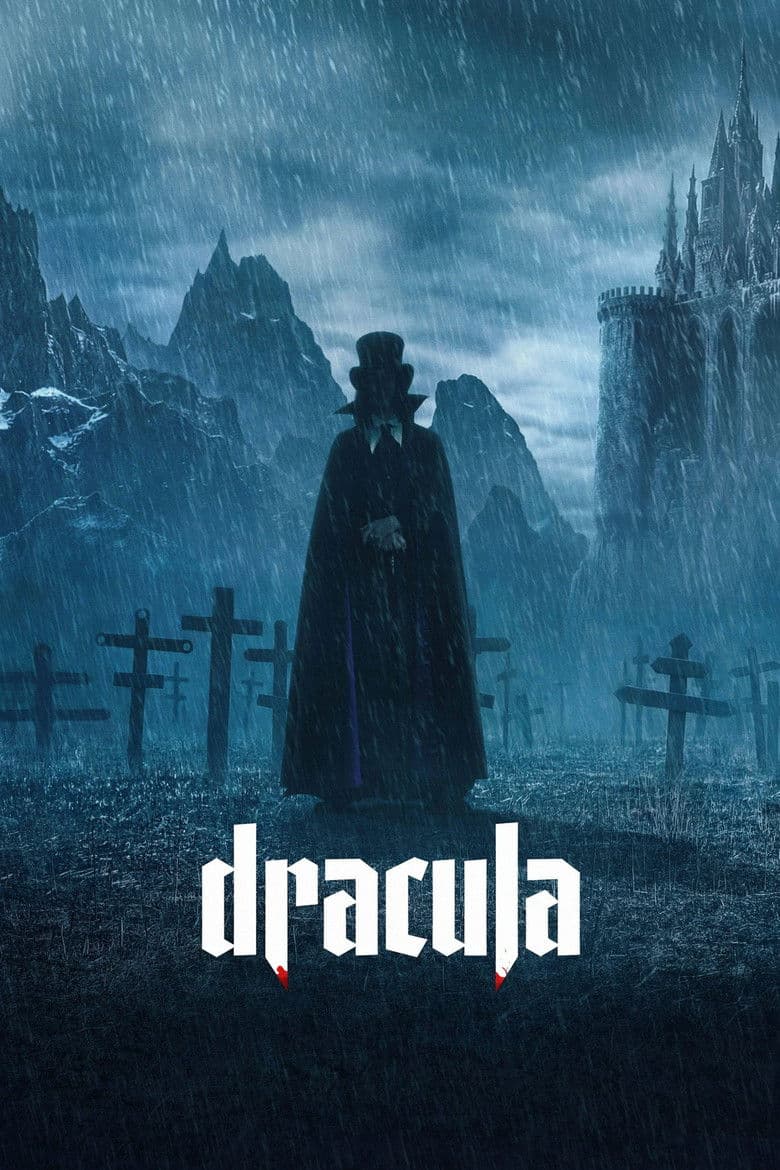
Movie · 2025
In late 15th-century Eastern Europe, Prince Vlad II’s bride is brutally murdered. As a result, he renounces God and damns Heaven itself.
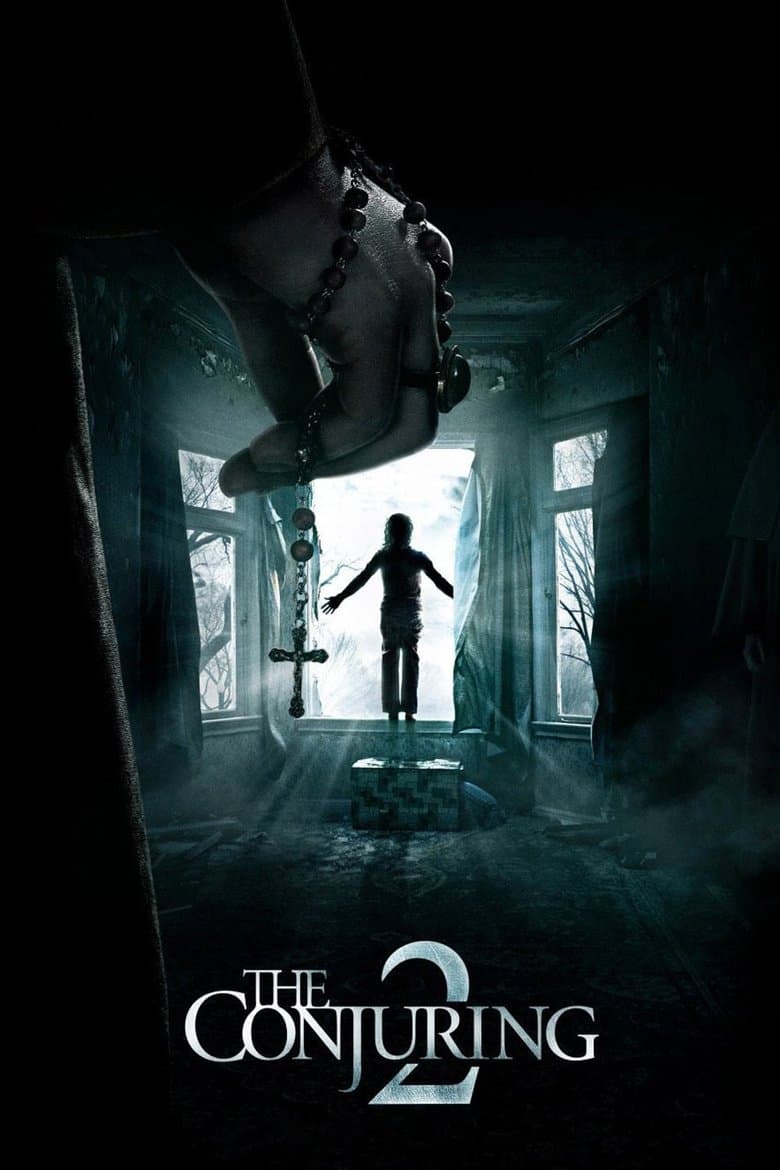
Movie · 2016
Lorraine and Ed Warren travel to north London to help a single mother raising four children alone in a house plagued by malicious spirits.
