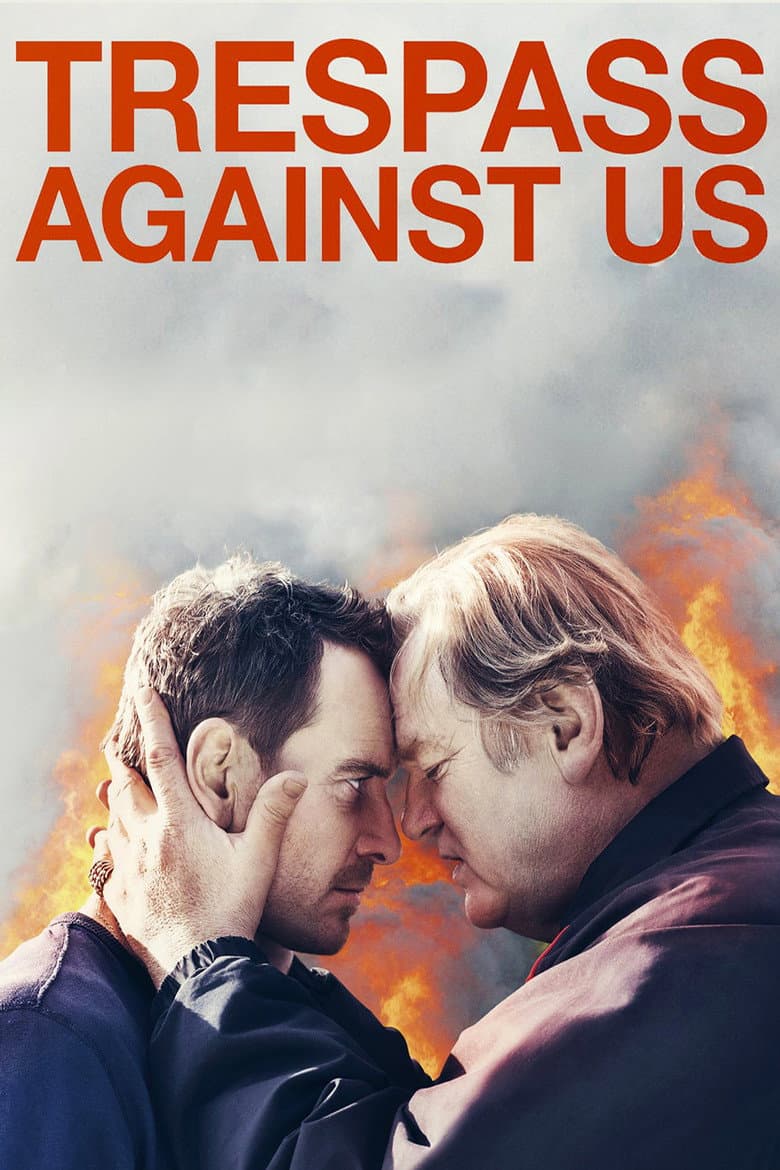
Chad Cutler lives with his father Colby and three generations of an outlaw Traveller family in the English countryside. Chad drives getaway cars, steals from rich homes, and follows Colby’s harsh rules. Chad wants his wife Kelly and their children to leave the criminal life and give the children a proper education. Colby sees that plan as betrayal, so the family faces police pressure, old loyalties, and a fight over the boy Tyson’s future.
The film follows a family caught between its old way of life and the settled world around it. Chad and Kelly believe school can give their children more choices, while Colby says outside rules will only hurt them. The story shows the family facing prejudice, but it also shows the Cutlers stealing, hurting others, and making their own troubles. The tone mixes rough crime comedy, fast car chases, family drama, and darker scenes about control and fear.
Community feedback
Was our 33% Woke rating accurate?
Breakdown
These are the editorial factors and ratings behind our score for Trespass Against Us.
Woke representation / casting
Not present. The main family is played by white actors in a white British and Irish Traveller setting. The film does not present its casting as a diversity or empowerment statement.
0%
Woke political dialogue
Chad directly calls the treatment of Travellers prejudice. The school and police scenes also include talk about how the family is treated by the settled world. The film keeps these moments tied to the family’s problems. The dialogue does not repeat modern identity slogans or build a long activist speech.
24%
Identity-driven story themes
The story centers on an Irish Traveller family facing pressure from the settled world. Chad and Kelly want school and a safer future, while Colby defends the clan’s old life. The film asks viewers to understand prejudice against the group, but it also shows the family’s crimes and harm to others. This conflict matters throughout the story, though family loyalty remains the main focus.
34%
Western institutional / cultural critique
The film presents the police as clumsy and at times hostile while they chase the family. The school and settled community also make Chad and Kelly’s attempt to build a safer life harder. These scenes criticize how outsiders treat Travellers, but the film also shows Colby’s control and the family’s crimes. It does not become a broad attack on Western culture, capitalism, or ordinary family life.
27%
Woke character or canon changes
Not relevant. The film is an original story about the fictional Cutler family. No established character, historical figure, or source canon is changed.
0%
Anti-woke backlash and complaints
Not present. The X research pass found no anti-woke posts or boycott calls. Web reviews and audience comments discuss crime, stereotypes, prejudice, accents, and uneven storytelling, but no clear anti-woke backlash was found.
0%
Creator track record context
Writer Alastair Siddons previously co-wrote Mangrove, a film about black activism and police discrimination. Producer Andrea Calderwood has backed work about colonial history and racial injustice and has supported diverse talent. Casting director Shaheen Baig is known for inclusive casting and training programs. Director Adam Smith has no clear activist public profile, and his interviews about this film focus on family, crime, and breaking from upbringing. This gives mild supporting context, not strong evidence of an activist agenda in this movie.
28%
Production
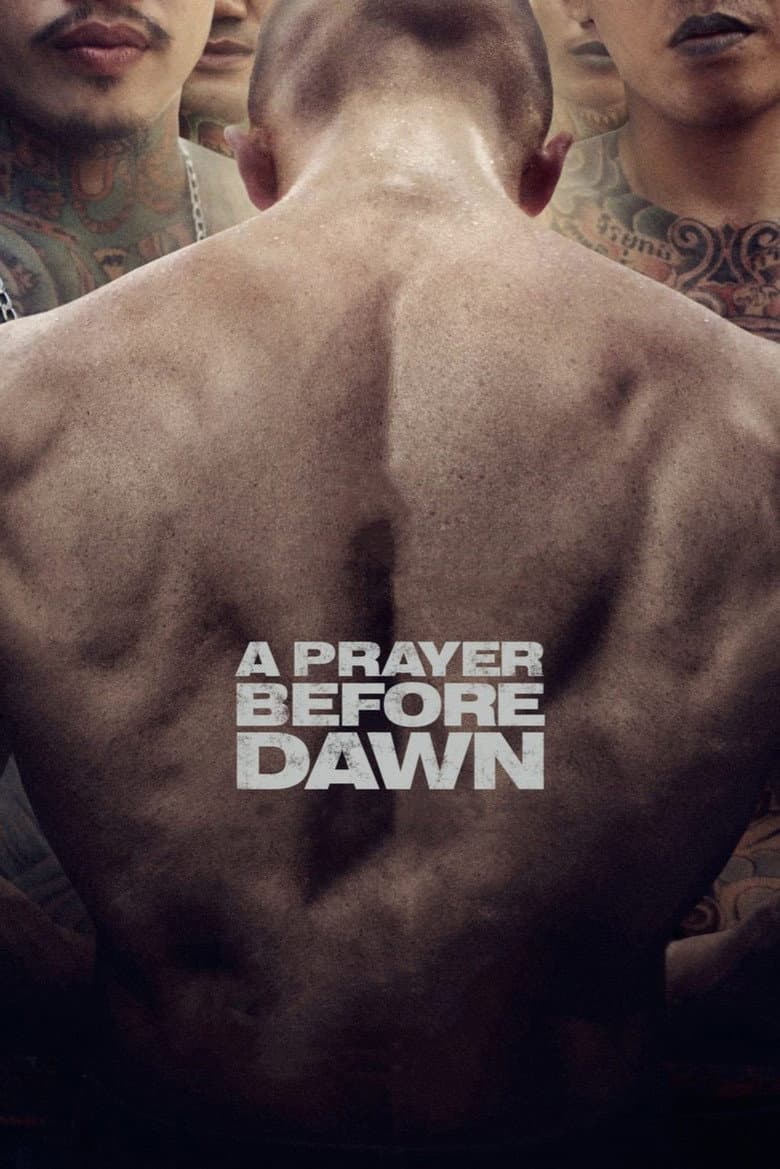
Movie · 2018
The amazing true story of Billy Moore, an English boxer incarcerated in Thailand’s most notorious prison. Thrown into a world of drugs and violence, he finds his best chance to…
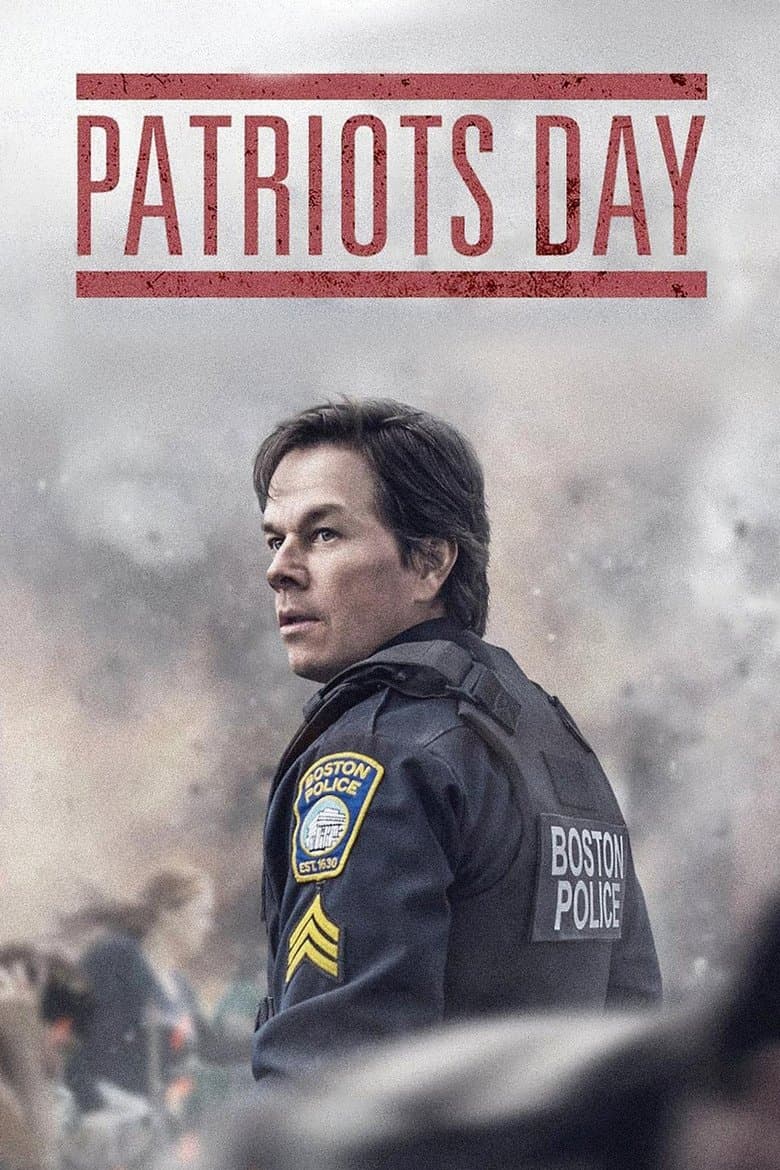
Movie · 2016
In the aftermath of an unspeakable act of terror, Police Sergeant Tommy Saunders joins courageous survivors, first responders and investigators in a race against the clock to hunt…

Movie · 2023
The hardened son of a powerful industrialist returns home after years abroad and vows to take bloody revenge on those threatening his father's life.

Movie · 2023
When his aging mob boss is whacked, Charlie Swift, a loyal friend and hired gun, will stop at nothing to destroy the upcoming crew that took him out.

Movie · 2022
Decorated veteran Will Sharp, desperate for money to cover his wife's medical bills, asks for help from his adoptive brother Danny.
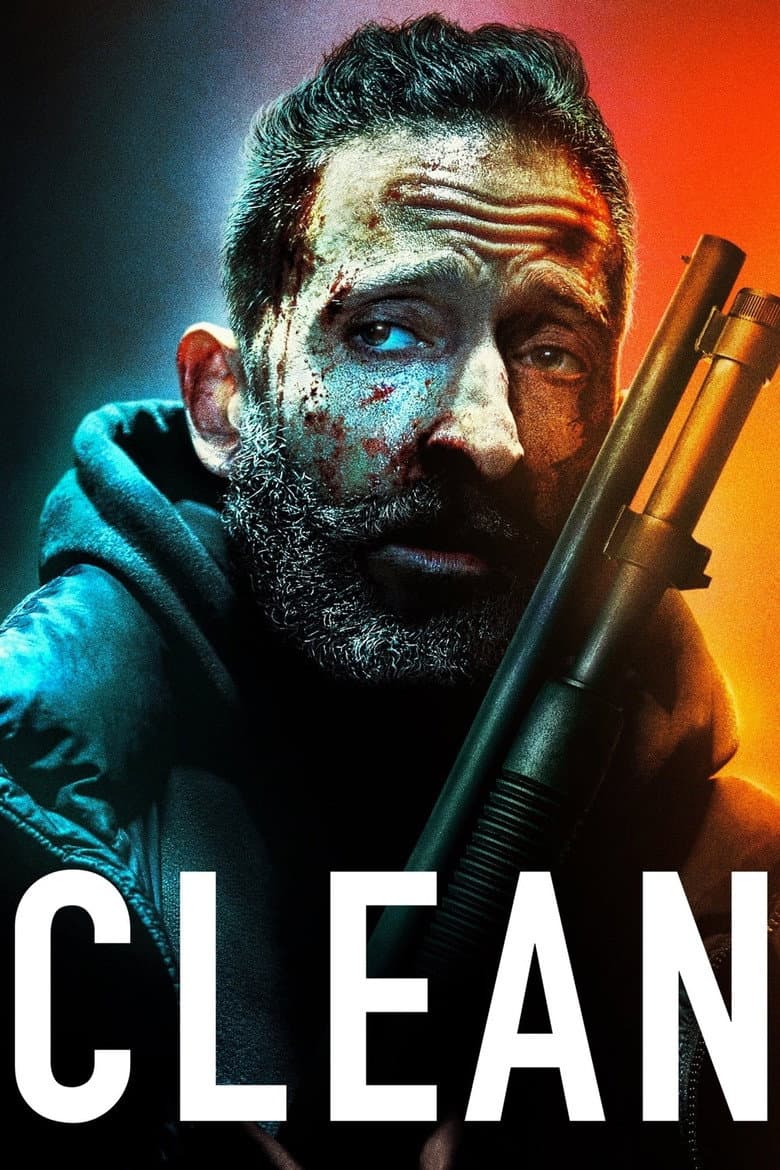
Movie · 2022
Tormented by a past life, garbage man Clean attempts a life of quiet redemption. But when his good intentions mark him a target of a local crime boss, Clean is forced to reconcile…
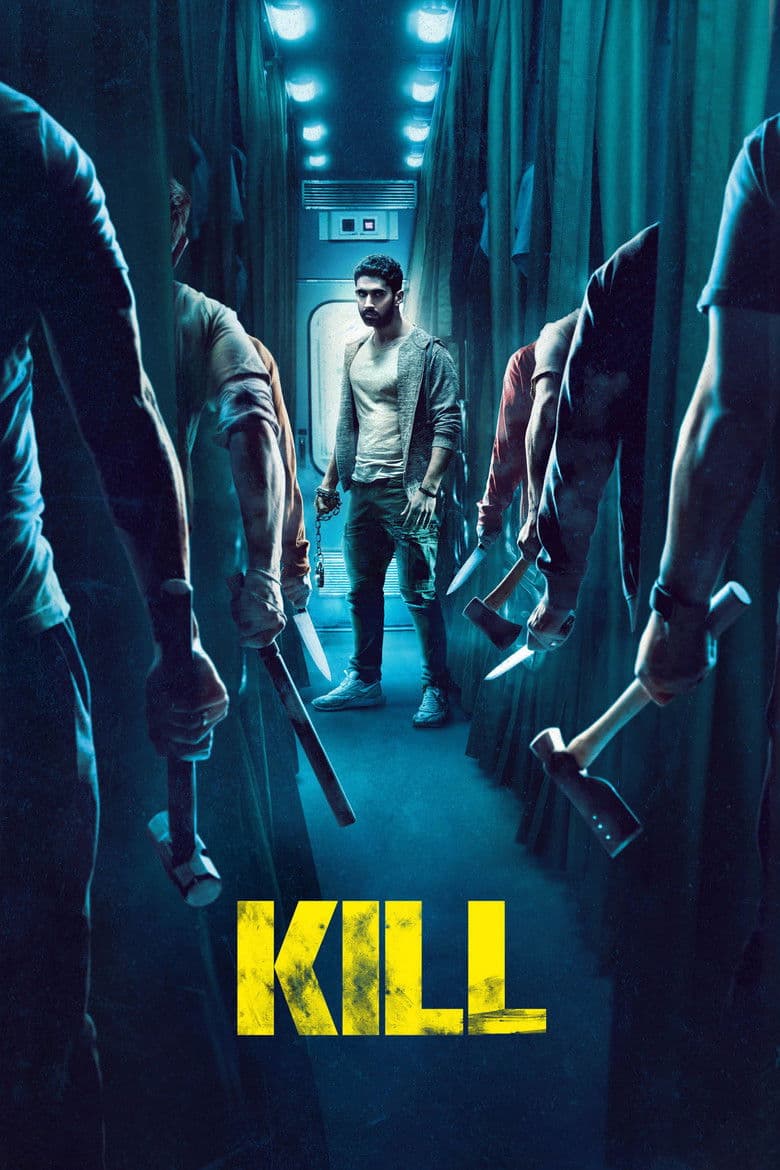
Movie · 2024
When an army commando finds out his true love is engaged against her will, he boards a New Dehli-bound train in a daring quest to derail the arranged marriage.

Movie · 2019
When a retiring assassin realizes that he is the target of a hit, he winds up back in the game going head to head with a gang of younger, ruthless killers.
