
Six adults arrive at a private office for help with serious obsessive-compulsive problems. Their well-known psychologist is delayed by a flight, so the patients must share a waiting room for hours. Each person has a different problem, such as counting, checking, washing, arranging, repeating words, or shouting unwanted insults. The fast comedy turns their fear and awkward habits into group chaos.
The story moves from fear and mockery to patience and mutual help. The patients learn that a mental disorder does not make someone crazy or worthless. They test ways to resist their habits, and they find that caring about another person can break the cycle for a moment. The film treats mental illness as a real burden while keeping a light tone, with respect and support as its main message.
Community feedback
Was our 23% Woke rating accurate?
Breakdown
These are the editorial factors and ratings behind our score for Toc Toc.
Woke representation / casting
Not present. The six main patients include three women and three men. The film uses the cast to show different symptoms, not to make a diversity or identity statement.
0%
Woke political dialogue
Not present. The characters talk about symptoms, therapy, phones, work, religion, and daily arguments. The film has no recurring lines about race, gender, DEI, activism, or modern identity politics.
0%
Identity-driven story themes
The six patients spend the movie facing mental health problems in front of one another. The group first mocks and fears the different symptoms. The patients later choose respect, support, and empathy, and they discover that helping someone else can interrupt a habit. This is a clear message about reducing unfair treatment of people with mental illness, but it is not tied to a wider political campaign.
30%
Western institutional / cultural critique
Not present. The movie jokes about phones, new software, therapy businesses, and a society that does not listen. The story does not attack patriarchy, family life, Christianity, capitalism, or Western institutions as a main theme.
0%
Woke character or canon changes
Not relevant. The film adapts Laurent Baffie’s 2005 play and keeps the same six role types. The film changes names and moves the story to Spain, but no identity change to an established character is reported.
0%
Anti-woke backlash and complaints
Not present. Reported complaints said the comedy made OCD look silly or confused it with ordinary habits. Those complaints came from people concerned about mental health, not from anti-woke critics. No sustained complaint called the film woke, activist, or DEI-driven, and the supplied X pass found none.
0%
Creator track record context
Stored creator notes rate Vicente Villanueva at 50/100 and describe a repeated focus on women, female friendships, and women’s choices. Avelina Prat has a stored score of 45/100 for human stories about identity and belonging. The other listed creators have low stored scores and no clear activist profile. This gives a moderate background signal, while Toc Toc itself stays focused on OCD and group support.
40%
Production
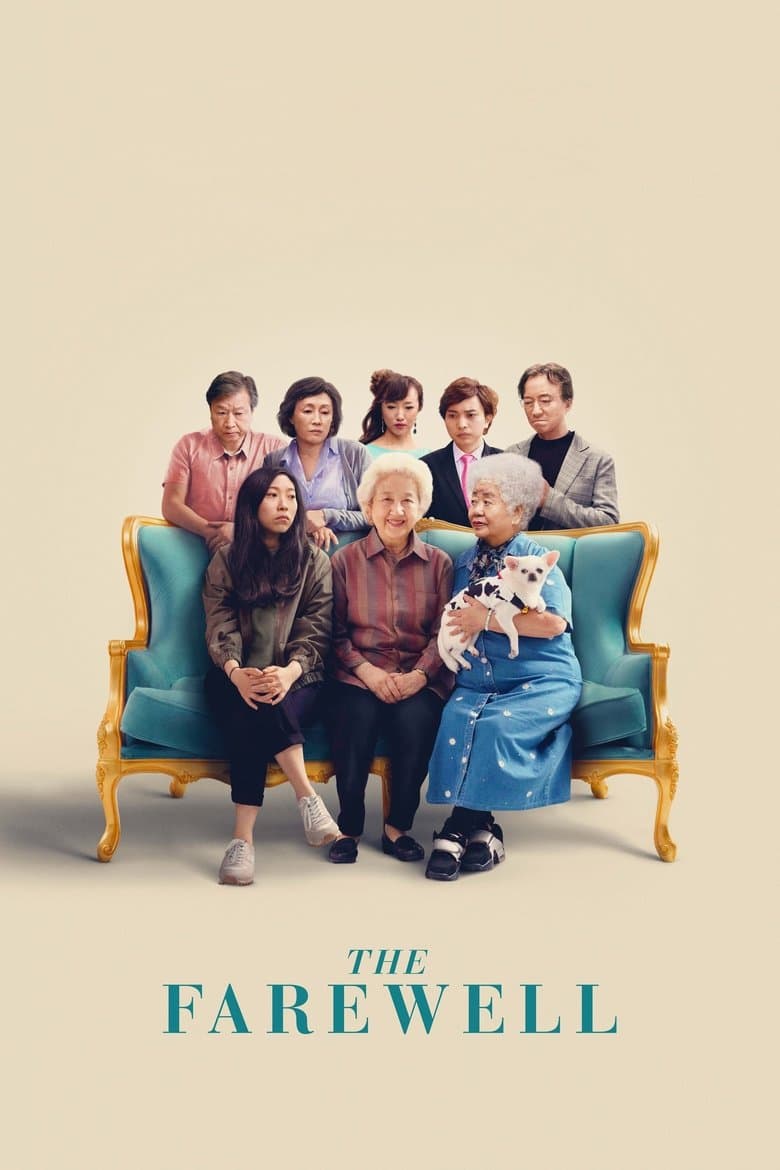
Movie · 2019
A headstrong Chinese-American woman returns to China when her beloved grandmother is given a terminal diagnosis.

Movie · 2023
Two large, ignorant bullies ruthlessly pursue a small, brilliant boy in this young adult Roald Dahl short story.
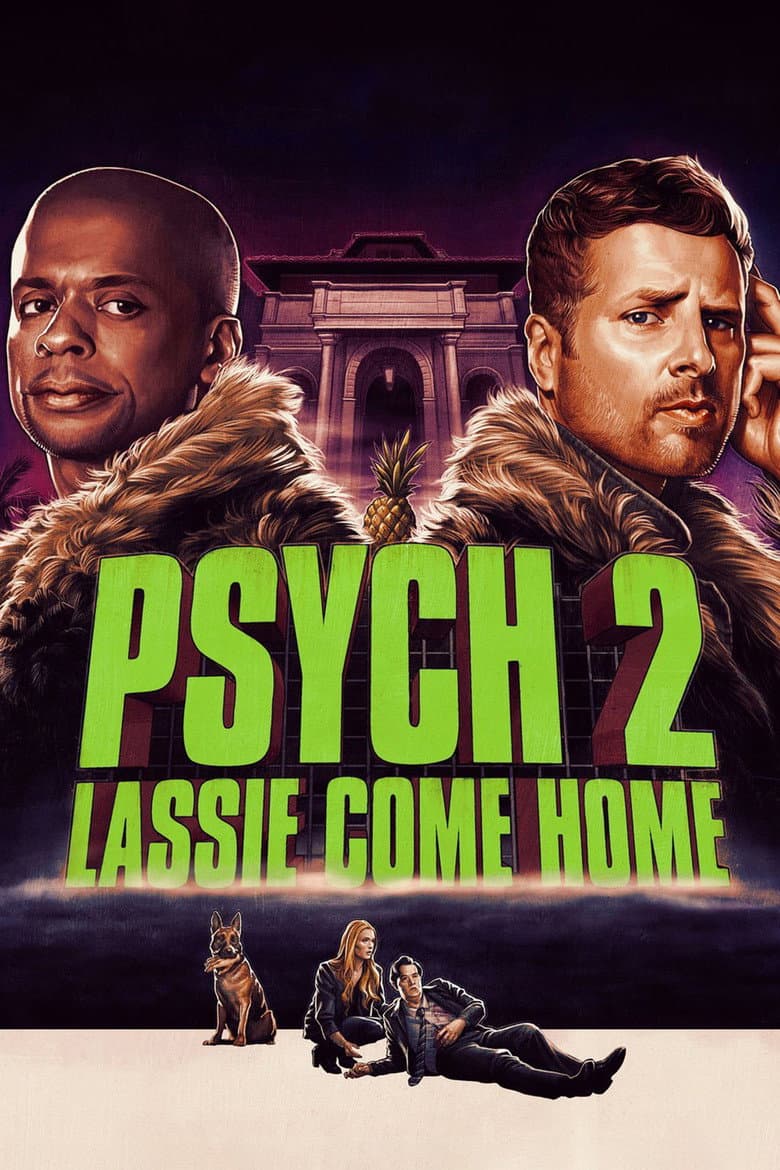
Movie · 2020
After Santa Barbara Police Chief Carlton Lassiter is ambushed and left for dead, Shawn and Gus return to help him and find themselves embroiled in a case involving the personal…
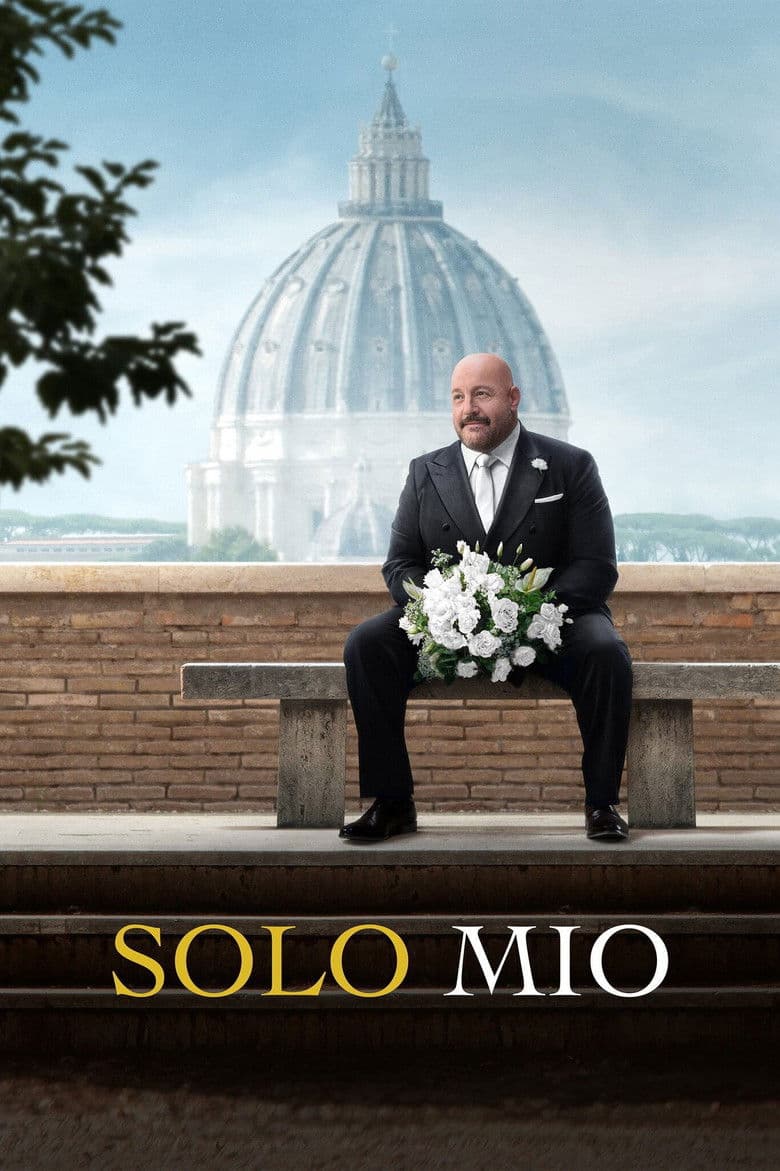
Movie · 2026
After Matt's dreams of a picturesque Italian wedding are shattered when his fiancée leaves him at the altar, he embarks on his planned honeymoon across Italy alone, immersing…

Movie · 2016
Discover what Thor was up to during the events of Captain America: Civil War.

Movie · 2018
With their golden era long behind them, comedy duo Stan Laurel and Oliver Hardy embark on a variety hall tour of Britain and Ireland.
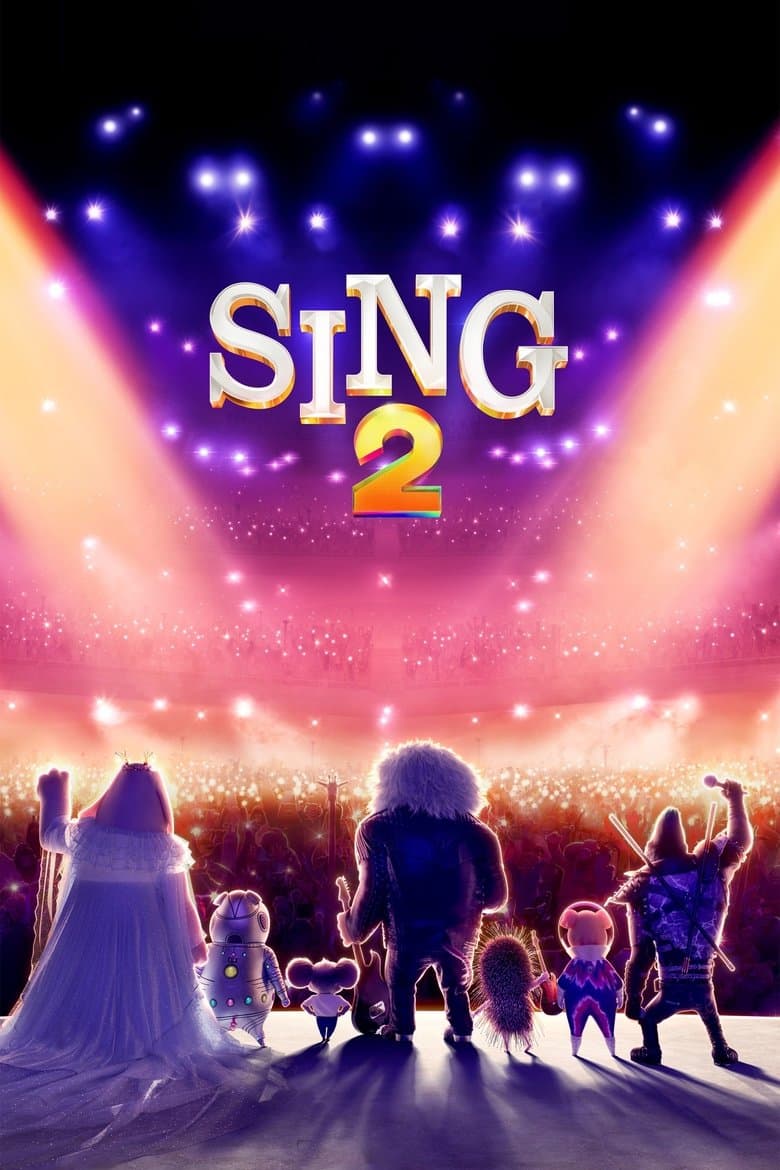
Movie · 2021
Buster and his new cast now have their sights set on debuting a new show at the Crystal Tower Theater in glamorous Redshore City.
Movie · 2019
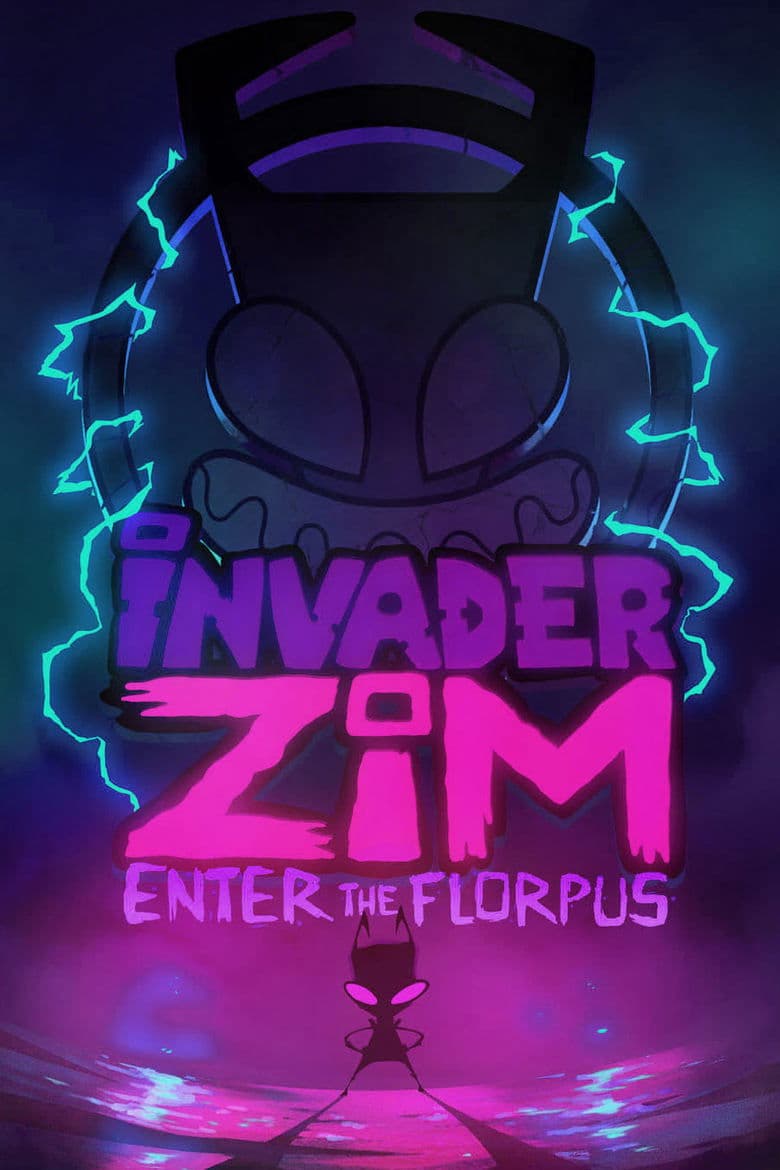
ZIM discovers his almighty leaders never had any intention of coming to Earth and he loses confidence in himself for the first time in his life, which is the big break his human…
