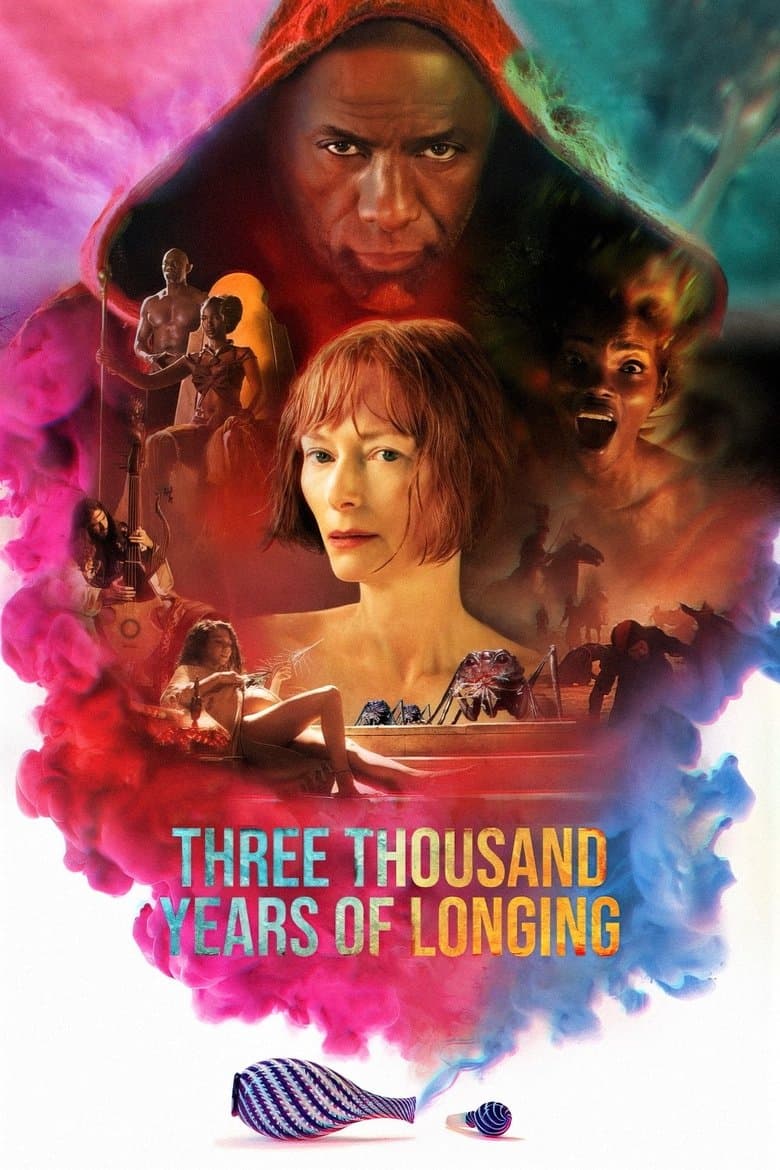
Movie review
Three Thousand Years of Longing is a fantasy drama about a lonely scholar who frees an ancient Djinn from a bottle. The Djinn tells her stories about his past, which leads to an unexpected romance between them. The film features clear feminist themes, showing historical women fighting for their freedom and intellect against male control. It also includes modern scenes that criticize British society and portray white neighbors as closed-minded and racist.
Community feedback
Was our 52% Woke rating accurate?
Breakdown
These are the editorial factors and ratings behind our score for Three Thousand Years of Longing.
Woke representation / casting
The film features a diverse international cast and places a strong emphasis on female characters. The Queen of Sheba is played by a black actress, and King Solomon is played by a Lebanese actor. Additionally, Zephyr is shown as a brilliant female polymath whose intelligence and capability are front and center. While these choices fit the fantasy setting, the casting patterns visibly prioritize diverse representation and female empowerment in key roles.
35%
Woke political dialogue
The film includes clear political dialogue during its modern London segment. In one scene, Alithea confronts her elderly white neighbors, who are shown as closed-minded bigots complaining about immigrants and airport security. Alithea acts as a virtuous ally, arguing with them and later having the Djinn make them exotic snacks to stop their "othering" of foreigners. This sequence delivers an on-the-nose political lecture that stands out from the main fantasy plot.
38%
Identity-driven story themes
The movie is built on feminist themes of female desire, agency, and intellectual liberation. The historical stories told by the Djinn focus on women who try to escape patriarchal control. Zephyr’s story is about a female genius who wants all the world's knowledge but is kept locked away by her husband. The frame story also starts at an academic conference about "Stories of Women's Lives," showing a clear focus on feminist narrative goals.
35%
Western institutional / cultural critique
The film critiques modern Western culture by depicting British society as cold, sterile, and intolerant. The cartoonish portrayal of Alithea’s xenophobic neighbors serves as a direct attack on modern conservative views and national borders. By contrasting this narrow-minded Western setting with the magical history of the East, the film presents a clear activist critique of Western cultural insularity and traditional male authority.
40%
Woke character or canon changes
The film is adapted from a novella by A.S. Byatt, which already had feminist themes. The filmmakers did not make massive identity-driven changes to beloved legacy characters. However, they did add contemporary political elements to the modern segments, like the subplot with the racist neighbors, to make the film feel more socially active.
5%
Anti-woke backlash and complaints
There was almost no organized anti-woke backlash against the movie. A few right-leaning commentators online pointed out the cartoonish and preachy nature of the racist neighbors scene in London. However, most viewers simply ignored the film, and the negative feedback was mostly about the slow pacing, confusing story, and poor marketing.
20%
Creator track record context
Co-writer George Miller (Woke score: 75/100) is a well-known feminist who openly infuses his projects with anti-patriarchal ideas. Other key creators have lower scores, such as co-writer Augusta Miller, stunt director Guy Norris, and original author A.S. Byatt, who wrote about women’s freedom but disliked dogmatic institutional feminism. This creates a moderate progressive influence overall.
45%
Production
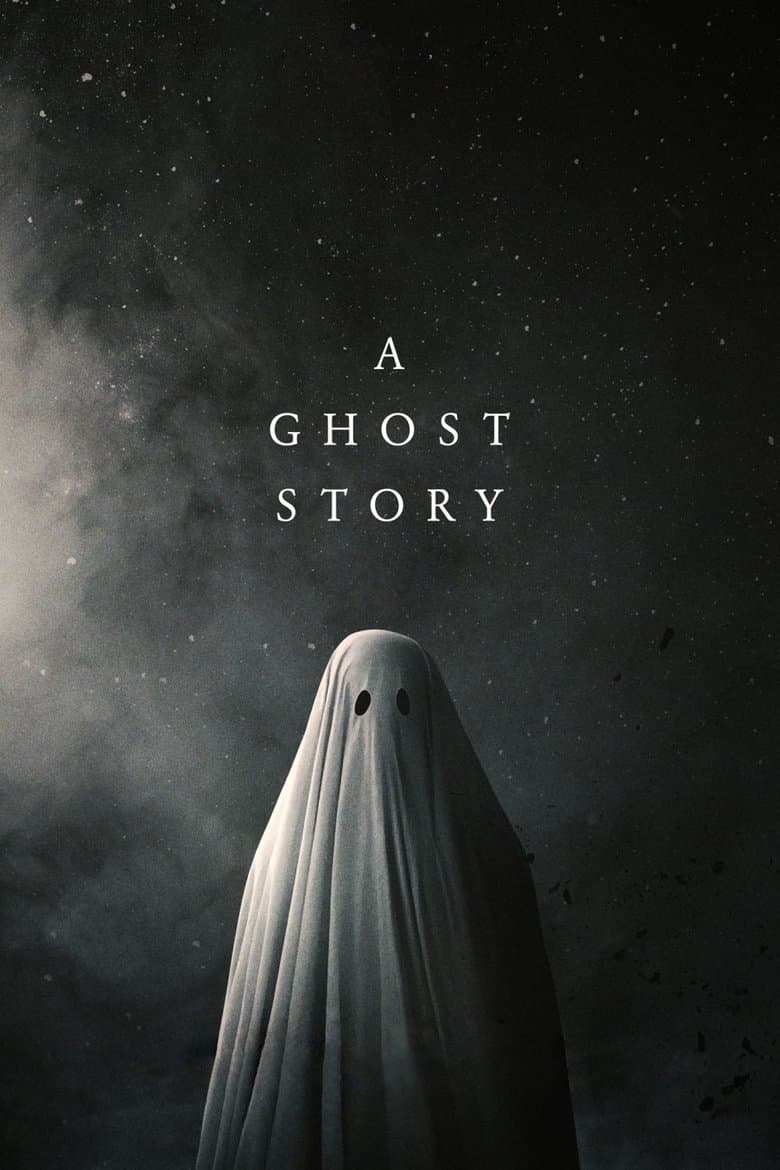
Movie · 2017
Recently deceased, a white-sheeted ghost returns to his suburban home to console his bereft wife, only to find that in his spectral state he has become unstuck in time, forced to…
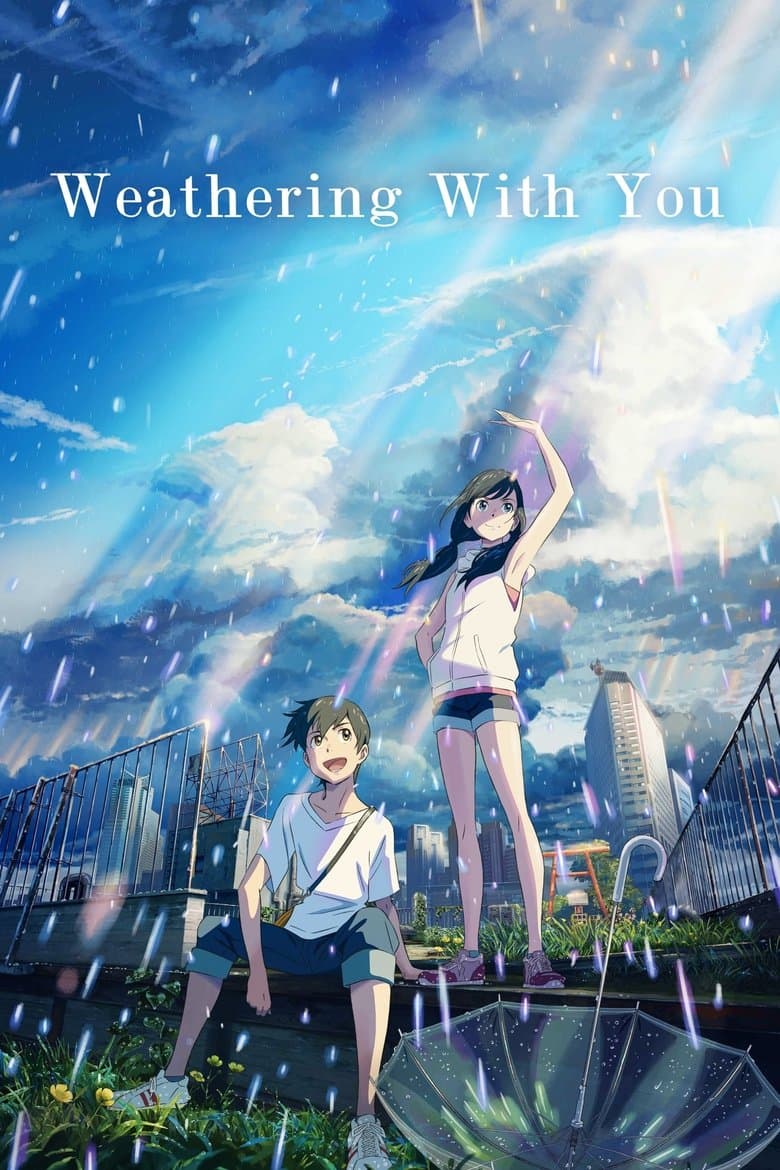
Movie · 2019
The summer of his high school freshman year, Hodaka runs away from his remote island home to Tokyo, and quickly finds himself pushed to his financial and personal limits.

Movie · 2018
Seasoned musician Jackson Maine discovers — and falls in love with — struggling artist Ally. She has just about given up on her dream to make it big as a singer — until Jack…

Movie · 2025
In this extraordinary story of an ordinary man, Charles 'Chuck' Krantz experiences the wonder of love, the heartbreak of loss, and the multitudes contained in all of us.

Movie · 2017
A brilliant but impulsive young surgeon spirals into self-destruction after a painful breakup, struggling to cope with love, loss, and the consequences of his own temper.

Movie · 2024
Remi and Barnes, two very different teenagers, meet by chance in the winter of their senior year, then spend four days together over the course of a year that will change their…

Movie · 2022
Known as America’s Poet, Henry Wadsworth Longfellow leads an idyllic life – until the day his world is shattered by tragedy.
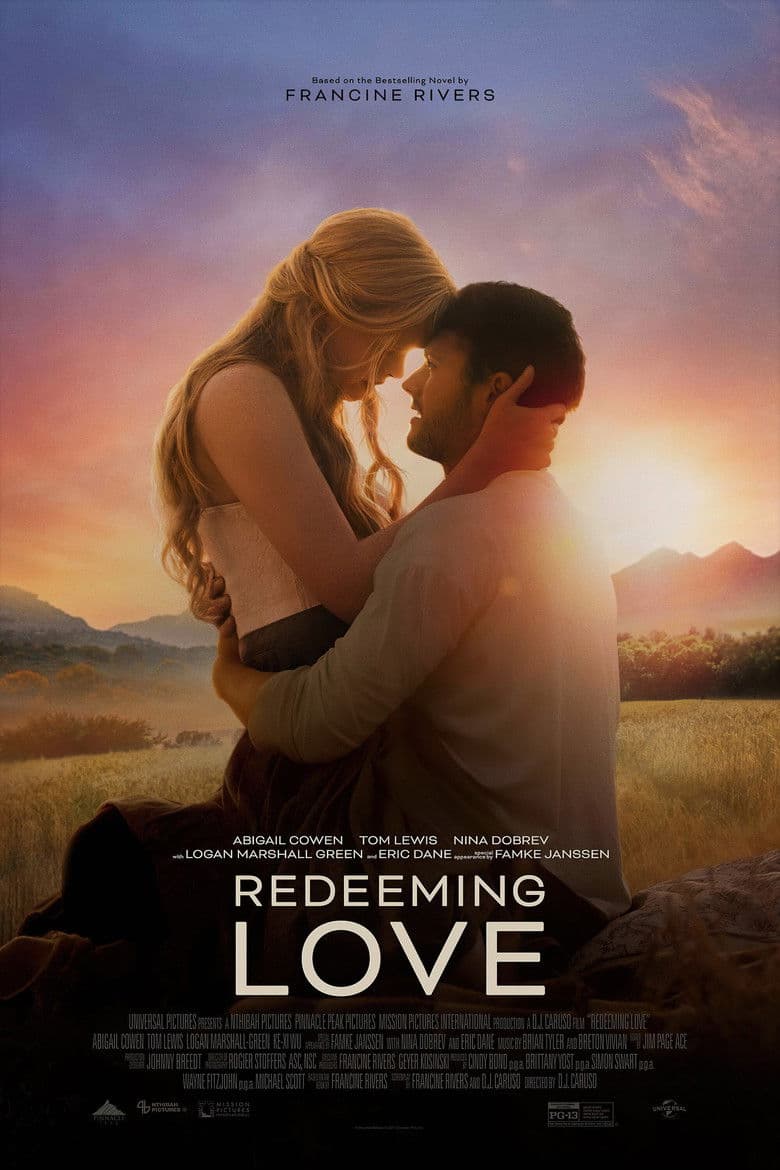
Movie · 2022
A young couple's relationship clashes with the harsh realities of the California Gold Rush of 1850. Angel, experiencing love for the first time and facing demons unsurmountable…
