Movie review
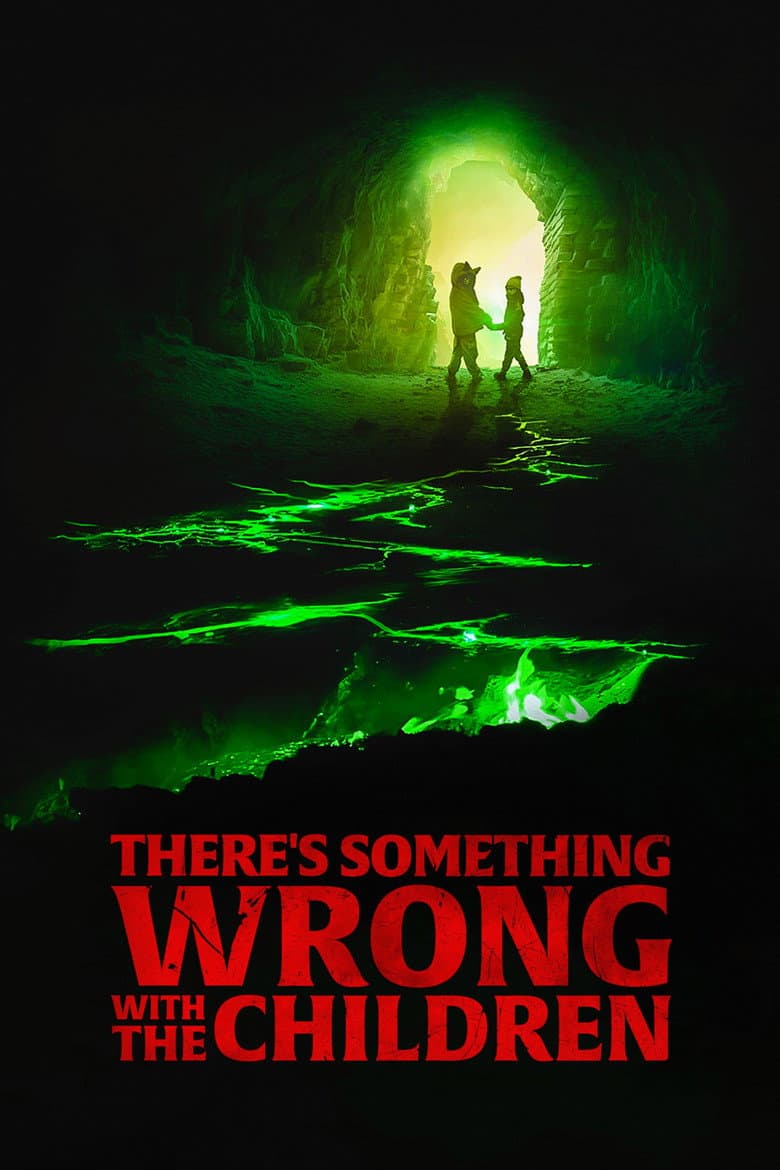
Margaret travels to a remote cabin with her boyfriend Ben and their old friends Ellie and Thomas. Ellie and Thomas bring their two children, Lucy and Spencer, who seem normal until they vanish into the woods and return acting strangely. Ben believes the children have been changed by something in a deep pit, but the others think his mental health is making him lose touch with reality. The group fights over who is responsible for the children and whether Ben can be trusted. The film shifts from quiet family tension to sudden bloody horror.
The clearest social message concerns Margaret’s choice not to have children. Ellie and Thomas keep asking when she will become a mother, and the film treats that pressure as a serious source of fear. Margaret must decide whether she is wrong for rejecting the expected family role. The horror makes the children and Ben use family pressure against her, so the theme continues into the final chase. This idea shapes the opening conflict and the ending, but supernatural danger remains the main focus.
Community feedback
Was our 39% Woke rating accurate?
Breakdown
These are the editorial factors and ratings behind our score for There's Something Wrong with the Children.
Woke representation / casting
Not present. The main adults include a black woman, a Latino man, and two white adults, but the movie presents them as ordinary friends in a modern Louisiana setting. The story does not call attention to ethnicity or use casting as a message.
0%
Woke political dialogue
Ellie and Thomas repeatedly ask Margaret and Ben when they will have children. Margaret says they are not ready, while other characters say people are never ready and that her time is running out. The women also joke that “powder-puff” football has a weak name because it is for girls. These lines make gender roles and motherhood part of the talk, but the movie does not stop for a long political speech.
30%
Identity-driven story themes
Margaret is a woman who does not want children, and the story keeps returning to whether that makes her selfish or abnormal. Ellie pressures her about motherhood, while Ben later accepts a supernatural version of family life and tries to force it on Margaret. The children become the horror image of the family role Margaret rejects. The theme shapes Margaret’s fear, the shift from Ben’s viewpoint to hers, and the ending. The movie still spends most of its time on supernatural survival.
48%
Western institutional / cultural critique
The film treats the idea that every woman should want children as harmful pressure. Ellie says Margaret’s time to have children is running out, and Thomas says people should simply jump into having them. Margaret challenges the claim that people without children cannot understand responsibility. The story criticizes family expectations inside these two couples, but it does not attack religion, government, capitalism, or a broad Western institution.
31%
Woke character or canon changes
Not relevant. The movie is an original story with no established character, franchise canon, or real historical event that it changes.
0%
Anti-woke backlash and complaints
Not present. Public discussion focuses on the horror plot, mixed reviews, and the theme about not wanting children. No clear anti-woke complaint about the movie was found, and the supplied X pass found no anti-woke reaction.
0%
Creator track record context
Benjamin’s public record is mainly horror work, with no clear activist focus. Her title interviews focus on the childfree couple, the friendship between two women, and pressure to have children. Jason Blum has a mild political context from other Blumhouse titles, but this movie is not framed as activist work. The writers and other producers have no clear activist record.
17%
Production
Movie · 2021
A lone drifter suffering from partial memory loss accepts a job to look after a psychologically troubled woman in an abandoned house on an isolated island.
Movie · 2020
Inside the halls of an elite arts academy, a timid music student begins to outshine her more accomplished and outgoing twin sister when she discovers a mysterious notebook…
Movie · 2024
After the brutal murder of her twin sister, Darcy goes after those responsible by using haunted items as her tools for revenge.
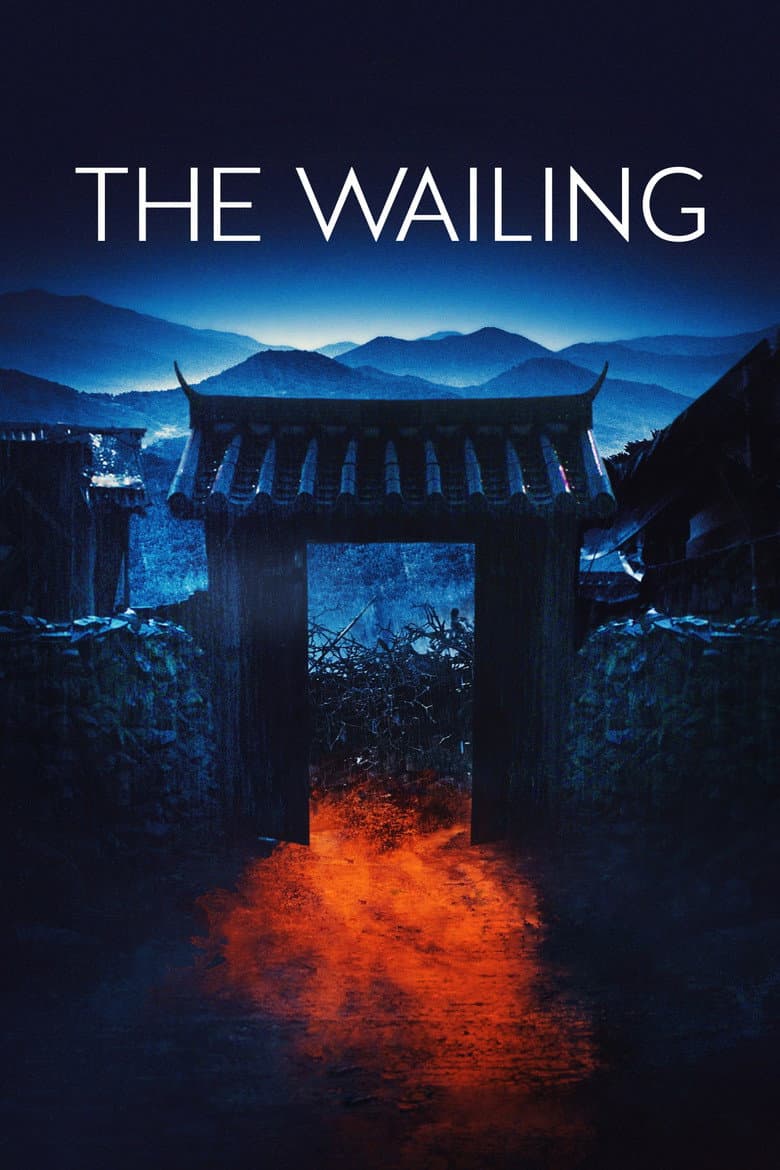
Movie · 2016
A stranger arrives in a little village and soon after a mysterious sickness starts spreading. A policeman is drawn into the incident and is forced to solve the mystery in order to…
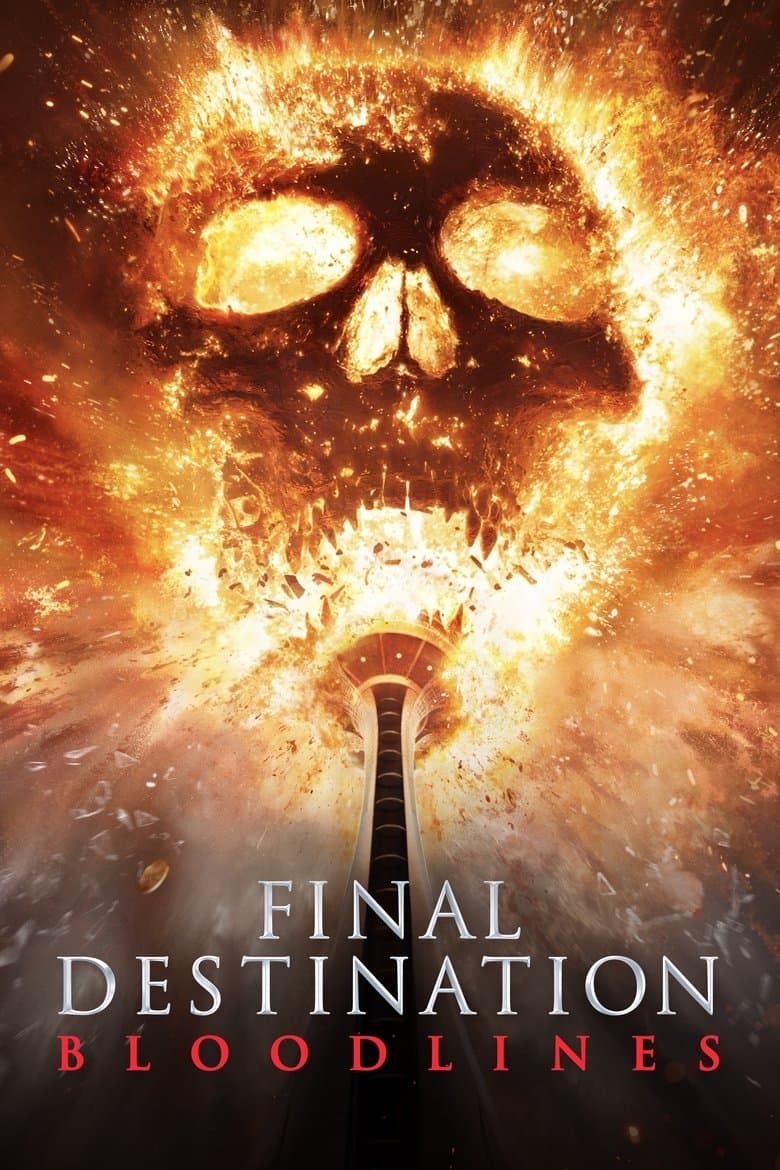
Movie · 2025
Plagued by a violent recurring nightmare, college student Stefanie heads home to track down the one person who might be able to break the cycle and save her family from the grisly…
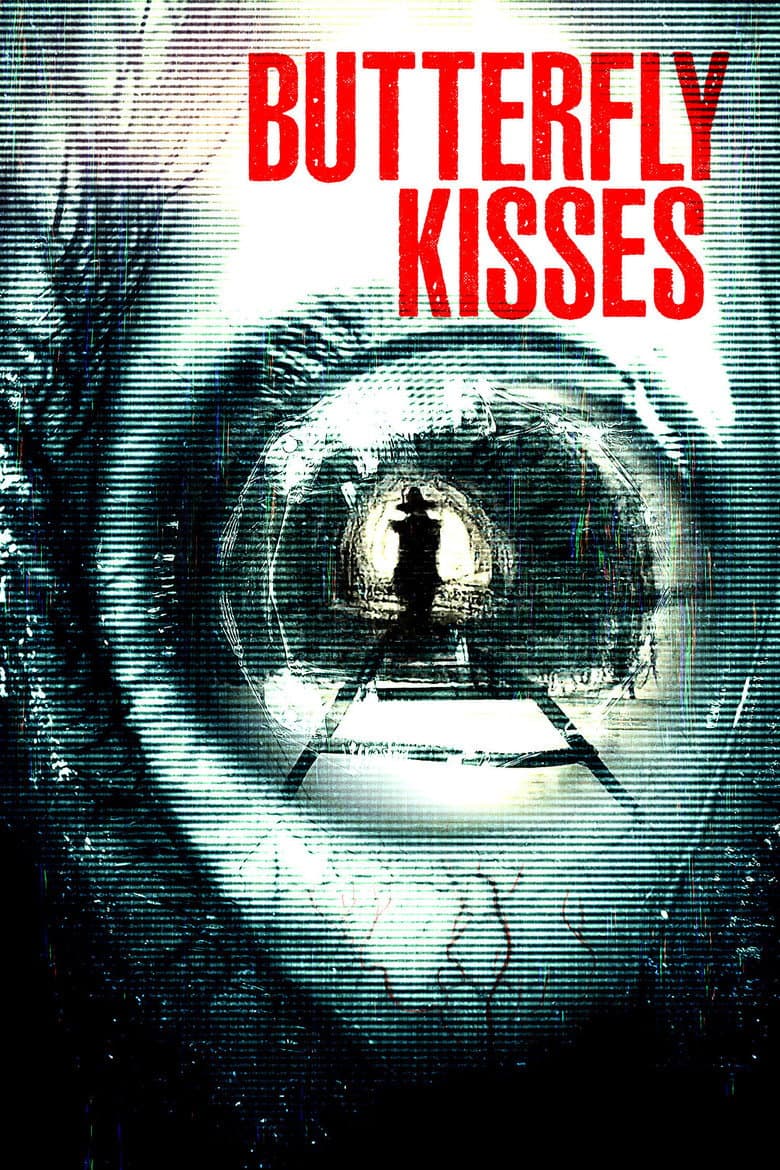
Movie · 2018
A filmmaker discovers a box of video tapes depicting two students' disturbing film project featuring a local horror legend, The Peeping Tom.

Movie · 2016
A group of archaeologists working in Northern Canada uncover a strange structure dating over ten thousand years before the present.
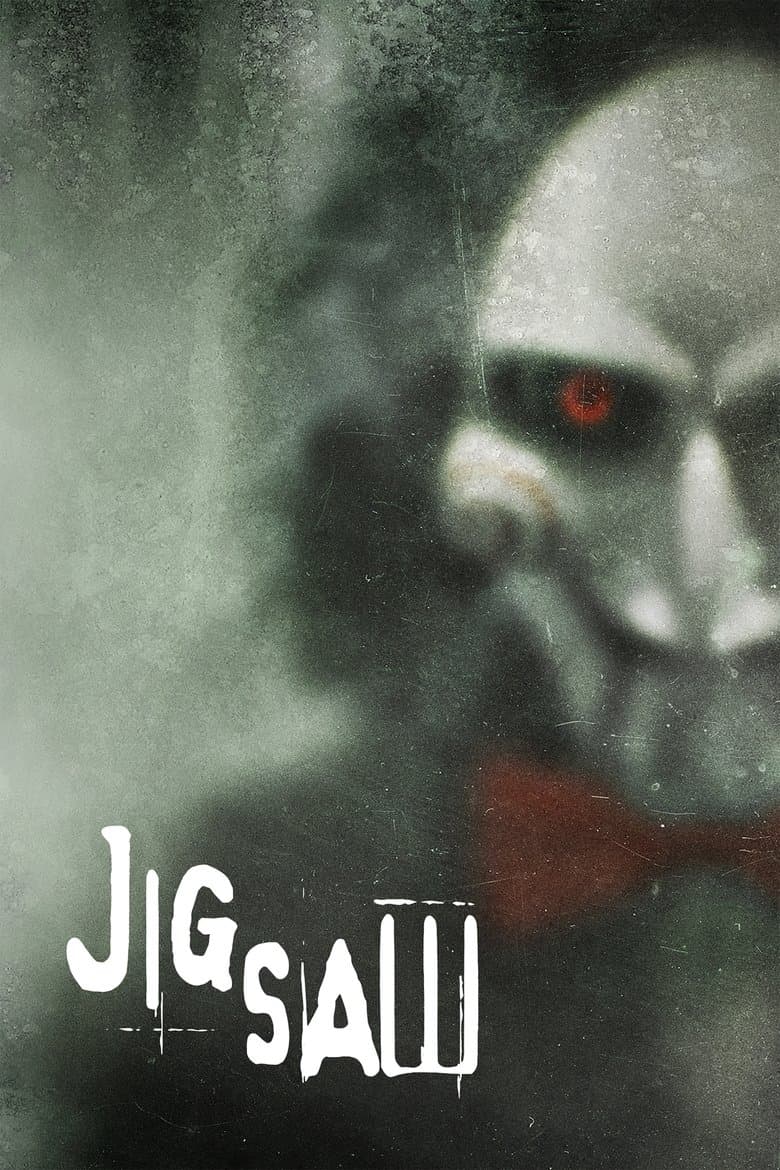
Movie · 2017
Law enforcement finds itself chasing the ghost of a man dead for over a decade, embroiled in a diabolical new game that's only just begun.
