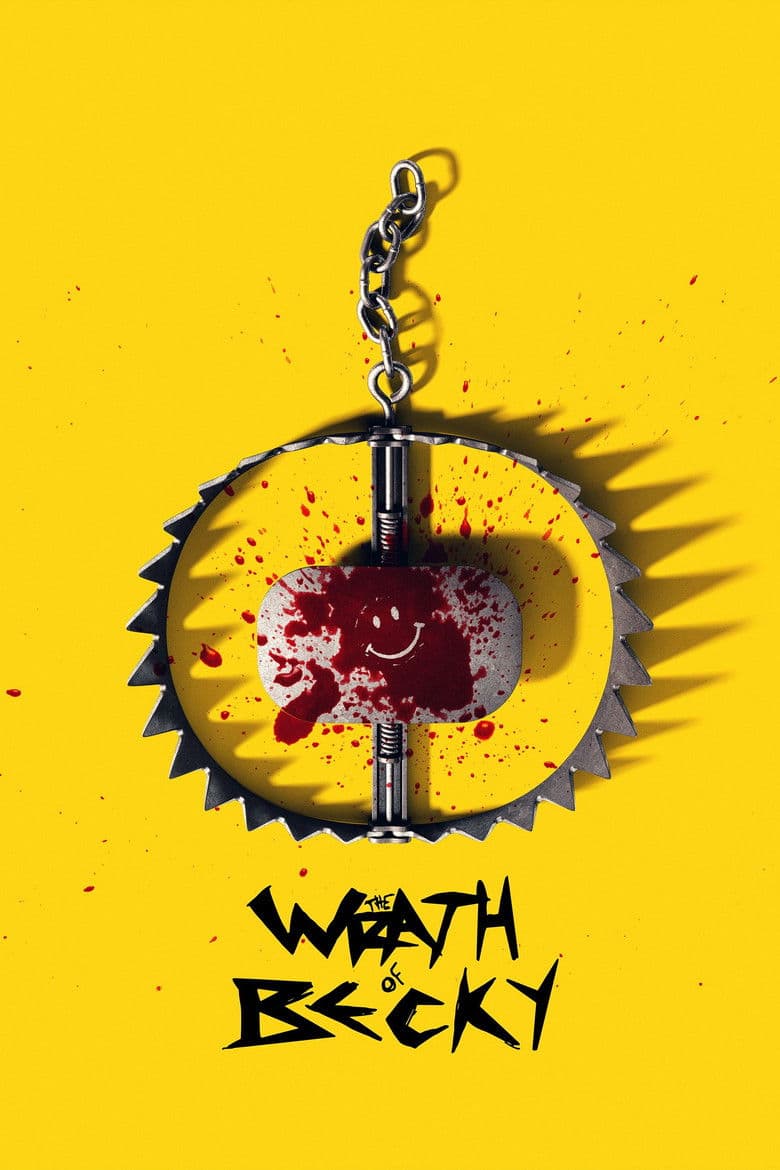
Becky is a sixteen-year-old runaway who has spent two years training to survive after a violent attack killed her father. She lives quietly with Elena, an older woman, and her dog Diego in a small American town. A group called the Noble Men kills Elena and takes Diego while preparing an armed attack on a senator. Becky follows them to their remote base and turns their weapons and traps against them in a bloody revenge fight.
The film makes its political side clear by presenting the Noble Men as racist, anti-government extremists who act like a Proud Boys-style militia. Their plan to attack a town hall turns the revenge story into a warning about right-wing violence and attempts to overthrow government. Becky is the main fighter, and she repeatedly humiliates violent men who think a teenage girl is weak. Elena, a black older woman, and a female CIA agent also hold important caring and authority roles, but the movie treats these choices as part of the action story rather than a lesson about representation.
Community feedback
Was our 58% Woke rating accurate?
Breakdown
These are the editorial factors and ratings behind our score for The Wrath of Becky.
Woke representation / casting
Becky is a teenage girl who is the film's main fighter, and she defeats every major male threat. Elena is a black older woman who gives Becky a home, while a female CIA agent recruits Becky and a woman is revealed as the group's hidden leader. The film does not frame these choices as a diversity campaign, and Becky's training gives a story reason for her skill.
26%
Woke political dialogue
The Noble Men discuss a planned armed uprising against a liberal female senator. Their scenes use racist and misogynist speech, patriotic slogans, Nazi images, and references to online far-right spaces such as 4chan and Parler. The film makes these men stand for current right-wing extremism, although much of the movie remains action, gore, and dark comedy.
56%
Identity-driven story themes
The story centers on a teenage girl fighting men who insult women, kill her older guardian, and treat her as weak. The Noble Men join racism, male dominance, and violent politics into one enemy group. The film celebrates Becky's revenge and ends with a CIA agent offering her a role. The revenge plot and dark humor share space with this message, so the identity-driven themes are important but not the whole movie.
55%
Western institutional / cultural critique
The Noble Men build their identity around male dominance, insults toward women, and macho violence. The film makes their culture look foolish and cruel while a teenage girl outsmarts and destroys them. The story treats their plan to attack the government as a threat, but it does not present the CIA or other Western institutions as corrupt. The criticism stays focused on one extremist group rather than society as a whole.
42%
Woke character or canon changes
Not relevant. The film continues its own original character in a sequel. It does not make an identity-driven change to a famous character, real person, or established source world.
0%
Anti-woke backlash and complaints
A few small or anonymous X accounts called the film left-wing propaganda, a woke or feminist fantasy, or a story that celebrates killing white male patriots. Some posts said the movie brands America First supporters as Nazis and turns the January 6 comparison into a political message. The posts had almost no likes, and no boycott, large right-wing amplifier, or organized review-bomb drive appeared.
12%
Creator track record context
Cached records describe Matt Angel, Suzanne Coote, and the other listed writers as having no widely documented activist or DEI public profile. Producers J.D. Lifshitz and Raphael Margules have a stronger record of backing films about groups often left out and anti-fascist or feminist themes. Other listed producers have low or narrow scores, so the wider crew record gives support but not a strong activist pattern.
24%
Production

Movie · 2019
After barely surviving a furious shootout with the police, Baby Firefly, Otis Driftwood and Captain Spaulding are behind bars. But pure evil cannot be contained.
Movie · 2016
Set in a near future, technology-reliant society that pits man against killing machines. Against this backdrop an elite army unit is helicoptered to a remote, off-the-grid island…
Movie · 2020
Rachel is a divorced single mother whose bad day gets even worse. She's running late to drop her son off at school when she honks her horn impatiently at a fellow driver during…

Movie · 2020
A soldier and his team battle hordes of post-apocalyptic zombies in the wastelands of the Korean Peninsula.

Movie · 2021
When his car breaks down, a quiet loner agrees to clean an abandoned family fun center in exchange for repairs.
Movie · 2022
An LA vampire hunter has a week to come up with the cash to pay for his kid's tuition and braces. Trying to make a living these days just might kill him.

Movie · 2024
In a world where no one speaks, a devout female hunts down a young woman who has escaped her imprisonment. Recaptured by its ruthless leaders, Azrael is due to be sacrificed to…
Movie · 2023
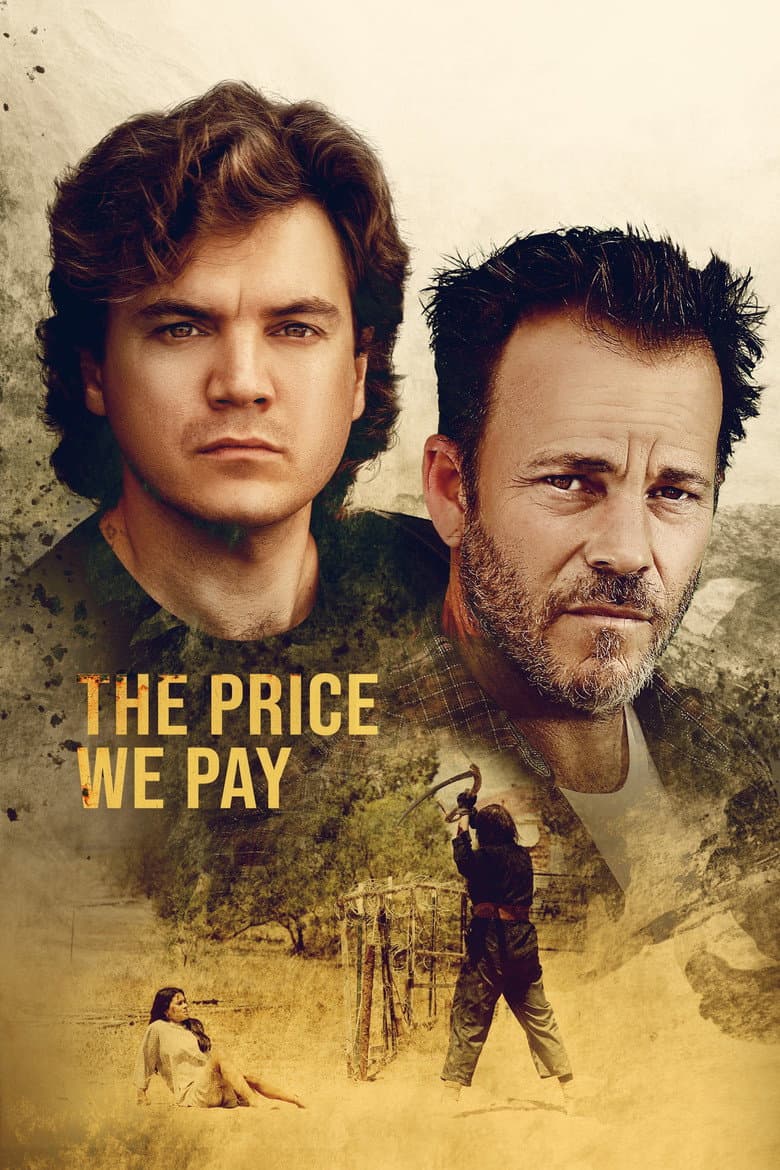
After a pawn shop robbery goes askew, two criminals take refuge at a remote farmhouse to try to let the heat die down, but find something much more menacing.
