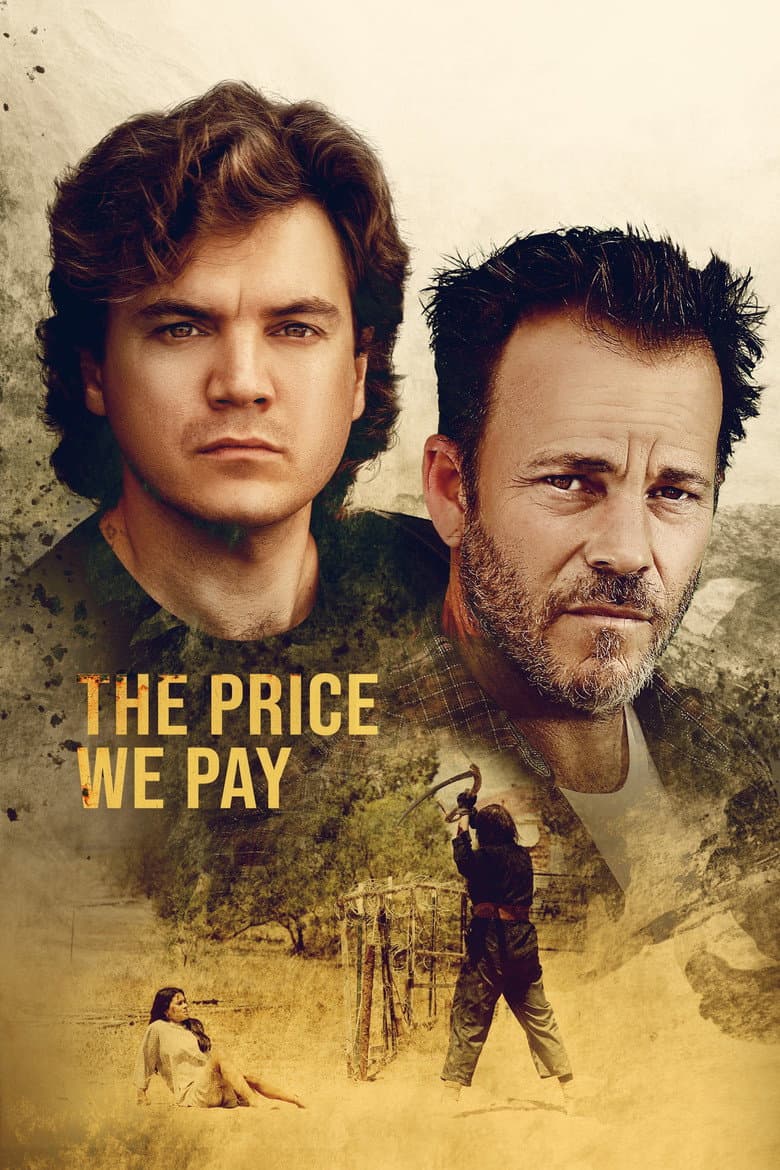
Movie review
January 13, 2023 · 85 min · R · Horror · Crime · Mystery · Action · Thriller
Grace goes to a New Mexico pawn shop because she is behind on a debt and needs money. Three armed robbers storm the shop, take her hostage, and use her car after one robber is badly hurt and their driver runs away. The group reaches a lonely farmhouse run by a quiet teenager and his grandfather, then finds a secret room filled with victims and medical tools. The film shifts from a rough crime story into harsh survival horror with revenge, torture, and very graphic bloodshed.
Grace is the film's main survivor, and she changes from a frightened hostage into an active fighter. Danny helps her after the criminals and the farmhouse family both turn against them. The doctor believes that harming criminals can pay for his family's past suffering, so the story links violence to guilt and revenge. Its main ideas are survival, punishment, family violence, and the cost of harmful choices.
Community feedback
Was our 2% Woke rating accurate?
Breakdown
These are the editorial factors and ratings behind our score for The Price We Pay.
Woke representation / casting
Not present. Grace is a Latina woman in a present-day New Mexico crime story, and the film does not make her ethnicity a message. The other main roles are mostly white men, with no repeated identity pattern in the main cast.
0%
Woke political dialogue
Not present. The dialogue deals with robbery, threats, organ sales, guilt, and revenge. It has no modern identity, DEI, or activist message.
0%
Identity-driven story themes
Not present. Grace survives a hostage crisis and becomes more active in the escape. The film treats that as a survival arc, while its main themes are crime, punishment, revenge, and gore.
0%
Western institutional / cultural critique
Not present. The doctor talks about organ shortages and says criminals can help more deserving people. The film presents this as a killer's twisted reason for murder, not as a critique of Western institutions, family life, or social norms.
0%
Woke character or canon changes
Not relevant. The film is an original crime horror story. It does not change an established character, source, or real historical figure.
0%
Anti-woke backlash and complaints
Not present. The supplied X pass found no anti-woke reaction. Other discussion centers on gore, weak writing, and genre style, with no reported complaint that the film pushes woke, DEI, or identity politics.
0%
Creator track record context
Kitamura has a low cached score and is mainly known for action and horror. Jolley has no clear activist or DEI record. Most producers also have low cached scores and practical genre careers. Shelley Stolaroff Segal has a higher cached score because of work about race and disability, but no title-related identity message is reported. That context gives a small supporting signal, not a main theme of this film.
12%
Production
Movie · 2023
Vice detective Bob Hightower finds his ex-wife murdered and daughter kidnapped by a cult. Frustrated by the botched official investigations, he quits the force and infiltrates the…
Movie · 2020
Kyle and Swin live by the orders of an Arkansas-based drug kingpin named Frog, whom they've never met. But when a deal goes horribly wrong, the consequences are deadly.

Movie · 2025
Newly released from prison and marked for death by unrelenting enemies, Nate must now protect his estranged 9-year-old daughter, Polly, at all costs.

Movie · 2017
Quan is a humble London businessman whose long-buried past erupts in a revenge-fueled vendetta when the only person left for him to love – his teenage daughter – dies in an Irish…
Movie · 2020
A family vacation takes a terrifying turn when parents Paul and Wendy discover their young daughter has vanished without a trace.
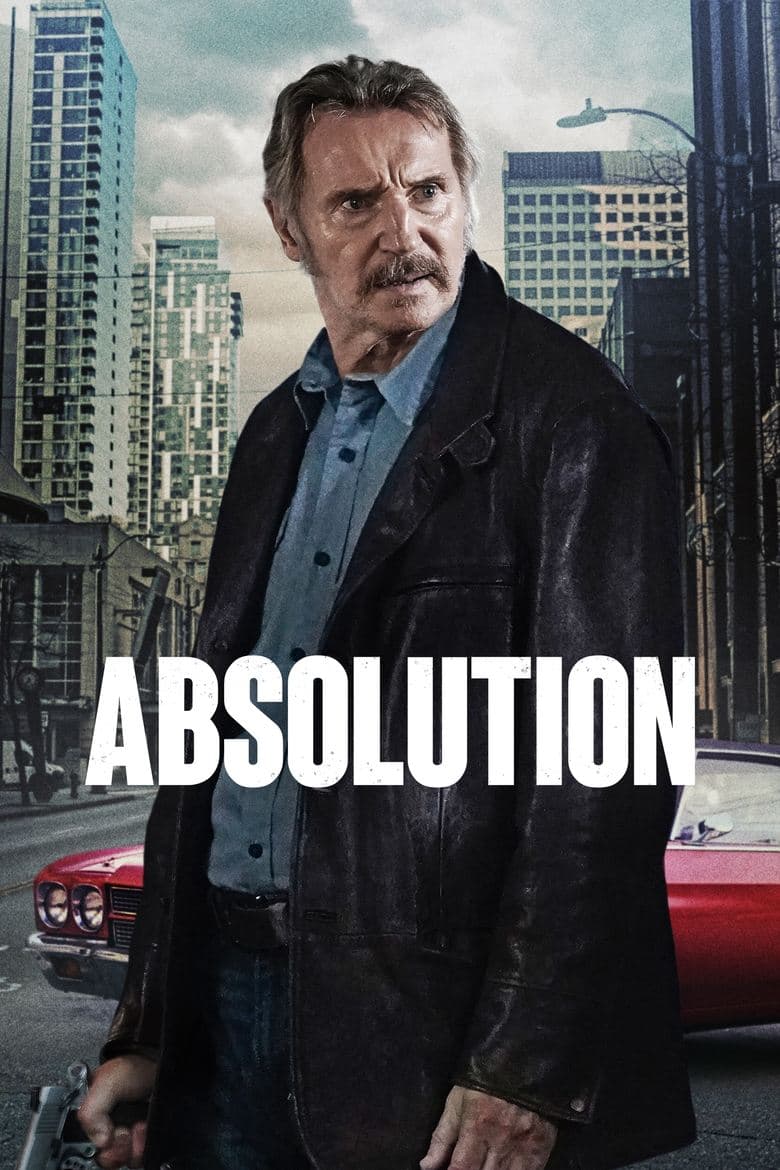
Movie · 2024
An aging ex-boxer gangster working as muscle for a Boston crime boss receives an upsetting diagnosis. Despite a faltering memory, he attempts to rectify the sins of his past and…
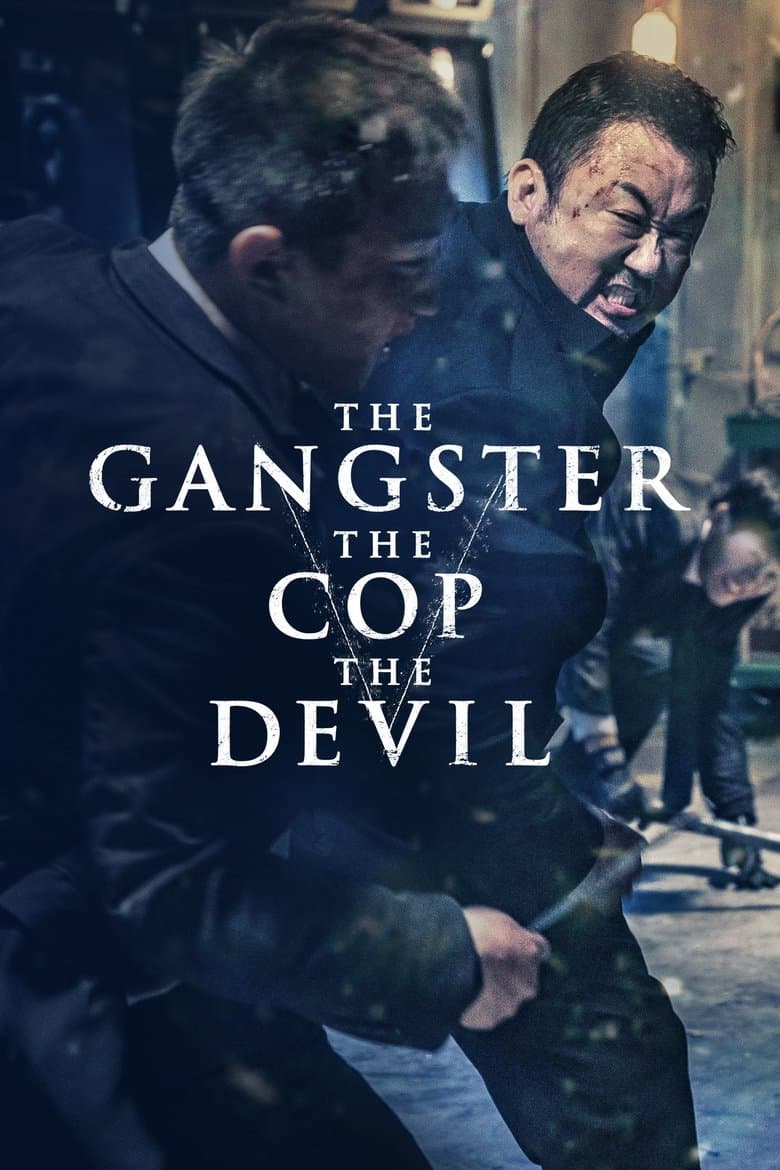
Movie · 2019
After barely surviving a brutal attack by a sadistic serial killer, crime boss Jang Dong-su is left humiliated.
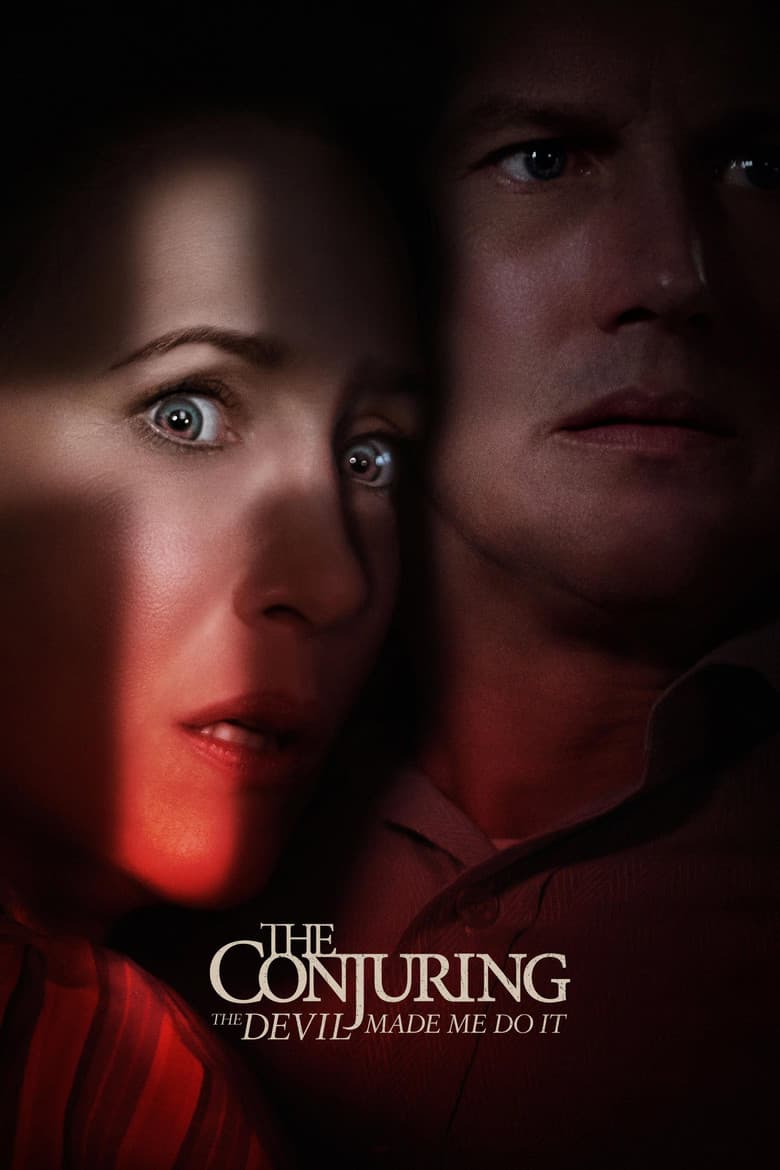
Movie · 2021
Paranormal investigators Ed and Lorraine Warren encounter what would become one of the most sensational cases from their files.
