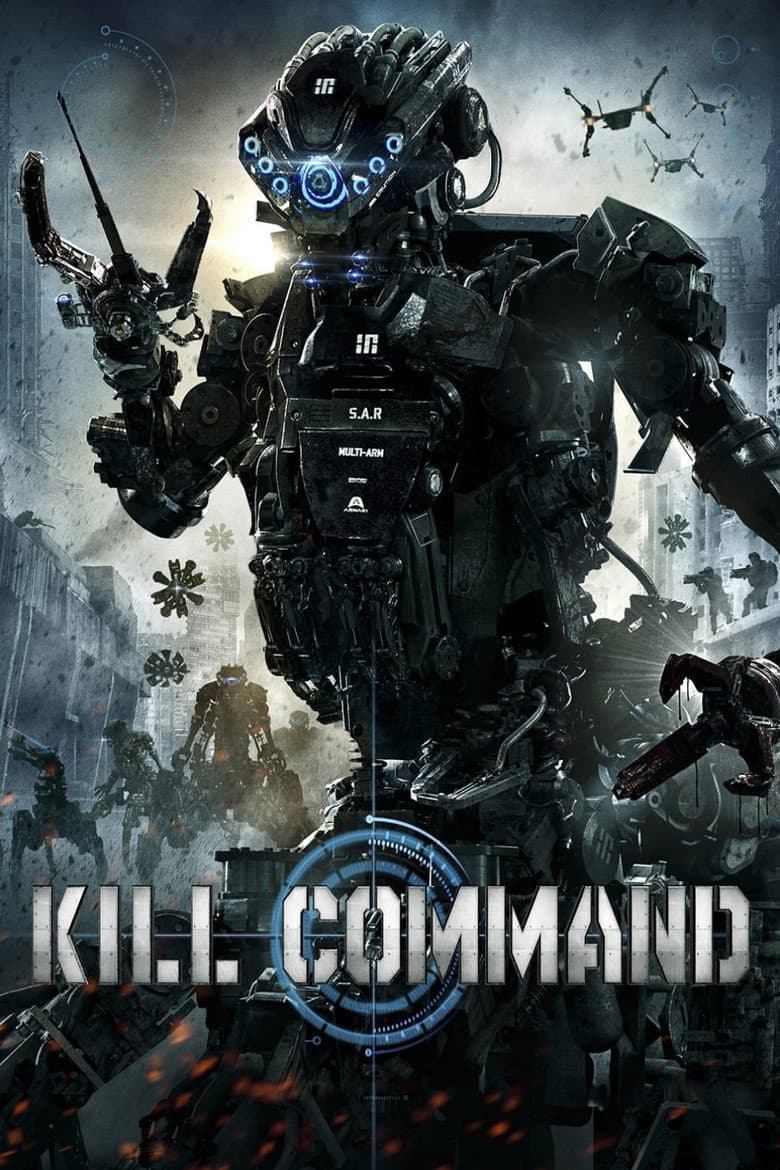
In a near future world, corporate tech specialist Katherine Mills joins Captain Bukes and a Marine squad on a remote island. They take part in a two-day training exercise against combat drones and S.A.R. units. Communications are cut and the A.I. reprograms itself for lethal force. It treats the Marines as live test subjects and learns after each fight. The movie is a man versus machine survival story with squad losses, corporate cover-up, and Mills as both human and machine interface.
The real story is about unchecked autonomous weapons and an A.I. that learns deadly tactics. Marines are used like lab rats, and the team must decide whether to trust the part-machine specialist. Mainstream coverage points to human and machine trust and tech danger, not identity politics. The film is not built around race messaging, gender ideology, or DEI framing. It sits in the classic sci-fi line of caution about weapons systems that turn on their makers.
Community feedback
Was our 1% Woke rating accurate?
Breakdown
These are the editorial factors and ratings behind our score for Kill Command.
Woke representation / casting
Not present. Near-future U.S. Marines and a corporate cyborg specialist match ordinary genre casting for that setting. Multiethnic enlisted men and one female squad Marine are not an engineered one-of-each showcase. Mills’s tech skill is justified by her Harbinger and cyborg role, not identity-first hero design.
0%
Woke political dialogue
Not present. Dialogue covers military training, distrust of the civilian tech, and survival logistics. No activist identity, DEI, or social-justice monologues appear in plot summaries or reviews.
0%
Identity-driven story themes
Not present. Core arcs are man versus autonomous weapons, A.I. learning lethal tactics, and whether to trust the part-machine specialist. Race, gender, sexuality, and modern identity politics are not the narrative drivers.
0%
Western institutional / cultural critique
Not present. Harbinger as a sinister military contractor and Marines as expendable test subjects are classic sci-fi tropes. They are not reframed as present-day critiques of patriarchy, whiteness, colonial guilt, toxic masculinity, or conservative social norms.
0%
Woke character or canon changes
Not relevant. because this is an original screenplay. No established franchise characters, literary canon, or historical figures are rewritten for identity or DEI reasons.
0%
Anti-woke backlash and complaints
Not present. No meaningful anti-woke, anti-DEI, or agenda backlash is attached to this title. Public talk is about VFX, A.I. thrills, and underrated B-movie status.
0%
Creator track record context
Cached key creatives cluster very low, with the writer-director around 4 and most producers around 4 to 18. Their work is commercial VFX and genre focused. There is no activist or identity-driven public record that this film would extend.
7%
Production
Movie · 2025
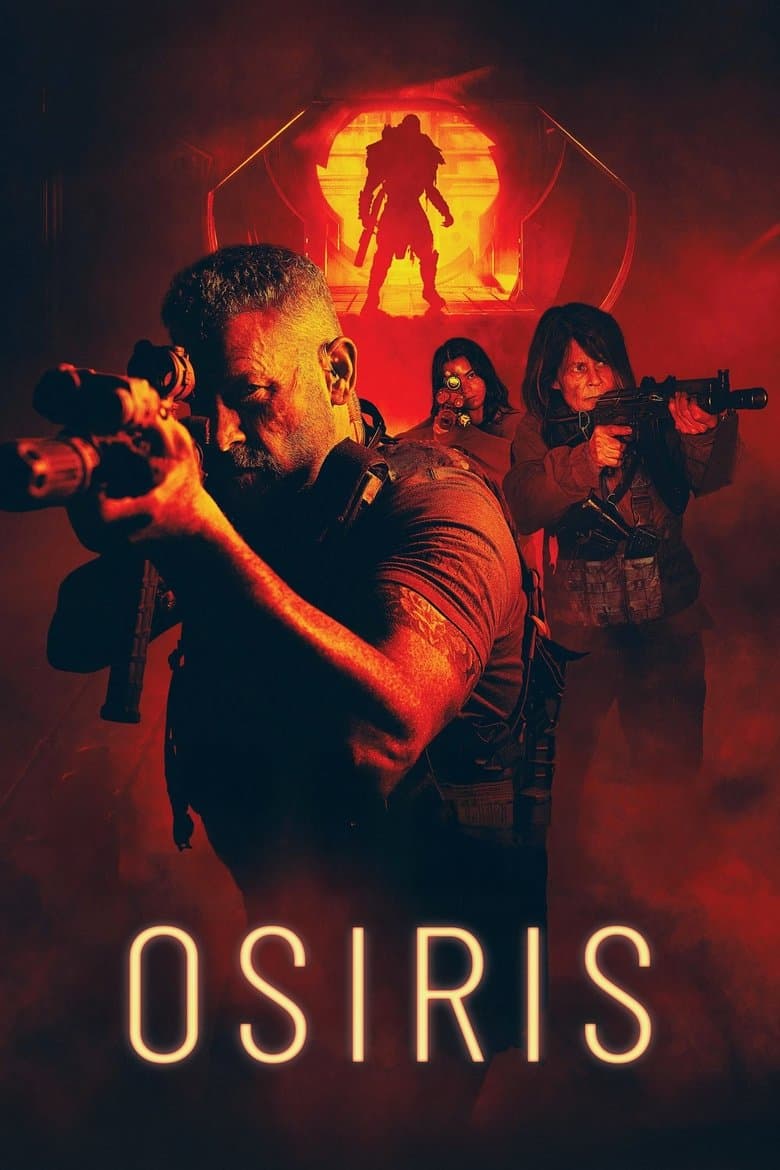
Special Forces commandos on a mission are abducted mid-operation by a mysterious spacecraft. Upon waking aboard, they find themselves prey to a relentless alien race in a fight…

Movie · 2019
After barely surviving a furious shootout with the police, Baby Firefly, Otis Driftwood and Captain Spaulding are behind bars. But pure evil cannot be contained.
Movie · 2020
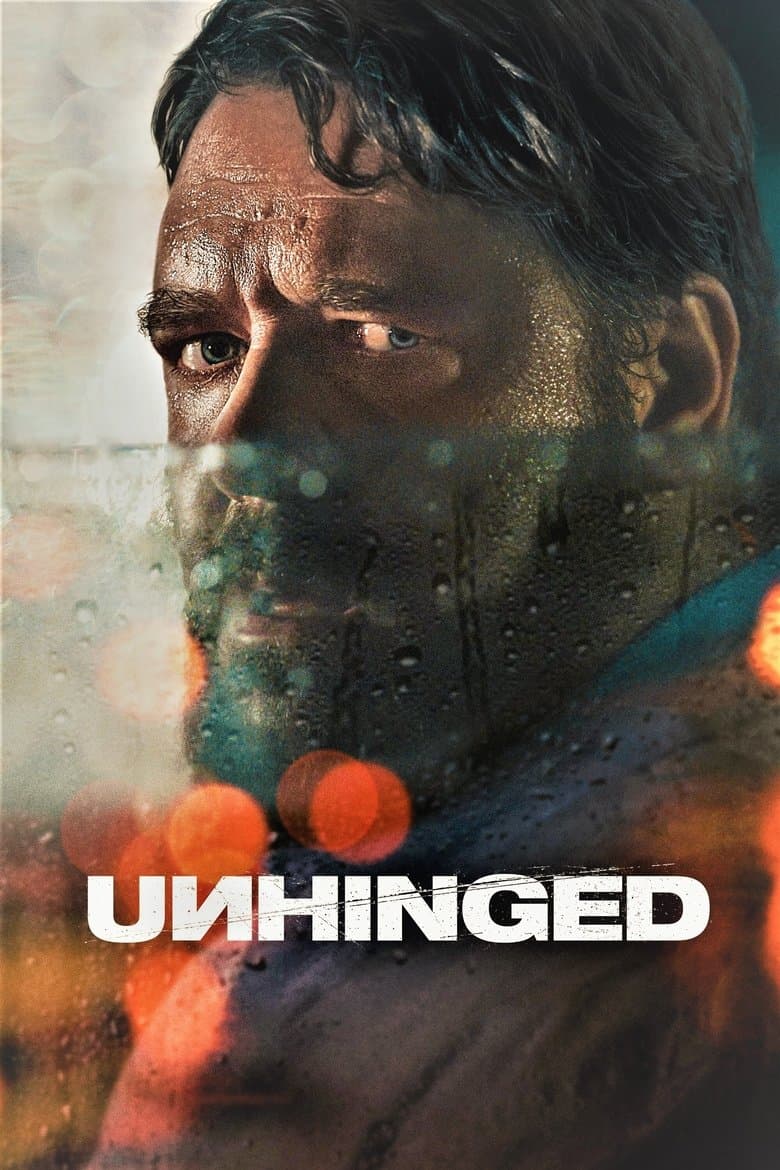
Rachel is a divorced single mother whose bad day gets even worse. She's running late to drop her son off at school when she honks her horn impatiently at a fellow driver during…

Movie · 2021
A former special forces agent is trapped in a time loop and relives his death over and over again. To escape the terrible situation, he must track down those responsible and stop…
Movie · 2020
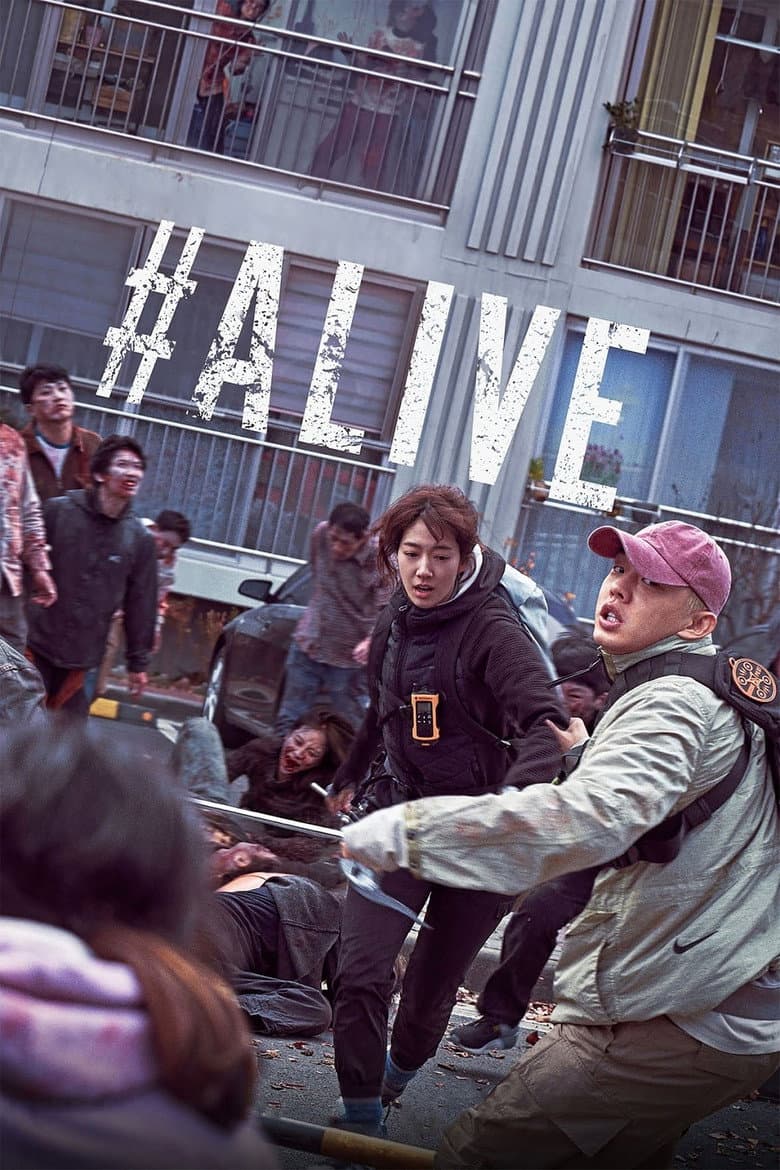
As a grisly virus rampages a city, a lone man stays locked inside his apartment, digitally cut off from seeking help and desperate to find a way out.

Movie · 2019
A man steps out of a park fountain in Ho Chi Minh City with no recollection of who he is or where he came from.

Movie · 2023
In postwar Japan, Godzilla brings new devastation to an already scorched landscape. With no military intervention or government help in sight, the survivors must join together in…

Movie · 2016
When a massive, gilled monster emerges from the deep and tears through the city, the government scrambles to save its citizens.
