
Peninsula follows Jung-seok, a former soldier who returns to South Korea four years after a zombie outbreak. A crime boss sends him and a small team into ruined Incheon to recover a truck full of cash before sunrise. A rogue military unit captures one of his partners and forces prisoners to fight zombies for sport. Jung-seok joins Min-jung and her two daughters as they battle the militia, the undead, and his own guilt in a bleak but fast action movie.
The clearest social themes involve refugees, outsiders, and the loss of trust after a disaster. Jung-seok lives as a rejected Korean refugee in Hong Kong, while the ruined peninsula treats trapped survivors as prey. The film also gives major action roles to Min-jung, Jooni, and Yu-jin, with Jooni shown as a top driver and fighter. These ideas matter to the mission, but the movie centers on family loyalty, sacrifice, hope, and survival rather than speeches about modern politics or identity.
Community feedback
Was our 27% Woke rating accurate?
Breakdown
These are the editorial factors and ratings behind our score for Peninsula.
Woke representation / casting
Peninsula uses a Korean cast in a Korean setting, so the main casting fits the story world. The film gives major action jobs to Min-jung, her teenage daughter Jooni, and her younger daughter Yu-jin. Jooni is shown as a top driver and fighter, while Jung-seok remains the strongest adult fighter. This creates a noticeable female-action pattern, but it is not a diversity-first cast or a public representation campaign.
18%
Woke political dialogue
Not present. The dialogue focuses on escape, family, money, and survival. The characters do not give modern identity, DEI, gender politics, or activist speeches.
0%
Identity-driven story themes
The story treats refugees and outsiders as people who are feared and shut out. Jung-seok lives as a Korean refugee in Hong Kong, and the film shows strangers treating him as dangerous. Unit 631 turns trapped survivors into prey, while Min-jung's family protects people who need help. These ideas return during the mission, but the movie mainly uses them to support a family survival story.
34%
Western institutional / cultural critique
Not present. The film shows a collapsed government and a rogue Korean militia, but it does not attack Western institutions or current Western culture. The abuse grows from the zombie disaster and the struggle to survive.
0%
Woke character or canon changes
Not relevant. Peninsula adds new characters to the Train to Busan universe. It does not change an established character's race, gender, sexuality, or hero role.
0%
Anti-woke backlash and complaints
Not present. Online complaints focus on weak CGI, thin characters, and the film's difference from Train to Busan. The separate X check found no anti-woke or DEI complaint.
0%
Creator track record context
Yeon Sang-ho often uses horror to show class gaps, broken institutions, social exclusion, and abuse of power. Peninsula matches that pattern through refugees, a cruel militia, and people losing their humanity. The writer and producers have no strong public record of activist or representation-first work. The director adds mild social-critique context, but the film remains mainly a commercial zombie action movie.
27%
Production

Movie · 2021
When his car breaks down, a quiet loner agrees to clean an abandoned family fun center in exchange for repairs.

Movie · 2018
Framed and on the run, a former FBI agent must save his family from a blazing fire in the world's tallest building.

Movie · 2018
Captain Glass of the USS Arkansas discovers that a coup d'état is taking place in Russia, so he and his crew join an elite group working on the ground to prevent a war.
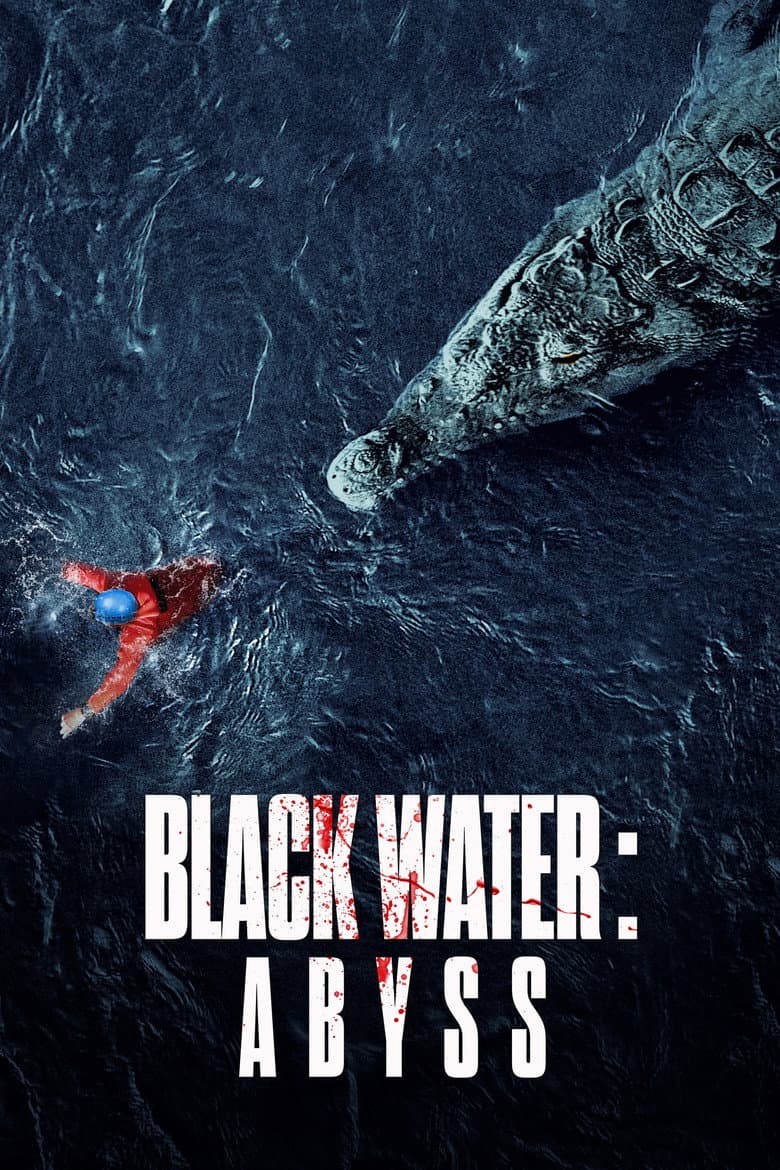
Movie · 2020
An adventure-loving couple convince their friends to explore a remote, uncharted cave system in the forests of Northern Australia.

Movie · 2016
A man who bears a striking resemblance to a renowned movie star becomes an obsessive fan, but when his fierce love is spurned by the star, he decides to destroy the star's life…

Movie · 2016
The most dangerous former operative of the CIA is drawn out of hiding to uncover hidden truths about his past.

Movie · 2024
A former DEA agent and a former undercover operative revisit their romance during a fateful weekend in Taipei, unaware of the dangerous consequences of their past.

Movie · 2019
A battle for power ensues as warring gangters thrive to gain possession of a "black box" that can make them richer than they already are, and an undercover cop intervenes with the…
