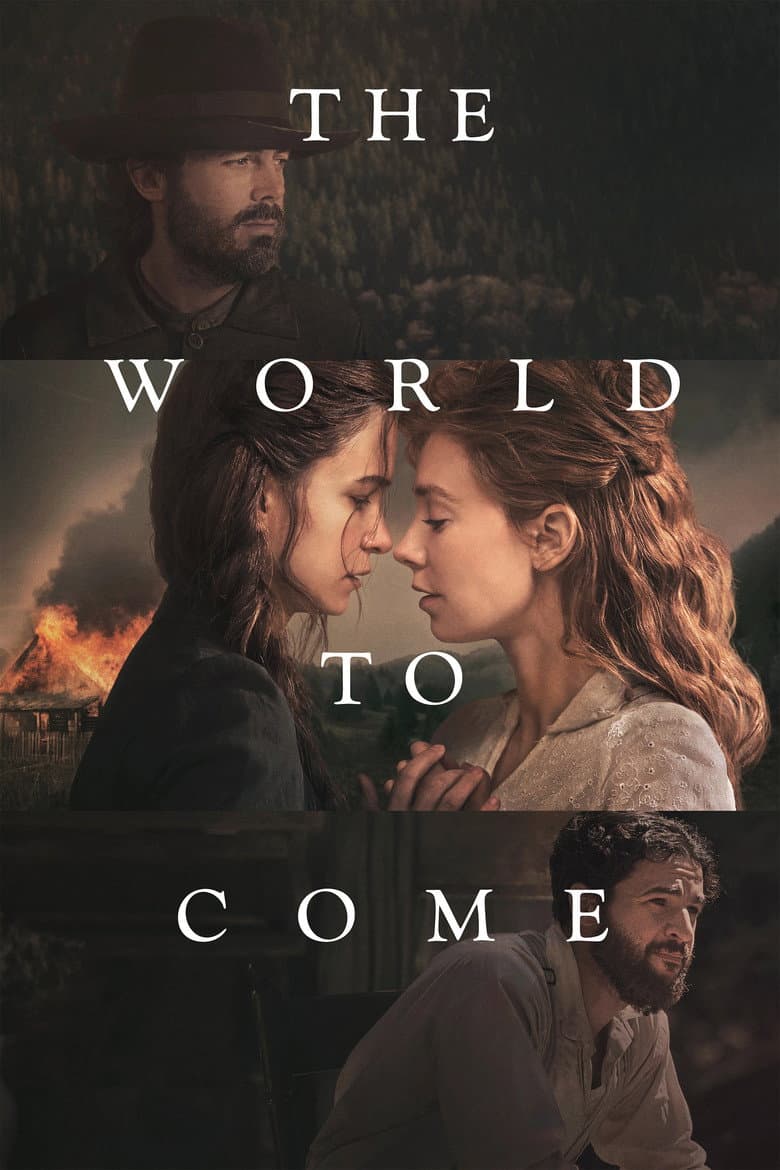
In 1856, Abigail lives on a hard farm in upstate New York with her husband, Dyer. She is still grieving the death of their young daughter, and daily work leaves her lonely and shut down. When Tallie moves to a nearby farm with her husband, Finney, Abigail finds a warm friend who understands her pain. Their friendship grows into a secret love while winter, distance, marriage, and Finney's jealousy close in around them. The film has a slow, quiet, and sad tone, with Abigail's diary thoughts guiding the story.
The movie makes the love between two women its main story rather than a small side plot. Abigail and Tallie share talks, poetry, learning, desire, and a wish to escape the narrow lives expected of wives. Their husbands represent two forms of marriage pressure, since Dyer is distant while Finney is controlling and violent. Abigail's voice-over questions why women must serve men, why girls are married so young, and why a husband claims power over a wife's body. The romance brings the women joy, but the story ends in loss and leaves Abigail trapped between memory and duty.
Community feedback
Was our 72% Woke rating accurate?
Breakdown
These are the editorial factors and ratings behind our score for The World to Come.
Woke representation / casting
Not present. The main cast is white and fits the 1856 upstate New York setting. The two women are cast for the central same-sex romance, not as a wider diversity pattern.
0%
Woke political dialogue
Abigail questions why wives are treated as farm tools and why girls are married so young. Abigail also says that women can have minds and goals beyond household work. Tallie rejects Finney's demands about her wifely duties, and Finney answers with Bible lines about a husband's control. These gender-role arguments recur in the diary and marriage scenes, but the film does not use a modern political speech.
38%
Identity-driven story themes
Abigail and Tallie's love is the movie's central story. Their relationship grows from friendship into a same-sex romance and drives every major turn. The women find joy, learning, and a sense of freedom with each other while marriage and social rules press against them. The film treats their bond and their inner lives as more important than the farm plot or the men's point of view.
90%
Western institutional / cultural critique
The film repeatedly shows marriage and farm life as systems that make women serve men. Dyer expects Abigail to keep the home and help the farm, while Finney uses fear, sex demands, and Bible verses to control Tallie. Abigail's diary questions male authority, early marriage, and the idea that a wife belongs in a husband's ledger. This gives the story a clear critique of traditional gender roles, although the critique stays inside its 1856 setting rather than becoming a direct modern political attack.
39%
Woke character or canon changes
Not relevant. The film adapts Jim Shepard's short story, but it does not change a known character, canon, or real historical figure.
0%
Anti-woke backlash and complaints
Not present. The separate X pass found no anti-woke reaction. News, Reddit, and audience discussions mostly discuss the slow pace, tragic ending, and sex scenes, not DEI or identity politics.
0%
Creator track record context
Mona Fastvold has a stored score of 59 and a record of queer and feminist stories. Producers Christine Vachon, Pamela Koffler, and Margarethe Baillou also have stored scores from 57 to 73 and links to queer or representation-focused films. Writers Ron Hansen and Jim Shepard have much lower stored scores and mainly bring literary or historical interests. The wider producer group is mostly low or moderate, so the combined context is moderate to strong.
58%
Production

Movie · 2019
After learning that his terminally ill wife has six months to live, a man welcomes the support of his best friend who moves into their home to help out.

Movie · 2017
A brilliant but impulsive young surgeon spirals into self-destruction after a painful breakup, struggling to cope with love, loss, and the consequences of his own temper.
Movie · 2018
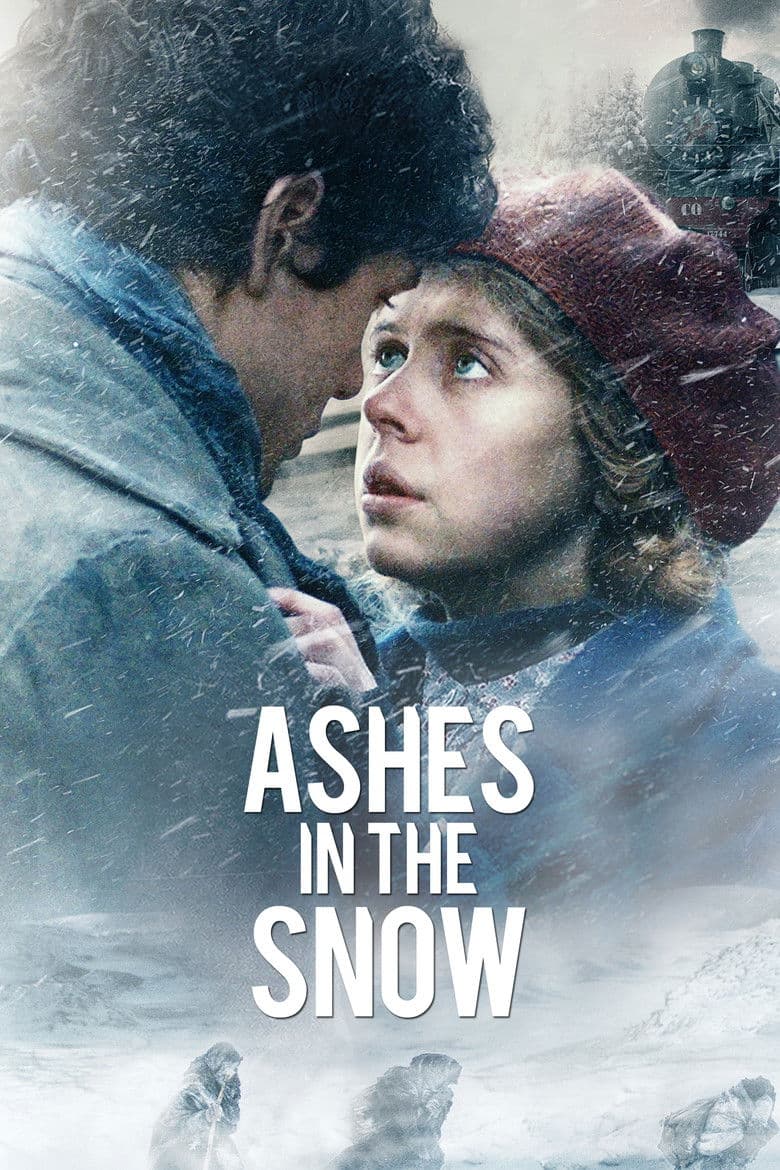
The coming-of-age tale of 16-year-old Lina Vilkas who is deported to Siberia amid Stalin's reign of terror in the Baltic region during WWII.

Movie · 2017
In 1950s London, a renowned dressmaker's meticulous lifestyle begins drastically changing as his relationship with his young muse intensifies.

Movie · 2024
Remi and Barnes, two very different teenagers, meet by chance in the winter of their senior year, then spend four days together over the course of a year that will change their…
Movie · 2025
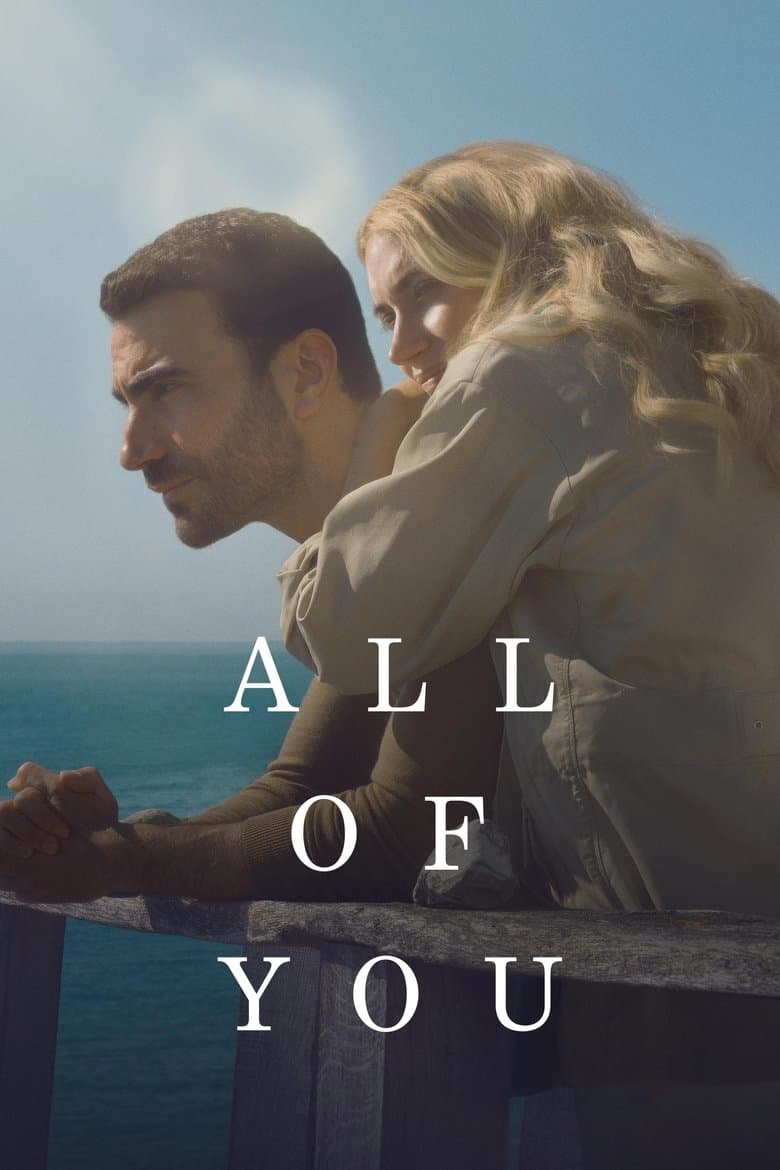
Laura and Simon have been best friends since college. Over the years, they've realized their bond is more than platonic.
Movie · 2021
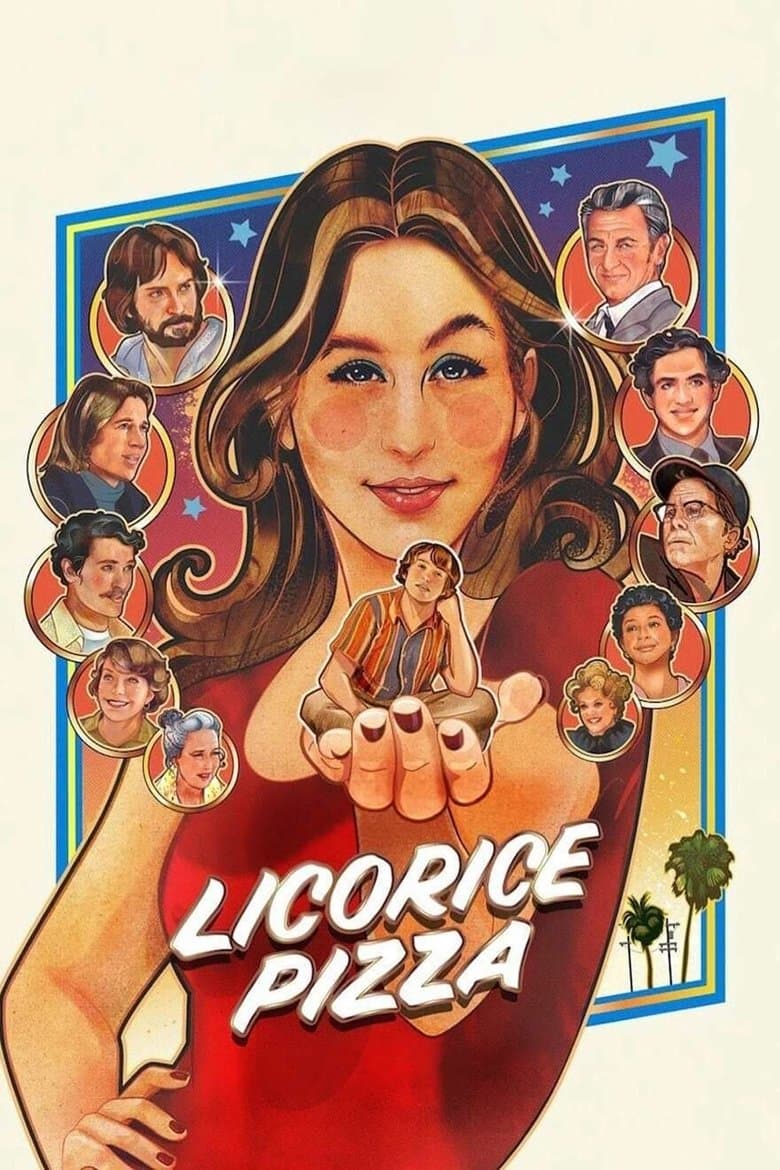
The story of Gary Valentine and Alana Kane growing up, running around and going through the treacherous navigation of first love in the San Fernando Valley, 1973.
Movie · 2019
England, early 20th century. The future writer and philologist John Ronald Reuel Tolkien (1892-1973) and three of his schoolmates create a strong bond between them as they share…
