
Afterlife of the Party follows Cassie, a lively event planner who dies after a fight with her best friend, Lisa. Cassie wakes in a waiting place between heaven and hell, where an angel gives her five days to repair three broken relationships. She must help Lisa, her grieving father, and her distant mother before she can enter the Above. The movie mixes bright party comedy with sad scenes about death, guilt, family wounds, and saying goodbye.
The clearest woke element is a small feminist message in Lisa’s work story. A mentor tells Lisa that women were taught to be modest and should be proud of their achievements, and Lisa learns to trust her skill as an archaeologist. The film also places two women at the center and uses a visibly mixed cast, but it does not make diversity a stated goal or turn the story into identity politics. Its main message remains that people should forgive, repair friendships, face family pain, and value real relationships over partying and social media.
Community feedback
Was our 19% Woke rating accurate?
Breakdown
These are the editorial factors and ratings behind our score for Afterlife of the Party.
Woke representation / casting
Not present. The film has a mixed cast in a present-day setting, but it does not frame the casting as a diversity statement. The women and the black female angel serve ordinary story roles without a clear identity-first message.
0%
Woke political dialogue
A mentor tells Lisa that women were taught to be modest and should be proud of their work. The line gives the career subplot a clear feminist message. The film has no wider political debate or repeated activist speeches.
16%
Identity-driven story themes
Lisa’s career story gives a small empowerment message. She doubts her skill, then learns to trust her work and take a chance on a dig. The film gives much more space to friendship, grief, family repair, and forgiveness. The identity message matters to Lisa’s growth but does not drive the whole film.
20%
Western institutional / cultural critique
The film briefly treats female modesty as an old social rule that holds women back. Lisa’s mentor urges her to claim credit for her work. The movie does not attack men, family life, Christianity, capitalism, or Western institutions. This critique stays inside a small career subplot.
12%
Woke character or canon changes
Not relevant. The film is an original fantasy story and does not change an established character, source, or historical event.
0%
Anti-woke backlash and complaints
Not present. The X research pass found no anti-woke complaints, boycott, or review-bombing tied to the film. Broader searches found reviews about tone, grief, and acting rather than DEI or identity politics.
0%
Creator track record context
The writer has supported broader stories across gender, race, and sexual orientation. One producer has worked on shows centered on a queer black woman and a black woman’s life. The director and most other producers have little public activist focus. The film itself does not make those subjects its main story.
15%
Production

Movie · 2024
Four tales unfold in Wes Anderson's anthology of short films adapted from Roald Dahl's beloved stories, "The Wonderful Story of Henry Sugar", "The Swan", "The Rat Catcher", and…

Movie · 2017
A continuation of the documentary spoof of what Thor and his roommate Darryl were up to during the events of "Captain America: Civil War".
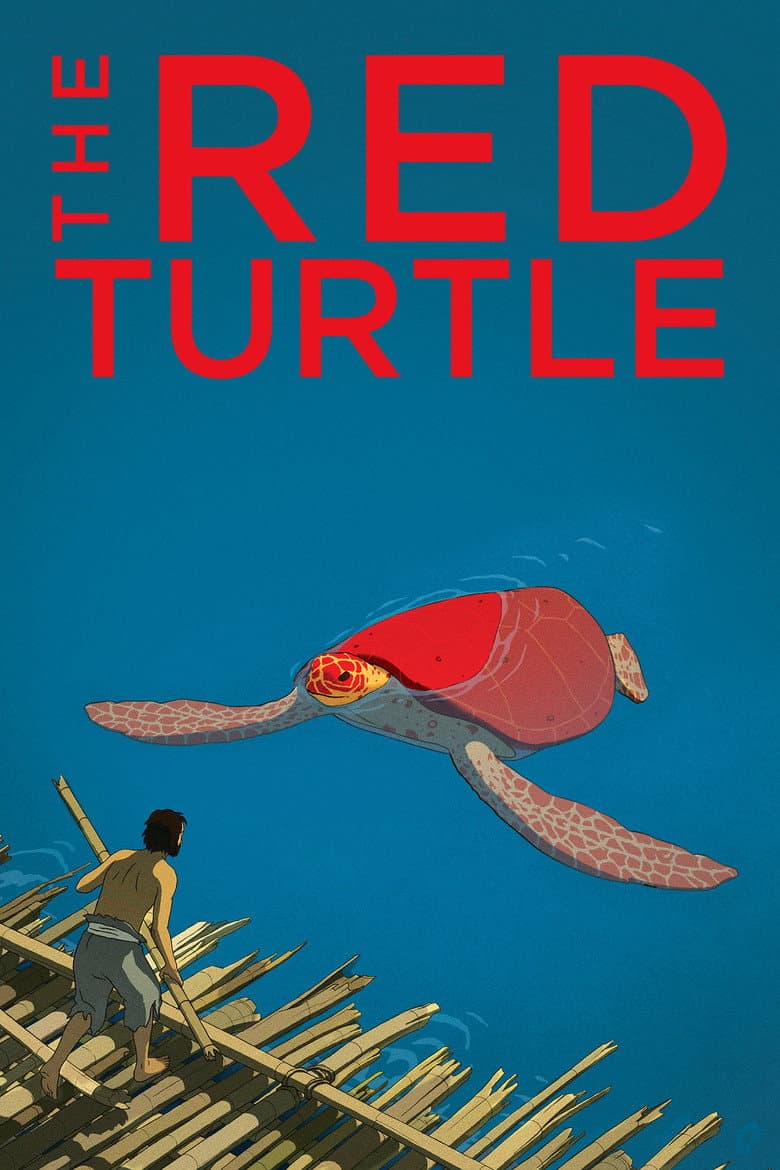
Movie · 2016
The dialogue-less film follows the major life stages of a castaway on a deserted tropical island populated by turtles, crabs and birds.

Movie · 2017
A dog goes on quest to discover his purpose in life over the course of several lifetimes with multiple owners.

Movie · 2018
Siblings Kate and Teddy try to prove Santa Claus is real, but when they accidentally cause his sleigh to crash, they have to save Christmas.
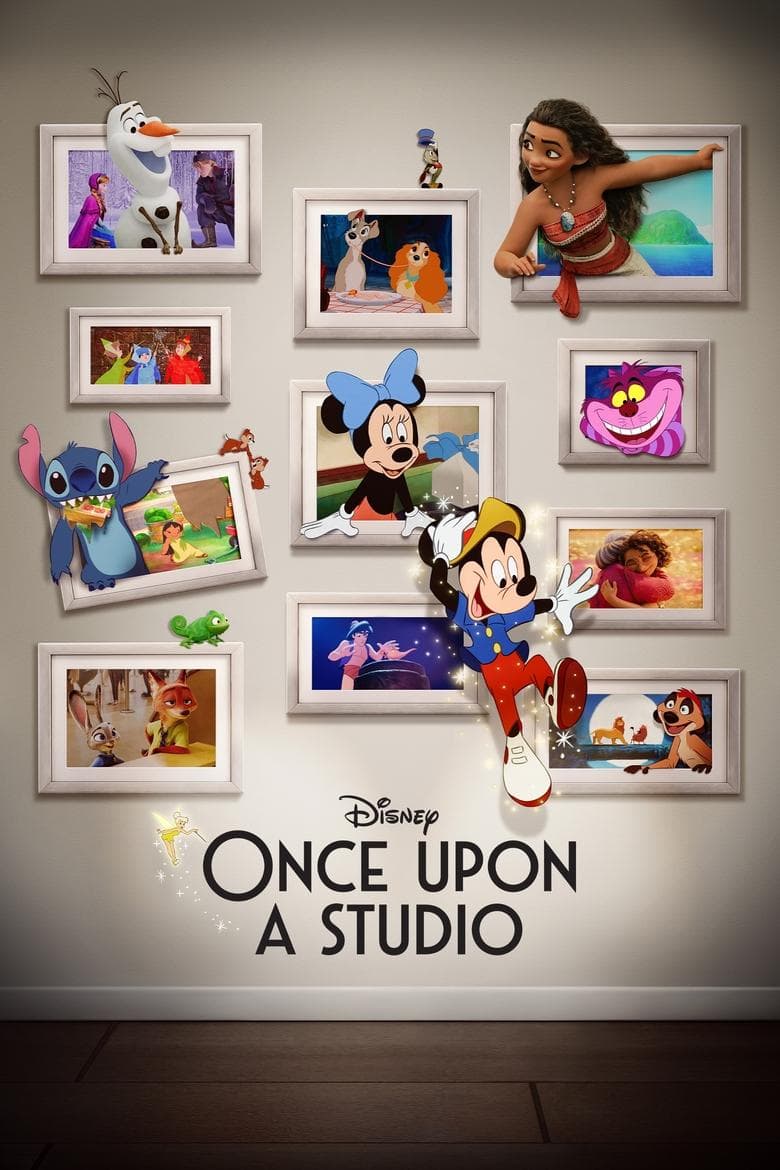
Movie · 2023
Created for Disney's 100th anniversary, the short features Mickey Mouse corralling a gallery of legendary Disney characters for a group photo.
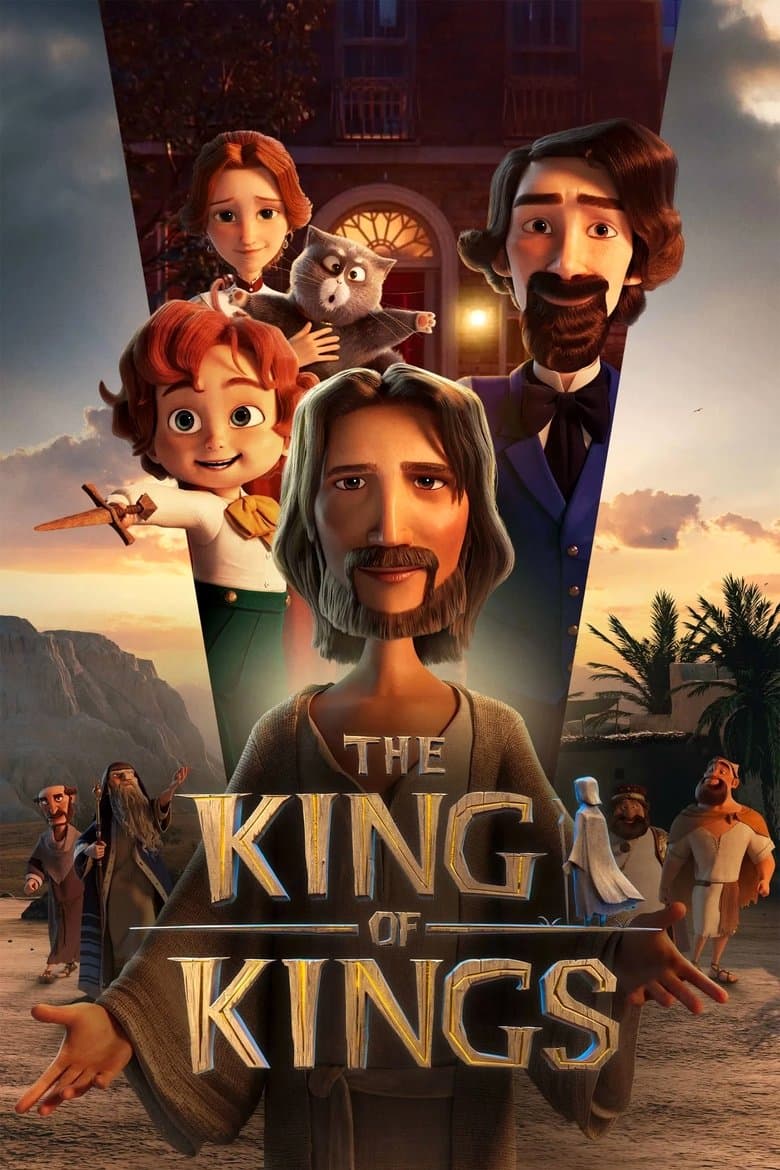
Movie · 2025
Charles Dickens tells his young son Walter the greatest story ever told, and what begins as a bedtime tale becomes a life-changing journey.
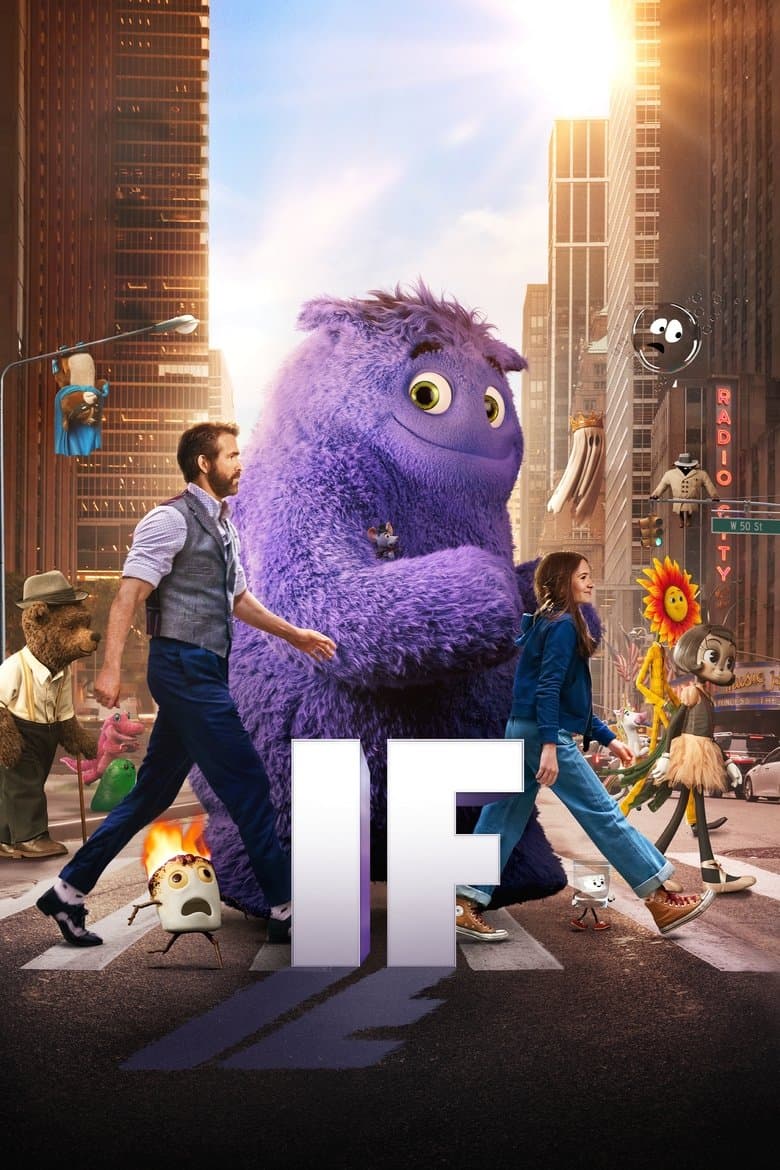
Movie · 2024
After discovering she can see everyone's imaginary friends, a girl embarks on a magical adventure to reconnect forgotten imaginary friends with their kids.
