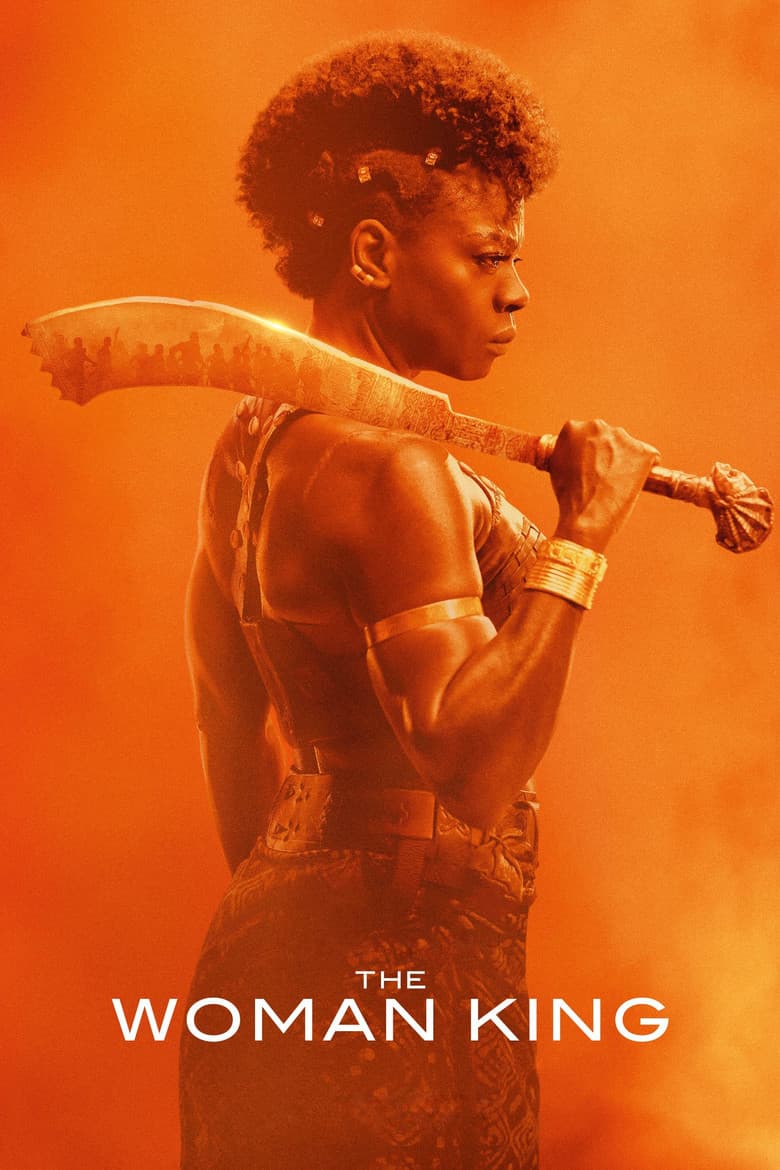
General Nanisca leads the Agojie, an all-woman warrior army in the West African kingdom of Dahomey in the 1820s. She trains new fighters, including a stubborn young recruit named Nawi, while the kingdom faces raids, rival empires, and European slave traders. The movie mixes big battle scenes with personal pain, mother-daughter secrets, and a fight to keep their people free. The tone is serious, emotional, and epic, like a warrior drama built around sisterhood and strength.
A normal viewer would clearly notice heavy girl-power and black women–as-heroes themes from the first scenes. The story puts skilled women warriors above male soldiers, attacks forced marriage and men who treat women as property, and makes Nanisca the moral voice who wants to leave the slave trade and sell palm oil instead. Creators and marketing sold the film as proof that black women can lead a big Hollywood epic. Historians and many online critics say the movie softens real Dahomey history, where the kingdom grew rich by capturing and selling people into slavery, and turns those figures into freedom-focused heroes. That rewrite, plus strong feminism and race-and-gender representation framing, is hard to miss.
Community feedback
Was our 91% Woke rating accurate?
Breakdown
These are the editorial factors and ratings behind our score for The Woman King.
Woke representation / casting
Almost every lead is a dark-skinned black woman warrior or leader. That matches an African Agojie story, so it is not a race swap of a white source. Still, casting and marketing push identity hard: a black women power showcase, refusal of lighter-skinned star pressure, and “see ourselves as kings” framing. Viewers notice representation as the point of the cast.
58%
Woke political dialogue
Nanisca openly argues that selling people is wrong and pushes palm oil trade instead. Nawi’s story attacks forced marriage and husbands who beat wives. Lines and scenes push clear moral lessons on slavery and women’s freedom. Not constant modern slogans, but the messaging is plain and repeated.
48%
Identity-driven story themes
Core story is sisterhood, girl power, black women as elite fighters, escape from male control, and a moral fight against slavery framed through women heroes. The whole arc is built so female strength and identity feel central. A normal viewer cannot miss the empowerment theme.
76%
Western institutional / cultural critique
Portuguese slave traders are clear villains; European demand for slaves drives part of the conflict. The film also blames African rivals and shows African kingdoms in the trade. Stronger on patriarchy (forced marriage, rape, women as property) than on modern attacks on churches, capitalism, or Western life as a system. Noticeable colonial-era guilt framing, not a full modern lecture.
52%
Woke character or canon changes
Real Dahomey grew rich capturing and selling people; King Ghezo resisted ending the trade. The film turns Nanisca into a guilt-driven anti-slavery hero and moves the kingdom toward a freer, palm-oil path so the heroes feel clean. That is a big identity-driven rewrite of real history for a feminist freedom story, not a small plot trim.
80%
Anti-woke backlash and complaints
Strong wave of right-leaning and anti-woke attacks: “propaganda,” “historical lies,” whitewashing African slavery, feminist rewrite, and boycott talk. Covered in conservative media, social posts, and video essays. Separate left or “not accurate enough / glorifies slavers” anger existed but is not scored here. Backlash was real and widespread, not fringe only.
70%
Creator track record context
Key names score high in the cache: Viola Davis (82), Gina Prince-Bythewood (66), Maria Bello (58), Dana Stevens (48), Julius Tennon (52). Their past work and public framing center black women, inclusion, and gender empowerment. That matches how this film was pitched and told.
72%
Production
Movie · 2021
Haunted by his mysterious past, a devoted high school football coach leads a scrawny team of orphans to the state championship during the Great Depression and inspires a broken…
Movie · 2019
American car designer Carroll Shelby and the British-born driver Ken Miles work together to battle corporate interference, the laws of physics, and their own personal demons to…
Movie · 2022
Harry Haft is a boxer who fought fellow prisoners in the concentration camps to survive. Haunted by the memories and his guilt, he attempts to use high-profile fights against…
Movie · 2023
Denmark, 1755. Captain Ludvig Kahlen sets out to conquer a Danish heath reputed to be uncultivable, with an impossible goal: to establish a colony in the name of the king, in…
Movie · 2023
After dominating the boxing world, Adonis Creed has thrived in his career and family life. When a childhood friend and former boxing prodigy, Damian Anderson, resurfaces after…
Movie · 2017
In the near future, Major is the first of her kind: a human saved from a terrible crash, then cyber-enhanced to be a perfect soldier devoted to stopping the world's most dangerous…
Movie · 2024
In the near future, a group of war journalists attempt to survive while reporting the truth as the United States stands on the brink of civil war.
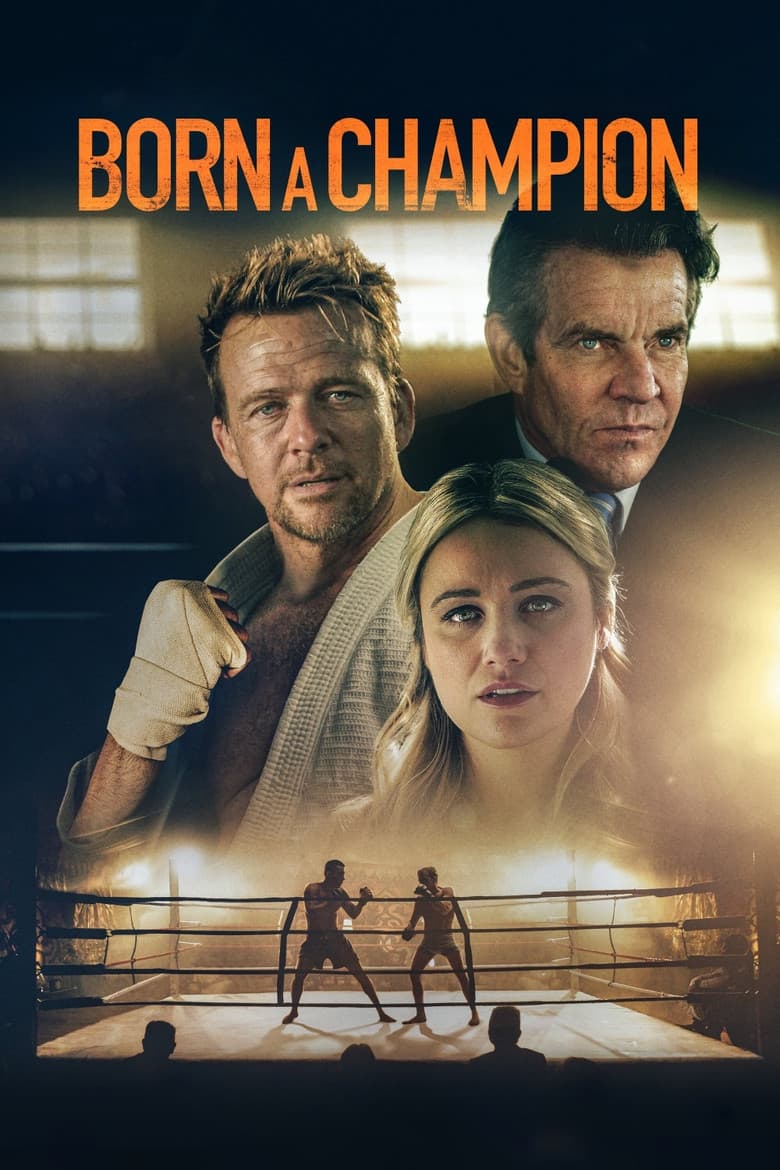
Movie · 2021
After a blood- soaked jujitsu match in Dubai, fighting legend Mickey Kelley falls to superstar Blaine. But years later, an online video proves that Blaine cheated, and the world…
