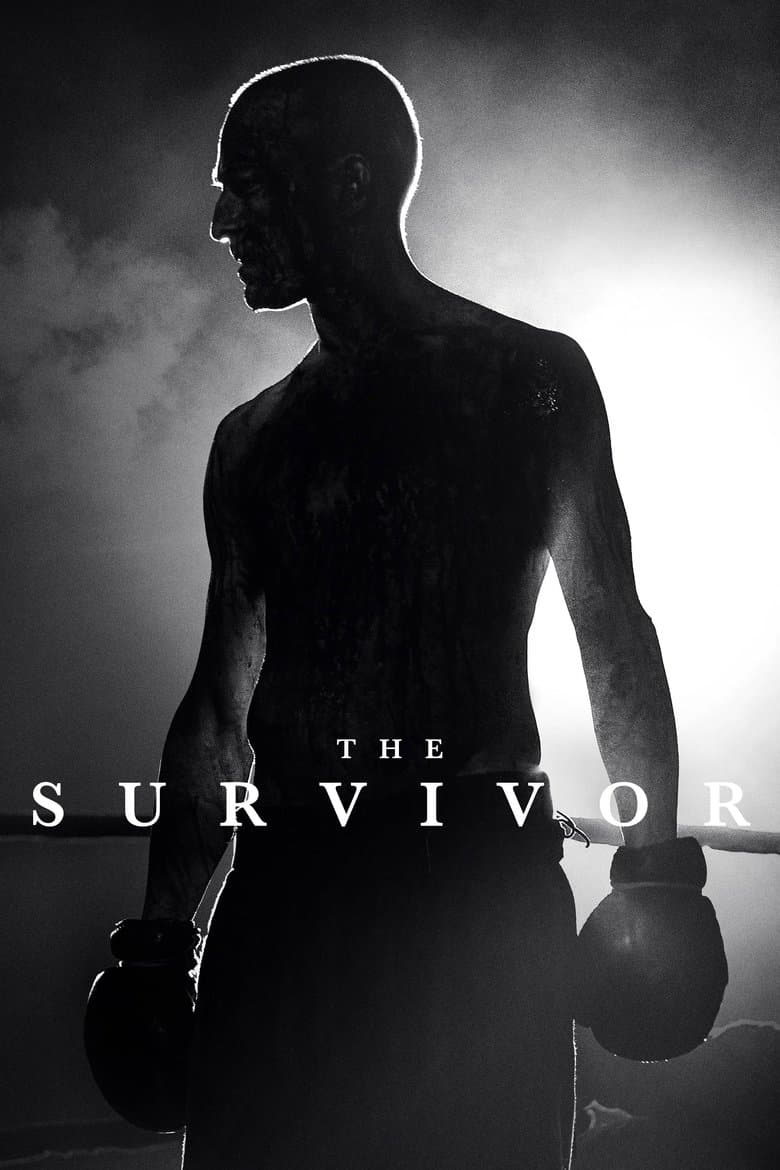
Harry Haft is a Polish Jewish man sent to Auschwitz in World War II. A cruel Nazi officer forces him to box other prisoners so the guards can watch. After the war he boxes in America, still haunted by guilt and flashbacks. He fights big names like Rocky Marciano hoping his name will help him find the woman he loved before the camps. The tone is dark, heavy, and personal, more about trauma and survival than sports glory.
The film is a true-story drama about Holocaust survival, forced fights, shame, lost love, and learning to live again. Viewers mainly see camp horror, boxing, and a damaged man trying to build a family. There is no modern activist lecture about race quotas, gender power, or queer identity. Jewish history and Nazi evil drive the plot as real history, not as a present-day identity campaign. A normal viewer would notice pain, guilt, and resilience far more than any woke messaging.
Community feedback
Was our 6% Woke rating accurate?
Breakdown
These are the editorial factors and ratings behind our score for The Survivor.
Woke representation / casting
Period true story of a Polish Jewish boxer. Lead and main roles match history and the 1940s–60s world. Supporting fight-world roles (coach, black boxer) fit real boxing demographics of the time. No race or gender swaps of known figures for identity signaling.
0%
Woke political dialogue
Talk is about survival, guilt, fights, love, and Nazi cruelty. An SS officer’s cold “empire” lines fit a Nazi villain, not modern activist speech. A short synagogue talk about faith after the camps is personal trauma, not a social-justice lecture.
0%
Identity-driven story themes
Core themes are Holocaust survival, forced boxing, shame, PTSD, and finding a way to live and love again. Jewish persecution is historical fact here, not modern race/gender/queer identity politics or DEI messaging. A normal viewer sees a survivor drama, not an activist tract.
5%
Western institutional / cultural critique
Nazi evil and camp abuse are shown as history. The film does not attack modern Western life, traditional family, or Christianity as the main problem. Harry’s doubt in God after suffering is trauma, not an anti-faith campaign.
0%
Woke character or canon changes
Not relevant. It adapts a real man’s life and his son’s book. Ordinary biopic choices are not identity-driven rewrites of canon or real people for DEI aims.
0%
Anti-woke backlash and complaints
No notable right-leaning or anti-woke complaints that the film pushes woke, DEI, or identity politics. Reception focused on acting, trauma, and the true story.
0%
Creator track record context
Lead director Levinson scores low (17) for power and politics satire, not identity activism. Main writers and many producers are near 0. A few producers have higher diversity-industry scores, but they do not make this title’s story feel like an activist product.
14%
Production
Movie · 2021
A widowed farmer and his son warily take in a mysterious, injured man with a satchel of cash. When a posse of men claiming to be the law come for the money, the farmer must decide…
Movie · 2023
The story of Tim Ballard, a former US government agent, who quits his job in order to devote his life to rescuing children from global sex traffickers.

Movie · 2019
Vietnam War, 1966. Australia and New Zealand send troops to support the United States and South Vietnamese in their fight against the communist North.
Movie · 2025
In the late 1990s, up-and-coming mixed martial artist Mark Kerr aspires to become the greatest fighter in the world.
Movie · 2017
Set in a dugout in Aisne in 1918, a group of British officers, led by the mentally disintegrating young officer Stanhope, variously await their fate.

Movie · 2020
A first-time captain leads a convoy of allied ships carrying thousands of soldiers across the treacherous waters of the "Black Pit" to the front lines of WWII.
Movie · 2019
American car designer Carroll Shelby and the British-born driver Ken Miles work together to battle corporate interference, the laws of physics, and their own personal demons to…
Movie · 2017
May, 1980. Man-seob is a taxi driver in Seoul who lives from hand to mouth, raising his young daughter alone.
