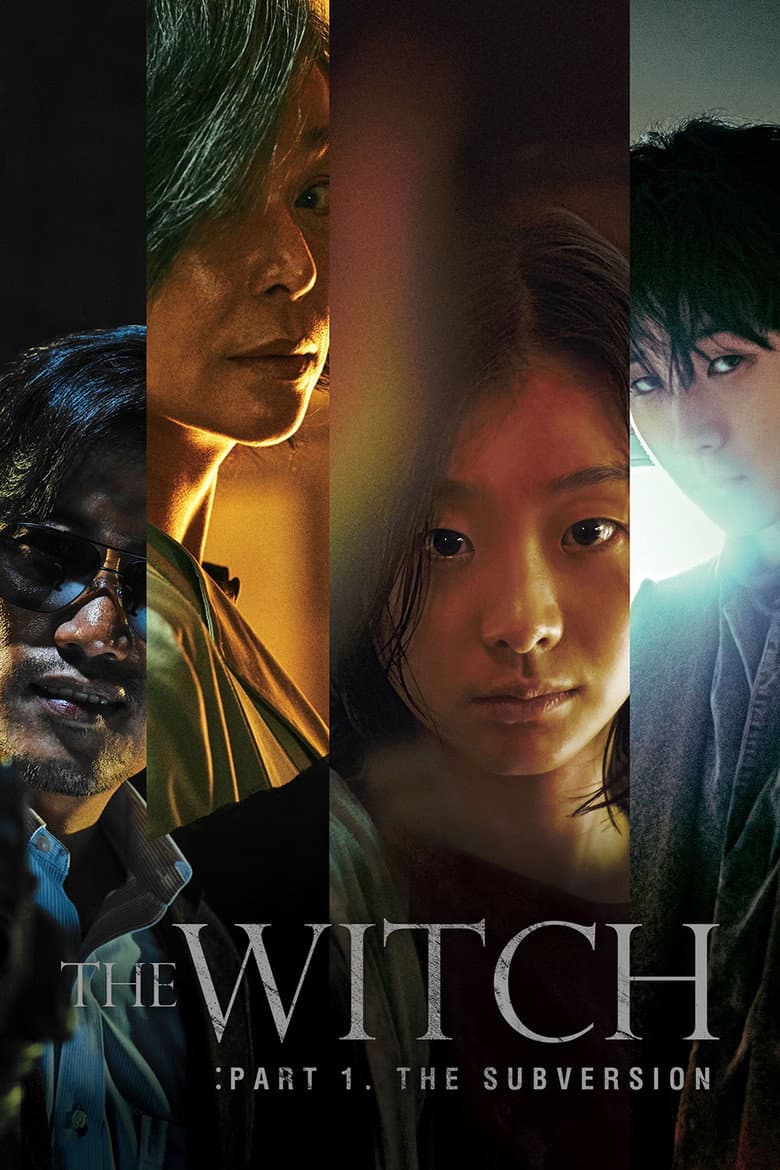
Ja-yoon is a quiet high school girl who lives with an older farming couple in the South Korean countryside. She escaped from a secret lab as a child, lost her memory, and grew up believing that she was ordinary. When her family needs money, she joins a televised singing contest and draws the attention of people from the lab. The film starts as a slow mystery and turns into a bloody science-fiction action thriller.
The story later shows that Ja-yoon was changed in the lab and that she has powerful mental and physical abilities. She is trying to survive, but she has also been hiding a plan of her own. She defeats several male hunters and takes control of the final fight, while Dr. Baek remains a powerful woman who helped run the experiments. The movie makes the rise of a young female superhuman its main action payoff, but it does not build that idea into a wider political or identity message.
Community feedback
Was our 36% Woke rating accurate?
Breakdown
These are the editorial factors and ratings behind our score for The Witch: Part 1. The Subversion.
Woke representation / casting
The film centers on two powerful Korean women, Ja-yoon and Dr. Baek. Ja-yoon is the top fighter, and Dr. Baek runs the lab, while male figures mainly pursue or fight Ja-yoon. The film is publicly presented as a female-centric superhero story, and the lead role is framed as unusually strong. The cast fits the South Korean setting and does not show a broad diversity pattern, so this remains a clear but limited gender signal.
34%
Woke political dialogue
Not present. The film has no lines that push modern identity, gender politics, DEI, or activism. Its dialogue explains the experiments, threats, and Ja-yoon’s hidden plan.
0%
Identity-driven story themes
Ja-yoon’s rise from a quiet schoolgirl to the strongest fighter is the film’s main action payoff. She outsmarts and defeats male hunters who expect to control her. Dr. Baek is also a powerful woman who leads the lab and drives the conflict. The film presents female power as a central twist, and its public framing stresses the reversal of expected female roles. The story uses science fiction and revenge instead of a wider activist program, but the female dominance remains central.
55%
Western institutional / cultural critique
Not present. The secret facility abuses children, but the film treats that as a science-fiction crime plot. It does not make a modern critique of Western culture, capitalism, patriarchy, Christianity, or male entitlement.
0%
Woke character or canon changes
Not relevant. The film is an original South Korean story. It does not change an established character, source story, or real historical event.
0%
Anti-woke backlash and complaints
Not present. The supplied X pass reports no volume and no specific complaints. Web coverage and audience posts focus on action, twists, and the female lead, with no clear complaint that the film pushes woke, DEI, or identity politics.
0%
Creator track record context
The only mild signal in the cached context is producer Huh Soo-young’s 11/100 score from her wider career. Park Hoon-jung and the other listed creators have cached scores of 0/100. Their work is mainly commercial Korean genre cinema, and the supplied profiles report no activist or DEI public persona. The film’s strong female lead adds title context, but it does not show a wider creator pattern of identity-driven work.
2%
Production

Movie · 2024
A listless Wade Wilson toils away in civilian life with his days as the morally flexible mercenary, Deadpool, behind him.

Movie · 2023
In postwar Japan, Godzilla brings new devastation to an already scorched landscape. With no military intervention or government help in sight, the survivors must join together in…

Movie · 2025
Special Forces commandos on a mission are abducted mid-operation by a mysterious spacecraft. Upon waking aboard, they find themselves prey to a relentless alien race in a fight…
Movie · 2022
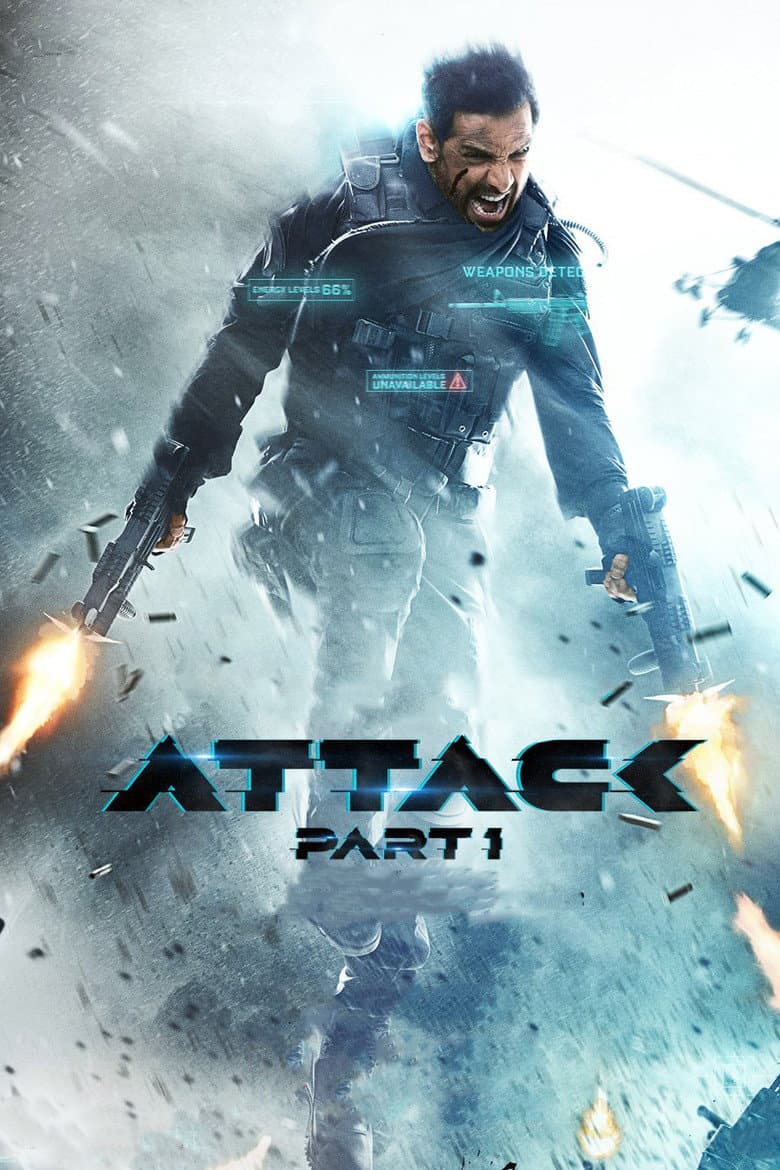
With the Parliament under siege, India’s first super soldier Arjun Shergill is tasked to get hold of the terrorists in time, save the Prime Minister from their clutches and stop a…
Movie · 2024
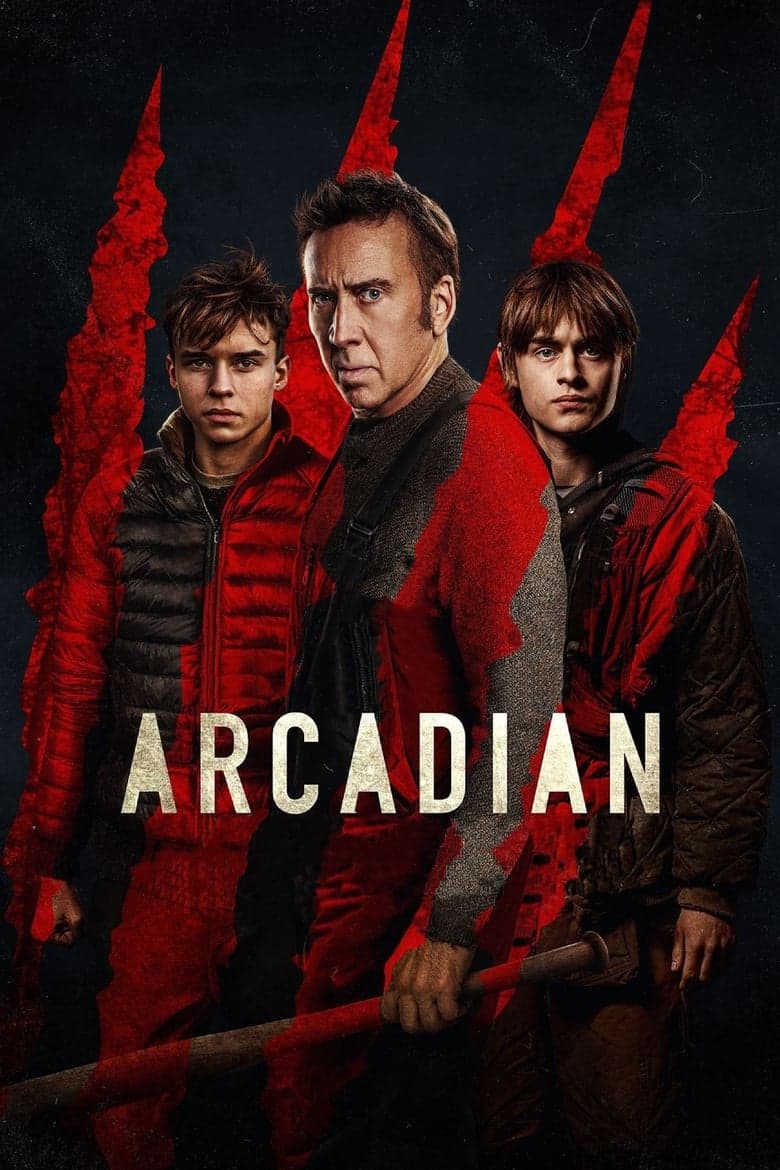
In the near future, on a decimated Earth, Paul and his twin sons face terror at night when ferocious creatures awaken.

Movie · 2025
Set against the backdrop of a postapocalyptic Earth whose Eastern Hemisphere was destroyed by a massive solar flare, leaving what life remains mutated from radiation and fallout.

Movie · 2024
Post-apocalyptic survivors find refuge in the Rocky Mountains to hide from giant, insect-like creatures that can't live above 8,000 feet.
Movie · 2022
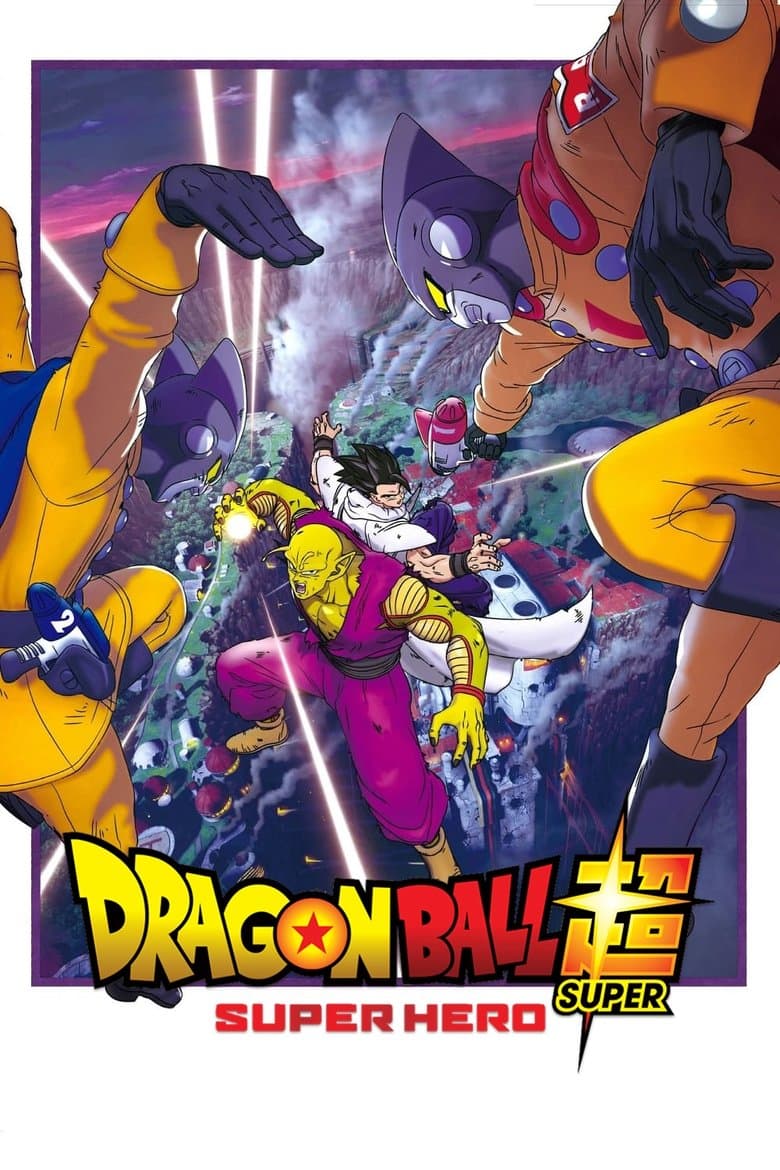
The Red Ribbon Army, an evil organization that was once destroyed by Goku in the past, has been reformed by a group of people who have created new and mightier Androids, Gamma 1…
