
Movie review
November 3, 2023 · 125 min · PG-13 · Japanese · Horror · Sci-Fi · Action
Godzilla Minus One follows Koichi Shikishima, a Japanese pilot who returns to Tokyo after World War II. He carries guilt because he survived the war and failed to stop Godzilla during an earlier attack. The monster strikes a city that has almost no homes, supplies, or working weapons left. Koichi, Noriko, the orphaned baby Akiko, and former service members try to save the city in a tense and serious monster story.
The film gives most of its attention to survival, guilt, family, and the choice to live instead of obeying a death order. The story criticizes military leaders who treated young men as tools and hid danger from the public. Koichi’s struggle stays personal as he tries to become a better partner and father figure. Noriko protects Koichi at a key moment, but the film places the final plan and main battle in the hands of male veterans and engineers.
Community feedback
Was our 7% Woke rating accurate?
Breakdown
These are the editorial factors and ratings behind our score for Godzilla Minus One.
Woke representation / casting
Not present. The main human cast is Japanese, which fits the postwar Japanese setting. The film does not present casting as a diversity or identity statement.
0%
Woke political dialogue
Not present. The film has anti-war lines about kamikaze missions, poor military planning, and government secrecy. Those lines stay tied to the wartime story and do not push modern identity, gender, DEI, or activist ideas.
0%
Identity-driven story themes
The film briefly treats female self-reliance as a good thing. Noriko takes an office job and tells Koichi that she needs to support herself. Noriko also pushes Koichi out of danger during the Ginza attack. The story still keeps her mostly as a partner and caregiver, while men lead the defense plan.
10%
Western institutional / cultural critique
Not present. The film criticizes wartime Japanese leaders, military secrecy, and weak equipment. It does not attack modern Western institutions, capitalism, Christianity, or present-day conservative family and social norms.
0%
Woke character or canon changes
Not relevant. The film changes Godzilla’s origin and places the story before the 1954 film, but it makes no race, gender, sexuality, or hero-role change to an established human character. Koichi and Noriko are new characters.
0%
Anti-woke backlash and complaints
A small number of online reviewers called the film woke because Koichi rejects wartime death missions and forms a family with Noriko and Akiko outside a formal marriage. One user review also treated Noriko’s paid work and rescue of Koichi as a “girl boss” message. Most public reaction was praise, so this complaint was limited and fringe.
12%
Creator track record context
Not present. Cached profiles describe Yamazaki and the listed crew as mainstream Japanese filmmakers and producers. They show no sustained DEI, identity-politics, or activist pattern.
0%
Production
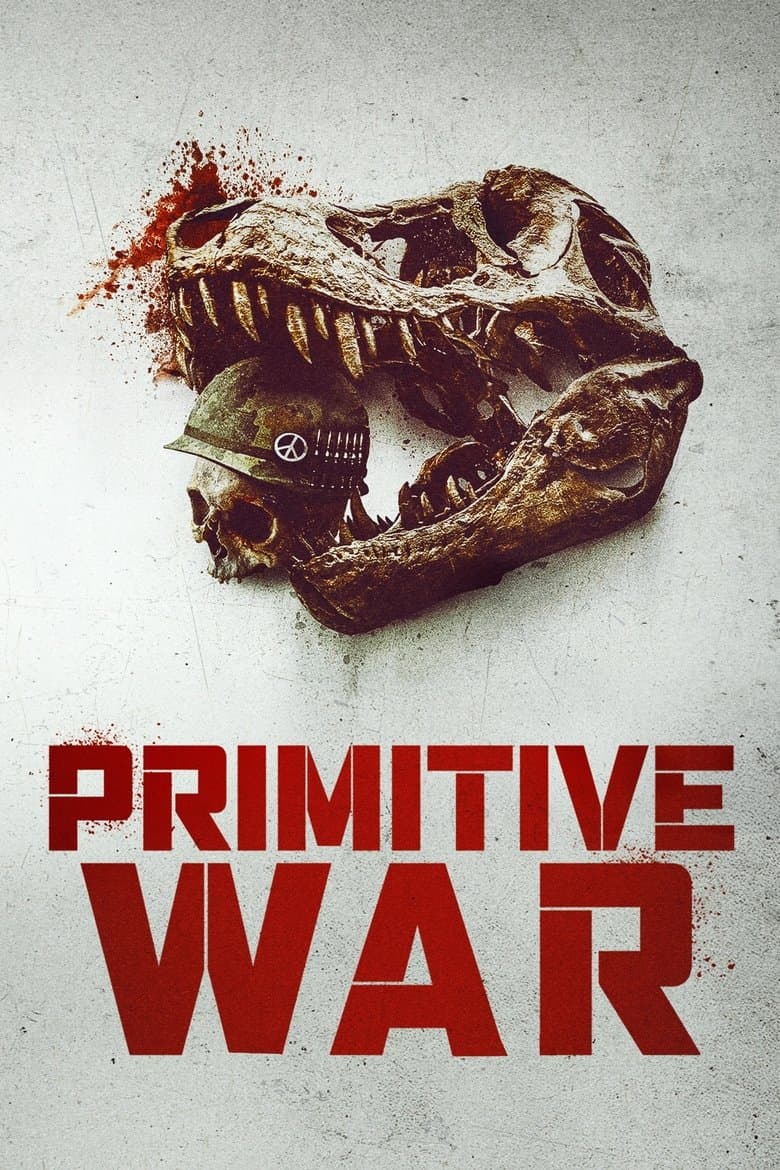
Movie · 2025
During the Vietnam War, a recon unit ventures to an isolated jungle valley to uncover the fate of a missing platoon.
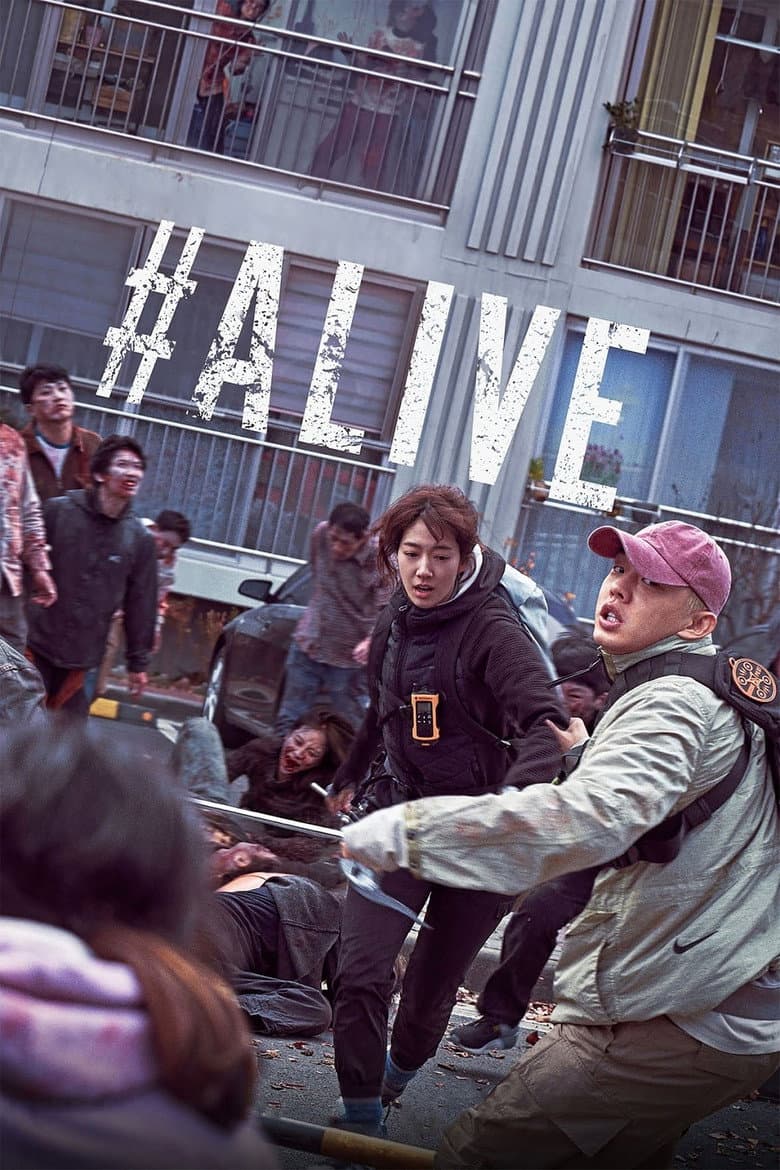
Movie · 2020
As a grisly virus rampages a city, a lone man stays locked inside his apartment, digitally cut off from seeking help and desperate to find a way out.
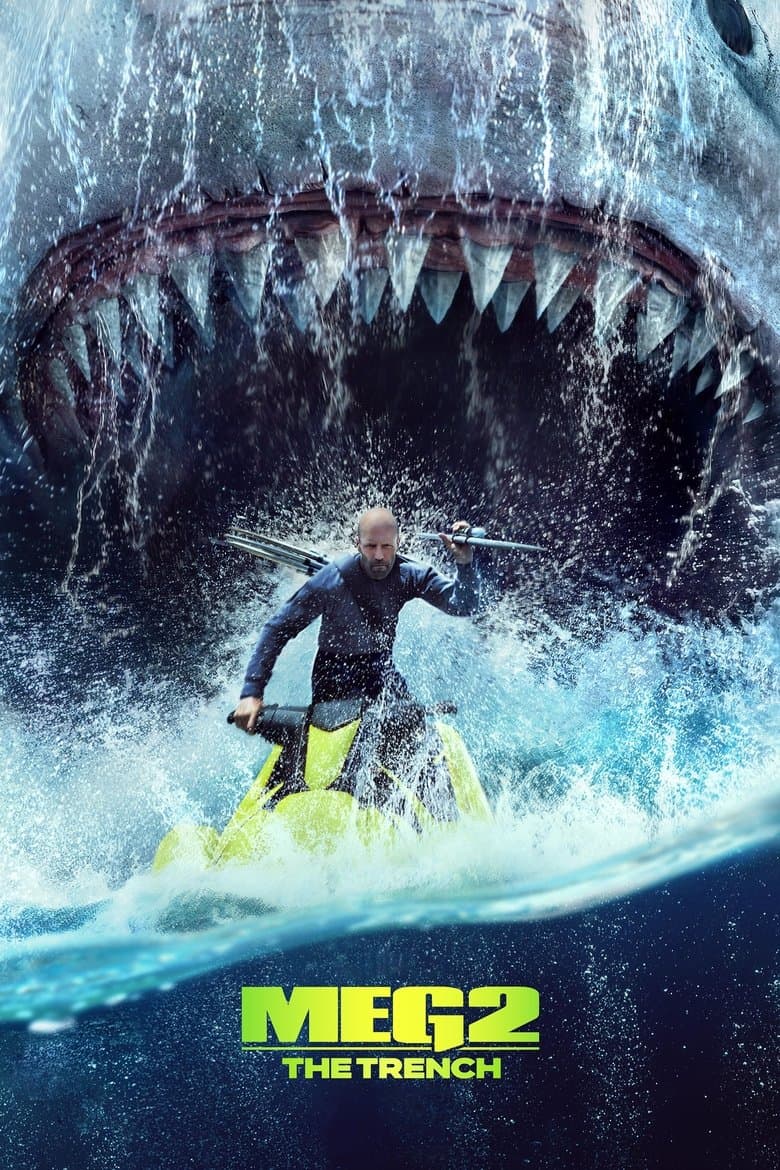
Movie · 2023
An exploratory dive into the deepest depths of the ocean of a daring research team spirals into chaos when a malevolent mining operation threatens their mission and forces them…
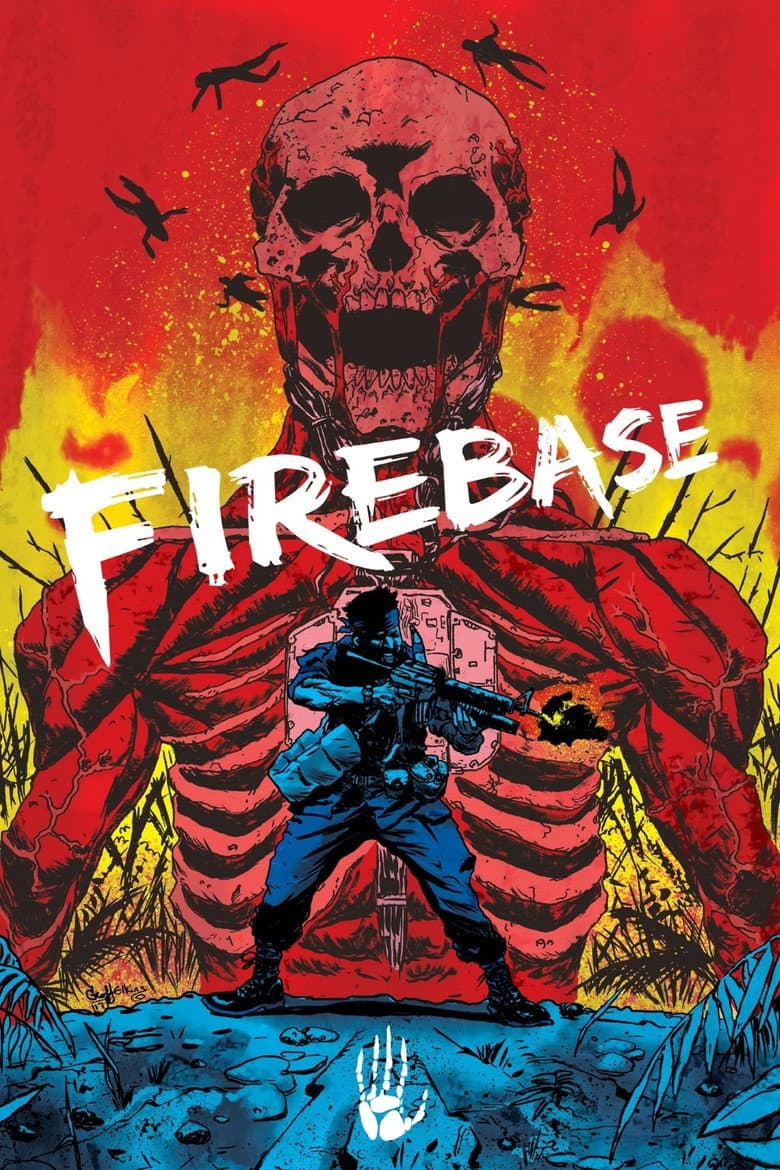
Movie · 2017
Set during the Vietnam war, Firebase follows American soldier Hines through an ever-deepening web of science fiction madness.
Movie · 2016
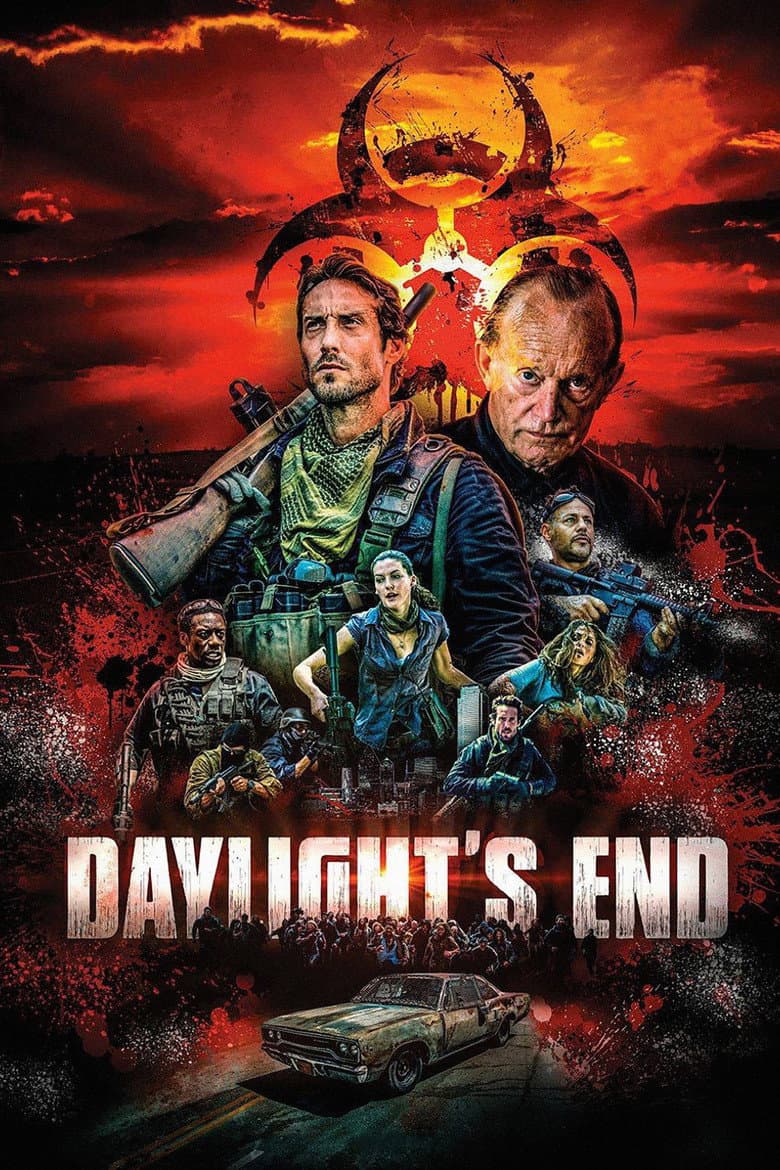
Years after a mysterious plague has devastated the planet and turned most of humanity into blood-hungry creatures, a rogue drifter on a vengeful hunt stumbles across a band of…
Movie · 2016
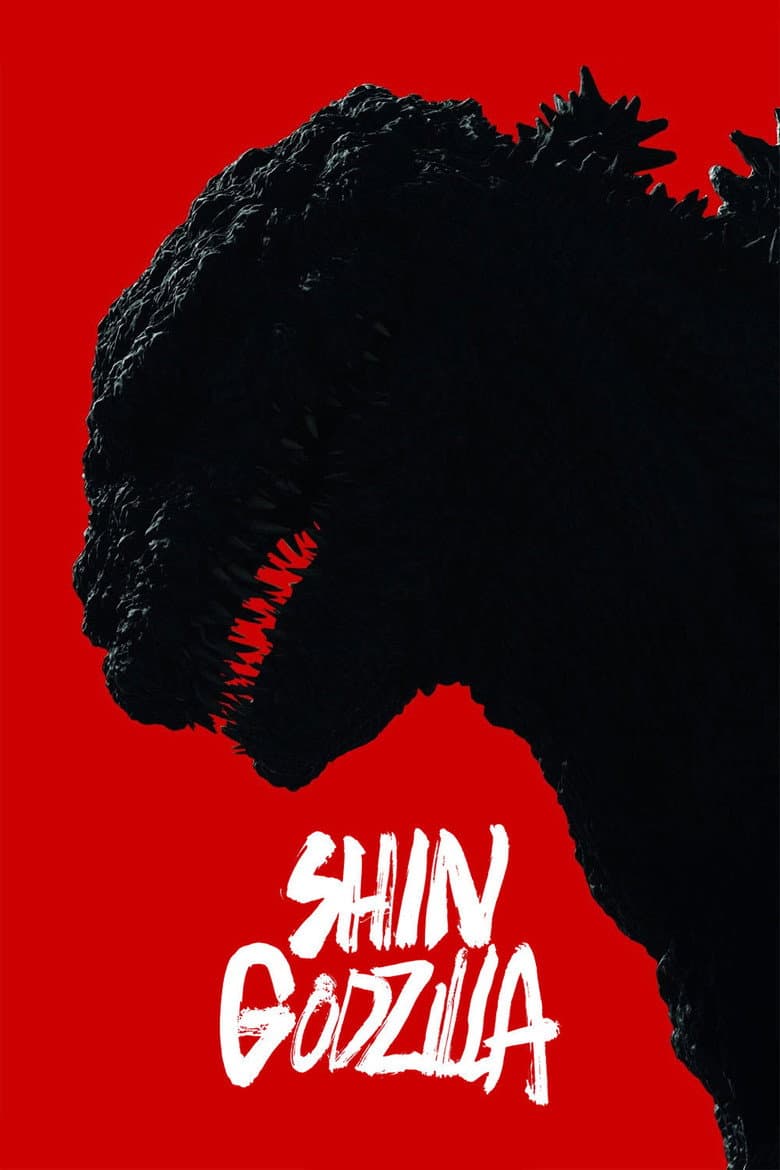
When a massive, gilled monster emerges from the deep and tears through the city, the government scrambles to save its citizens.
Movie · 2019
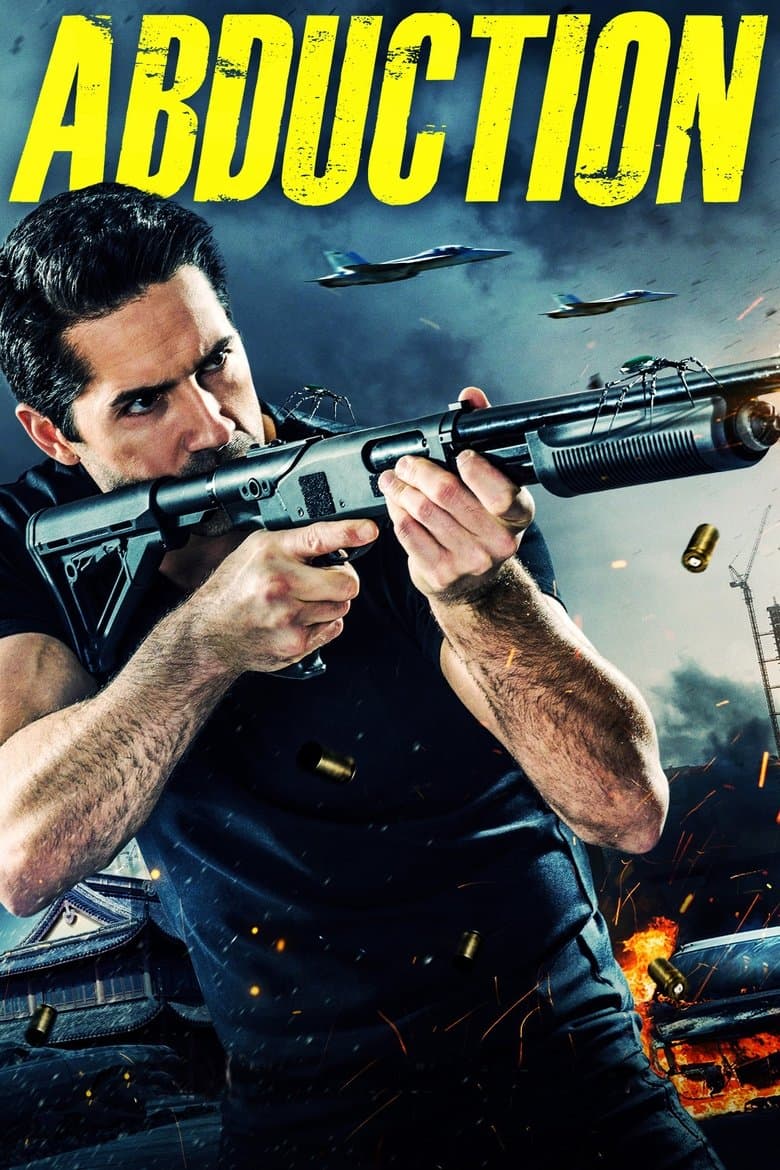
A man steps out of a park fountain in Ho Chi Minh City with no recollection of who he is or where he came from.
Movie · 2016
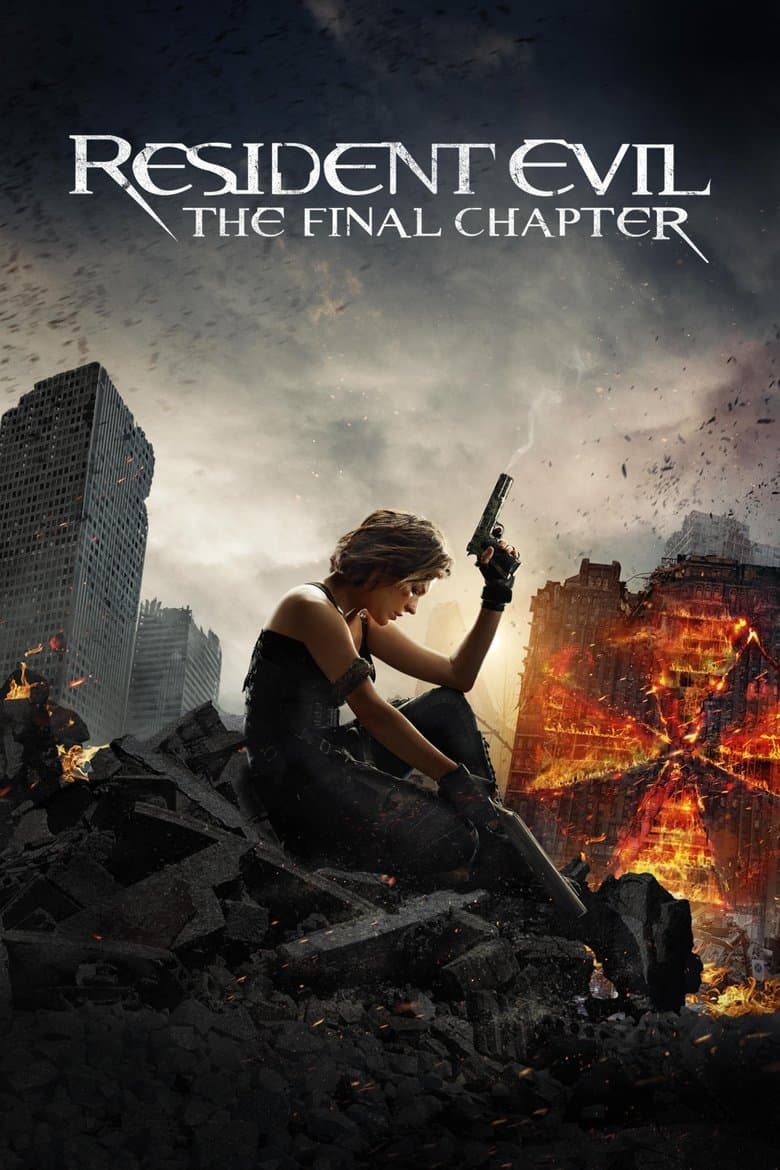
Picking up immediately after the events in Resident Evil: Retribution, Alice is the only survivor of what was meant to be humanity's final stand against the undead.
