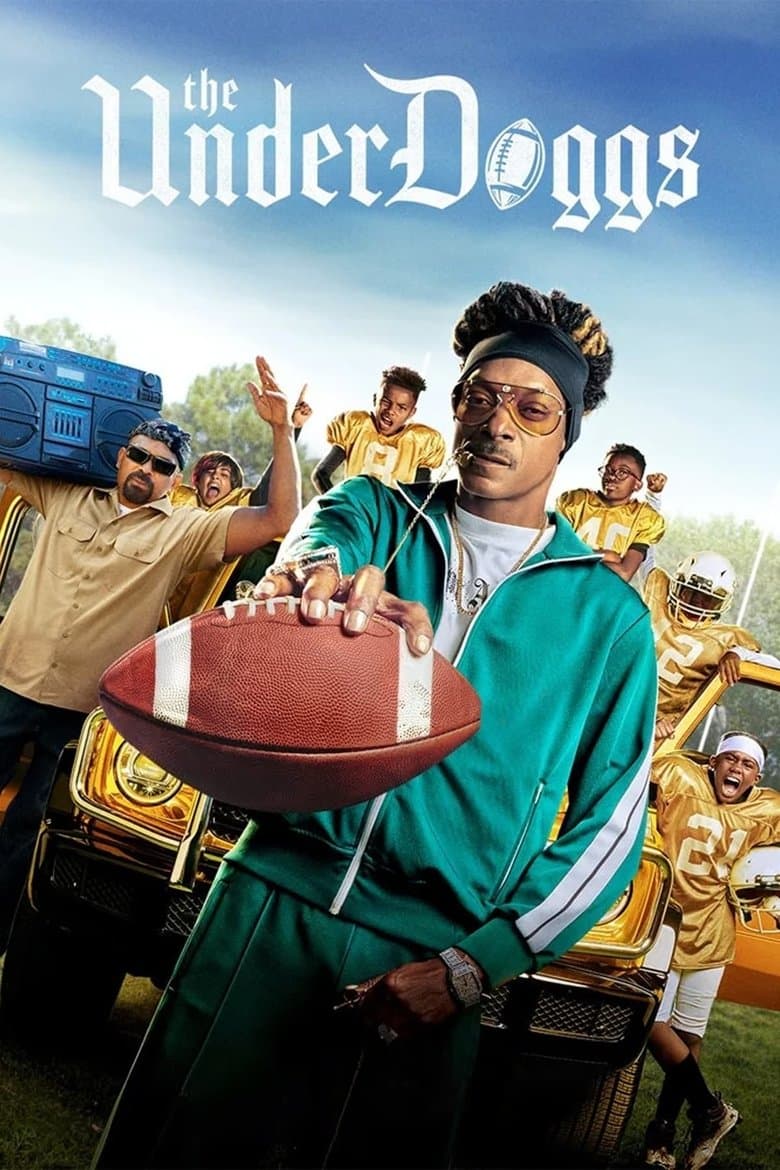
Jaycen “Two Js” Jennings is a former football star who has lost his career, fame, and good name. After he crashes his car, a judge orders him to coach a pee-wee team in his Long Beach hometown instead of sending him to prison. Jaycen first uses the team to repair his public image and win back Cherise, his old girlfriend, but the players and his old coach force him to face his selfishness. The movie uses loud adult jokes, drugs, crude talk, and a warm sports story about friendship, family, and returning home.
The clearest identity-focused element is Ghost, a girl on the team whom the boys dismiss because she is female. Ghost makes a key play in the final game, so the film presents her skill as a direct answer to that doubt. The mostly black cast and the Long Beach setting give the movie a strong black and local cultural feel, but the story does not build its conflict around race or a broad political cause. These points are visible, yet they sit beside the main redemption plot and do not control most of the movie.
Community feedback
Was our 30% Woke rating accurate?
Breakdown
These are the editorial factors and ratings behind our score for The Underdoggs.
Woke representation / casting
The movie puts black actors in most leading adult roles and includes Latino, Indian American, and white supporting actors. The Long Beach setting and Snoop Dogg’s real youth football work make much of this casting believable. The director also presents the mostly black cast as a statement about black and Latino culture. A girl named Ghost gets a key late-game role after the boys point out that she is a girl.
30%
Woke political dialogue
Not present. The characters talk about football, fame, money, family, and community. The movie does not use recurring woke political or activist dialogue.
0%
Identity-driven story themes
The film gives one clear gender message through Ghost, a girl on a boys’ football team who earns a key play after others doubt her. Cherise also says that she has her own goals and will not live as Jaycen’s plus-one. These ideas matter in several scenes, but they stay beside the main story of Jaycen changing through football. The movie does not make race, sexuality, or identity politics the main conflict.
28%
Western institutional / cultural critique
The movie shows Jaycen’s male ego and celebrity entitlement as causes of his fall. Cherise tells him that she has her own goals and does not want to be his plus-one. The story treats his selfish behavior as something he must unlearn, but it does not attack Western institutions or religion. This makes the critique mild and personal.
14%
Woke character or canon changes
Not relevant. The movie is an original sports comedy. It does not change a known character, franchise, or historical figure.
0%
Anti-woke backlash and complaints
Not present. Public complaints focus on the R rating, profanity, sex jokes, drugs, and children drinking. The visible coverage does not show a clear complaint that the movie pushes woke, DEI, or identity politics.
0%
Creator track record context
The cached creator scores are low to moderate for most of the team. Kenya Barris is the clearest progressive context at 65, and Mychelle Deschamps is 52. Danny Segal is 35, while the other stored scores range from 0 to 33. This context raises the score, but the movie itself does not carry a strong activist message.
30%
Production
Movie · 2024
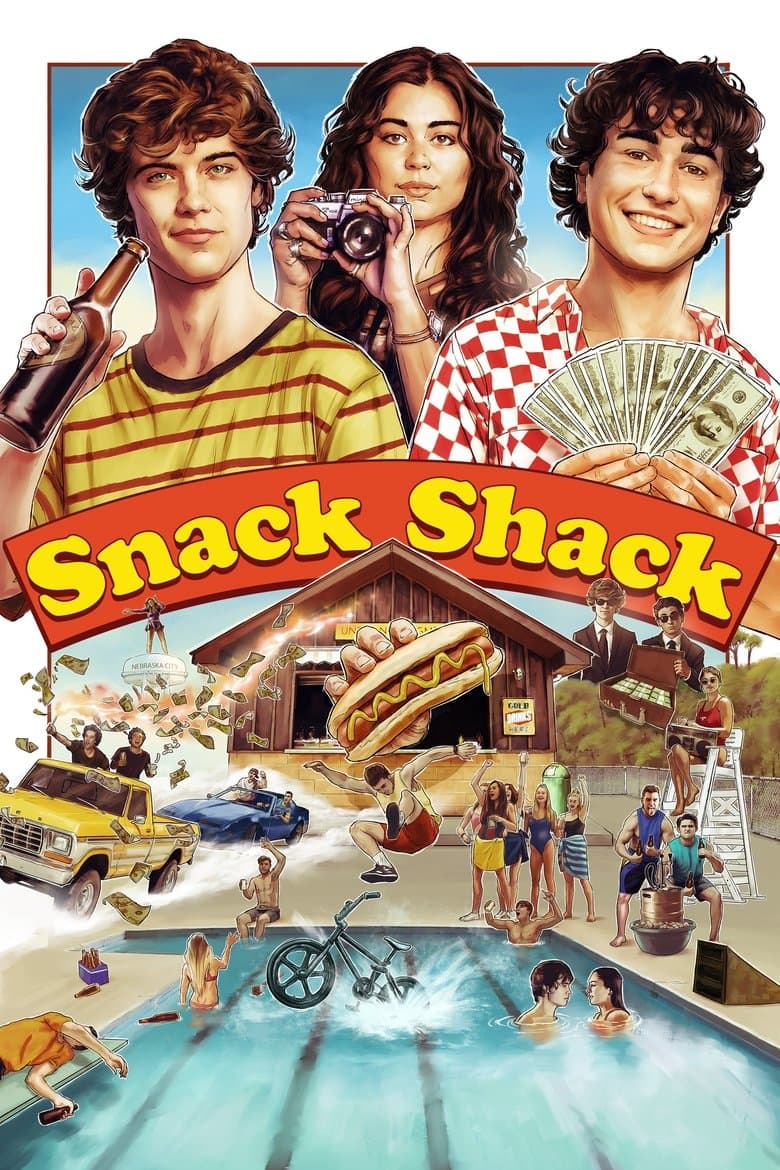
Inseparable best friends AJ and Moose decide to run the local pool's snack shack after their plan to sell home-brewed beer goes down the drain.
Movie · 2016
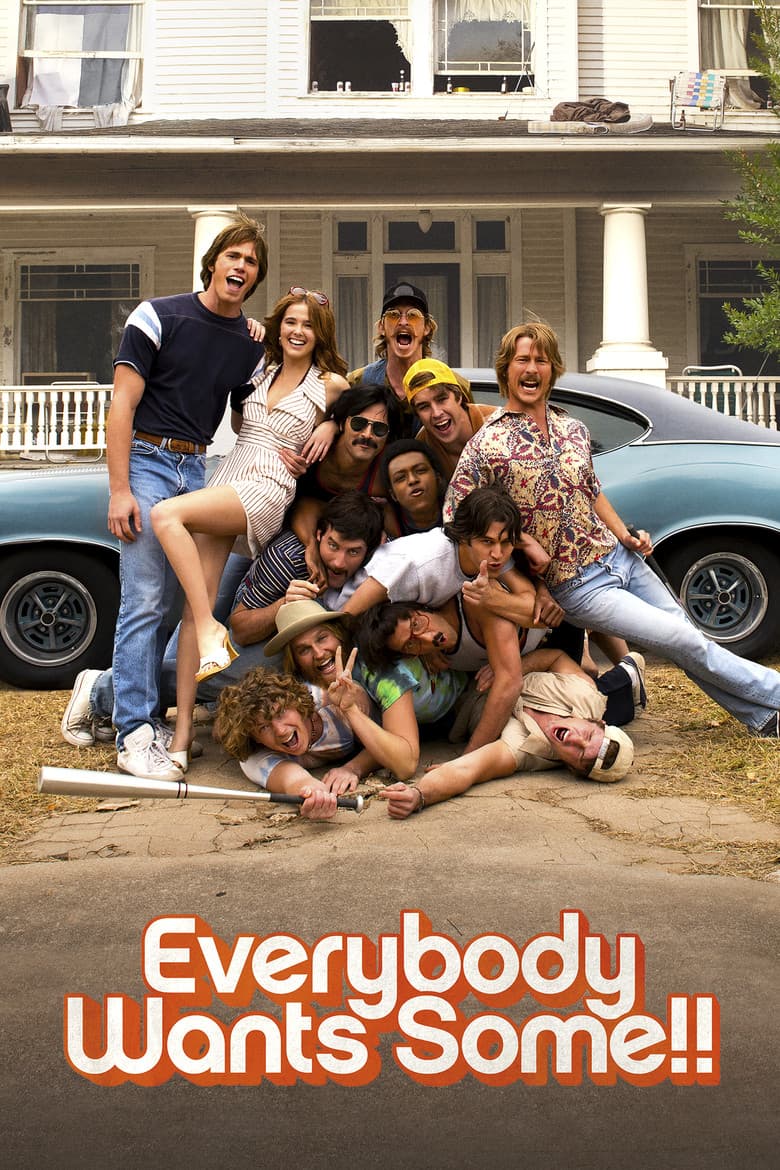
A comedy that follows a group of friends as they navigate their way through the freedoms and responsibilities of unsupervised adulthood.
Movie · 2023
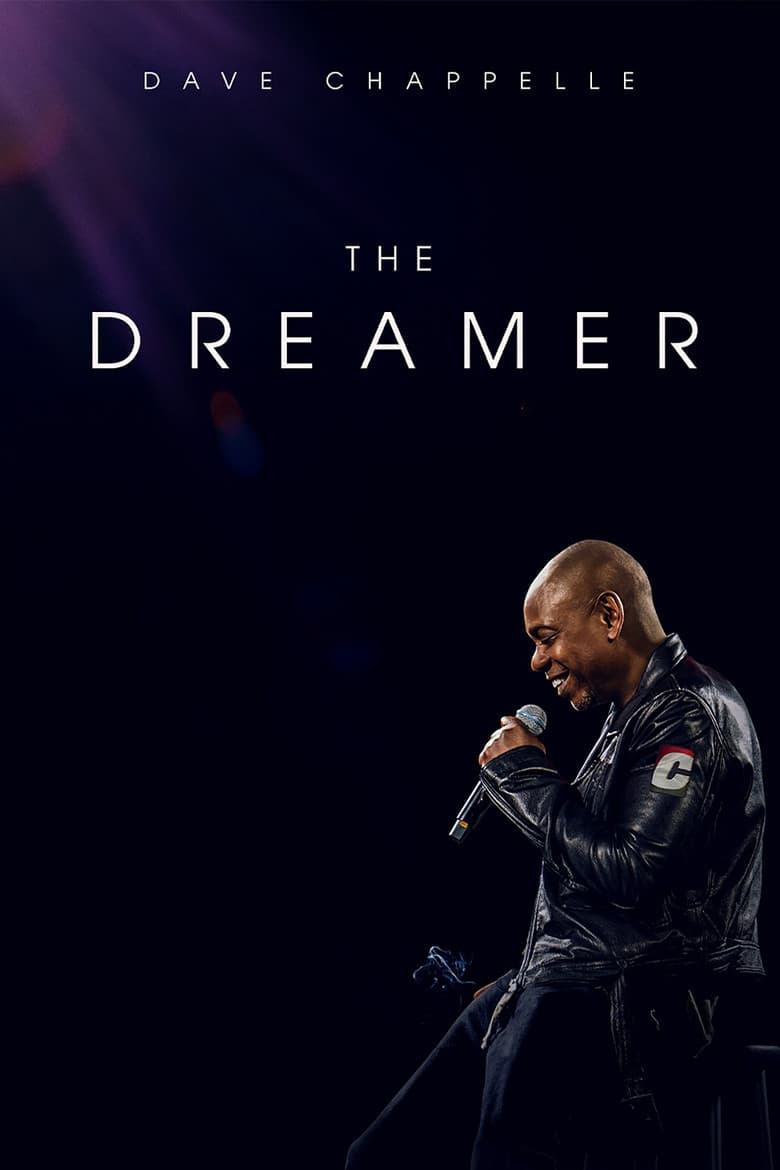
From his onstage tackle to the slap heard round the world, Dave Chappelle lets loose in this freewheeling and unfiltered stand-up comedy special.
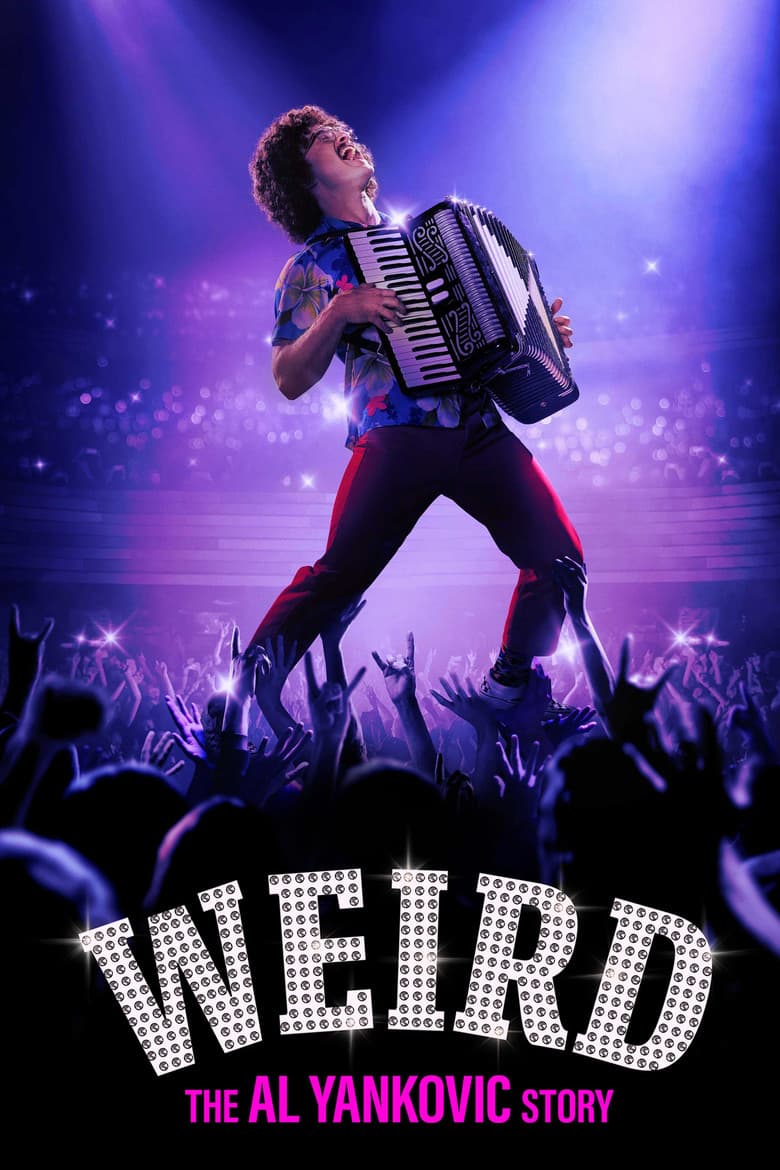
Movie · 2022
Exploring every facet of ‘Weird Al’ Yankovic’s life, from his meteoric rise to fame with early hits like ‘Eat It’ and ‘Like a Surgeon’ to his torrid celebrity love affairs and…
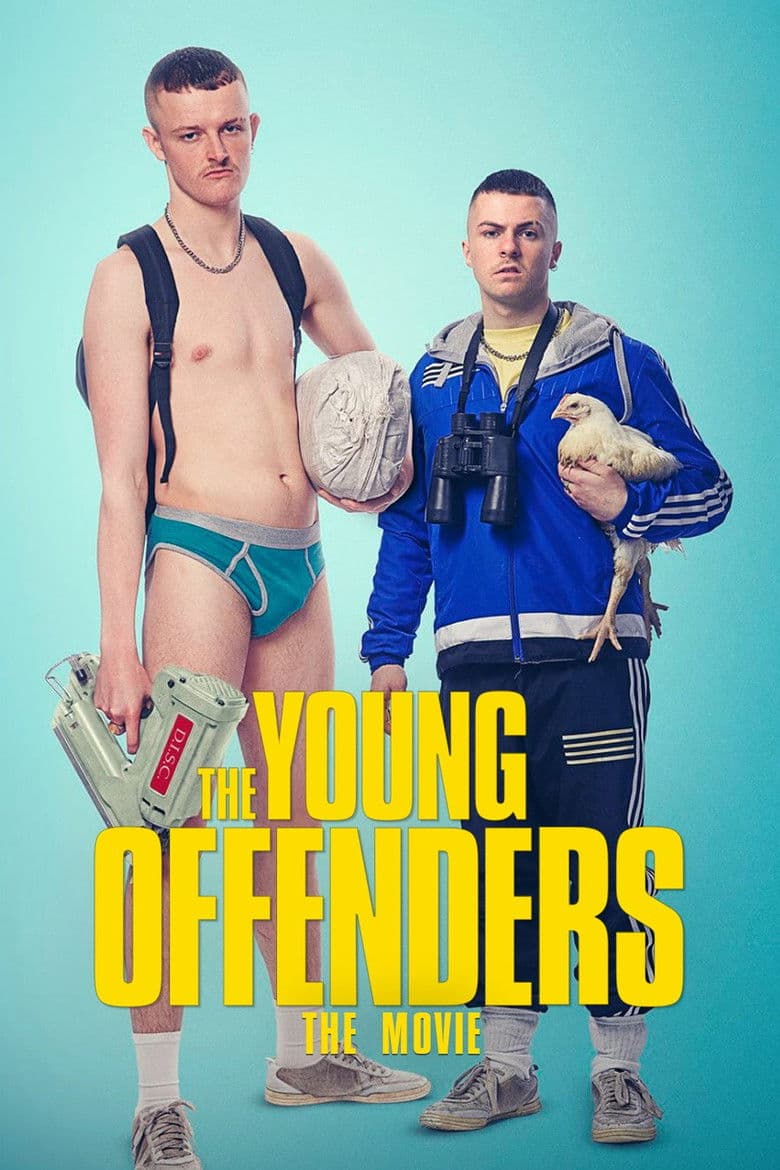
Movie · 2016
Two teenage boys from inner-city Cork steal bicycles and ride off on a 160km quest to find an unrecovered bale of cocaine worth 7,000,000 euros.
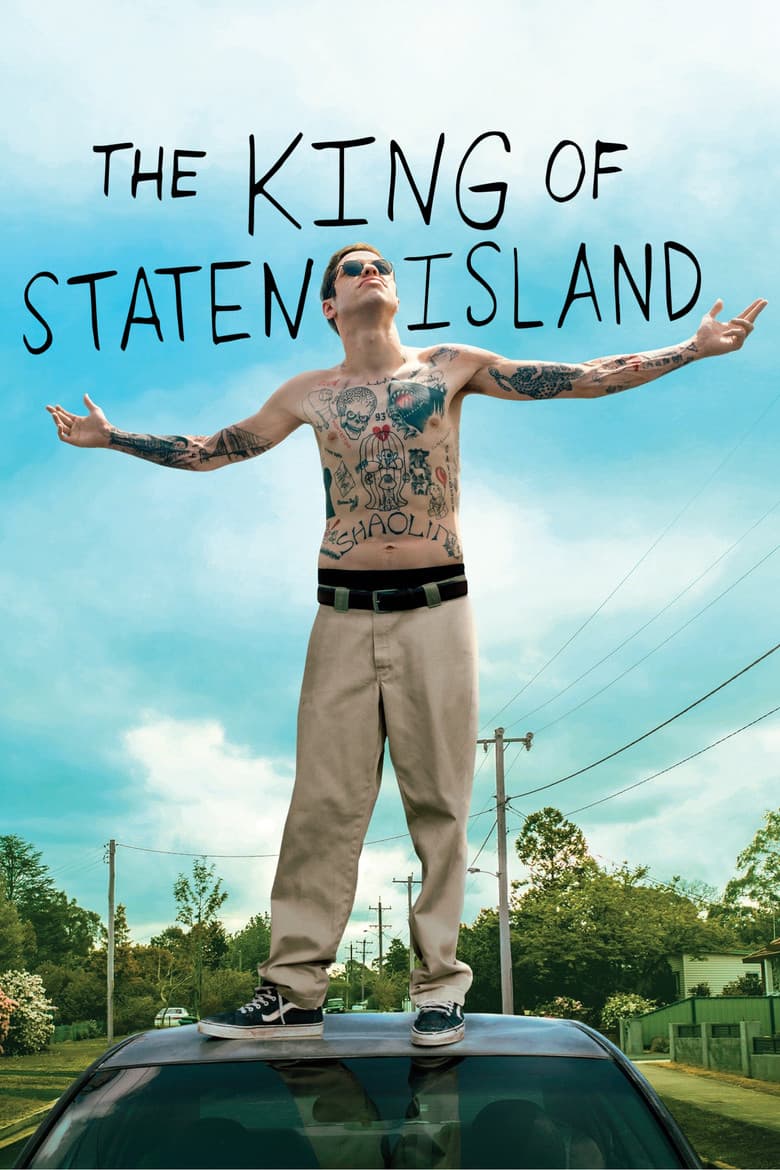
Movie · 2020
Scott has been a case of arrested development ever since his firefighter father died when he was seven. He's now reached his mid-20s having achieved little, chasing a dream of…
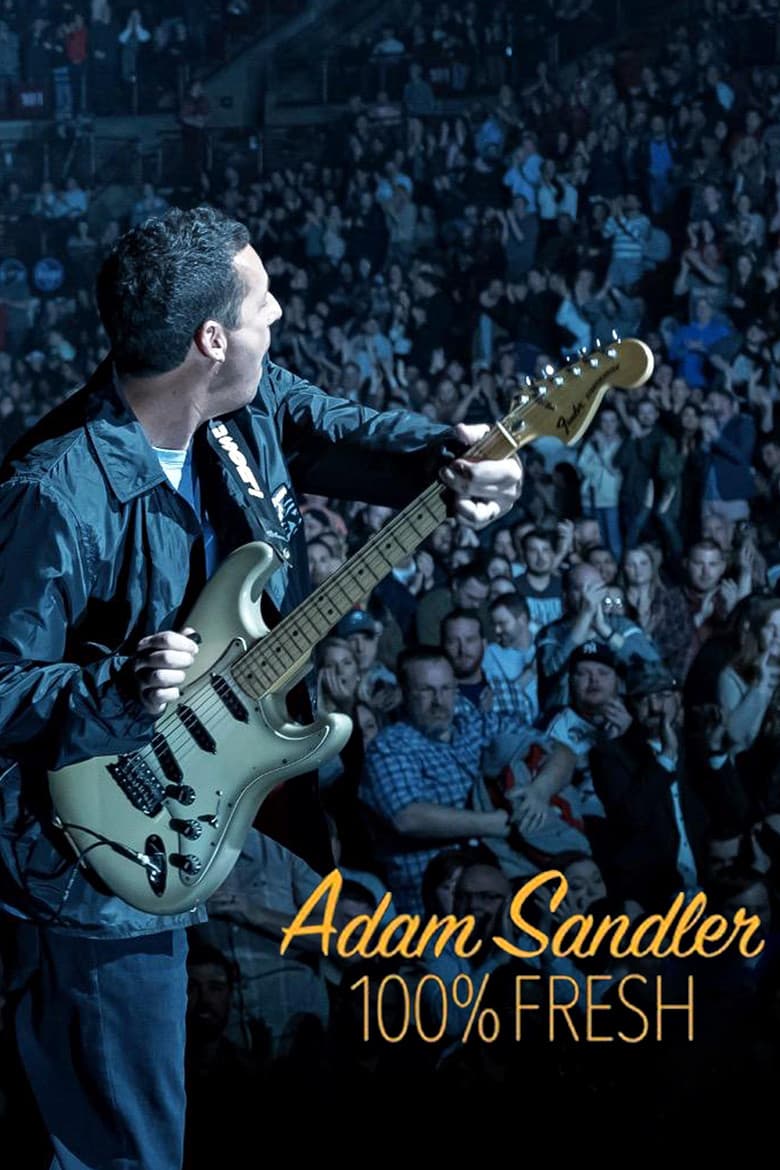
Movie · 2018
Adam Sandler takes his comical musical musings back out on the road, from comedy clubs to concert halls to one very unsuspecting subway station.
Movie · 2023
A chaotic intervention. An action-packed stay in rehab. After a weird couple of years, John Mulaney comes out swinging in his return to the stage.
